
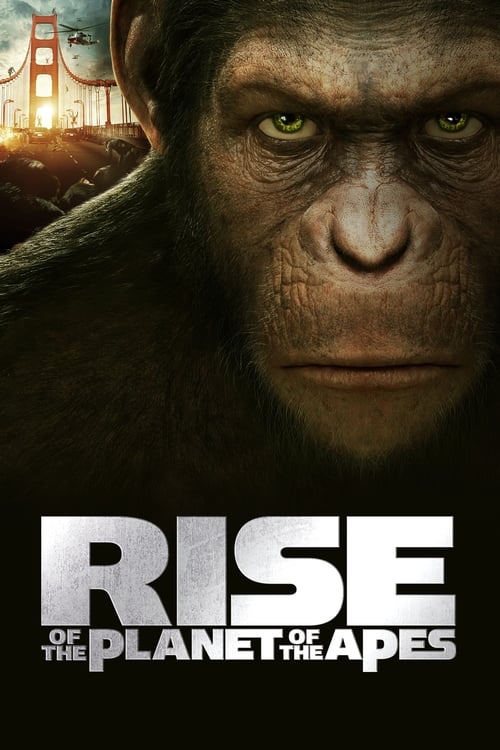
Rise of the Planet of the Apes (2011)
Directed by Rupert Wyatt
A highly intelligent chimpanzee named Caesar has been living a peaceful suburban life ever since he was born. But when he gets taken to a cruel primate facility, Caesar decides to revolt against those who have harmed him.
17 connections found
View:
17 connections, in both directions
What critics compared Rise of the Planet of the Apes to


There is something beautiful about the motion capture experiences behind movies like Rise of the Planet of the Apes.
Rise of the Planet of the Apes…
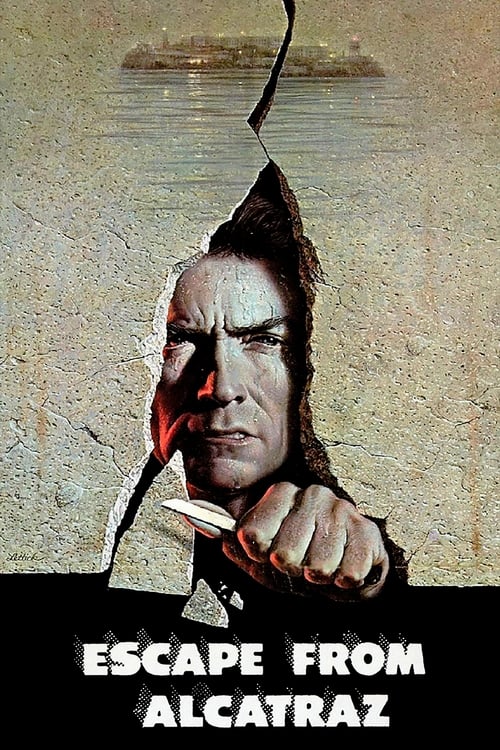
As diligently as Clint Eastwood in “Escape from Alcatraz,” Caesar also plots a mass breakout.
I could describe Rise of the Planet of the Apes as Escape from Alcatraz, except with apes, but that would make it sound like a movie you might actually want to see.
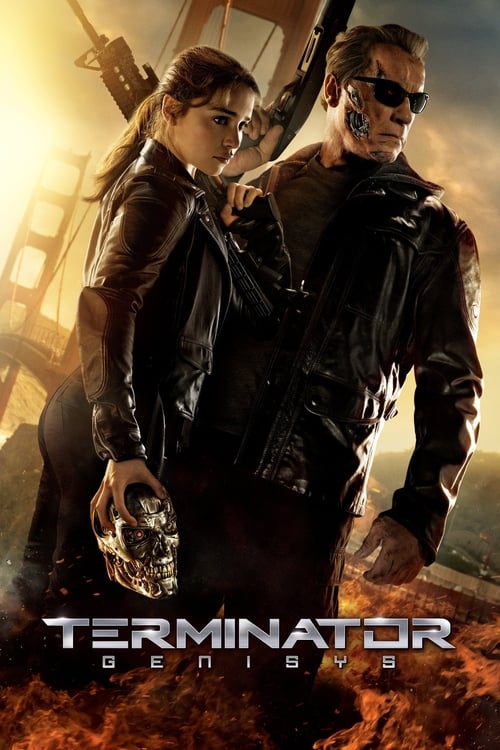
When you’ve run through Michael Biehn, Christian Bale and Sam Worthington, and the only actors left to play your “heroes” are little-known Aussies from “Rise of the Planet of the Apes” (Jason Clarke) and the “Insurgent” series (Jai Courtney)…
And let's not forget Pacific Rim, Star Trek Into Darkness, Godzilla and Rise of the Planet of the Apes before that.
On the day that John Connor (Jason Clarke, Rise of the Planet of the Apes ) wins the War Against the Machines, Kyle Reese (Jai Courtney, The Divergent Series: Insurgent ) is sent back in time to prevent his mother, Sarah Connor (Emilia Clarke, TV’s Game of Thrones ), from being killed by a T-800 model Terminator (Arnold Schwarzenegger, The Expendables 3 ).
Se incluyen referencias necesarias a los dos primeros filmes de Cameron y se niegan e ignoran los otros dos filmes y, como si se tratara de un requisito en Hollywood, se recurre nuevamente a la ciudad de San Francisco y a la destrucción del imponente puente Golden Gate, tal como ya lo mostró Pacific Rim (2013), Godzilla (2014), Rise of the Planet of the Apes (2014) y San Andreas (2015).
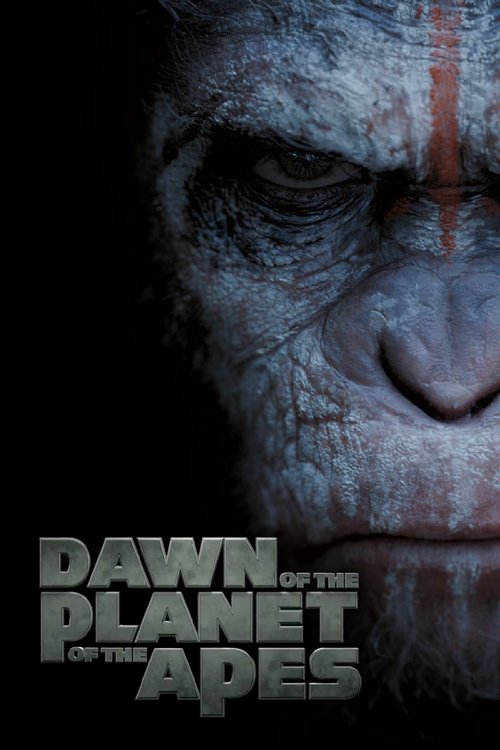
As Dawn begins, we’re reminded that some ten years ago (in 2011’s Rise of the Planet of the Apes), scientific experimentation—and exploitation—resulted in a proliferation of genetically modified apes and began a widespread viral wipeout of the world’s human population.
An altogether smashing sequel to 2011’s better-than-expected “Rise of the Planet of the Apes,” this vivid, violent extension of humanoid ape Caesar’s troubled quest for independence bests its predecessor in nearly every technical and conceptual department, with incoming helmer Matt Reeves conducting the proceedings with more assertive genre elan than “Rise” journeyman Rupert Wyatt.
Like its predecessor, 2011's " Rise of the Planet of the Apes ," it borrows situations and images from the 1960s and '70s "Apes" films and re-creates them as epic dramas.
It took British director Rupert Wyatt to get things back on track with his 2011 reboot, Rise of the Planet of the Apes , using eye-catching performance-capture technology in service of a solid script (by Rick Jaffa and Amanda Silver) that married the political clout of Conquest with the animal-rights themes of Boulle's source.
”Dawn of the Planet of the Apes,” sequel to the 2011 prequel, “Rise of the Planet of the Apes,” is without question the movie of the summer — an epic allegory that says more about our world than a half dozen other Hollywood blockbusters combined and a dazzling piece of filmmaking technically, emotionally, intellectually.
As you no doubt recall from “Rise of the Planet of the Apes,” the successful 2011 reboot of a dormant franchise, the renegade primates got new brain power from an experimental drug and are just beginning to talk.
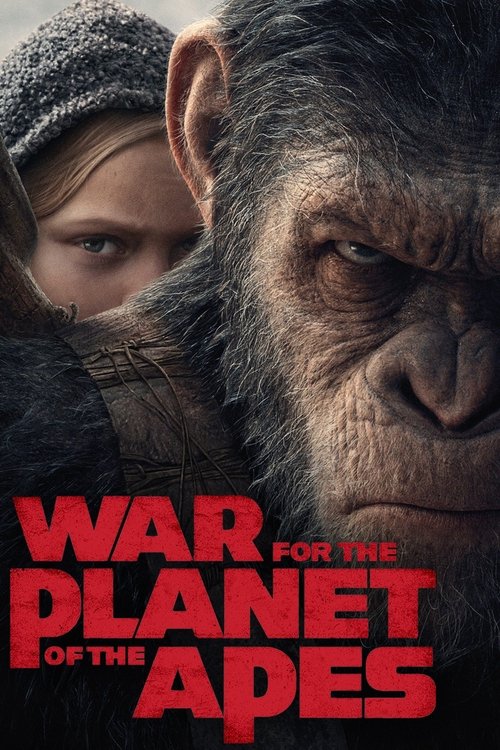
Whereas 2011’s “Rise of the Planet of the Apes” (directed by Wyatt) offered a cautionary tale about genetic engineers playing God, and Reeves’ 2014 follow-up “Dawn of the Planet of the Apes” coincided with growing racial unrest (somewhat problematically equating apes to Malcolm X and Martin Luther King, Jr.), “War” fails to delivery a functional allegory.
With War for the Planet of the Apes, the outrageously ambitious concluding chapter in the latest trilogy in a franchise that was rebooted with 2011’s Rise of the Planet of the Apes, the phenomenon officially takes over every single wing of the museum.
It follows Rise of the Planet of the Apes where Caesar (Andy Serkis), an ape who has been raised by humans and has highly developed cognitive skills, becomes leader of an ape community and leads them to freedom.
Advertisement
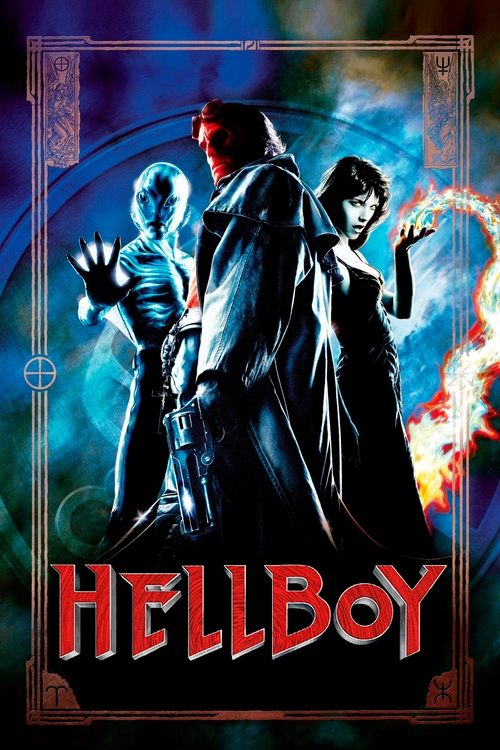
Actors like Serkis (and even Doug Jones in Hellboy and Rise of the Silver Surfer) have an amazing ability to bring the unreal to life.
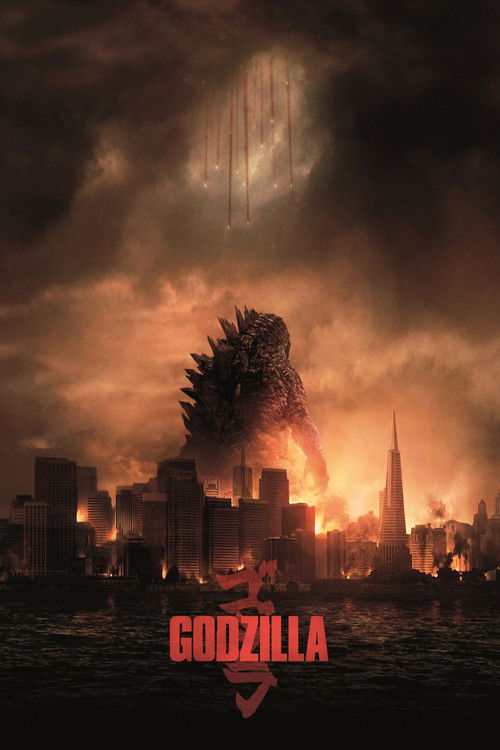
This one dared dream that English director Gareth Edwards, whose only previous feature was the low-budget post-apocalyptic sci-fi film Monsters, might show the same ingenious savvy in updating the Godzilla brand that Rupert Wyatt, also from the Brit indie scene, displayed with the 2011 Rise of the Planet of the Apes — a witty rethinking of, and improvement on, a venerable fantasy franchise.
We get an exciting scene on a bridge, for instance, which is then compounded by a slightly less exciting scene on a different bridge—the Golden Gate, indeed, which not long ago had an army of indignant chimps clambering all over it, in “Rise of the Planet of the Apes.”
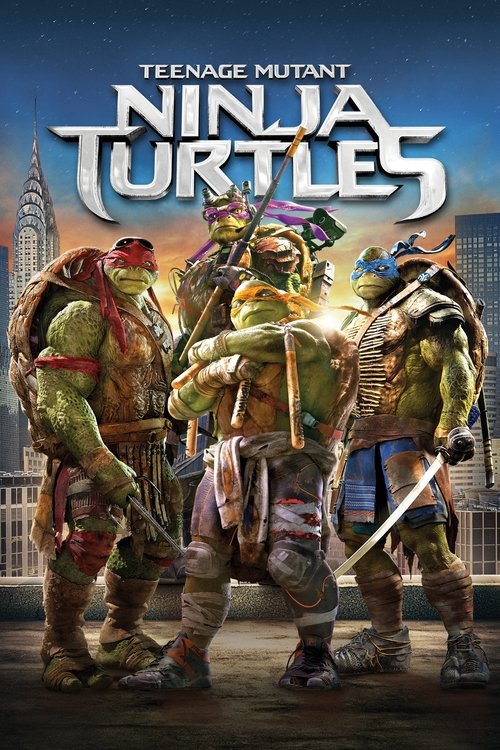
Teenage Mutant Ninja Turtles combines producer Bay's signature explosive thrills and obsession with Fox's body with the impressively realistic Turtles, thanks to Industrial Light & Magic's performance-capture technology (similar to WETA's technology for Rise of the Planet of the Apes ).
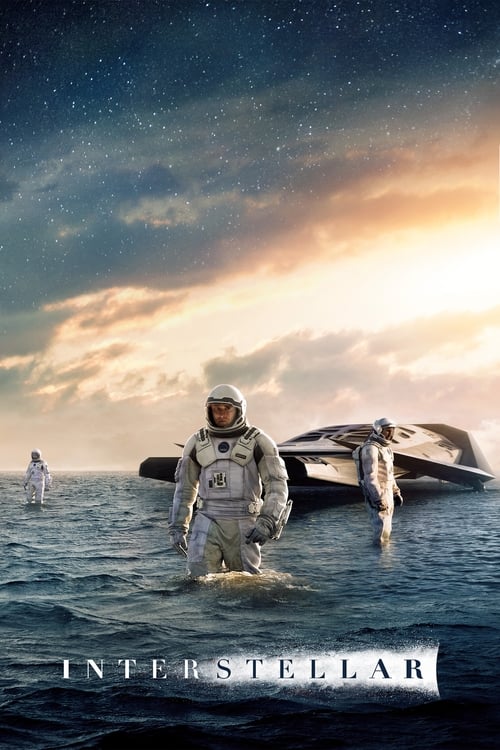
With the help of his live-in father-in-law (John Lithgow, “Rise Of The Planet Of The Apes”), Cooper tirelessly imbues his children with the same spark for knowledge and exploration that informed his own upbringing.
Advertisement

Rupert Wyatt, previously a genre director (of “Rise of the Planet of the Apes”), matches Monahan’s nervous, sarcastic energy, keeping things revved-up but goofy enough to drown the soundtrack with Pulp’s “Common People" — because it's a song mocking bored richies like Jim, and because that would be a pretty leftfield song choice for a movie about a self-destructive jerk.
Director Rupert Wyatt, shorn of the CGI bells-and-whistles of his franchise opener Rise of the Planet of the Apes , dials down to demonstrate a strong grasp of a seedy milieu, even though the female roles are as underdeveloped as the theme of male angst suggests.
A remake of the James Toback-directed ’70s film, this version is directed by Rupert Wyatt (“Rise of the Planet of the Apes,”) with a witty script by “The Departed”‘s William Monahan.
Rupert Wyatt did a great job with "Rise of the Planet of the Apes."
Rupert Wyatt’s directorial follow-up to Rise Of The Planet Of The Apes is a character study about someone who cares so little about their own self-worth yet doesn’t have the backbone to harm themselves, which is made clearly evident by a forceful story that ensures audiences understand each literary-laced nuance.
And thanks to the angular choices of director Rupert Wyatt (“Rise of the Planet of the Apes”), who fills the soundtrack with mind-messing stuff like reggae covers of Pink Floyd and a chorus singing Radiohead’s “Creep,” the film feels like a strangely intoxicating dance to the gallows.

Disney’s 1998 Mulan, loosely inspired by Chinese folklore about a woman named Hua Mulan who disguises herself as a man to take her father’s place in battle, is a Renaissance cartoon — but the remake, from director Niki Caro (Whale Rider) and several writers, including husband-wife reboot specialists Rick Jaffa and Amanda Silver (Rise of the Planet of the Apes; Jurassic World; Avatar 2), doesn’t treat the cartoon as a sacred text.
Screenwriters Elizabeth Martin and "Rise of the Planet of the Apes" writers Rick Jaffa & Amanda Silver correct the original’s history, replacing the Huns with the Rourans, but they lose Mushu the dragon, the cricket and Mulan’s pet dog, instead giving us a phoenix which is garishly realized in fuchsia, orange, yellow and purple, looking more like a kite than a mythological bird.