
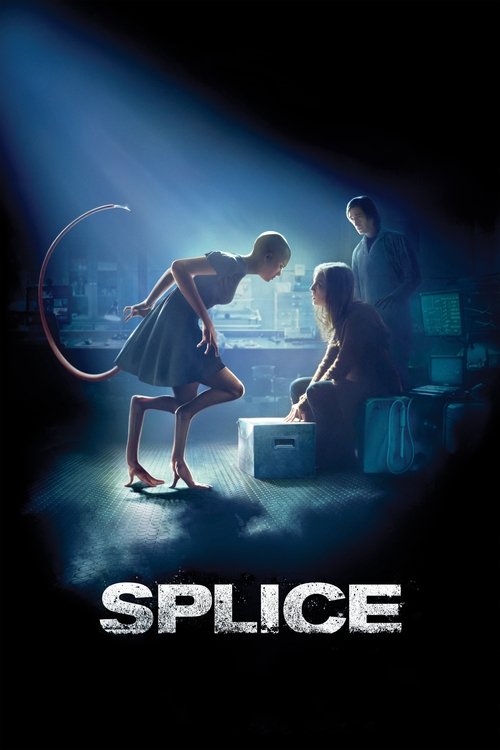
Splice (2010)
Directed by Vincenzo Natali
Elsa and Clive, two young rebellious scientists, defy legal and ethical boundaries and forge ahead with a dangerous experiment: splicing together human and animal DNA to create a new organism. Named "Dren", the creature rapidly develops from a deformed female infant into a beautiful but dangerous winged human-chimera, who forges a bond with both of her creators - only to have that bond turn deadly.
22 connections found
View:
22 films that influenced Splice
What critics say influenced Splice
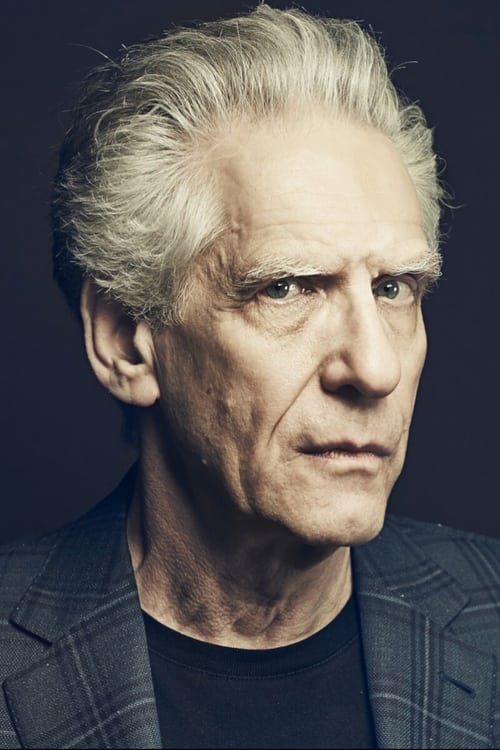
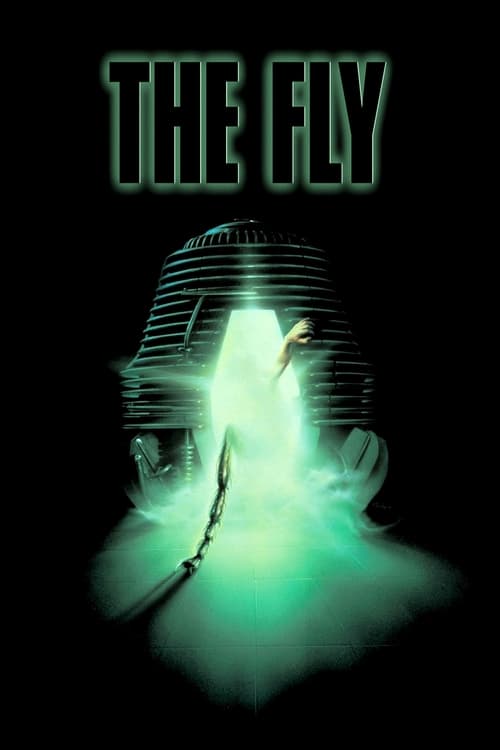


The director clearly knows his horror movies, too, because while “Splice” most closely resembles Shelley's classic novel, there are also hints of “The Fly,” “Rosemary’s Baby,” and yes, even “Species.”
Like the vastly superior The Fly , it uses gore sparingly; delivering shocks to the audience is a secondary consideration.
Throughout, parallels from James Whale’s 1931 film “Frankenstein” to David Cronenberg’s 1986 film “The Fly” to Roger Donaldson’s 1995 movie “Species” abound, but Natali goes a step farther in that he doesn’t make his leads at all likable, which might be an additional cautionary comment on all that occurs in his movie.
He throws in elements of David Cronenbergs The Fly, too, but ultimately Splice owes as much to David Lynchs parenthood-inspired Eraserhead as any other film.
Brody and Polley establish early on the feasible arrogance and naïveté of their hipster scientist couple, and itâs curious to see their relationship bow to this sudden onset of parental responsibilities â a little less Species or Cronenbergâs The Fly, and a little more Revolutionary Road, if you will.
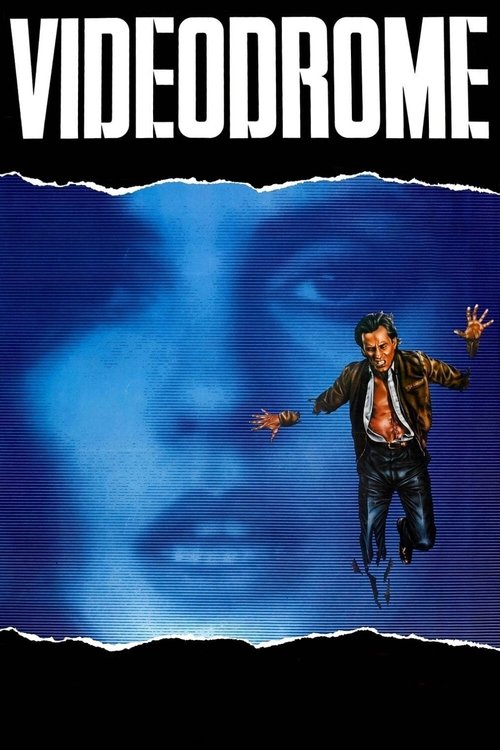
There are clear echoes of "Alien" and early David Lynch imagery; and cinematographer Tetsuo Nagata (who also shot "Micmacs" and "La Vie en Rose") gives some of the scenes a sleek chill that recalls the David Cronenberg of "Videodrome" and "Crash."
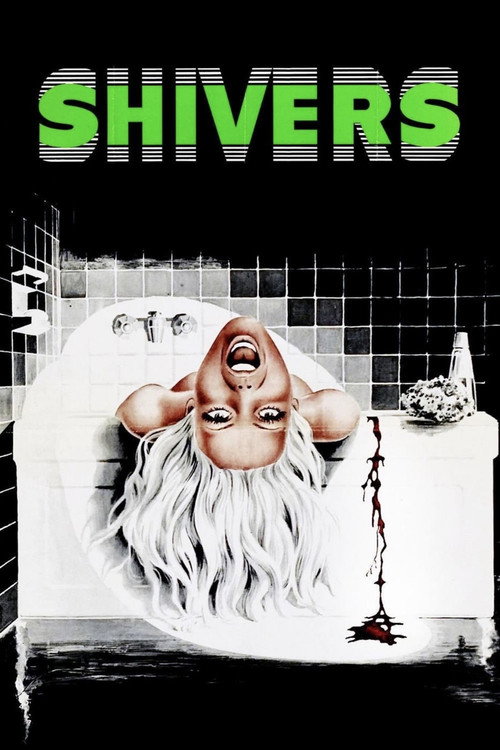
From Shivers to The Fly to eXistenZ, the films of the Canadian auteur have explored ideas of science kick-starting evolution, sexual transgressions and bodily horror with a distinctive flair for visceral gore and pitch-black humour.
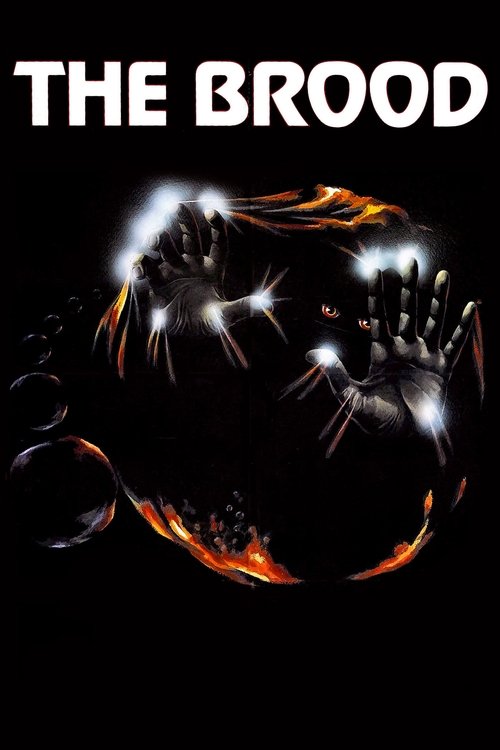
The films closest Cronenberg relative is probably The Brood (1979)for reasons that are as obvious as they are potentially misleading.
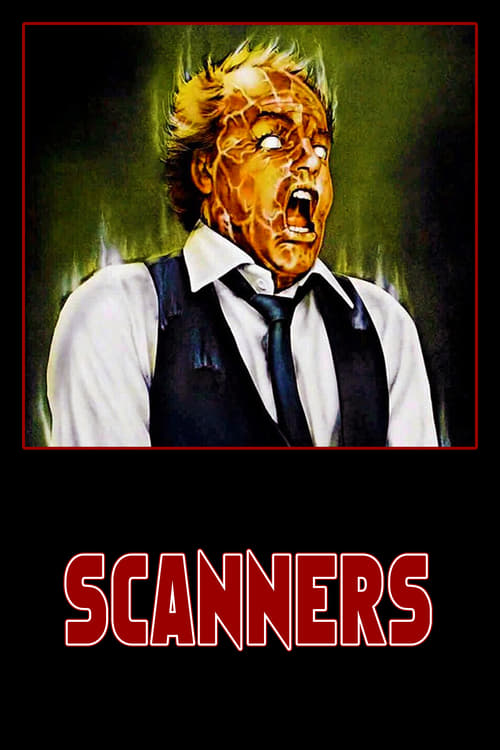
If anything, the film is the ne plus ultra of chicks-with-dicks body horror, but it doesn't hold a candle to Scanners or eXistenz.
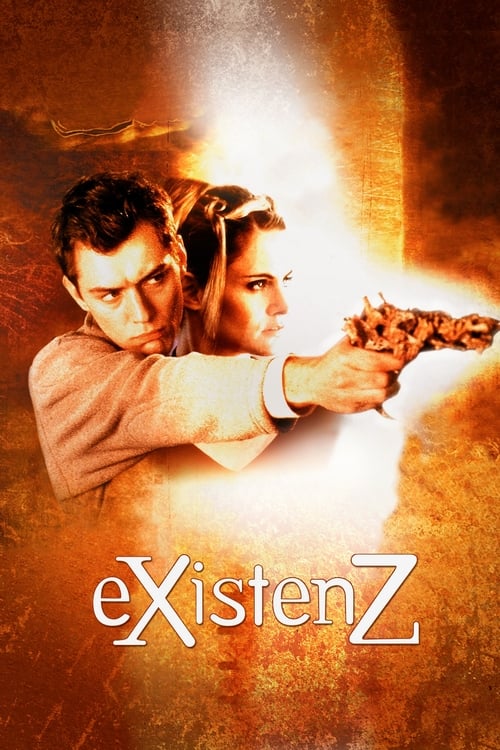
Surely she paid attention to Jennifer Jason Leigh on the set of eXistenZ.
Sarah Polley is an idiosyncratic actress with a number of terrific SF/horror performances under her belt - Dawn of the Dead (2004), eXistenZ (1999), Last Night (1998) - and she is equally good here.
If anything, the film is the ne plus ultra of chicks-with-dicks body horror, but it doesn't hold a candle to Scanners or eXistenz.
From Shivers to The Fly to eXistenZ, the films of the Canadian auteur have explored ideas of science kick-starting evolution, sexual transgressions and bodily horror with a distinctive flair for visceral gore and pitch-black humour.
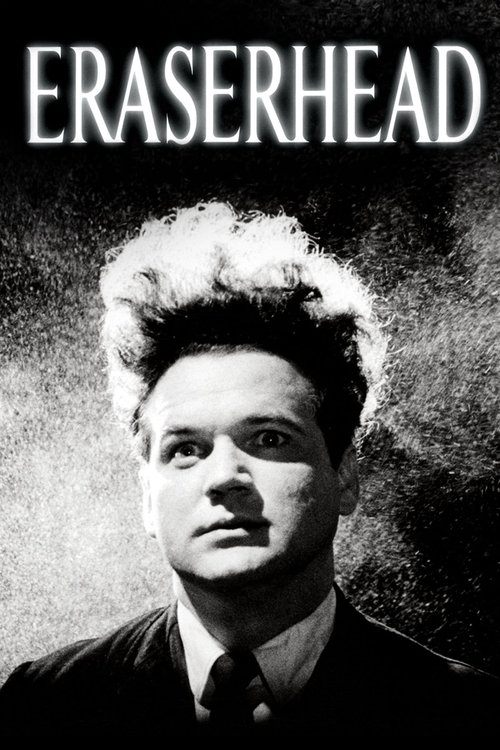
He throws in elements of David Cronenbergs The Fly, too, but ultimately Splice owes as much to David Lynchs parenthood-inspired Eraserhead as any other film.
Aside from Species, its near-anagram antecedent, there's a touch of David Lynch in Dren's bawling-Eraserhead-baby phase, while the ambiguous glass-box corporate parks and squishy horror are very early Cronenberg.
Elsa inserts some of her own DNA into the hybrid animal/monster they've created--think "Eraserhead."
The uncanny strangeness of the infant Dren also strongly recalls the nightmarish ‘baby’ in David Lynch’s Eraserhead.
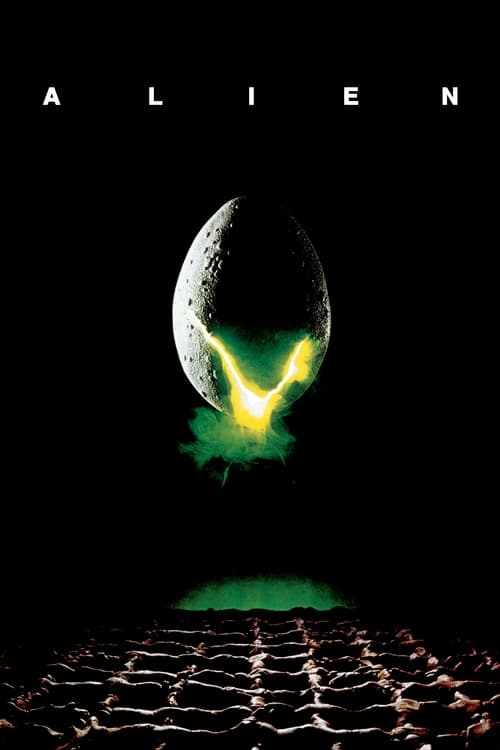
…memorable movies in the genre – good and bad – there are bits of Species, Alien, It’s Alive, Embryo…
The creature comes out looking like the chest-burster from “Alien,” but it quickly grows to become a delicate, female humanoid they call Dren (the word “nerd” in reverse).
That's the subject at the emotional core of Splice, an unsettling and skillfully mounted psychodrama that has some of the flavor of 1970s body-horror (mainly Alien and early David Cronenberg) mixed up with a contemporary retelling of the Frankenstein story.
Not only does the mixture take, the resulting embryo grows at an extremely accelerated rate and before long, it transforms into a creature resembling a cross between a jackrabbit and the thing that popped out of John Hurt in “Alien.”
There are clear echoes of "Alien" and early David Lynch imagery; and cinematographer Tetsuo Nagata (who also shot "Micmacs" and "La Vie en Rose") gives some of the scenes a sleek chill that recalls the David Cronenberg of "Videodrome" and "Crash."
Splice is at times genuinely frightening with early scenes evoking the unknown terror of Ridley Scott’s original Alien film.
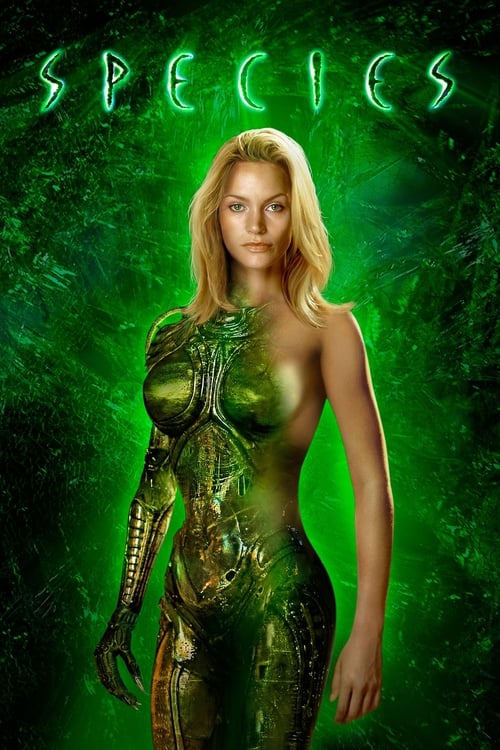
Based on the ads, I assumed that it was going to be little more than a cheesy knock-off of “Species,” the endearingly silly 1995 monster movie best remembered for displaying the pulchritude of Natasha Henstridge and the scenery-chewing abilities of Ben Kingsley and Alfred Molina.
Variants of the story have turned up in a number of films over the last quarter-century such as The Fly (1986), Species (1995) and Alien Resurrection (1997).
Throughout, parallels from James Whale’s 1931 film “Frankenstein” to David Cronenberg’s 1986 film “The Fly” to Roger Donaldson’s 1995 movie “Species” abound, but Natali goes a step farther in that he doesn’t make his leads at all likable, which might be an additional cautionary comment on all that occurs in his movie.
But it's also uneven, perhaps a bit too preoccupied with paying homage to Shelley and James Whale's interpretations of the creating life story when not feeling a bit like the second coming of "Species" (the 1995 sci-fi flick), and ultimately succumbs to the tired third act conventions and requirements of the genre.
Advertisement
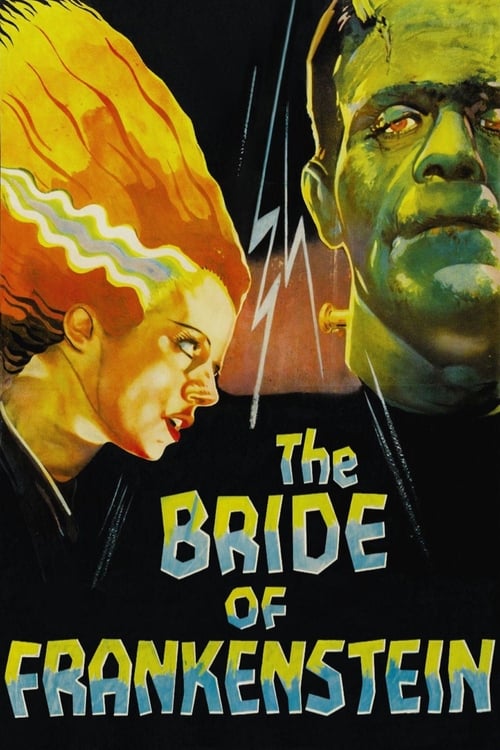
This breakthrough lands Clive and Elsa presumably writer-director Vincenzo Natali is deliberately referencing Elsa Lanchester and Colin Clive, co-stars of The Bride of Frankenstein on the cover of Wired magazine and earns them the gratitude of some nefarious pharmaceutical corporation with plans to harvest Fred and Ginger's "proteins."
Movie geeks will recognize that these hipsters (who dress like club bunnies rather than lab rats) are named after Colin Clive and Elsa Lanchester, the mad scientist and his creation in The Bride of Frankenstein.
Clive and Elsa are, of course, a reference to Colin Clive and Elsa Lanchester, who played Dr. Frankenstein and the Bride of Frankenstein in the 1935 masterpiece "The Bride Of Frankenstein," and that obvious joke is also a statement of mission: Natali knows exactly what story he's teling, and he wants to bring Mary Shelly's original concepts into the age where genetic miracles have become almost commonplace.
Adrien Brody - sorry, Oscar winner Adrien Brody - and Sarah Polley are punky biogeneticists Clive and Elsa (apparently named for Colin Clive and Elsa Lanchester , who played the mad scientist and his creation in 1935's "The Bride of Frankenstein").
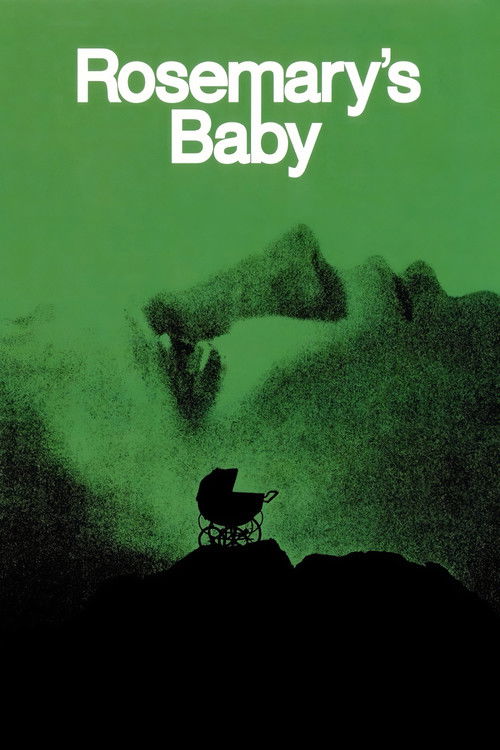
Borrowing elements from Frankenstein, The Brood, The Fly and Rosemary's Baby, director and co-writer Vincenzo Natali nevertheless makes a film that's wholly his own despite its overall Cronenberg Lite vibe.
Quicker than she can say "Rosemary's baby," there's an embryo developing in the lab tank.
Part “Frankenstein,” part “Alien,” part “Rosemary’s Baby,” part cautionary tale to not mess with Mother Nature, “Splice” is an intriguing sci-fi flick that works most of the time until it reaches its telegraphed conclusion.
Part “Frankenstein,” part “Species,” and part “Rosemary’s Baby,” the impressive horror/sci-fi/thriller “Splice” stars Adrien Brody and Sarah Polley as arrogant genetic engineers who create a new lifeform in their laboratory and try to keep it secret.
All the cliches of such films - “Species,” “Rosemary’s Baby,” “Alien,” you name it - converge in the screenplay by a trio of writers including director Vincenzo Natali (“Cube”).
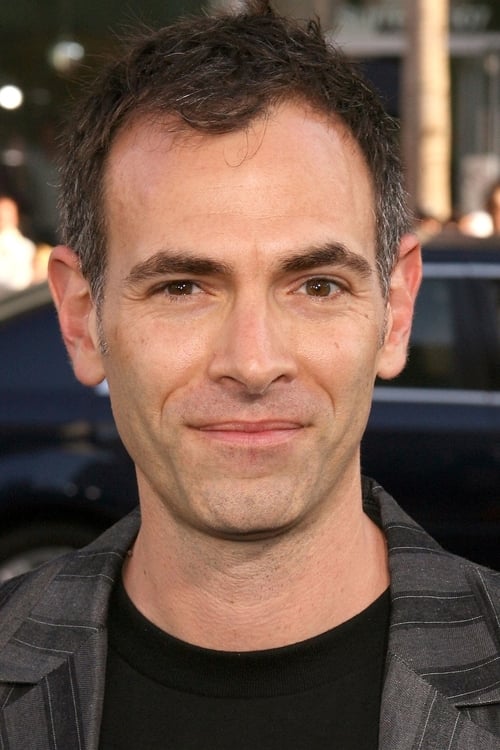
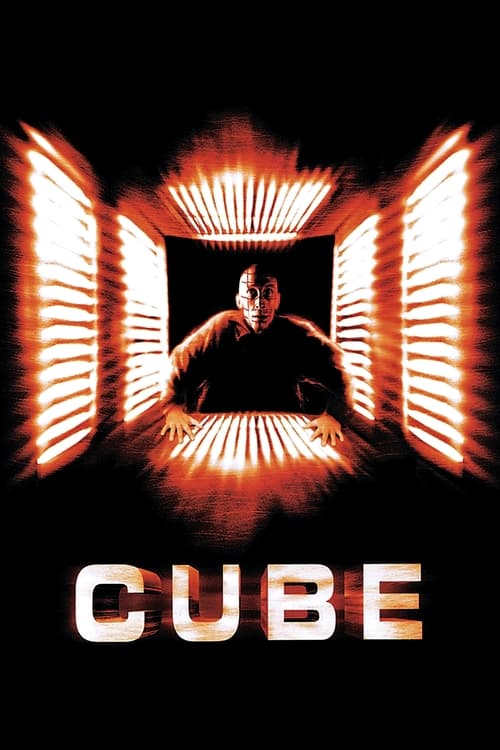
That Brody and Polleys characters are named Clive and Elsa should alert fans of old horror movies what sort of story theyre in for, and director and co-writer Vincenzo Natali (best known for the microbudgeted cult favorite Cube) doesnt let down those expecting a 21st century twist on Frankenstein.
…est known for the 1997 cult film, “Cube,” Canadian director Vincenzo Natali has spent the better part of the last decade trying to break into Hollywood as the next great sci-fi maestro.
Now it’s a major summer release with more attention and advertising than any previous film from cult favorite director Vincenzo Natali (“Cube”).
Splice director Natali is American-born and Toronto-based (he directed the 1997 stunner Cube), and here he has crafted a classic cautionary tale that works simultaneously as a thriller, love story, and meditation on what it means to be a scientist in a time in which everything is suddenly possible � at least in theory.
Directed and co-written with Dallasite Antoinette Terry Bryant by Vincenzo Natali, who made a splash in the late '90s with Cube, a low-budget yet chilling slice of sci-fi, Splice percolates with the big issues of the day without feeling forced and heavy-handed.
“Splice” was co-written and directed by Vincenzo Natali, a filmmaker who caused a bit of a stir in 1997 with his feature debut, the sci-fi head spinner “Cube,” and then kind of drifted away into the worlds of direct-to-video features and episodic TV.
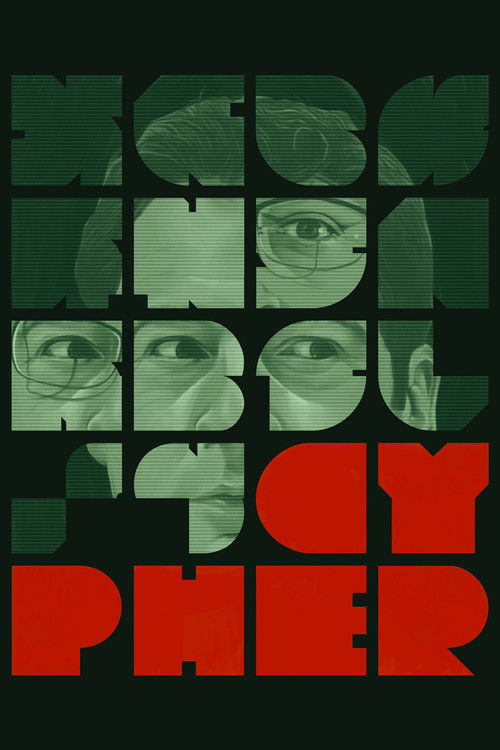
Cypher is a Philip K Dick-style spy thriller about shifting identities and corporate espionage.
But director Vincenzo Natali , who favors one-word titles ("Cypher," "Cube"), decides to focus his camera instead on the odd "family" dynamic that emerges between Elsa, Clive and specimen H-50.
Natali has always been a promising genre stylist, and even if I don't love every moment of "Cypher," "Nothing," or "Cube," those films displayed enormous promise.
In contrast to those big-budget sci-fi flicks, writer-director Vincenzo Natali (Cypher) keeps a tight focus on the way relationships evolve between the trio.
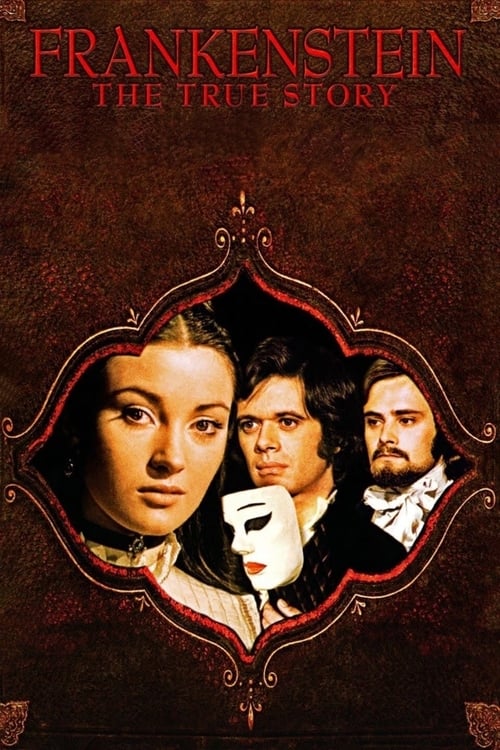
In the TV mini-series Frankenstein: The True Story (1973), writer Christopher Isherwood was one of the first authors to suggest that if a human scientist tried to create augmented life, the creature might turn out to be handsome rather than horrific - visually, if not morally.
Advertisement
The clinical twistedness of David Cronenberg and the ready chills of 2001's smashing creature-feature " Jeepers Creepers " converge in "Splice," a barrier-breaking mixture of sci-fi, horror and romantic drama that takes its inspirations seriously even as it goes off on its own wildly creative tangents.
Sarah Polley is an idiosyncratic actress with a number of terrific SF/horror performances under her belt - Dawn of the Dead (2004), eXistenZ (1999), Last Night (1998) - and she is equally good here.