
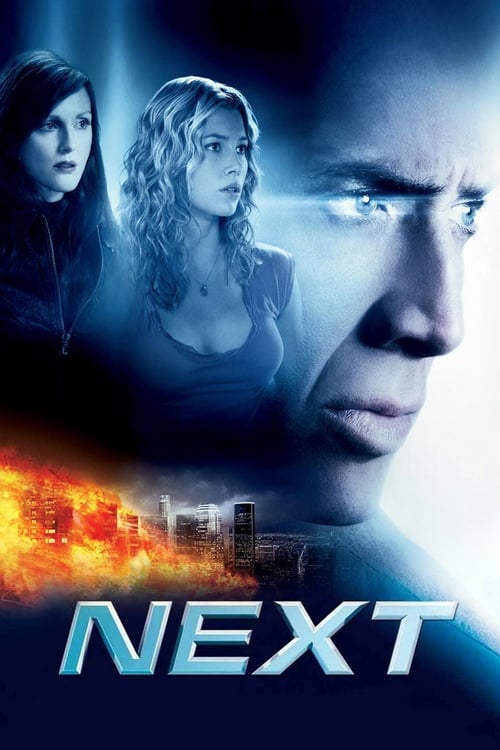
Next (2007)
Directed by Lee Tamahori
Las Vegas showroom magician Cris Johnson has a secret which torments him: he can see a few minutes into the future. Sick of the examinations he underwent as a child and the interest of the government and medical establishment in his power, he lies low under an assumed name in Vegas, performing cheap tricks and living off small-time gambling "winnings." But when a terrorist group threatens to detonate a nuclear device in Los Angeles, government agent Callie Ferris must use all her wiles to capture Cris and convince him to help her stop the cataclysm.
21 connections found
View:
21 films that influenced Next
What critics say influenced Next



The novels and stories of the late Philip K. Dick have already provided the basis for eight movies, some of them very good ("Blade Runner," "Minority Report"), some so-so at best ("Imposter," "Paycheck"), and at least one of them godawful ("Screamers").
Lee Tamahori’s film is loosely based on the Philip K. Dick story “The Golden Man,” and if you know your Dick, you know screen adaptations of his work are all over the map — just compare Blade Runner with slack crap like Paycheck.
The results have been uneven to say the least, and while Next is hardly in the same league as Blade Runner or Minority Report (2002), it’s certainly better than Impostor (2002) or Paycheck (2003), and less of a muddled drag than A Scanner Darkly (2006).
“Next” had a distinct feel of another recent P.K. Dick adaptation, “Paycheck,” which I thought was okay, but hardly a great film.
The torpid "Next" may actually trump "Paycheck" as the worst film based on a story by the late, highly regarded, science-fiction writer Philip K. Dick - whose works have been turned into "Total Recall," "Minority Report" and "Blade Runner."
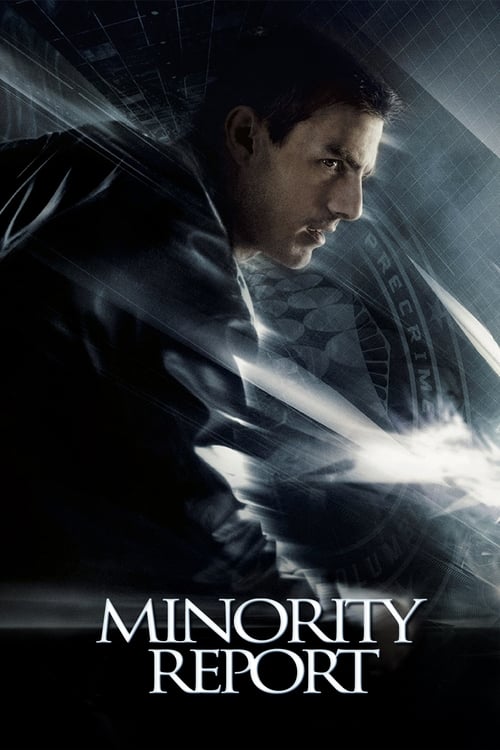
The filmmakers based the movie on a story by the late Philip K. Dick, from whose prolific writings have come such other sci-fi films as "Blade Runner" (1982), "Total Recall" (1990), "Screamers" (1995), "Impostor" (2002), "Paycheck" (2003), "A Scanner Darkly" (2006), "Next" (2007), and "Radio Free Albemuth" (2010).
The novels and stories of the late Philip K. Dick have already provided the basis for eight movies, some of them very good ("Blade Runner," "Minority Report"), some so-so at best ("Imposter," "Paycheck"), and at least one of them godawful ("Screamers").
The results have been uneven to say the least, and while Next is hardly in the same league as Blade Runner or Minority Report (2002), it’s certainly better than Impostor (2002) or Paycheck (2003), and less of a muddled drag than A Scanner Darkly (2006).
The involvement of Gary Goldman, who wrote "Total Recall" and an early version of "Minority Report," with "Next", a loose adaptation of Dick's 1954 short story "The Golden Man," is somewhat of a giveaway, but once again, these ideas are put into the capable hands of an action director, in this case "Die Another Day" director Lee Tamahori, to try to get the high concept idea across in the most entertaining way possible.
The filmmakers based the movie on a short story, "The Golden Man," by Hollywood's favorite sci-fi writer, the late Philip K. Dick ("Blade Runner," "Total Recall," "Screamers," "Minority Report," "Scanner Darkly"), but beyond the basic idea, they didn't appear to do much with it except turn it into one long chase.
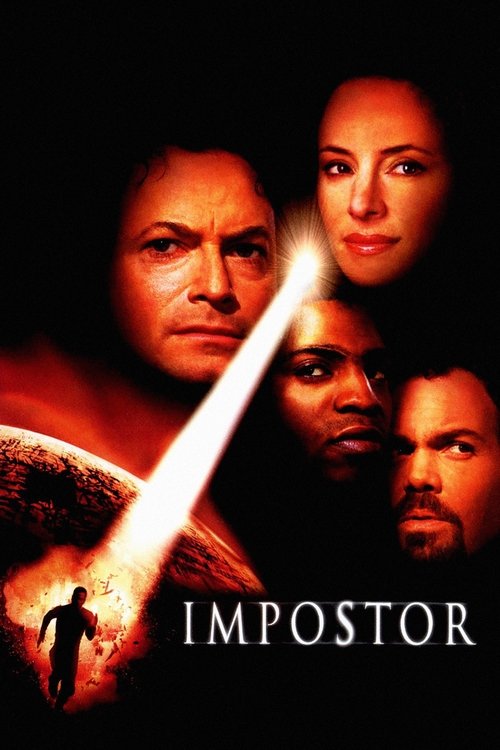
The results have been uneven to say the least, and while Next is hardly in the same league as Blade Runner or Minority Report (2002), it’s certainly better than Impostor (2002) or Paycheck (2003), and less of a muddled drag than A Scanner Darkly (2006).
Fresh from last year's noble misfire of A Scanner Darkly, and with the memories of Payback and Impostor still scorching the psyche, comes possibly the most egregious befouling of Dick's work to date.
“Next,” based on Dick’s “The Golden Man,” is the latest adaptation, and while it’s no “Minority Report” or “Blade Runner,” at least it’s no “Impostor” or “Paycheck,” either.

In the movie's production notes, he asserts the inspiration of such high-toned pictures as "Hiroshima mon amour" and Wong Kar-Wai's "Happy Together."
Advertisement
The novels and stories of the late Philip K. Dick have already provided the basis for eight movies, some of them very good ("Blade Runner," "Minority Report"), some so-so at best ("Imposter," "Paycheck"), and at least one of them godawful ("Screamers").
Lee Tamahori’s film is loosely based on the Philip K. Dick story “The Golden Man,” and if you know your Dick, you know screen adaptations of his work are all over the map — just compare Blade Runner with slack crap like Paycheck.
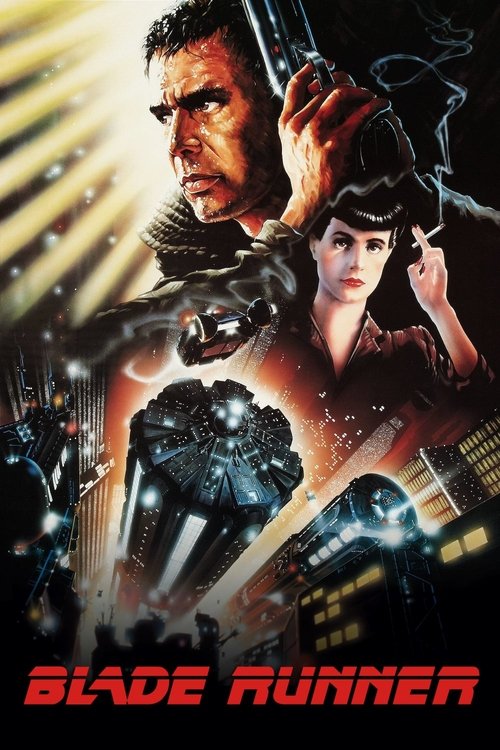
Ever since Ridley Scott turned Dick’s “Do Androids Dream of Electric Sheep?” into Blade Runner (1982), the movies have been pretty keen on Dick—or at least on the prospect of turning his stories into pop-culture gold.
In fact, this may be one of the first Dick adaptations since "Blade Runner" that might warrant some form of sequel, although who knows what they'd be able to call it?
The filmmakers based the movie on a short story, "The Golden Man," by Hollywood's favorite sci-fi writer, the late Philip K. Dick ("Blade Runner," "Total Recall," "Screamers," "Minority Report," "Scanner Darkly"), but beyond the basic idea, they didn't appear to do much with it except turn it into one long chase.

The novels and stories of the late Philip K. Dick have already provided the basis for eight movies, some of them very good ("Blade Runner," "Minority Report"), some so-so at best ("Imposter," "Paycheck"), and at least one of them godawful ("Screamers").
The filmmakers based the movie on a short story, "The Golden Man," by Hollywood's favorite sci-fi writer, the late Philip K. Dick ("Blade Runner," "Total Recall," "Screamers," "Minority Report," "Scanner Darkly"), but beyond the basic idea, they didn't appear to do much with it except turn it into one long chase.
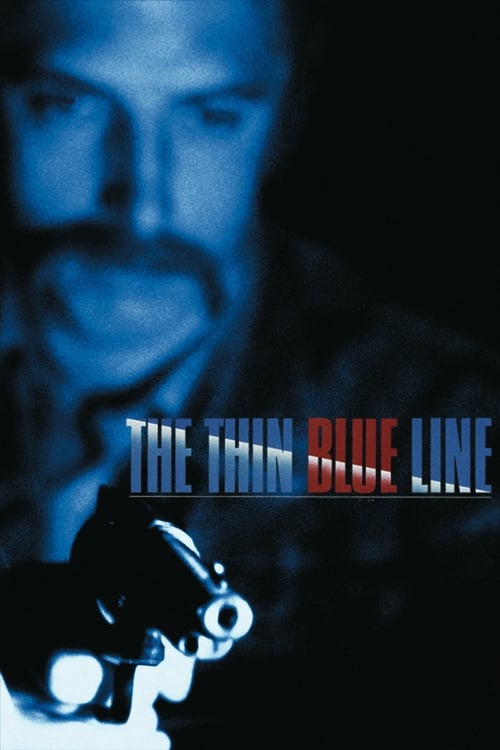
The presiding influence, however, is clearly the work of documentarian Erroll Morris, in particular his disturbing 1988 classic, "The Thin Blue Line."
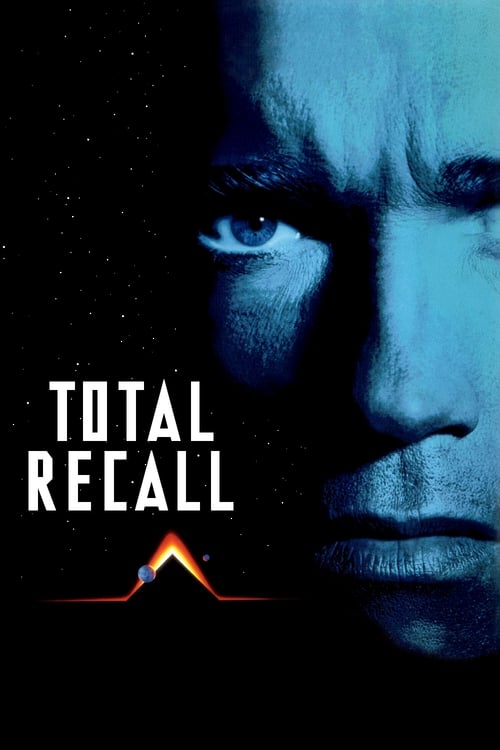
For this curious project, writer and producer Gary Goldman (who'd previously worked on "Minority Report" and "Total Recall," another PKD-based movie) acquired the rights to a 1954 Dick short story called "The Golden Man." Then he threw away the story, replaced it with an unrelated narrative of his own devising, changed the title, and shopped the resulting property to Saturn Films, a production company run by Nicolas Cage.
The involvement of Gary Goldman, who wrote "Total Recall" and an early version of "Minority Report," with "Next", a loose adaptation of Dick's 1954 short story "The Golden Man," is somewhat of a giveaway, but once again, these ideas are put into the capable hands of an action director, in this case "Die Another Day" director Lee Tamahori, to try to get the high concept idea across in the most entertaining way possible.
The filmmakers based the movie on a short story, "The Golden Man," by Hollywood's favorite sci-fi writer, the late Philip K. Dick ("Blade Runner," "Total Recall," "Screamers," "Minority Report," "Scanner Darkly"), but beyond the basic idea, they didn't appear to do much with it except turn it into one long chase.
Dick’s stories have been the basis or inspiration for hits like “Blade Runner” and “Total Recall.”
The torpid "Next" may actually trump "Paycheck" as the worst film based on a story by the late, highly regarded, science-fiction writer Philip K. Dick - whose works have been turned into "Total Recall," "Minority Report" and "Blade Runner."
Advertisement
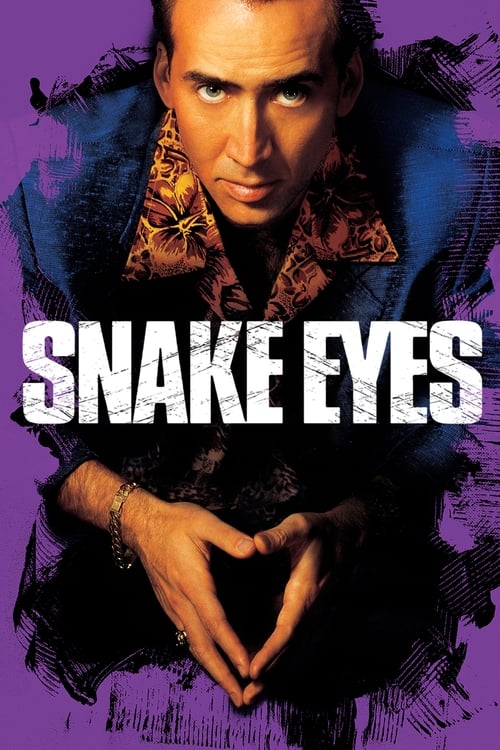
When Cris realizes he's about to be pulled from the 21 table, he makes haste (in a surprisingly well choreographed bit that recalls the opening of the Atlantic City-set "Snake Eyes") to cash out his chips, but it is his misfortune to witness a double murder holdup at the counter before it happens.
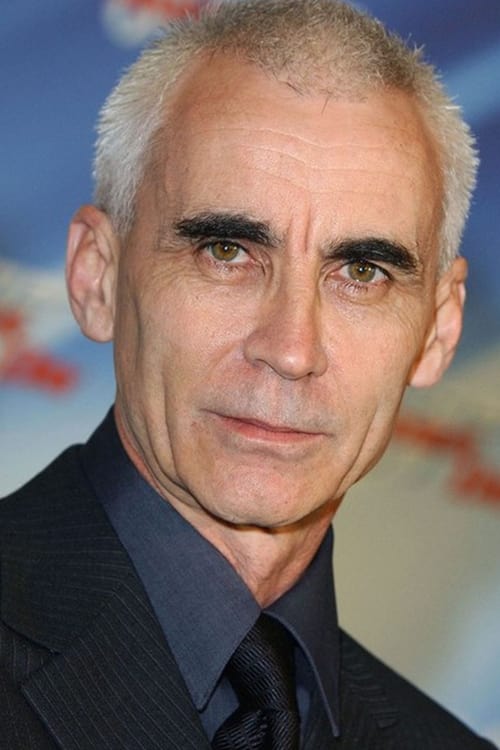
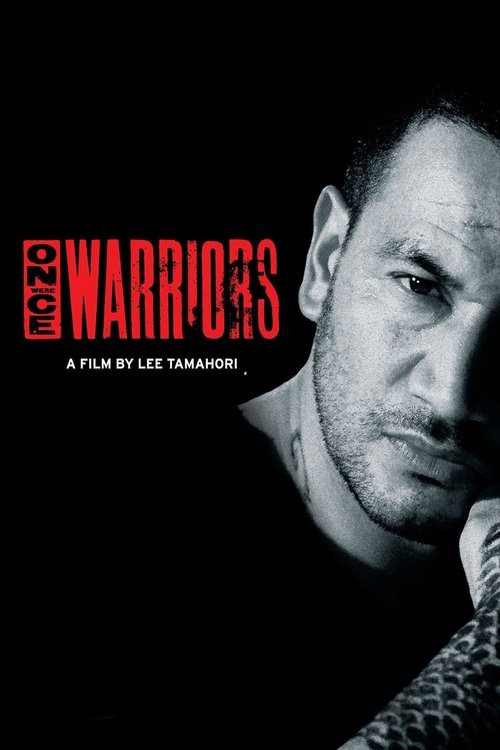
"Next" was directed by Lee Tamahori, whose movies include "XXX: State of the Union" and "Die Another Day," as well as the Maori-family drama "Once Were Warriors."
Director Lee Tamahori ("Once Were Warriors," "Die Another Day") stages the action well.
Director Lee Tamahori long ago forsook the humanity of his breakthrough film "Once Were Warriors" for the assembly-line action-film antics of "XXX: State of the Union" and "Die Another Day," but "Next" is his nadir.
With movies like Once Were Warriors, Die Another Day and xXx: State of the Union, it was not a stretch for director Lee Tamahori to handle the action and terrorist aspects of the film.
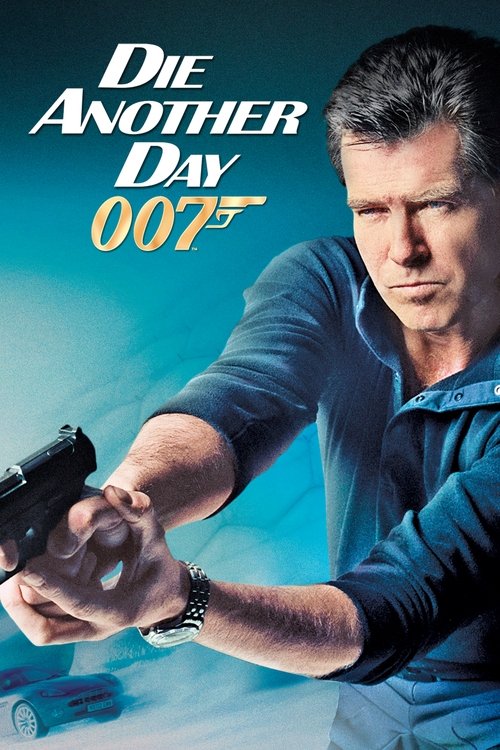
Lee Tamahori ("Die Another Day"/"The Edge") directs a watchable but one hell of a dumb hybrid action and supernatural thriller, that has gigantic plot holes, risible dialogue, an unsatisfactory twisty premise and an even more unsatisfying ending.
You can't really say “no matter” to such annoyances, but in this case “little matter” is acceptable, as director Lee Tamahori (“Die Another Day”) moves things along lickety-split and has a whale of a time doing so.
"Next" was directed by Lee Tamahori, whose movies include "XXX: State of the Union" and "Die Another Day," as well as the Maori-family drama "Once Were Warriors."
The involvement of Gary Goldman, who wrote "Total Recall" and an early version of "Minority Report," with "Next", a loose adaptation of Dick's 1954 short story "The Golden Man," is somewhat of a giveaway, but once again, these ideas are put into the capable hands of an action director, in this case "Die Another Day" director Lee Tamahori, to try to get the high concept idea across in the most entertaining way possible.
The director is Lee Tamahori, whose previous film credits include "xXx: State of the Union," "Die Another Day," "Along Came a Spider," and "Mulholland Falls," so we know where he's coming from.
Coming off the bland Die Another Day, the dreadful xXx: State of the Union and an embarrassing solicitation bust, Next certainly doesn't help quell concerns about the future of director Lee Tamahori's Hollywood career.While Next has a few fun and inventive moments sprinkled throughout, mostly revolving around the use of Cris' power, it collapses into an exhausting litany of action movie clichés before exposing itself as a total mindjob in the end.
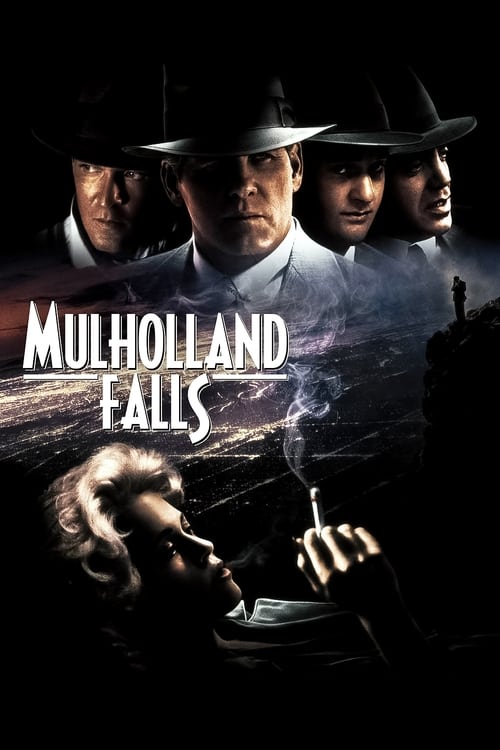
The director is Lee Tamahori, whose previous film credits include "xXx: State of the Union," "Die Another Day," "Along Came a Spider," and "Mulholland Falls," so we know where he's coming from.
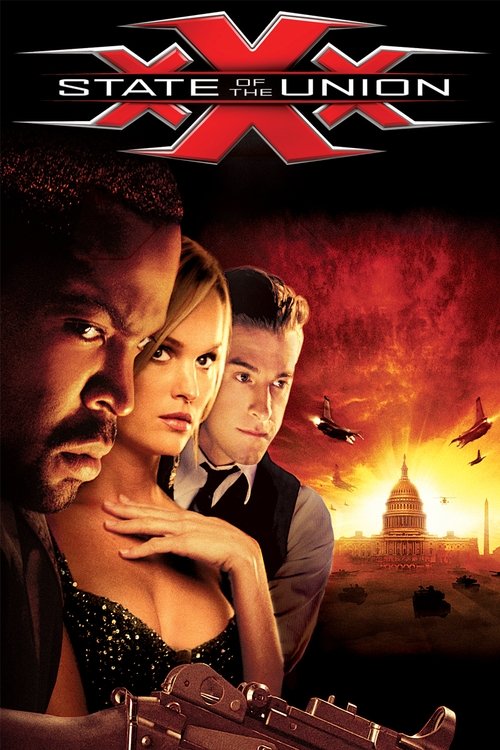
"Next" was directed by Lee Tamahori, whose movies include "XXX: State of the Union" and "Die Another Day," as well as the Maori-family drama "Once Were Warriors."
Coming off the bland Die Another Day, the dreadful xXx: State of the Union and an embarrassing solicitation bust, Next certainly doesn't help quell concerns about the future of director Lee Tamahori's Hollywood career.While Next has a few fun and inventive moments sprinkled throughout, mostly revolving around the use of Cris' power, it collapses into an exhausting litany of action movie clichés before exposing itself as a total mindjob in the end.
Director Lee Tamahori long ago forsook the humanity of his breakthrough film "Once Were Warriors" for the assembly-line action-film antics of "XXX: State of the Union" and "Die Another Day," but "Next" is his nadir.
Lee Tamahori has helmed such thrill rides as Die Another Day and XXX: State of the Union and while these movies could be characterized as just as vacant as Next , at least you know the action sequences are going to deliver.
With some bland action sequences – one almost wishes for Michel Bay’s presence as Lee Tamahori of Tomorrow Never Dies and xXx: State of the Union fame clearly doesn’t seem up to the task.
With movies like Once Were Warriors, Die Another Day and xXx: State of the Union, it was not a stretch for director Lee Tamahori to handle the action and terrorist aspects of the film.