
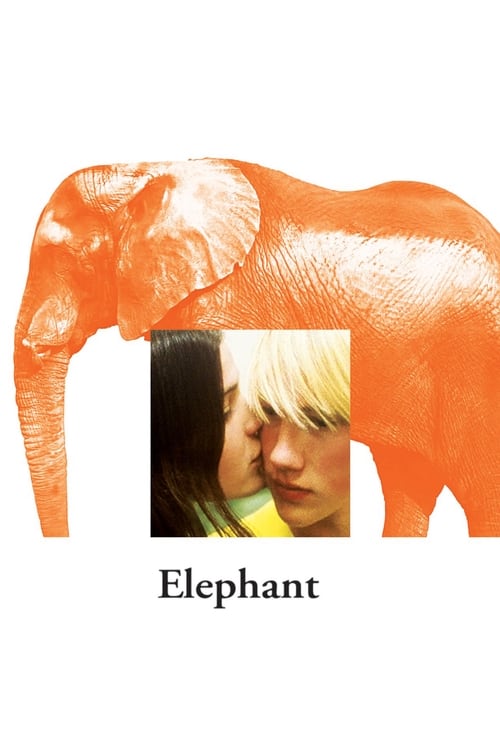
Elephant (2003)
Directed by Gus Van Sant
Several ordinary high school students go through their daily routine as two others prepare for something more malevolent.
27 connections found
View:
27 films that influenced Elephant
What critics say influenced Elephant
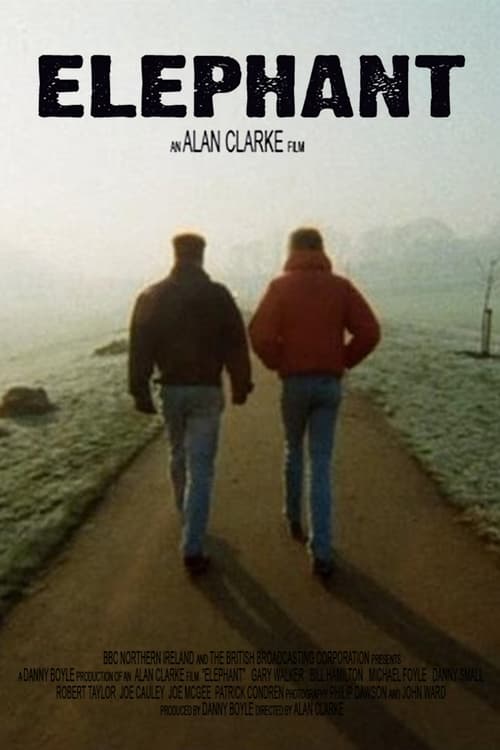


Along with the photographer William Eggleston and filmmaker Alan Clarke (whose 1989 TV film on Irish sectarian violence gave Elephant its title), the veteran American documentarian is cited by Van Sant as a major influence.
Filmed in long, languorous travelling shots (like Van Sant's Gerry, it's influenced by Béla Tarr, as well as the Alan Clarke film about sectarian murders from which the director took his title), sometimes slowing almost imperceptibly to savour a fleeting emotion, Elephant sucks us into the lives of some half dozen students.
The title comes from Alan Clarkes 1989 BBC short "Elephant," which is about school violence in Northern Ireland; Clarke is alluding to the saying that such a problem is as easy to ignore as an elephant in a living room.
It's ironic, perhaps, that shortly after Elephant's initial limited release in the States, Columbine authorities released a long sat-on videotape of Eric Harris and Dylan Klebold, with a couple of friends, target-practicing off in the woods.

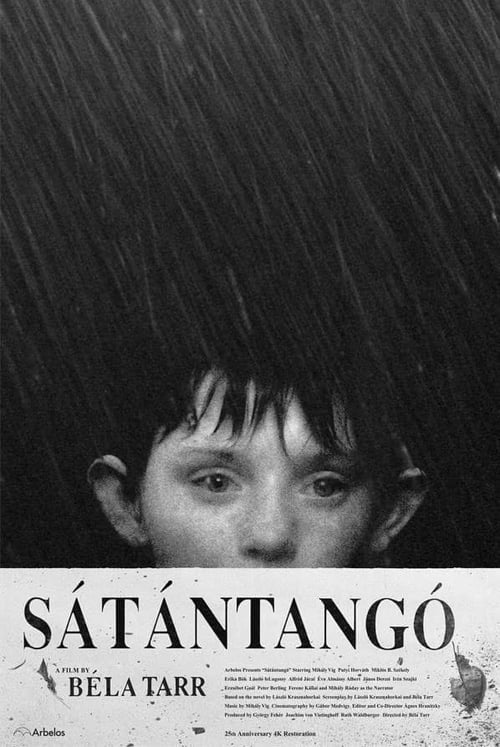
Many of the scenes occur simultaneously and certain moments cross over from one scene to the next; Gus Van Sant, a fan of Tarr's, tried the same technique on a much smaller scale in his Elephant (2003).
From Tarr's Satantango (1994) comes a complicated overlapping time structure that repeats the same events from a variety of viewpoints, seen mainly in extended takes that follow characters as they walk through adjacent settings.
Along with the Bela Tarr-inspired long tracking shots, Van Sant also makes Elephant non-chronological as the same events are sometimes seen multiple times from different characters perspectives a narrative technique Tarr used in his masterpiece, Satantango .
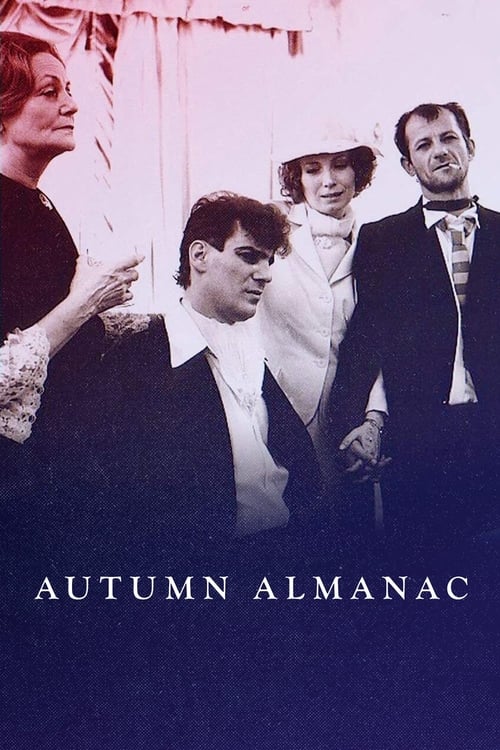
But Van Sant’s Gerry is to Béla Tarr’s Werckmeister Harmonies as Elephant is to Almanac of Fall : an ethereal evocation of life under siege by the enigma of high school violence.

But Van Sant’s Gerry is to Béla Tarr’s Werckmeister Harmonies as Elephant is to Almanac of Fall : an ethereal evocation of life under siege by the enigma of high school violence.

The opening scene, with golden leaves skittering along the chartered streets and front yards of a nowhere Portland suburb, recalls the beginning of John Carpenters Halloween.
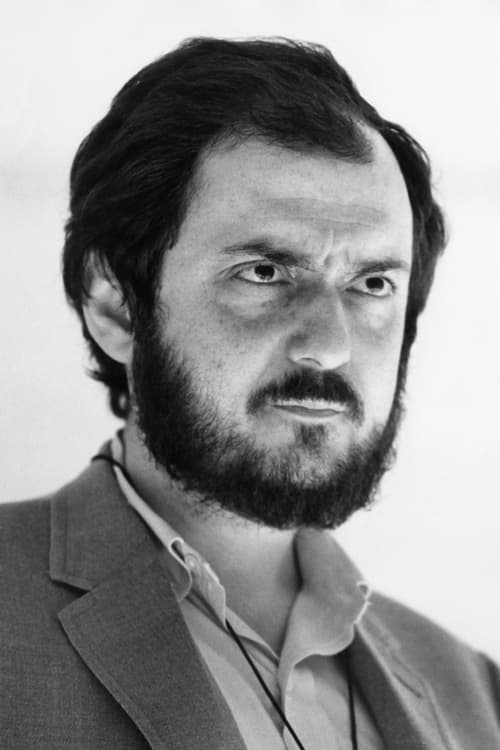
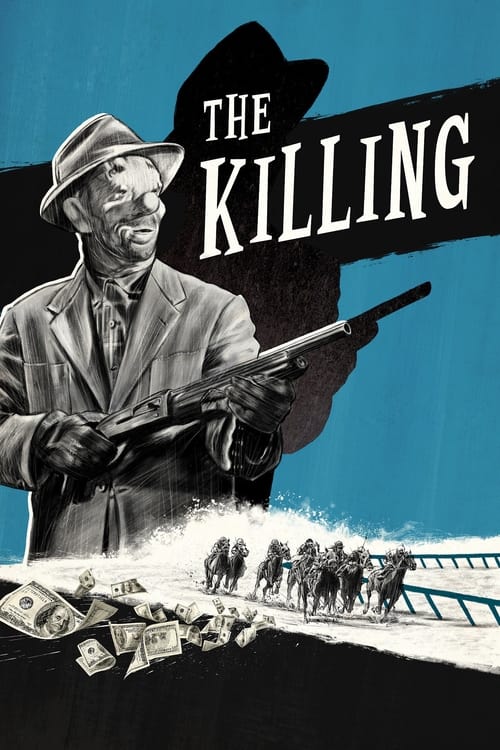
(Stanley Kubrick's 1956 The Killing also repeats the same events from disparate viewpoints, but with offscreen narration and without all the walking and intersecting trajectories.)
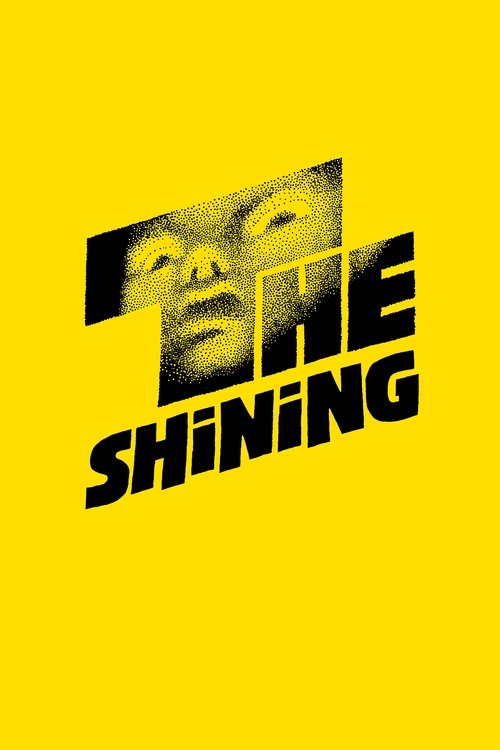
From Kubrick's The Shining (1980) comes the traversal of endless hallways, a sense of impending menace and bloodshed, a black male calmly and methodically coming to the rescue of those in danger until he's abruptly thwarted, and a food locker used as a place to hide.
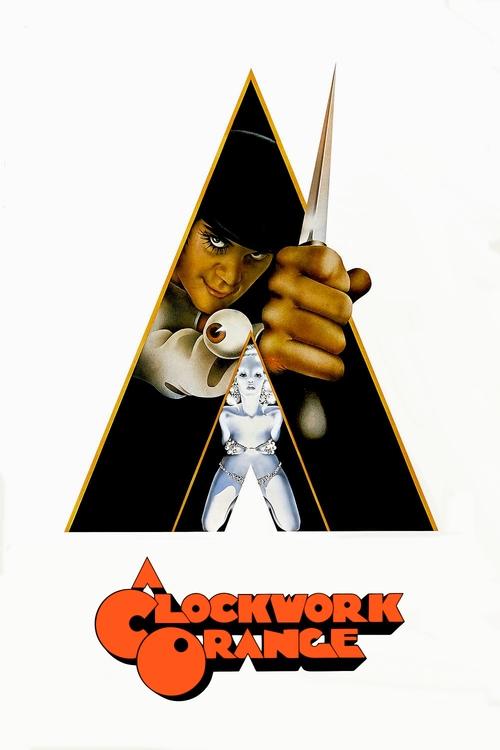
It's also worth noting that Alex is the name of the brutal antihero of "A Clockwork Orange," another movie that dared to look random violence straight in the eye.
Advertisement
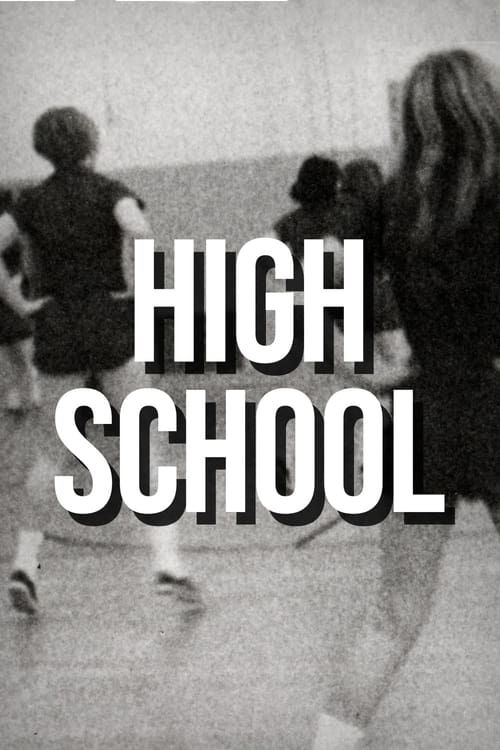
"Since this movie is set in a high school," says Van Sant, "and Wiseman made a movie called High School, there are repercussions or remembrances of his students going through the halls between their classes.
The school looks depressingly ordinary, from the naked walls to the staff (Matt Malloy, best known for playing Aaron Eckhart's buddy in "In The Company of Men", is the only known actor in this movie.)…

The gruesome climax of Noé's previous movie, "I Stand Alone," was preceded by a flourish right out of William Castle, a blinking red "WARNING!"
Theaters no longer pass out barf bags as they did for "Mark of the Devil," but the ads for Gaspar Noé's "Irreversible" made sure to mention the couple of hundred audience members who stormed out of the film's Cannes screening during the nine-minute unbroken-take rape scene.
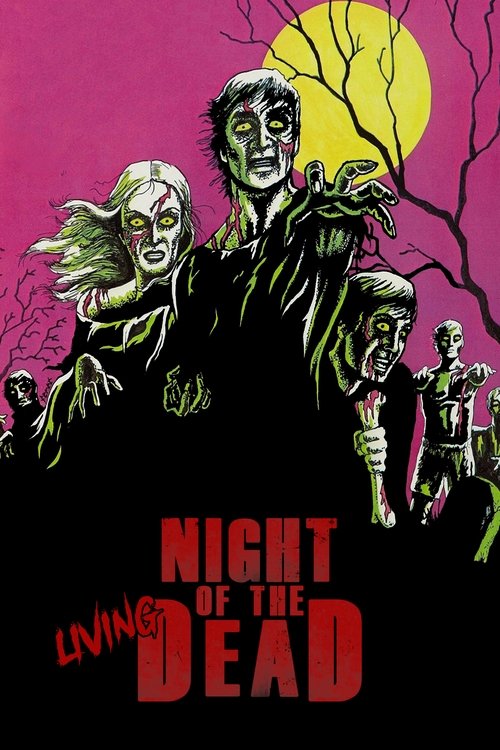
Our films are reflecting some of that fallout now with a string of evil child movies ( The Ring , Identity , 28 Days Later... ) that, unlike the evil child movies of the '60s and early-'70s (Night of the Living Dead, Rosemary's Baby, The Exorcist , Don't Look Now), refuse to offer an escape clause for the foulness of their kinder noir.
Advertisement
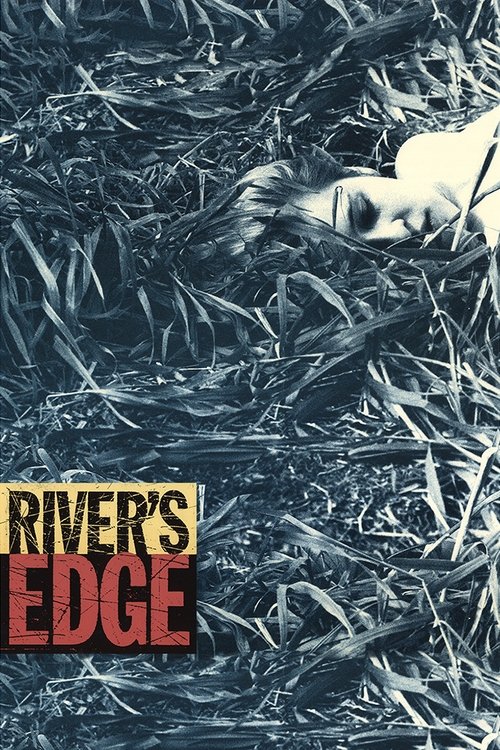
"Elephant" is in a line of descent from "troubled teen" movies like "River's Edge" and "Kids," pictures that are designed to appeal to both the hipsters in the art house audience and Op-Ed writers who never miss a chance to bloviate on a pressing social problem.
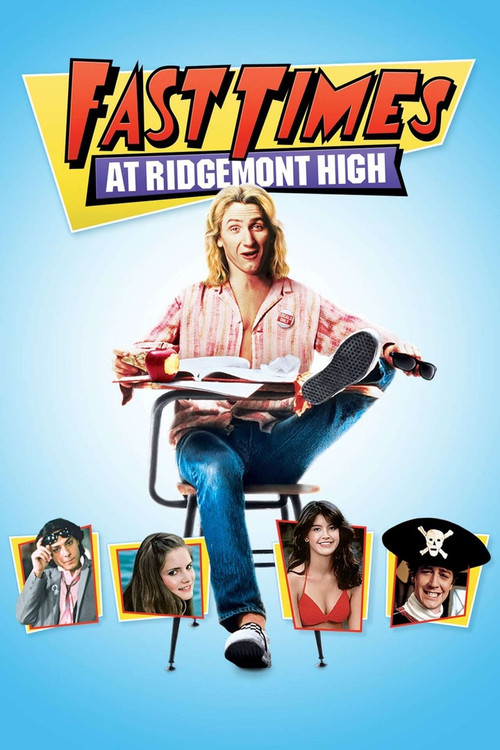
But nothing in it rings as true as the best moments in "Fast Times at Ridgemont High" or "Carrie" or the early seasons of "Buffy the Vampire Slayer."