
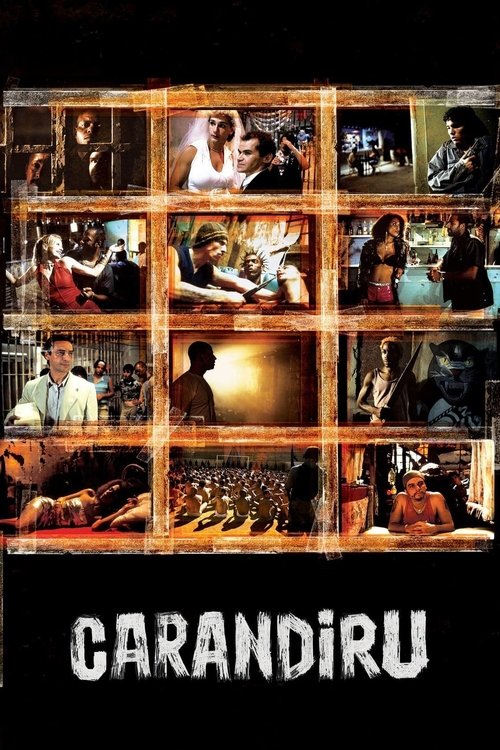
Carandiru (2003)
Directed by Héctor Babenco
When a doctor decides to carry out an AIDS prevention program inside Latin America’s largest prison: the Casa de Detenção de São Paulo - Carandiru, he meets the future victims of one of the darkest days in Brazilian History when the State of São Paulo’s Military Police, with the excuse for law enforcement, shot to death 111 people. Based on real facts and on the book written by Dráuzio Varella.
10 connections found
View:
10 films that influenced Carandiru
What critics say influenced Carandiru



This is the first of the movie's garish set pieces, and it's particularly funny in a way that Paddy Chayefsky could be in his scripts for "The Hospital" and "Network."


In 2003 he returned to the homeless and helpless of Brazil with "Carandiru," set in the most notorious prison in Brazil and once again showing transvestites and thieves forming their own society in opposition to the corruption of the system.
This new movie, though, is his mightiest and tenderest since 1981's street urchin expose "Pixote."
Babenco, who first drew international attention 23 years ago with Pixote, a controversial portrait of Brazilian street kids, really excels here, burrowing deeper into the beast than he has ever burrowed before.
HeHector Babenco (Pixote) directed this earnest but bland account of the lives of the denizens of a Brazilian prison during the weeks before armed security forces, responding to a prisoner uprising, overran the place and massacred the inmates.
Returning to ground he covered previously in Pixote (1981) and Kiss of the Spider Woman (1985), Hector Babenco crafts a lopsided diptych: The first, more expansive part eventually unfolds as a series of picaresque episodes as told to the kindly on-site doctor (Luiz Carlos Vasconcelos); the second panel essays a grisly re-creation of the riot that ended in the early morning hours of October 3, 1992, when police killed 111 unarmed, penned-in prisoners.
Argentine director Hector Babenco's ninth film, Carandiru is his fourth that, at least in an ancillary fashion, has something to do with prison (the others being Lució Flávio, Pixote, and Kiss of the Spider Woman), and it's easily the least of them, justifying the men-behind-bars tropes and queen stereotypes by hiding behind its ostensible basis in Dráuzio Varella's non-fiction fiction.

Passages in "Carandiru" play like a less melodramatic correction of the imprisoned macho-drag queen stuff he tried to pull off almost 20 years ago in "Kiss of the Spider Woman."
Returning to ground he covered previously in Pixote (1981) and Kiss of the Spider Woman (1985), Hector Babenco crafts a lopsided diptych: The first, more expansive part eventually unfolds as a series of picaresque episodes as told to the kindly on-site doctor (Luiz Carlos Vasconcelos); the second panel essays a grisly re-creation of the riot that ended in the early morning hours of October 3, 1992, when police killed 111 unarmed, penned-in prisoners.
Carandiru is based on the best-selling book Carandiru Station by Drauzio Varella (168 weeks on Brazil�s best-seller list) and realized by filmmaker Hector Babenco, who knows prison drama intimately (Kiss of the Spider Woman).�…
But in the hands of Hector Babenco, whose "Kiss of the Spider Woman" remains one of the best prison movies ever, the genre takes on a new -- and legitimate -- meaning.
Argentine director Hector Babenco's ninth film, Carandiru is his fourth that, at least in an ancillary fashion, has something to do with prison (the others being Lució Flávio, Pixote, and Kiss of the Spider Woman), and it's easily the least of them, justifying the men-behind-bars tropes and queen stereotypes by hiding behind its ostensible basis in Dráuzio Varella's non-fiction fiction.
Babenco had his greatest international success with Kiss of the Spider Woman (1985), another story about prison as both a reality and a state of mind, yet his personal investment in Carandiru runs deeper than that.

Babenco is the gifted director of " Pixote ," "Kiss Of The Spider Woman" and " At Play In The Fields Of The Lord ."
It wasn't an answer I expected from the self-taught director of such socially vital films as "Pixote" and "At Play In The Fields of The Lord," but his self-possessed candor made me rethink why I had asked the question in the first place.

The truth is, Babenco -- who broke through to world prominence with "Pixote" in 1981, had an American career ("Kiss of the Spider Woman," "Ironweed") and then returned to Brazil -- isn't as good as the much younger Meirelles.
The widespread success of “Pixote” opened doors to Hollywood that enabled Babenco to make “Kiss Of The Spider Woman” (1985), “Ironweed,” (1987) and “At Play In The Fields Of The Lord” (1991).

This is the first of the movie's garish set pieces, and it's particularly funny in a way that Paddy Chayefsky could be in his scripts for "The Hospital" and "Network."
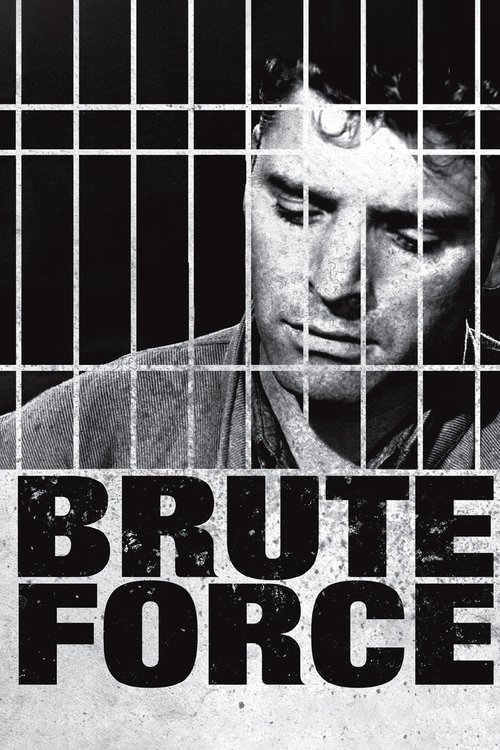
That carnival atmosphere comes off as a fragrant bouquet of patronizing pap that revels in its sordidness yet feels curiously naïve--"Oz" by a creative team that doesn't appear to know that the bar on prison dramas has been raised since Brute Force.
Advertisement

The film is so brutal it sometimes makes HBO's "Oz" seem like "Jailhouse Rock."

Essentially, this is a Short Cuts-style multistrand drama featuring a series of interlocking stories and strongly engaging characters.
Recent films from Lula's land burn with a seething nihilism born of ancient vendetta (Behind the Sun, The Three Marias) or deranging poverty (City of God, Bus 174).
It may have some of the electric energy and vitality of another Brazilian thriller, the acclaimed "City of God," but "Carandiru" actually has a lot more in common with the now-defunct HBO series "Oz."
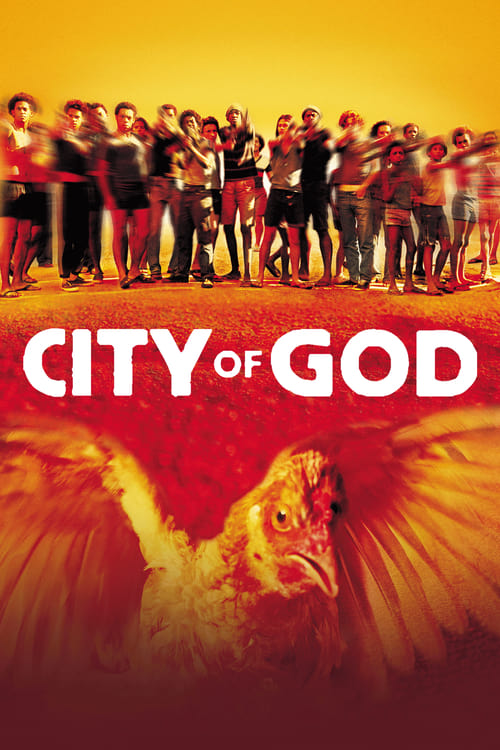
In its narrative sweep the film calls to mind City of God, Katia Lund and Fernando Meirelles's epic crime saga set in a Brazilian ghetto (which was still in postproduction when Babenco started shooting).
With all the fire raging in the belly of recent Brazilian cinema, we start to expect every movie Rio sends our way to spark with the inner-city documentary urgency of "Bus 174," buzz with the best-director-Oscar-nominated energy of "City of God" and flow with the heedless abandon of the gangster drama "The Man of the Year."
The second is clearly Fernando Meirelles' great "City of God" (2002), set not in a prison but a Brazilian slum and chronicling three generations of thug life like a vast 19th-century novel, conjuring fathers and sons and grandsons as they struggled to survive in an environment where life is cheap, violence common and pleasure fleeting.
They could be the delinquents, now grown, from Babenco's 1981 "Pixote" or the absent fathers of the baby thugs depicted in "City of God."