

Kiss of the Spider Woman (1985)
Directed by Héctor Babenco
The story of two radically different men thrown together in a Latin American prison cell. One is Valentin, a journalist being tortured for his political beliefs. The other is Molina, a gay window-dresser who fills their lonely nights by spinning romantic fantasies drawn from memories of old movies.
3 connections found
View:
3 connections, in both directions
What critics compared Kiss of the Spider Woman to



Finally, Kovak develops a pseudo-romantic relationship with a lovely, undercover journalist (Alice Braga, niece of Brazilian actress Sonia Braga of Kiss of the Spider Woman fame) out to expose "the truth" about exorcisms.
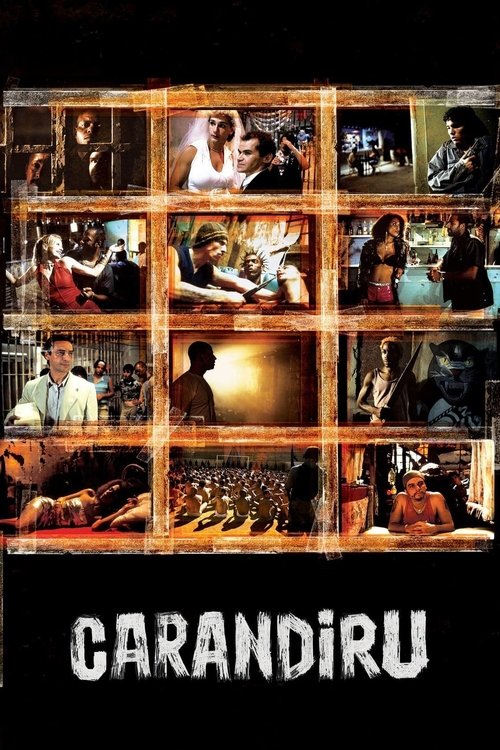
Passages in "Carandiru" play like a less melodramatic correction of the imprisoned macho-drag queen stuff he tried to pull off almost 20 years ago in "Kiss of the Spider Woman."
Returning to ground he covered previously in Pixote (1981) and Kiss of the Spider Woman (1985), Hector Babenco crafts a lopsided diptych: The first, more expansive part eventually unfolds as a series of picaresque episodes as told to the kindly on-site doctor (Luiz Carlos Vasconcelos); the second panel essays a grisly re-creation of the riot that ended in the early morning hours of October 3, 1992, when police killed 111 unarmed, penned-in prisoners.
Carandiru is based on the best-selling book Carandiru Station by Drauzio Varella (168 weeks on Brazil�s best-seller list) and realized by filmmaker Hector Babenco, who knows prison drama intimately (Kiss of the Spider Woman).�…
But in the hands of Hector Babenco, whose "Kiss of the Spider Woman" remains one of the best prison movies ever, the genre takes on a new -- and legitimate -- meaning.
Argentine director Hector Babenco's ninth film, Carandiru is his fourth that, at least in an ancillary fashion, has something to do with prison (the others being Lució Flávio, Pixote, and Kiss of the Spider Woman), and it's easily the least of them, justifying the men-behind-bars tropes and queen stereotypes by hiding behind its ostensible basis in Dráuzio Varella's non-fiction fiction.
Babenco had his greatest international success with Kiss of the Spider Woman (1985), another story about prison as both a reality and a state of mind, yet his personal investment in Carandiru runs deeper than that.

Perhaps Eddie and Martin realized that the scene opened a can of worms labelled Kiss of the Spider Woman, because beyond that, the question of men lovin' men is mostly avoided.