
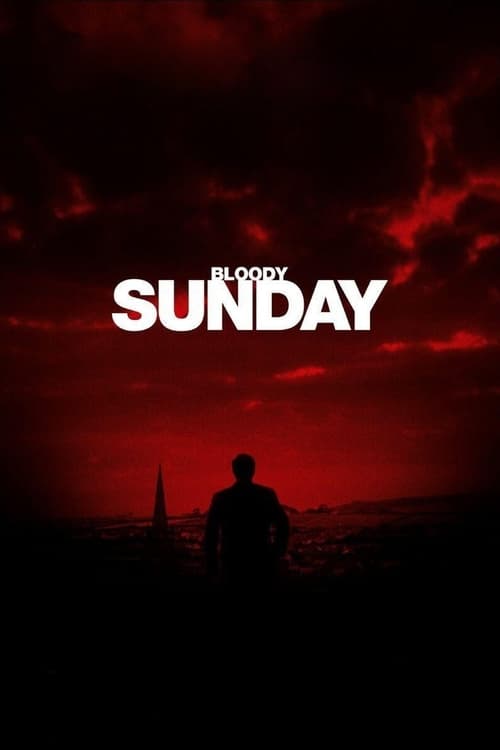
Bloody Sunday (2002)
Directed by Paul Greengrass
The dramatised story of the Irish civil rights protest march on January 30 1972 which ended in a massacre by British troops.
8 connections found
View:
8 connections, in both directions
What critics compared Bloody Sunday to
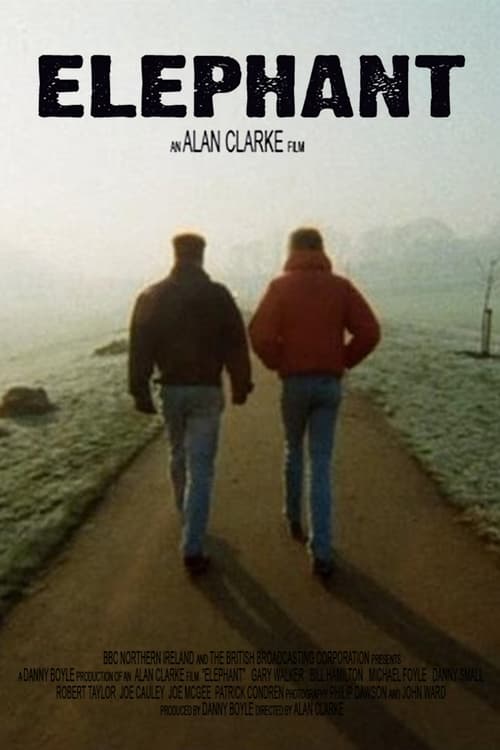


Broadcasts of fictional works by BBC directors like Mike Leigh (Four Days in July) and Alan Clarke (Contact, about British soldiers in South Armagh's "Bandit Country," and Elephant, a brutally minimalist depiction of 18 sectarian shootings, one after another) were routinely denounced by right-wingers who freely admitted not having seen them, then rescheduled in the wee small hours.
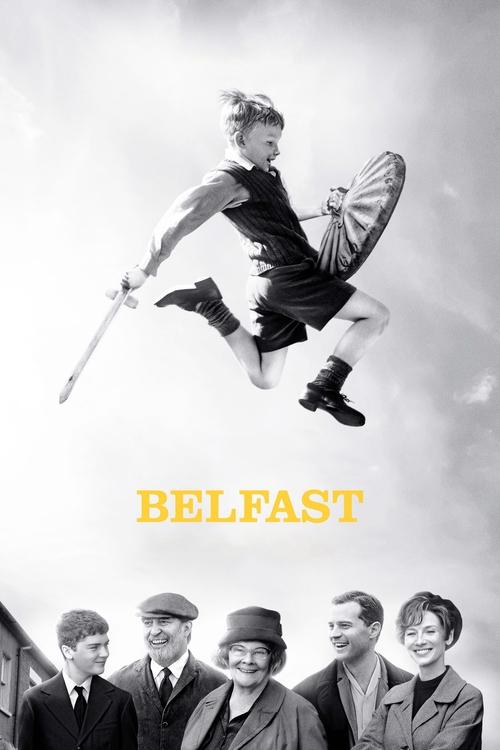
The likes of Yann Demange’s pulse-pounding thriller ’71 and Paul Greengrass’s Bloody Sunday provide a more intense representation of the time period, but Belfast goes in the other direction.
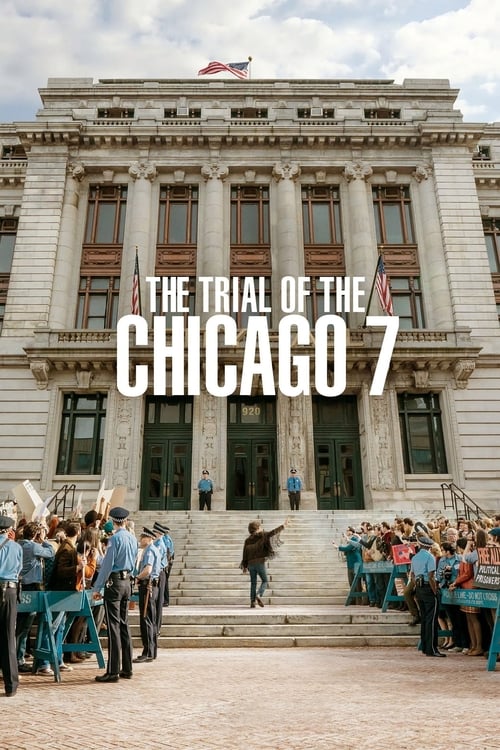
My only real problem with “The Trial of the Chicago 7” is that it tells a story that kind of calls out for a slightly bolder and more adventurous treatment than it has been afforded here—it might have been interesting to see what Paul Greengrass, whose films include such true stories as “Bloody Sunday,” “United 93” and “22 July,” might have made of it.
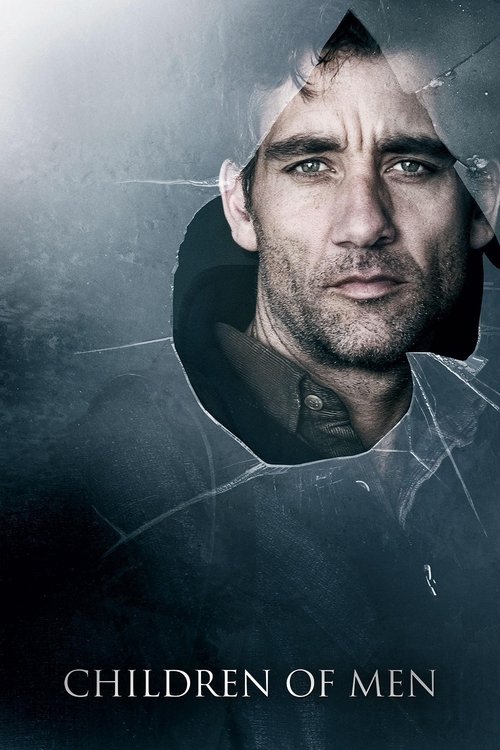
During the Wagnerian climax, as London finally succumbs to the revolutionary tumult simmering in its streets, Children of Men immerses into the thick of a war zone with the nerve-shattering hyperrealism of The Battle of Algiers or Paul Greengrass’ Bloody Sunday or the opening scenes of Saving Private Ryan.
Advertisement
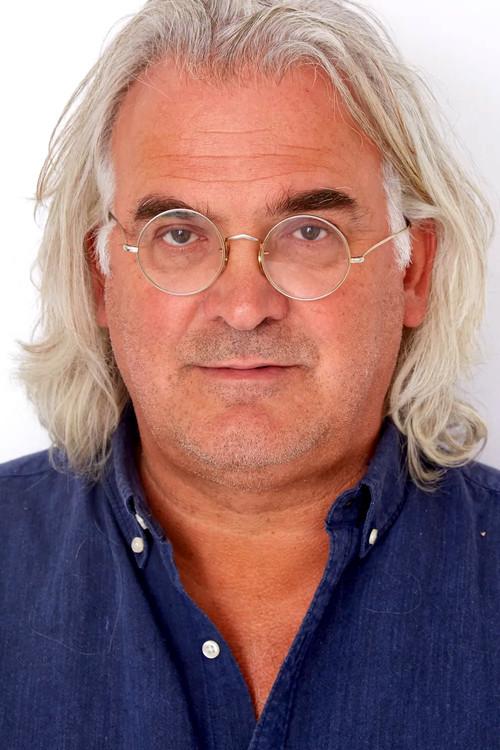
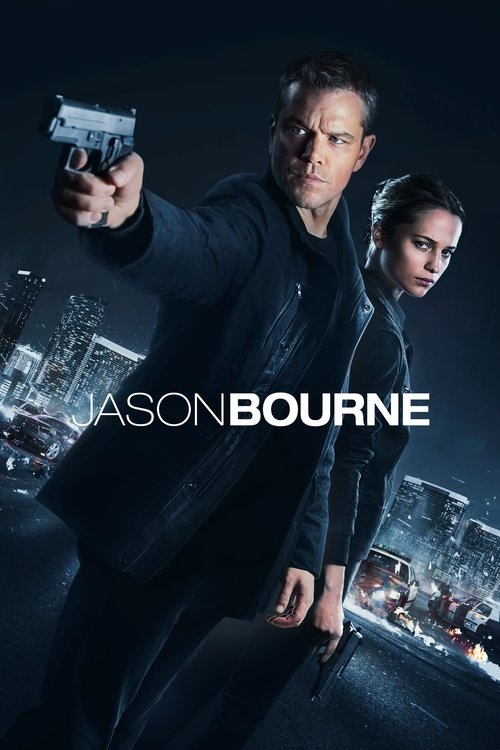
Greengrass scripted his excellent films “United 93” and “Bloody Sunday,” but both were heavily based on real events.
With 2004’s espionage sequel The Bourne Supremacy , director Paul Greengrass changed the face of popcorn thrillers, combining the docudrama grit of Bloody Sunday with super-slick thrills that left the Bond franchise in the dust.
It’s the most breathless Greengrass (“United 93”, “Bloody Sunday”) movie yet, as he sets a new Olympic record for the Bourne blur of edits and handheld camera shots that create two hours of almost headache-inducing perpetual chase.
There are few better than Paul Greengrass (Captain Phillips, Bloody Sunday) to direct the story’s jagged narrative twists and full-bore action.
The first big action beat plays out in the midst of a unrelated, violent clash between Greek protesters and police, and underscores the director’s skill (dating clear back to Bloody Sunday ) for staging big scenes in the midst of chaos, without losing control of them.
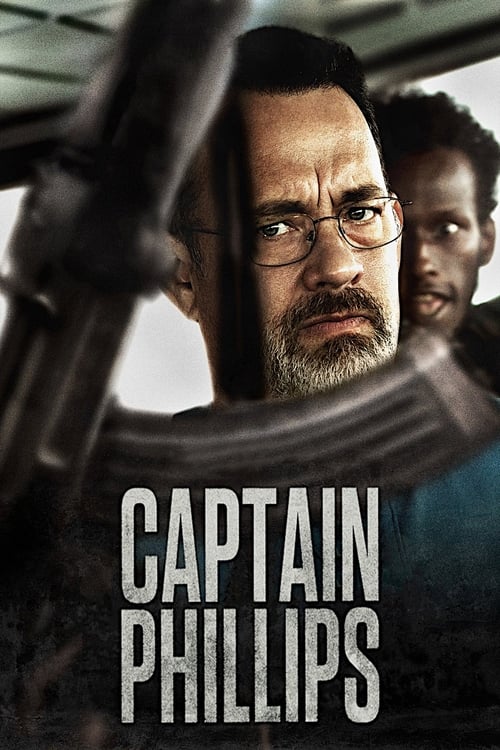
More than that, harking back to “Bloody Sunday,” Greengrass’ first international success and the film that revealed his gift for based-on-fact dramas, “Captain Phillips” has also managed to include some subtle but unmistakable social commentary that speaks, the director has said, “to the larger forces shaping our world today.”
When he made Green Zone in 2010, director Paul Greengrass attempted to fuse the Hollywood-style excitement of his Jason Bourne films (the second and third in the series) with his naturalistic, you-are-there depiction of real-world events in movies like Bloody Sunday and United 93 .
The biopicture is directed by Paul Greengrass who has done riveting films exploring the rifts and tensions of our era: Bloody Sunday about a British massacre in Northern Ireland; United 93 about the hijacking of a plane on 9/11, and Green Zone about the Iraq War.
That’s what separates a mediocre director from a fine one like Paul Greengrass , who after “ Bloody Sunday ” and “United 93” has established himself as a master of making compelling, suspenseful films about widely reported international news events.
Director Paul Greengrass's filmography consists of docudramas chronicling real life events (the massacre of Irish civilians by the British Army in "Bloody Sunday," the 9/11 drama "United 93") and thrillers like "The Bourne Ultimatum."
But as Greengrass has demonstrated in such past films as 2002’s " Bloody Sunday " (about the 1972 shooting of unarmed demonstrators in Northern Ireland) and 2006’s "Flight 93" (which re-enacted the events on the plane that crashed in Pennsylvania on 9/11), he is stronger with the doc part of his cinematic equation than the interaction between characters.
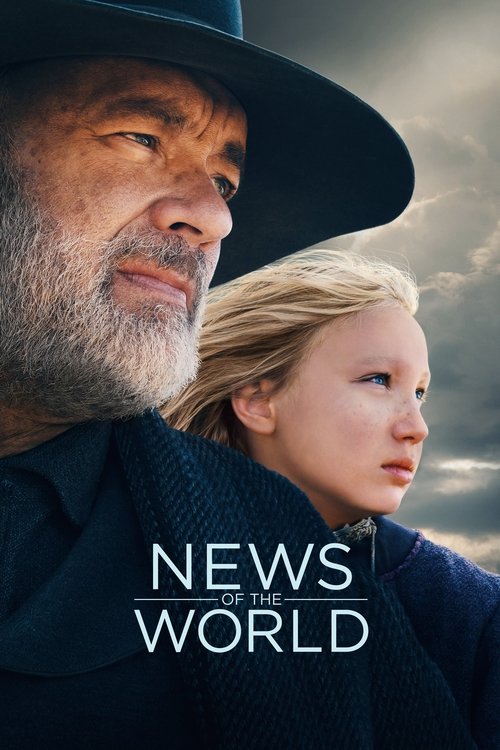
Paul Greengrass is so effective at depicting real-life tragedies (Bloody Sunday, United 93, Captain Phillips, 22 July) that we forget how good of a storyteller he is.
Greengrass is known for the gritty immediacy of both his fact-based dramas like Captain Phillips , United 93 and Bloody Sunday and his Jason Bourne action movies, but he works in a more sedate, classical style on News of the World , only occasionally employing the shaky-cam aesthetic that has become his trademark.
Since his breakthrough film Bloody Sunday (2002), which dramatized the 1972 massacre of Irish civil rights protestors, Greengrass has made films about the 9/11 hijacking of an airliner in United 93 (2006), the U.S. invasion of Iraq in Green Zone (2010), the 2009 hijacking of a U.S. cargo ship by Somali pirates in Captain Phillips (2013), and, most recently, the 2011 massacre in Norway by a far-right extremist in 22 July (2018).
Greengrass, of course, is a Brit whose work has been divided between the Bourne franchise and gritty docudramas like “Bloody Sunday,” “United 93” and “Captain Phillips” (starring Hanks); the latter films often have political underpinnings.
This mix of The Searchers and True Grit , with a little Paper Moon thrown in, is directed by Paul Greengrass in a much more “classical” mode than the jittery hand-held style that has dominated his last two decades, both in docudramas ( Bloody Sunday , United 93 , Captain Phillips ) and thrillers (notably three Bourne sequels).
It also doesn’t hurt that Greengrass hired director of photography Dariusz Wolski — a Ridley Scott regular — to steady his hand and help him find a happy medium between “Bloody Sunday” and “The Searchers.”
We see a horrible crime committed in a way that screams for justice, both morally and investigatively, and sweat as Inspector Dowd (Ewen Bremner, "Trainspotting," "Around the World in 80 Days") and Detective Banner (James Nesbitt, "Bloody Sunday," "Millions") dance around the truth.