
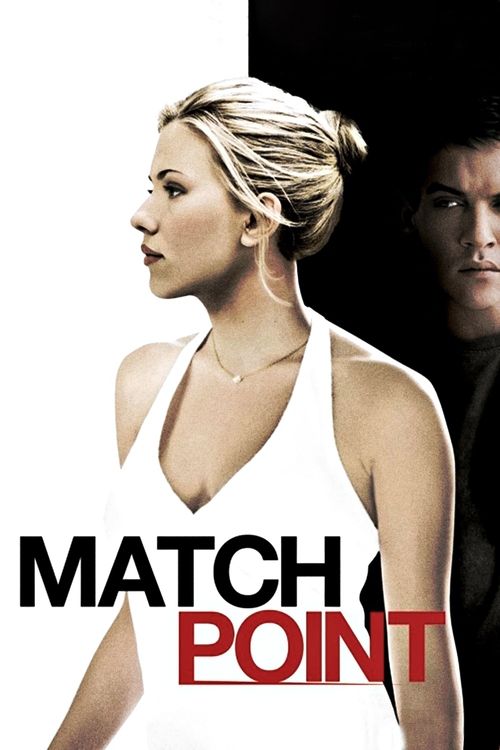
Match Point (2005)
Directed by Woody Allen
Chris, a former tennis pro, takes a job as an instructor and befriends his wealthy young student, Tom. After being introduced to his family, Chris is soon engaged to Tom's sister, Chloe. Despite the professional and financial advantages that this relationship affords him, Chris becomes obsessed with Tom's fiancee, American actress Nola.
40 connections found
View:
40 films that influenced Match Point
What critics say influenced Match Point
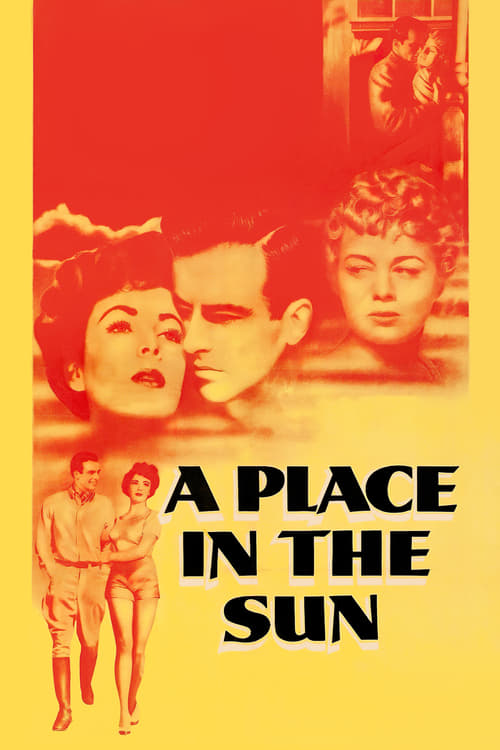


Writer/director Woody Allen ("Melinda and Melinda") tints his own "Crimes and Misdemeanors" with George Stevens's "A Place in the Sun," leaves his beloved New York completely behind for the first time ever and delivers his best film in years.
The electric encounter between Chris and Nola (Scarlett Johansson) over a ping-pong table is Allen's answer to "A Place in the Sun," in which Montgomery Clift and Elizabeth Taylor did their mating dance over a pool table.
And like Shelley Winters in George Stevens' "A Place in the Sun," Nola becomes something resembling pure demand.
It needs to be mentioned, though, that Johansson -- even though her character is made out to be more and more a nagging, whining bitch as the movie progresses; she's Shelley Winters in "A Place in the Sun," without any of the compassion shown that character -- survives the picture unscathed.
Yet the more obvious model for Match Point is Theodore Dreiser’s classic novel An American Tragedy, which was made into A Place in the Sun with stars Montgomery Clift, Elizabeth Taylor, and Shelley Winters.

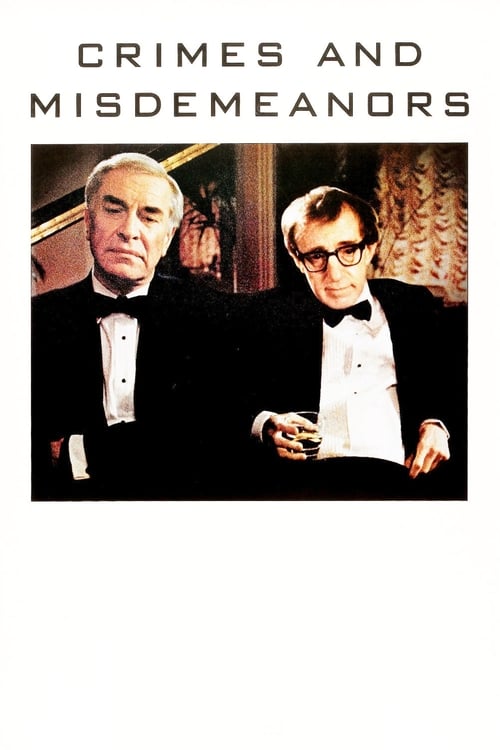
Accordingly, Match Point is Woody in Serious Mode, fastidiously humorless, cut from the same cloth as Interiors, September, and, predictably, Crimes and Misdemeanors, the main template for many a critical comparison -- both pictures are companion pieces of hollow misanthropy, immersed in mock-Dostoyevsky, facile darkness-of-the-soul pontificating, and an anger/fear of a senseless cosmos.
Set entirely in London, and filled with British characters save for one American (Scarlett Johansson), “Match Point” represents a cross between Dostoevesky's “Crime and Punishment,” Robert Altman's class-conscious period mystery “Gosford Park,” and Allen's 1989 “Crimes and Misdemeanors,” a highlight of his dramatic efforts.
No Allen movie since Crimes and Misdemeanors (16 years ago) has left as lasting an impression.
Those familiar with the director's masterpiece Crimes and Misdemeanors knew the buzz wasn't entirely justified.
But even with his darker works like Crimes and Misdemeanors, there was always a safety net of satire so no one had to deal completely with the immoral nature of the characters.
In the film's dark undercurrent -- the rationalization of ruthless deeds, the elusiveness of justice -- there are glimmers of "Crimes and Misdemeanors."
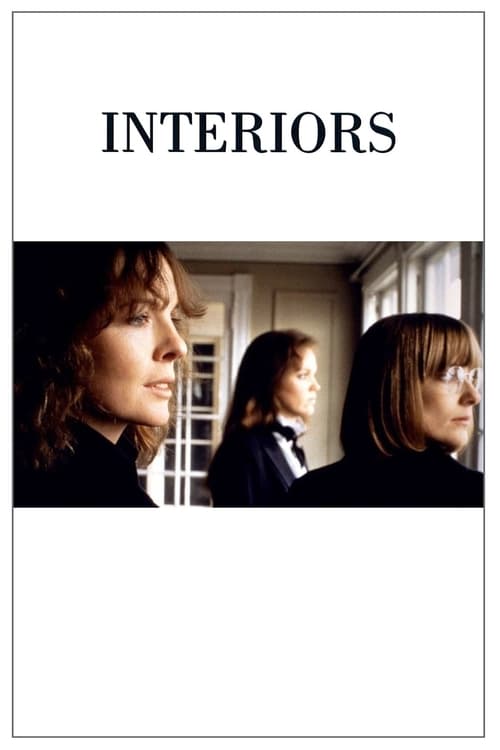
The 70-year-old Woody Allen ("Annie Hall"/"Interiors") in his 36th film shleps to London to film a morality play that's a serious drama without his usual one-liners, but instead is spiked with a more subtle darker humor.
Comic moments give way to dark irony in subdued fashion; Match Point remains as serious as Interiors, reflected by the musical score that forsakes his usual light-hearted jazz for heavy does of tragic Verdi arias.
In fact, the film has more in common with Robert Altman's "Gosford Park" or most anything by Alfred Hitchcock than most of Allen's oeuvre (save, perhaps, "Crimes and Misdemeanors" and "Interiors").
In Interiors (1978) he channeled the starkness and angst of Ingmar Bergman.
Woody Allen is better know for his comedies, obviously, but he's done quite a few dramas over the years, with more (the Martin Landau storyline in "Crimes and Misdemeanors") or less ("Interiors") success.
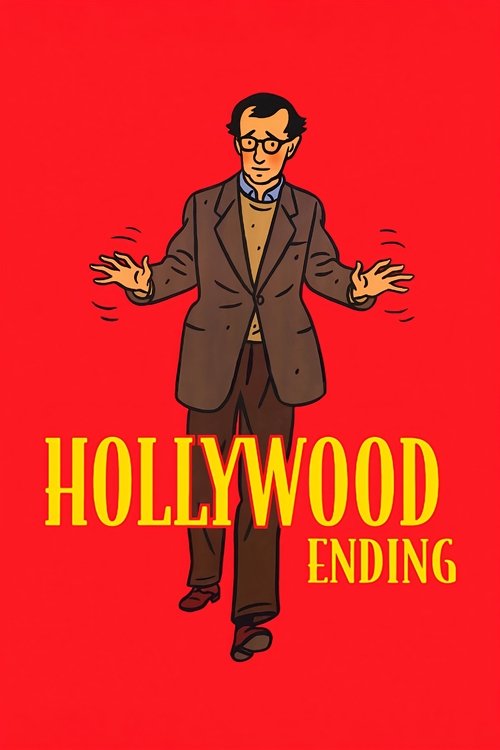
…out of Everyone Says I Love You Deconstructing Harry The Curse of the Jade Scorpion Hollywood Ending (May 2/02) Woody Allen once said that the ideal length for a comedy is around 90 minutes.
Allen likely would cringe at such a suggestion, for he revels in being the consummate auteur (even when spoofing the director-as-artist theory in something such as "Hollywood Ending").
By comparison, the modest pleasures of a Hollywood Ending or Sweet and Lowdown are gravy.
The movie's meticulous construction alone is something of a relief, considering the half-asleep sloppiness of Allen's recent comedies: Few people, even die-hard fans, were able to muster much enthusiasm for stale Raisinettes like "Hollywood Ending" and "Melinda and Melinda."
The movie isn’t perfect, as it drags on too long and delves into a silly detective subplot, but it’s a world of improvement compared to the dreadful offerings of Anything Else and Hollywood Ending.
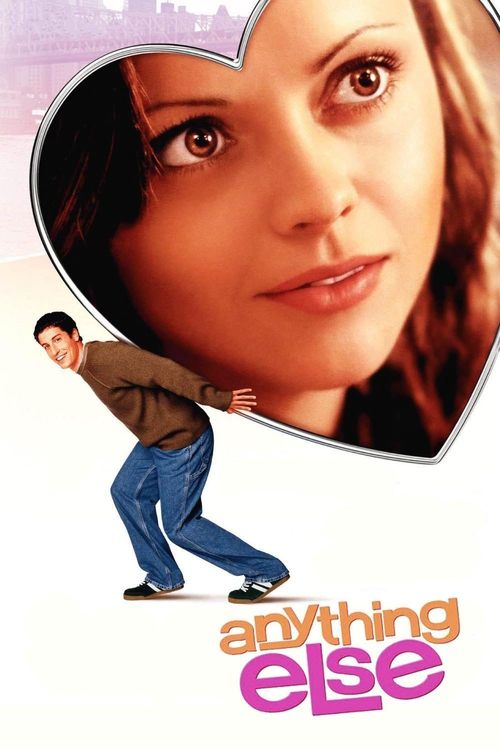
On this very web page only two years ago, I pronounced Woody Allens career as pathetic and immoral with my review of his 2003 Anything Else.
Although Allen has turned out some substandard comedies in the past few years ("Hollywood Ending," "Anything Else"), "Match Point" might go a long way toward quieting critical speculation that he might be long past his prime as a filmmaker.
Of late Mr. Allen certainly hasn't been lazy - his one movie per year pace is nearly unfathomable - but his recent efforts, in particular 2002's "Hollywood Ending" and 2003's "Anything Else", have been uninspired at best.

If nothing else, the change of scenery may have wrung an extra confession out of Woody: while his post-Hannah and Her Sisters output's been dedicated to drooling over luxurious apartments, Match Point is at least about wanting all that yummy yuppie luxury.
Match Point doesn't equal Allen's best films that work both intellectually and emotionally—Annie Hall, Manhattan, Hannah and Her Sisters, Crimes and Misdemeanors.
Mired in what many critics and viewers consider a permanent late-career slump, Woody Allen, the writer/director of close to 40 films over five decades, including "Annie Hall," "Manhattan," "Hannah and Her Sisters," "Crimes and Misdemeanors," returns to the multiplexes with his latest film, "Match Point," a social drama/erotic thriller/morality play that, contrary to optimistic hopes of a reinvigorated Allen returning to classic form, falls short of the profundity about human behavior, social class, fate, and chance that Allen apparently hoped to achieve.
"Match Point," which deserves to be ranked with Allen's " Annie Hall ," " Hannah and Her Sisters ," " Manhattan ," "Crimes and Misdemeanors" and " Everyone Says I Love You ," has a terrible fascination that lasts all the way through.
Sure, I can appreciate some of his classics like “Annie Hall,” and his more recent endeavors like “Match Point” are quite good.
By my estimation, Allen's last fairly good movie was 1995's Mighty Aphrodite, and his last undisputed masterpiece, 1986's Hannah and Her Sisters.
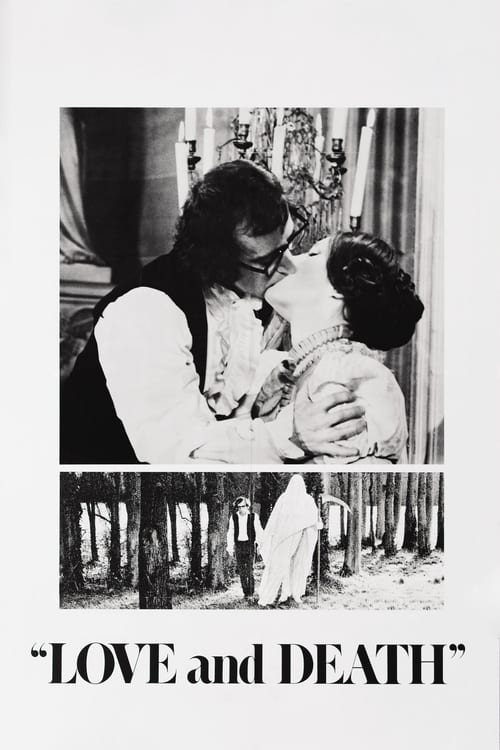
The movie's posh English soap spirals down a rusty St. Petersburg drain, yet it lacks the almost shrugging wit of Altman's murder scheme in "Gosford Park" (and the brash wit of Allen's Russian spoof, "Love and Death").
You can hear it in the dialogue: Chloe and Tom's cocktail-swizzling mother (Penelope Wilton, rounding out the film's trifecta of demeaning roles for good actresses) doesn't much care for Chris, but dad (Brian Cox), a good-natured sort, seems to think he's OK: Defending the lad, he says, "We had a very interesting conversation about Dostoevski," which, when you write it down, sounds like a line from "Love and Death," although it's meant in complete seriousness.
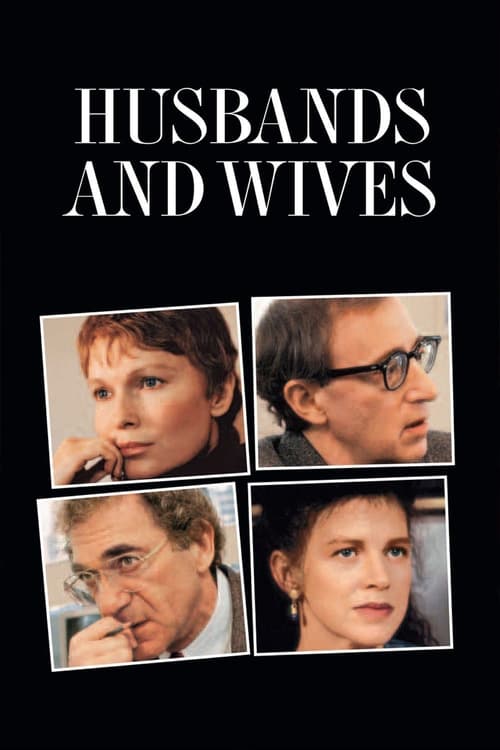
On the occasions when he manages to forget Bergman and Fellini -- filmmakers whose main achievements, unlike his, depend on their original style -- he shows a flair for some of the less reputable genres of Hollywood movie art, including romantic comedy (Annie Hall), crime and showbiz (Broadway Danny Rose), melodrama (Husbands and Wives), murder mystery (Manhattan Murder Mystery), musical comedy (Everyone Says I Love You), low-budget B-film (The Curse of the Jade Scorpion), and now, with Match Point, erotic crime thriller.
Sort of a Henry Fielding tale sprinting toward Patricia Highsmith with some operatic trills and Dostoevskian sweats, "Match Point" is contrived, but Allen's finest adult entertainment since "Husbands and Wives" in 1992.
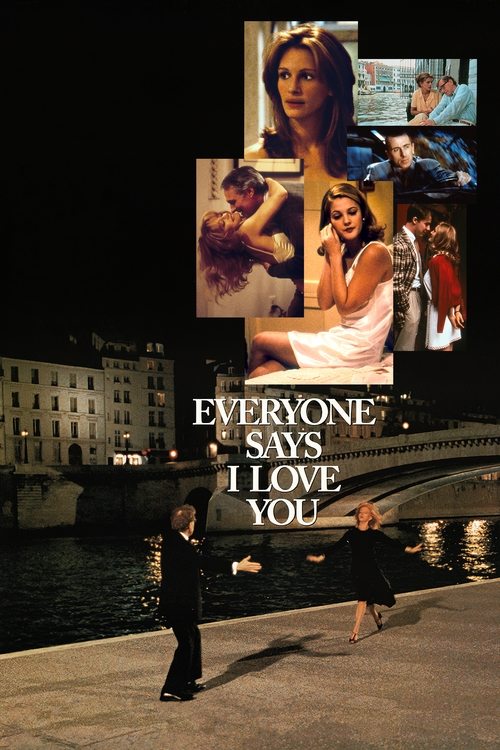
On the occasions when he manages to forget Bergman and Fellini -- filmmakers whose main achievements, unlike his, depend on their original style -- he shows a flair for some of the less reputable genres of Hollywood movie art, including romantic comedy (Annie Hall), crime and showbiz (Broadway Danny Rose), melodrama (Husbands and Wives), murder mystery (Manhattan Murder Mystery), musical comedy (Everyone Says I Love You), low-budget B-film (The Curse of the Jade Scorpion), and now, with Match Point, erotic crime thriller.
With the exception of a brief sojourn to Paris for an along-the-Seine sequence with Goldie Hawn in “Everyone Says I Love You,” writer-director Woody Allen’s works have always been set in America, usually in his beloved New York City.
"Match Point," which deserves to be ranked with Allen's " Annie Hall ," " Hannah and Her Sisters ," " Manhattan ," "Crimes and Misdemeanors" and " Everyone Says I Love You ," has a terrible fascination that lasts all the way through.
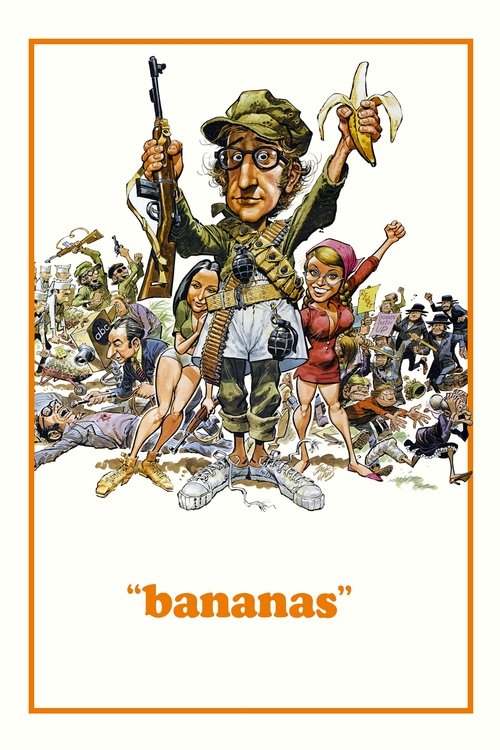
But don’t expect the old serio-comic-romantic Woody of Annie Hall (1977) and Manhattan (1979), or the primitively antic Woody of Bananas (1971) and Sleeper (1973).
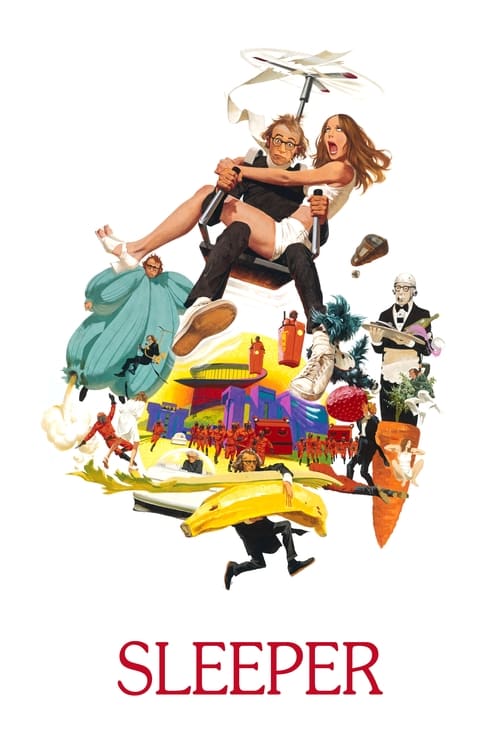
But don’t expect the old serio-comic-romantic Woody of Annie Hall (1977) and Manhattan (1979), or the primitively antic Woody of Bananas (1971) and Sleeper (1973).
On the occasions when he manages to forget Bergman and Fellini -- filmmakers whose main achievements, unlike his, depend on their original style -- he shows a flair for some of the less reputable genres of Hollywood movie art, including romantic comedy (Annie Hall), crime and showbiz (Broadway Danny Rose), melodrama (Husbands and Wives), murder mystery (Manhattan Murder Mystery), musical comedy (Everyone Says I Love You), low-budget B-film (The Curse of the Jade Scorpion), and now, with Match Point, erotic crime thriller.
By comparison, the modest pleasures of a Hollywood Ending or Sweet and Lowdown are gravy.
The move not only suits Allen’s subject matter, but also marks his first truly great film since 1999’s “Sweet and Lowdown.”
There has been an occasional diamond in the rough, such as 1999's excellent Sweet and Lowdown, but most of his films have remained forgettable, with a few (Celebrity, Curse of the Jade Scorpion, Hollywood Ending) bordering on entirely unwatchable shtick.
Sometimes this worked, like the embittered jazz guitarist in 1999s Sweet and Lowdown.
"Match Point", Mr. Allen's finest film since 1999's "Sweet and Lowdown" , takes place entirely in and around the city of London and, once you get past of idea of a Woody Allen movie without the Manhattan skyline, it works surprisingly well.
This lean, mean and surprisingly sultry 2005 thriller about fate, luck, greed and guilt was Allen’s best film since 1995’s “Mighty Aphrodite.”
By my estimation, Allen's last fairly good movie was 1995's Mighty Aphrodite, and his last undisputed masterpiece, 1986's Hannah and Her Sisters.

…out of The Purple Rose of Cairo Hannah and Her Sisters Alice Shadows and Fog (June 30/02) Here's a hint as to how forgettable Woody Allen's Shadows and Fog is: I just watched it last night and it's already mostly slipped from my memory.
There has been an occasional diamond in the rough, such as 1999's excellent Sweet and Lowdown, but most of his films have remained forgettable, with a few (Celebrity, Curse of the Jade Scorpion, Hollywood Ending) bordering on entirely unwatchable shtick.
(Celebrity) Allen, when casting himself, found that casting actresses opposite him forty years his junior was the only medication for his misery.
Next to the Bert's Beanery quality of, say, "Small Time Crooks" (worth seeing for the great Elaine May only), it makes for a classy take-in.
Woody Allen has just been barely getting his shots over the net in recent years ("Hollywood Ending," "Small Time Crooks") and had one flat-out whiff ("Curse of the Jade Scorpion").
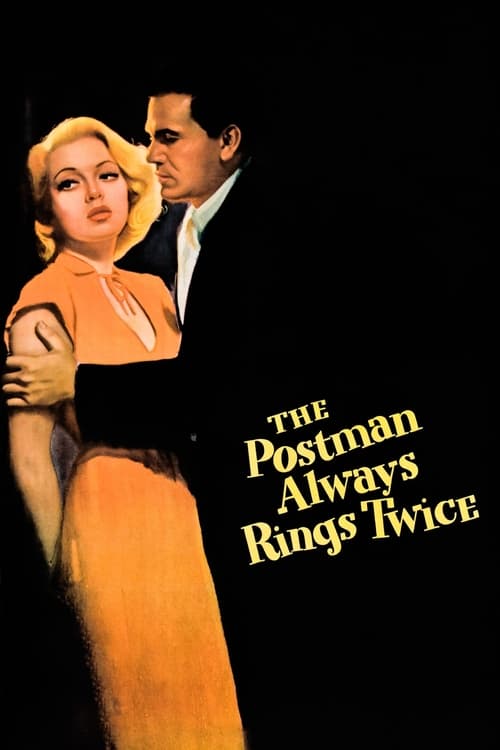
When first ecnountered, playing ping-pong, Nola is dressed in a tight white outfit, generating the kind of eroticism that recalls the first sight of Lana Turner in “The Postman Always Rings Twice.”
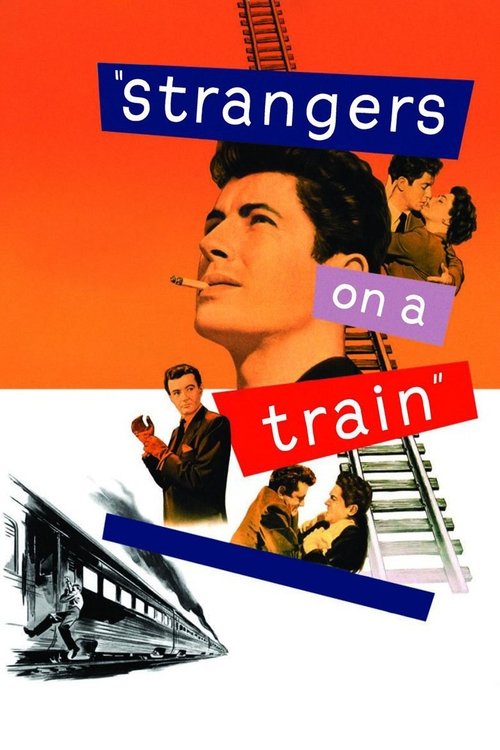
Chris' personal and professional path, along with his prognostications on luck, echoes Patricia Highsmith's fictional Ripley character, Thomas Ripley (e.g., The Talented Mr. Ripley, Ripley's Game), an amoral, sociopathic bi-sexual, social climber, thief, and murderer, and the central character in Strangers on a Train, Guy Haines, a tennis pro who wants to marry for love and social mobility.
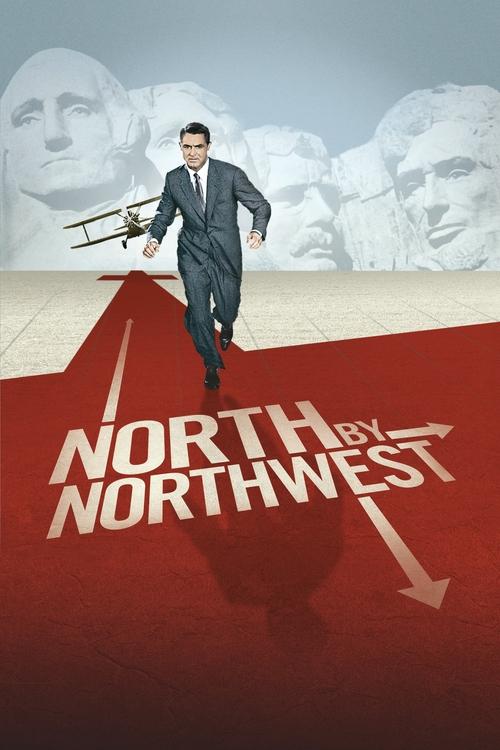
As a youngster driven by ambition and easily seduced by the comforts of wealth, Rhys-Meyers renders an erotic, riveting performance that recalls the handsome and appealing villains in Hitchcok's work, such as James Mason in “North by Northwest.”
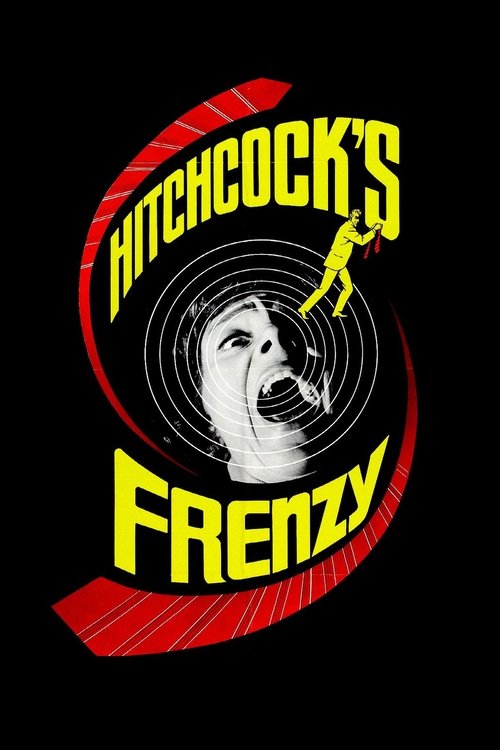
With a nod to Hitchcock, specifically “Frenzy,” the interaction between the two investigating cops tries to bering humor to a story that by then has become too dark for that.
Match Point has some of the feeling of Hitchcock's Frenzy (1972).
Advertisement
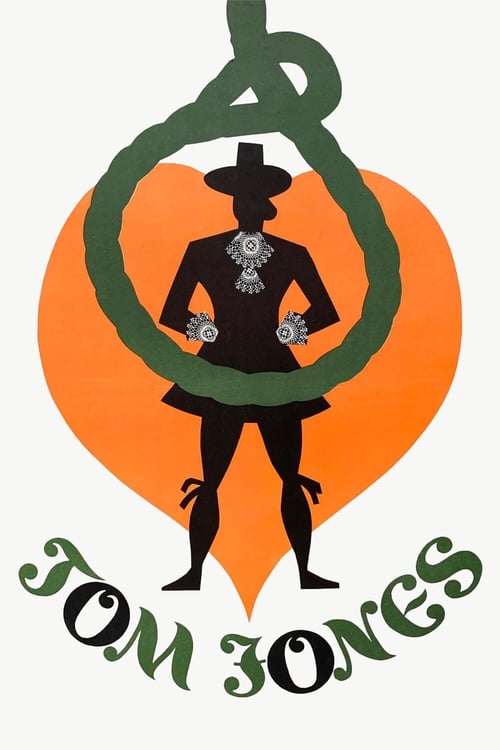
A whiff of "Tom Jones" attends this script, and there is an echo of "A Place in the Sun" (based on "An American Tragedy").
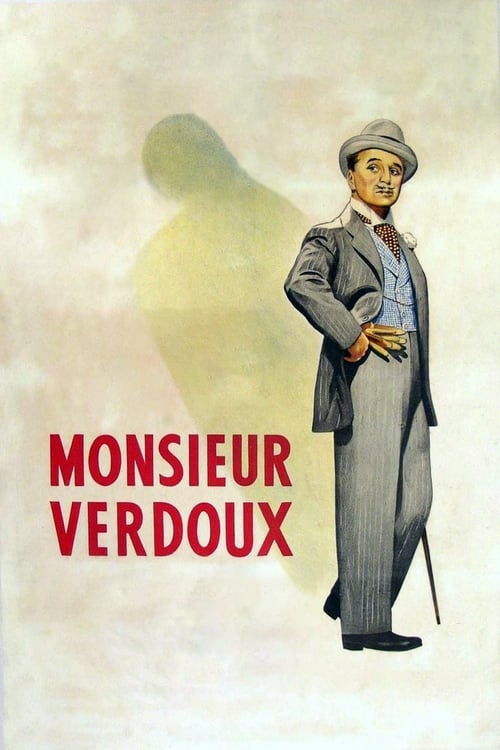
The diabolical logic in Match Point reminds me of nothing so much as Charles Chaplin’s much-underestimated Marxist logic in Monsieur Verdoux (1947), though Woody is less a rabid Marxist than a resigned fatalist with respect to the ways of the world.
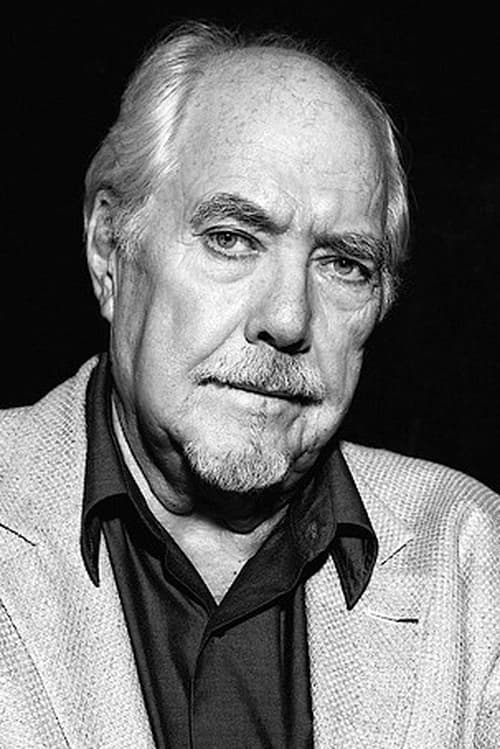

Like Altman in Images (1972), Woody plays with names.
The British setting is the most obvious change, though, as with Altman in Gosford Park, the foreign shoot only accentuates the filmmaker's pet fixations, and in any case Allen films upper-crust London the same way he films the two or three Upper East Side blocks he refuses to leave mentally, if not physically.
Set entirely in London, and filled with British characters save for one American (Scarlett Johansson), “Match Point” represents a cross between Dostoevesky's “Crime and Punishment,” Robert Altman's class-conscious period mystery “Gosford Park,” and Allen's 1989 “Crimes and Misdemeanors,” a highlight of his dramatic efforts.
Like Robert Altman with "Gosford Park," England has newly empowered his sensuality and given his chirpy technique a new luster of skill.
In fact, the film has more in common with Robert Altman's "Gosford Park" or most anything by Alfred Hitchcock than most of Allen's oeuvre (save, perhaps, "Crimes and Misdemeanors" and "Interiors").

Chris' personal and professional path, along with his prognostications on luck, echoes Patricia Highsmith's fictional Ripley character, Thomas Ripley (e.g., The Talented Mr. Ripley, Ripley's Game), an amoral, sociopathic bi-sexual, social climber, thief, and murderer, and the central character in Strangers on a Train, Guy Haines, a tennis pro who wants to marry for love and social mobility.
Advertisement
While Allen's story has elements of "A Place in the Sun," "The Talented Mr. Ripley" and even "Fatal Attraction," it's most reminiscent of Allen's own "Crimes and Misdemeanors," in which adulterer Martin Landau futilely tried to find an easy way out of a situation involving an increasingly hysterical mistress (Anjelica Huston).
Chris has been compared to the unspeakable, seductive title antihero of Patricia Highsmith’s The Talented Mr. Ripley, though he’s both less charismatic and more human than Ripley — or at least more fallible, capable of getting nervous and making sloppy mistakes.
Chris' personal and professional path, along with his prognostications on luck, echoes Patricia Highsmith's fictional Ripley character, Thomas Ripley (e.g., The Talented Mr. Ripley, Ripley's Game), an amoral, sociopathic bi-sexual, social climber, thief, and murderer, and the central character in Strangers on a Train, Guy Haines, a tennis pro who wants to marry for love and social mobility.