

Hannah and Her Sisters (1986)
Directed by Woody Allen
Between two Thanksgivings, Hannah's husband falls in love with her sister Lee, while her hypochondriac ex-husband rekindles his relationship with her sister Holly.
13 connections found
View:
13 connections, in both directions
What critics compared Hannah and Her Sisters to
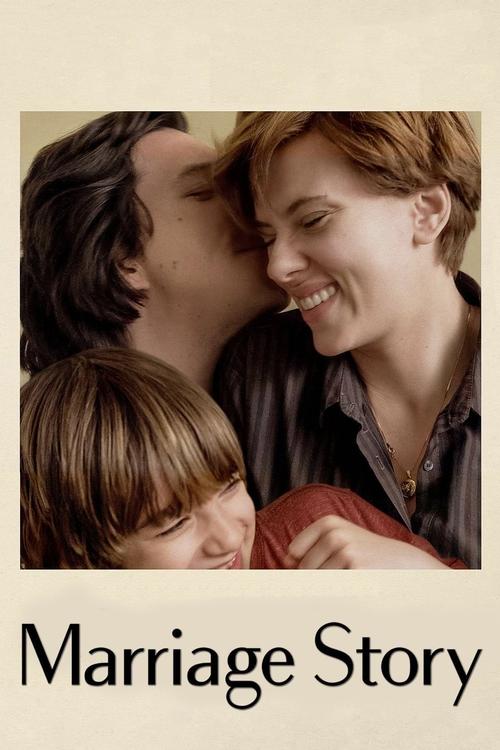


With its intimate camerawork, witty one-liners, drama that draws you in and haunting soundtrack, Baumbach's ( The Squid and the Whale , While We're Young ) tale certainly reminds one of the best of Woody Allen's output (think Hannah and Her Sisters , Annie Hall ).
It’s theatrical, melodramatic, over-the-top and no more representative of the end of a marriage than say a Woody Allen movie set in the same showbiz family milieu, “Hannah and Her Sisters.”
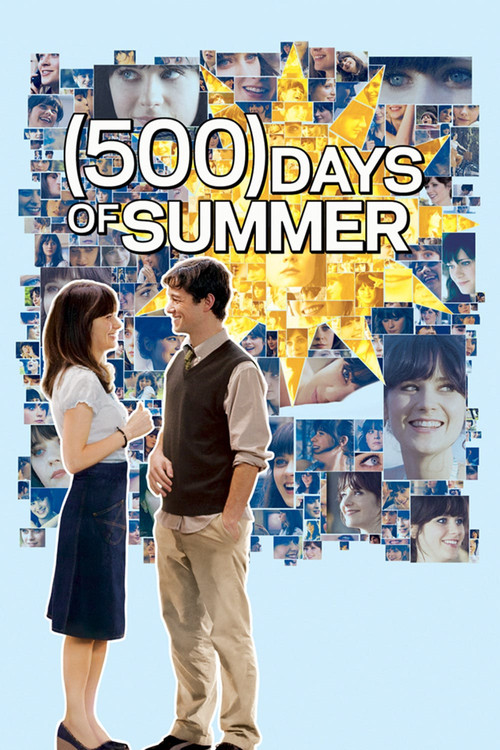
An understated architectural tour of Los Angeles recalls Sam Waterston's Big Apple presentation in Hannah and Her Sisters.
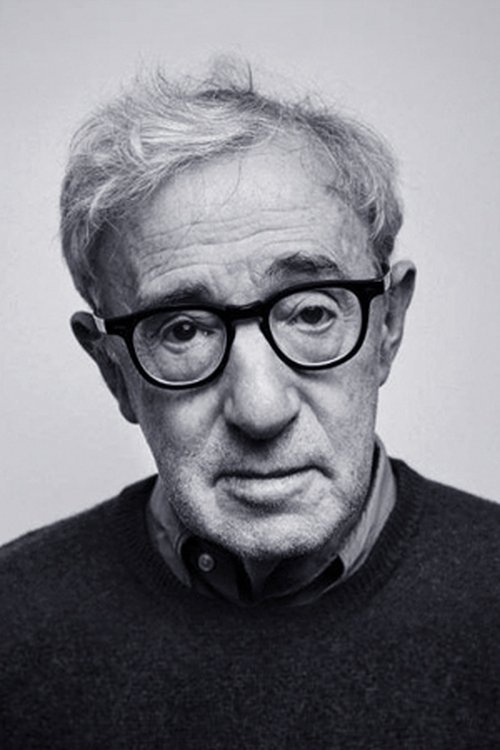

Still, he was never quite as appealing back then as when he worked in purely Woody Allen territory -- it's hard to imagine movies like Zelig, Hannah and her Sisters, and Radio Days springing from anyone else's brain.
With able support from Patricia Clarkson, as a family friend of Vicky's, living in Spain and living in pain over her own unhappy marriage, Vicky Cristina Barcelona covers familiar Allen territory: Like Husbands and Wives, Hannah and Her Sisters, Annie Hall, Crimes and Misdemeanors, and the list can go on and on, Allen's latest offers an exploration of romantic longing, of men and women falling in and out of love, behaving foolishly, and badly.
The characters move as if on a carousel, making the film an exploration of romantic complications on the level of "Hannah and Her Sisters" (1986) and "Husbands and Wives" (1992).
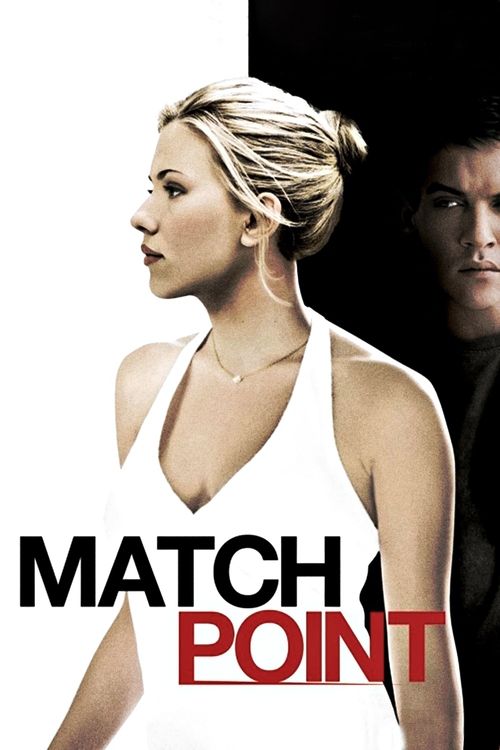
If nothing else, the change of scenery may have wrung an extra confession out of Woody: while his post-Hannah and Her Sisters output's been dedicated to drooling over luxurious apartments, Match Point is at least about wanting all that yummy yuppie luxury.
Match Point doesn't equal Allen's best films that work both intellectually and emotionally—Annie Hall, Manhattan, Hannah and Her Sisters, Crimes and Misdemeanors.
Mired in what many critics and viewers consider a permanent late-career slump, Woody Allen, the writer/director of close to 40 films over five decades, including "Annie Hall," "Manhattan," "Hannah and Her Sisters," "Crimes and Misdemeanors," returns to the multiplexes with his latest film, "Match Point," a social drama/erotic thriller/morality play that, contrary to optimistic hopes of a reinvigorated Allen returning to classic form, falls short of the profundity about human behavior, social class, fate, and chance that Allen apparently hoped to achieve.
"Match Point," which deserves to be ranked with Allen's " Annie Hall ," " Hannah and Her Sisters ," " Manhattan ," "Crimes and Misdemeanors" and " Everyone Says I Love You ," has a terrible fascination that lasts all the way through.
Sure, I can appreciate some of his classics like “Annie Hall,” and his more recent endeavors like “Match Point” are quite good.
By my estimation, Allen's last fairly good movie was 1995's Mighty Aphrodite, and his last undisputed masterpiece, 1986's Hannah and Her Sisters.
Whether you prefer the “early, funny ones” like “Sleeper” or his romantic comedies like “Annie Hall” and “Manhattan,” or his later serious comedies like “Hannah And Her Sisters” and “Crimes And Misdemeanors,” the new Woody Allen film was something to be anticipated.
To put it in context: it’s hardly a masterpiece on the level of Allen’s “Annie Hall”, “Manhattan”, “Hannah and Her Sisters”, or “Crimes and Misdemeanors”, or even an exciting change of pace like “Match Point”.
You know that this is not a work of depth as, say, Hannah and Her Sisters had depth, or even Bullets over Broadway.
But it's also the memory of his golden era - Annie Hall, Manhattan, Hannah and Her Sisters, for example - that makes him a target for dismissive cinéastes.

P.T. Anderson followed his magnificent 1997 breakthrough Boogie Nights with 1999's Magnolia, a star-studded, messy, overreaching, ultimately compelling ensemble drama in the vein of ambitious masterpieces like Hannah And Her Sisters and Short Cuts.
It’s awkward, but this puts Anderson in a position similar to the one that pre-scandal Woody Allen once held in the 1980s and ’90s, in the days of Hannah and Her Sisters , Crimes and Misdemeanors , and The Purple Rose of Cairo .
Advertisement
Kaye once shot more film for a 30-second Volvo commercial than Woody Allen had used in making “Hannah and Her Sisters.”

Ever since Woody Allen came along with his Annie Hall and his Manhattan, his Hannah and Her Sisters and his Husbands and Wives, New York has become THE American city of the ensemble romantic dramedy, where different characters come together to discuss love, life and politics.

There are opaque shades of Woody Allen’s best work, from Annie Hall to Hannah and Her Sisters .
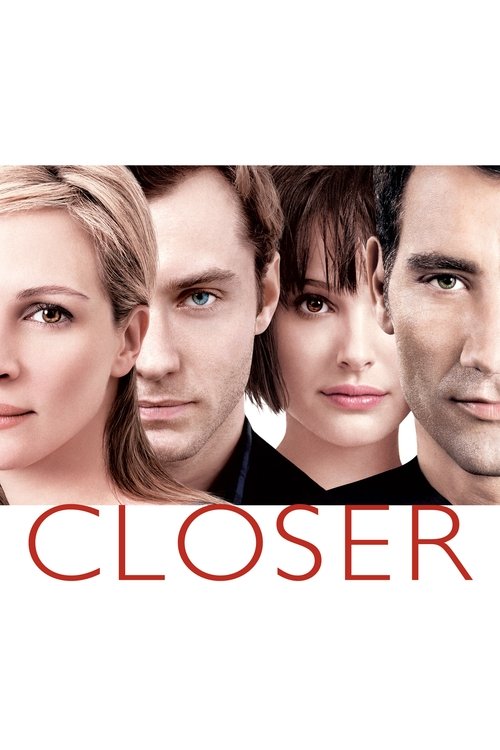
Closer is akin to one of Woody Allen's serious films, such as Hannah and Her Sisters and Husbands and Wives.
Advertisement

This week, the answer is probably "Hannah and Her Sisters"; by the end of the month, it may well be "Antz," which, although it was not written or directed by the Woodman, is permeated through and through with his brand of neurotic humor.
She looks like her "Hannah and Her Sisters" character warmed over.