
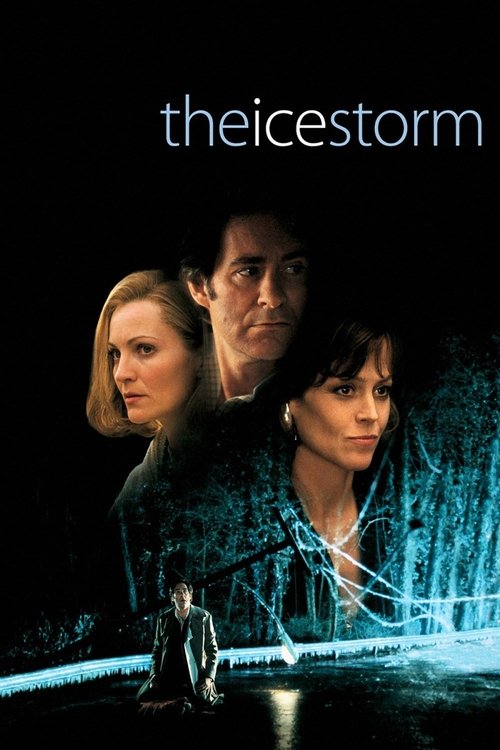
The Ice Storm (1997)
Directed by Ang Lee
In the weekend after thanksgiving 1973 the Hood family is skidding out of control. Then an ice storm hits, the worst in a century.
15 connections found
View:
15 connections, in both directions
What critics compared The Ice Storm to



Like "The Ice Storm," which this movie resembles in the way a flashy, virtuosic stage musical recalls a dense psychological play on the same theme, "American Beauty" juxtaposes the world of the adults (glossy, hypocritical, vicious) with the domain of the wise-cracking, yearny kids: noxiously discontent Jane and mysterious Ricky, who (in a "Rear Window" touch) keeps watching and filming her from across the yard.
I'd be hard-put to recall another movie (certainly not Ang Lee's detached and clinical "The Ice Storm") that has so skillfully integrated exuberant humor with heartbreaking pathos.
As Carolyn embarks on her own affair, the libidinous stirrings of the parents mirror -- and, in Lester's case, intersect -- the erotic awakenings of the children, a la The Ice Storm .
At times evoking elements of Todd Solondz' controversial Happiness and Ang Lee's brilliant The Ice Storm, American Beauty weds compelling drama with black comedy.
Like Ang Lee’s The Ice Storm, we might see characters realize that there are rules, and that breaking them devastates our own lives and the world around us.
In many ways, this is a film comparable to that Ang Lee masterpiece "The Ice Storm"--both have foregrounds that, at first glance, resemble the texture of a Thomas Kinkade painting, when in fact their interiors are dark and menacing, usually occupied by everlasting tribulations.
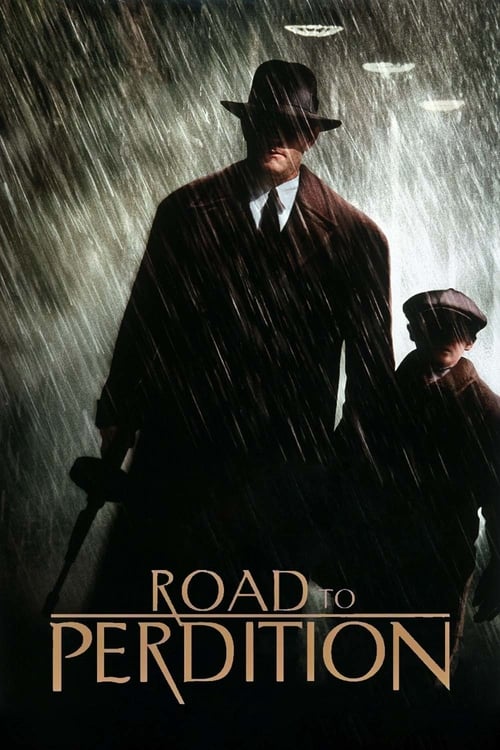
Every base is covered for a run at import: opening in the midst of a snowy Chicago winter, Road to Perdition even makes a play for the Oscar caveat of other films set in snowscapes, popular as a shorthand for credibility since the Coens' 1996 Fargo (and appearing since in films running the gamut from Ang Lee's brilliant The Ice Storm and Raimi's A Simple Plan to more uneven fare: Affliction , Snow Falling on Cedars, The Shipping News , and so on)--but shorthand is all it is, really (see also: the requisite shot of crossroads and liminal beaches).
Frederick Elmes, who previously shot things as stylistically varied as Blue Velvet and The Ice Storm, sticks to muted, warmer tones, recalling faded family snapshots from the 1970s.
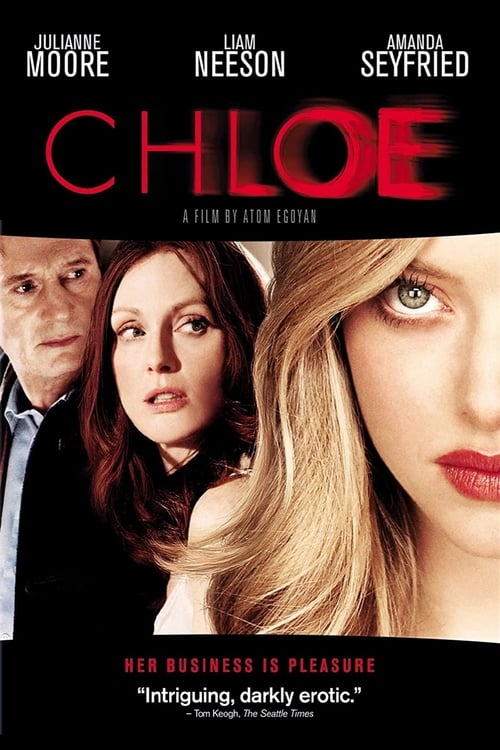
A wonderfully overwrought score by Mychael Danna, who also composed music for "The Ice Storm," transforms "Chloe" into the kind of romance novel Ang Lee might have written, with pleasures both guilty and otherwise.
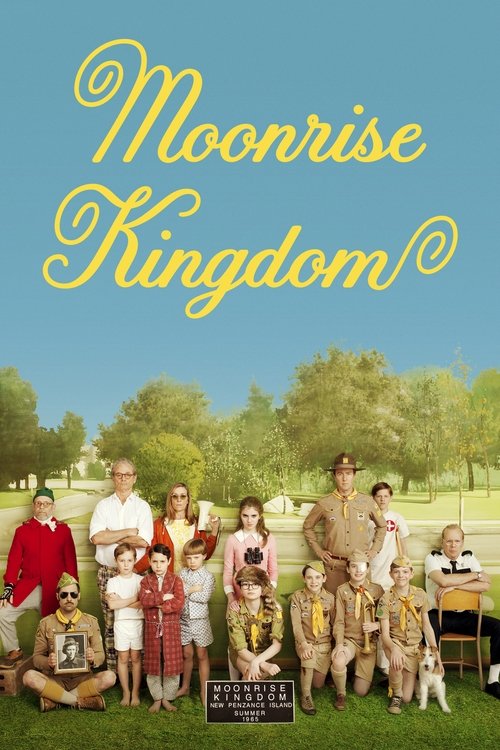
As in Ang Lee’s The Ice Storm, another film about the consequences of a generation that called self-indulgence freedom, they have no moral high ground.
Advertisement
He was a revelation in The Ice Storm, Pleasantville, The Cider House Rules, Wonder Boys, and others.
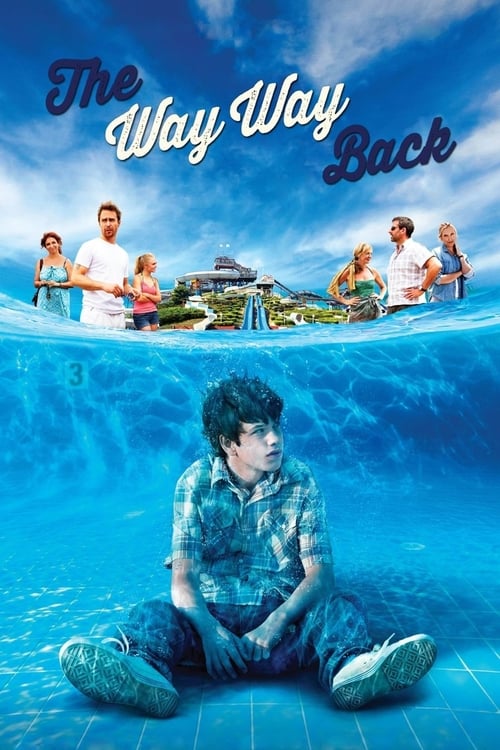
An unexpected yet irresistible cross between Meatballs and The Ice Storm, The Way Way Back just may be the best movie of the summer.
The center doesn’t hold in The Way, Way Back, and neither does the bulk of the movie, a coming-of-age comedy-drama that’s part The Ice Storm, part The Graduate, and wholly workshopped to death.

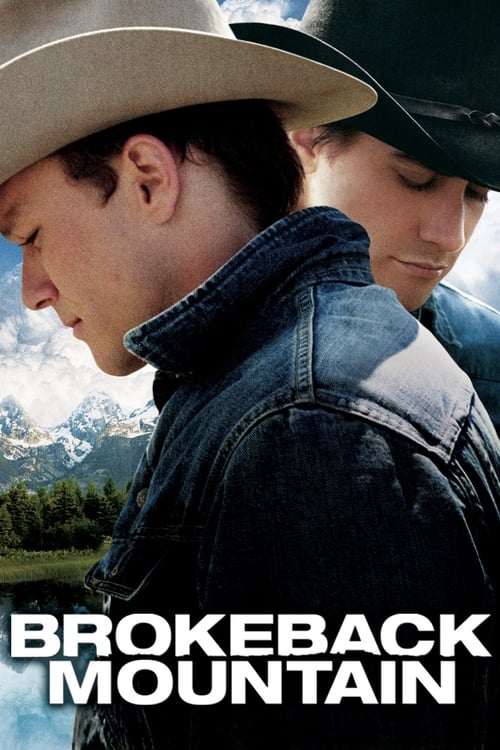
In "The Ice Storm" (1997), Ang Lee masterfully demonstrated his ability to expose what was toxic in the now exotic-seeming milieu of 1970s suburbia, and he brings the same rigor, and the same painstaking craft, to the deftly observed particulars of "Brokeback" ? the trailers, shacks and combine dealerships against which the tragedy unfolds.
Lee brings his A-game, combining the romantic texture of Sense and Sensibility and Crouching Tiger, Hidden Dragon with the awkward realism of The Ice Storm.
Brokeback Mountain is the ideal project for Ang Lee, a director who has probed the sore spots of repressed people throughout his career: the gay-themed The Wedding Banquet (1993), Eat Drink Man Woman (1994), Sense and Sensibility (1995), The Ice Storm (1997), Crouching Tiger, Hidden Dragon (2000), even Hulk (2003).
Director Ang Lee ("Crouching Tiger, Hidden Dragon," "Hulk") once again impresses with his seeming command of such disparate material as his early trilogy exploring the relationships between fathers and their children ("Pushing Hands," "The Wedding Banquet," which also featured a gay protagonist albeit in a romantic comedy, and "Eat Drink Man Woman"), Jane Austen ("Sense and Sensibility"), American suburban angst in the 70s ("The Ice Storm"), Chinese martial arts and comic book super heroes.
Whether it was 1993's "The Wedding Banquet," in which a gay New Yorker fakes a marriage to cover up his homosexuality; "The Ice Storm," in which a wealthy Connecticut family slowly implodes; or "Crouching Tiger, Hidden Dragon," in which a kung fu master approaches retirement while quietly contemplating revenge - Ang Lee frames his films around his characters first and foremost.
Based on (and quite faithful to) Annie Proulx's celebrated short story and directed by Ang Lee ("The Ice Storm," "Crouching Tiger, Hidden Dragon"), "Brokeback" follows, during the course of about 20 years, the lives of vivacious rodeo veteran Jack and quiet, moody Ennis.
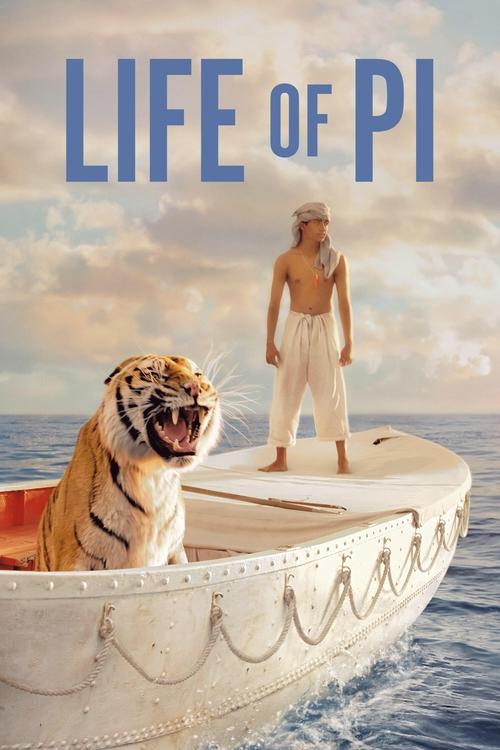
Compared to the angst of The Ice Storm or the revolutionary passions of Lust Caution, Pi's ordeal is more of an ideal beginning than a complete film.
As a filmmaker, Lee seems to alternate between naturalism (“The Ice Storm,” “Brokeback Mountain”) and rapturous otherworlds (“Crouching Tiger, Hidden Dragon,” even 2008’s “Lust, Caution”).
Apparently, a Hitchcockian technician has waited patiently to emerge from the guy behind The Ice Storm; every rope-tugging stratagem of our hero and snarling swipe of the tiger is buffed to an ingenious sheen, the sharks quietly swirling around them like spectators.
The prickly love stories at the heart of Lee’s The Ice Storm, Brokeback Mountain and Lust, Caution get a more tender, tentative play in the friendship of young Pi and a girl (Shravanthi Sainath) he meets at a dance class.
Lee, whose last film was the disappointing Taking Woodstock, has excelled in the past at adapting films from fiction — Brokeback Mountain, Sense and Sensibility, The Ice Storm — and with the technology to make Life of Pi come alive now available, he has created breathtaking visuals, from the lush Pondicherry zoo to the open seas, where boy and tiger alternately battle for power and co-exist in uneasy and short-lived truces.
But repression has been Lee's dominant theme -- from the virtuosos locked in by duty in Eat Drink Man Woman and Crouching Tiger, Hidden Dragon, to the would-be romantic and sexual adventurers thwarted by societal designs in Sense and Sensibility, The Ice Storm, and Brokeback Mountain.
Aside from the director's elaborate wide-viewed establishing shots, which have been an accepted staple of his as far back as "The Ice Storm," his slick editing tricks here are stylized like still images from actual comic books, sometimes blending camera shots in a detailed visual overlap that allows older frames to seemingly dissolve into newer ones.
The sensitive Taiwanese-born director Ang Lee ("The Ice Storm"/"Crouching Tiger, Hidden Dragon") is an odd choice to do a summer blockbuster sci-fi/pulp thriller.
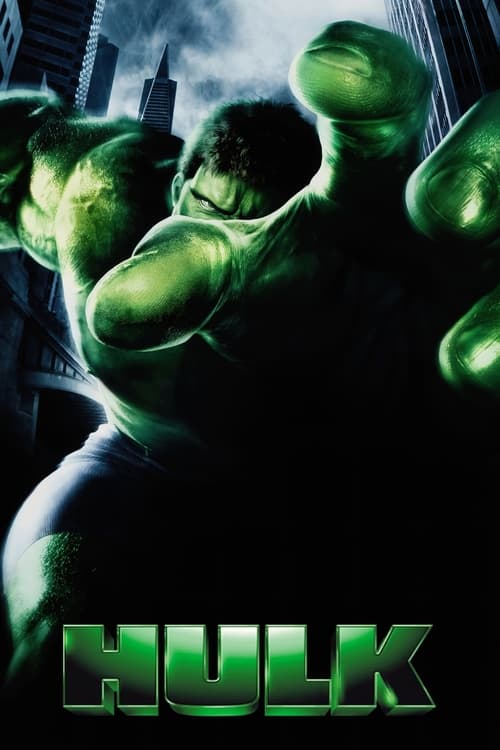
Rather than painting a modern day Lou Ferrigno all green, director Ang Lee ("Crouching Tiger, Hidden Dragon," "The Ice Storm") has opted to use a completely computer-generated version of the character.
Remember that Ang Lee is the director of films such as " The Ice Storm " and "Sense and Sensibility," as well as " Crouching Tiger, Hidden Dragon "; he is trying here to actually deal with the issues in the story of the Hulk, instead of simply cutting to brainless special effects.
Take Nolte away, and The Hulk's emotions are even further below freezing than those in Lee's masterful 1997 The Ice Storm.
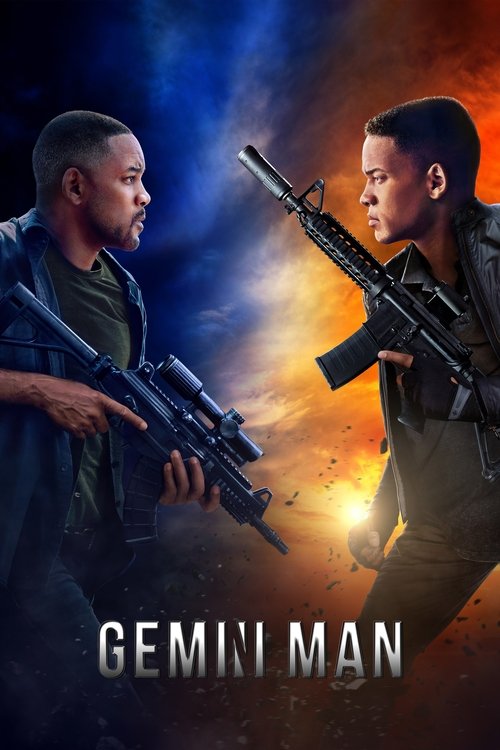
Surprisingly, given he's made such superb films as The Ice Storm and Life of Pi , Ang Lee seems bored with his own story.
Ang Lee is one of those great directors who has made a lot of terrible films: The Ice Storm , Hulk , Billy Lynn’s Long Halftime Walk , and now Gemini Man , a dusty artifact of a script livened up with bleeding-edge technology.
Lee, who has jumped from The Ice Storm to Hulk to Brokeback Mountain to Life of Pi over the years, is not just invested in the technology.
As Robert Zemeckis went from the high-spirited craftsmanship of “Back to the Future” and “Forrest Gump” to the soulless motion-capture experiments of “The Polar Express” and “ Welcome to Marwen ,” so Ang Lee has recently traded in the humanity of “The Ice Storm,” “Crouching Tiger, Hidden Dragon,” and “Brokeback Mountain” for the chimera of high frame rates.
His track record may be inconsistent, but anyone willing to take on The Ice Storm, Ride with the Devil, Brokeback Mountain, Life of Pi and Crouching Tiger, Hidden Dragon is clearly a director up for any challenge.
Regrettably , the finer sensibilities Lee employed on the more sedate dramas he is known for ( Brokeback Mountain, Sense and Sensibility, The Ice Storm, Eat Drink Man Woman , etc) are not in evidence here.
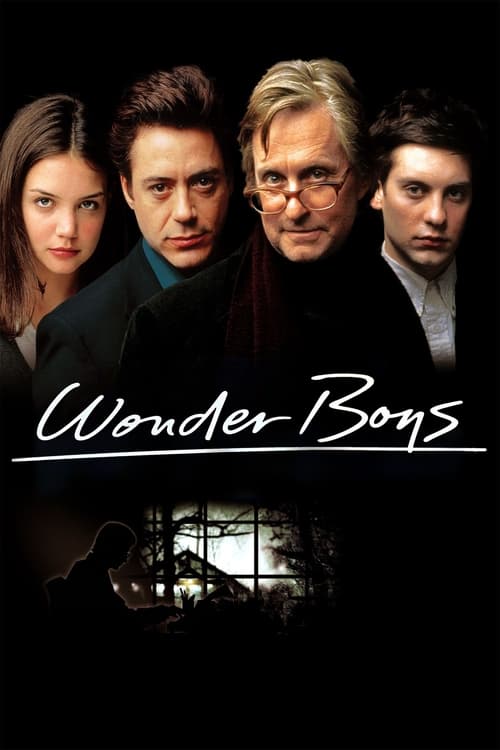
With 1997's "The Ice Storm" (also starring Maguire), 1999's "Go," and now "Wonder Boys," Holmes is sure to stick around for a very long time, choosing interesting projects and notable supporting roles that wisely distances her from her "Dawson's Creek" character.
Advertisement
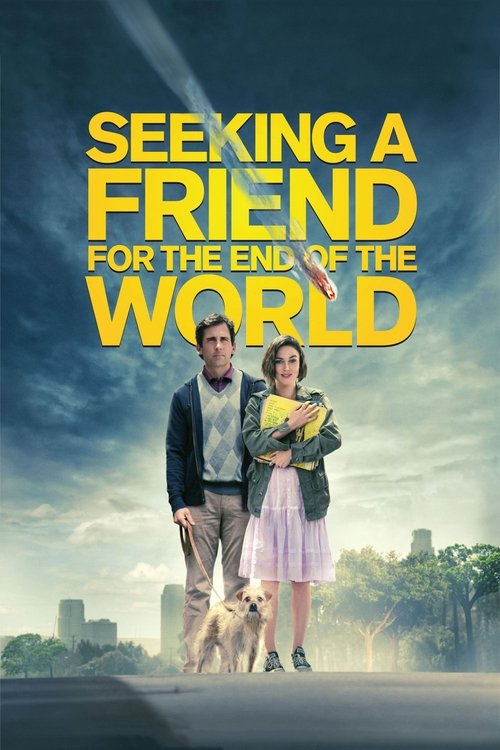
He tries to return to work as an insurance agent, but that seems pointless, as does a bacchanal thrown by friends that feels like a more urgent yet equally pathetic version of the key party in The Ice Storm .
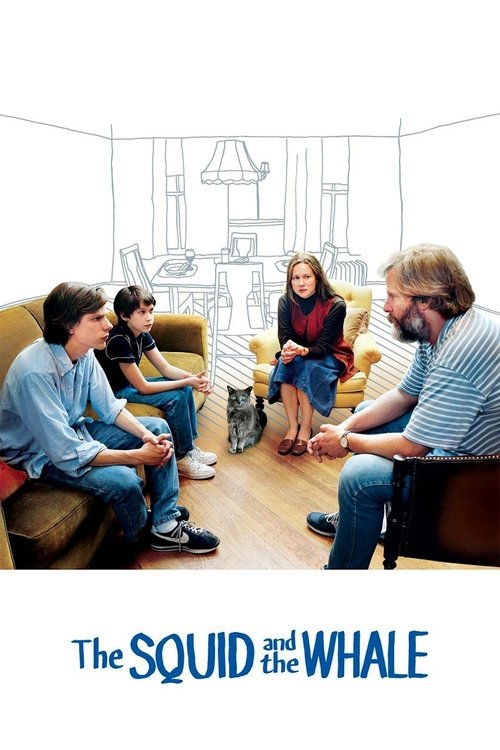
Deftly fusing both comedy and tragedy, the film joins The Ice Storm, The Royal Tenenbaums, and The Life Aquatic with Steve Zissou (which Baumbach co-wrote with Wes Anderson) as one of the strongest recent features about the far-reaching consequences of adultery and divorce.