
James Frawley
12 connections found
View:
Connections, in both directions
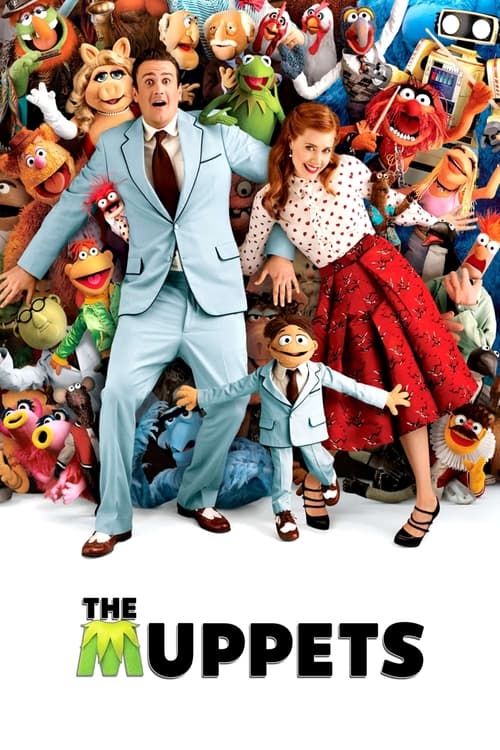


Segel and Adams demonstrate a joyful earnestness in several musical numbers (for what’s a Muppet movie without song and dance?) that could have easily fallen flat, while Cooper’s gleefully villainous portrayal of oil tycoon Tex Richman echoes that of Charles Durning’s turn as frog-legs merchant Doc Hopper in The Muppet Movie (1979).
I am first not entirely convinced of the honesty of the theme: while the plot of The Muppets neatly mirrors its practical function to Walt Disney Pictures, attempting to prove the financial viability of the classic characters with a target audience that was not yet born at the release of their last truly great vehicle, the 1992 picture The Muppet Christmas Carol , it's really not at all the case that Kermit, at least, has been invisible for so long that your average 12-year-old has absolutely no idea who he is, and the film goes even farther by suggesting without saying it outright that the last time anybody cared about the Muppets was at the time of 1979's The Muppet Movie , and that's just plain insanity (The Muppet Show itself stayed on the air until 1981, and it wasn't poor ratings that ended it).
The Bottom Line: "The Muppets" may not have all the magic Henson and Oz brought to the original "Muppet Show" or the equally brilliant "The Muppet Movie," but we'll give Segel et al credit for trying and it's incredibly hard to fully fault a movie with such a terrific finale.
That distinction belongs to the decision by Segel -- who co-wrote the script with Nicholas Stoller (" Get Him to the Greek ") -- to follow the blueprint used in "The Muppet Movie."
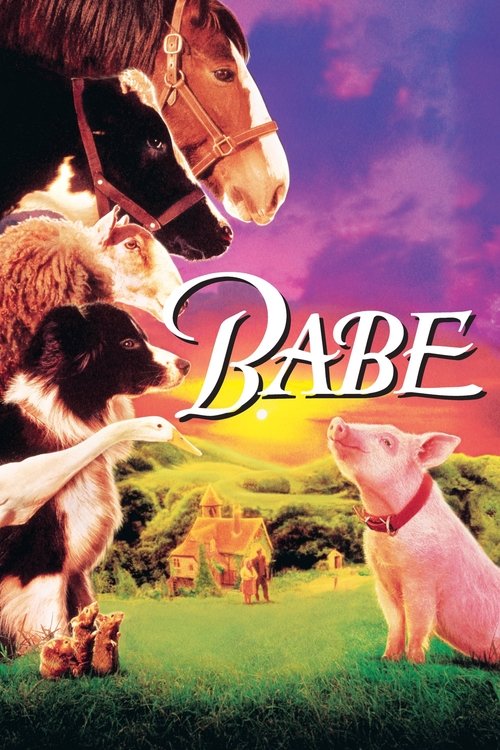
Babe deserves a proud place next to movies like: The Wizard of Oz, The 5000 Fingers of Dr. T, Willy Wonka and the Chocolate Factory, The Muppet Movie, E.T., and The Witches.
In terms of concept, it's like a magical yoking of Charlotte's Web to The Muppet Movie, with a slew of real animals, so-called "animatronic" creations, and computer animation all collaborating on a fairy tale about finding one's rightful place in a harsh world.

The Mandalorian and Grogu (2026)
Directed by Jon Favreau
influenced by The Muppet Movie (1979)
Visuals
…there's never quite the same moment of wonder as the first time I saw Kermit on a bicycle…

Swearnet: The Movie is, if you will, The Muppet Movie version of how Swearnet: The Website came to be, offering up a lightly fictionalized version of the site's origin with the three principals playing themselves.
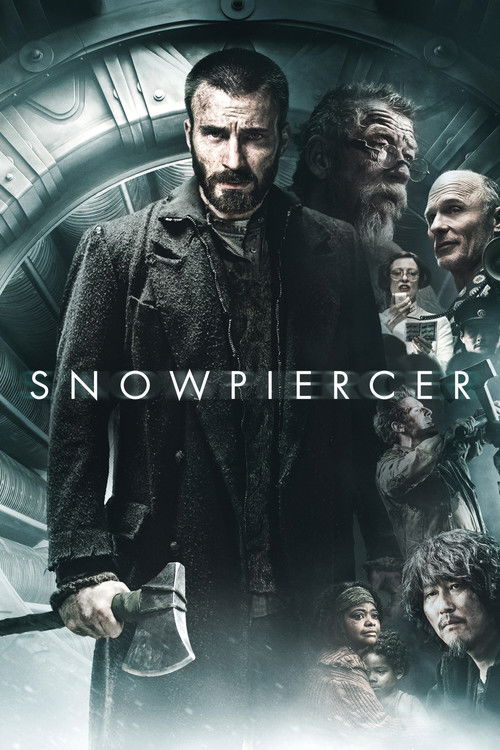
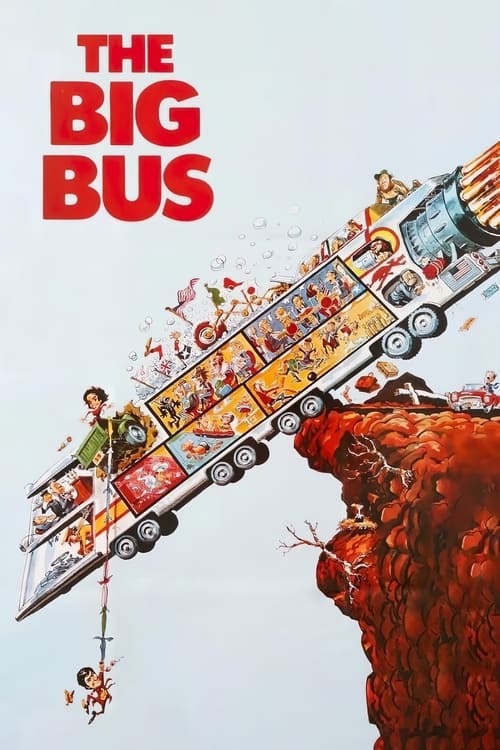
Unlike The Big Bus, Bong’s sci-fi spectacle/political allegory is deadly serious with the exception of Tilda Swinton’s arch performance as Mason, the wealthy trainmaster’s somewhat androgynous secondhand man/woman.

It's kind of like The Muppet Movie, in the way that it's fun, but cool at the same time.
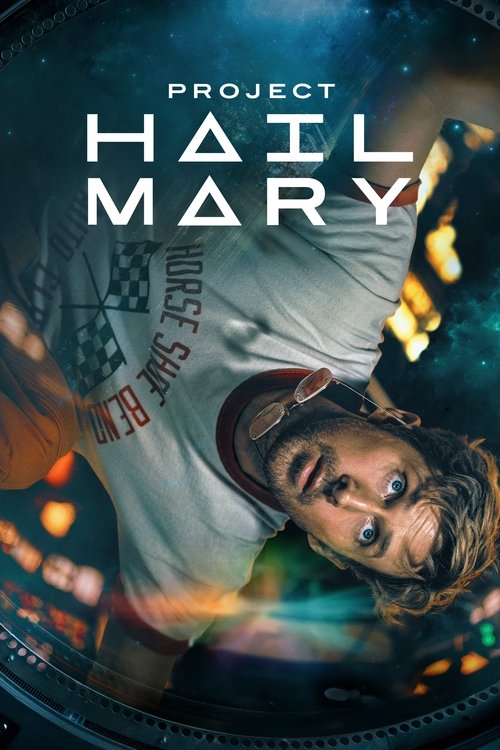
Ryan Gosling passes the Muppet test with Project Hail Mary, even though it’s not a Muppet movie.
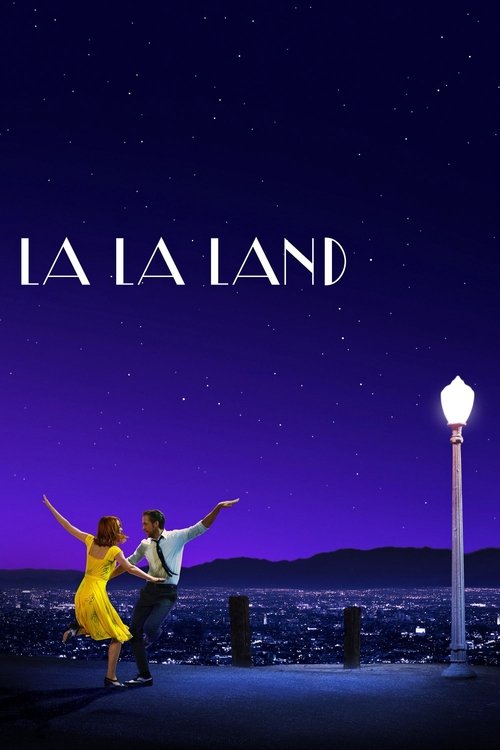
In her designated showstopper, Stone manages to deliver a salute to what The Muppet Movie calls “the lovers, the dreamers, and me,” with a conviction that carries us along, even if the number itself does resemble Kermit the Frog’s “Rainbow Connection” reshaped as a torch song.
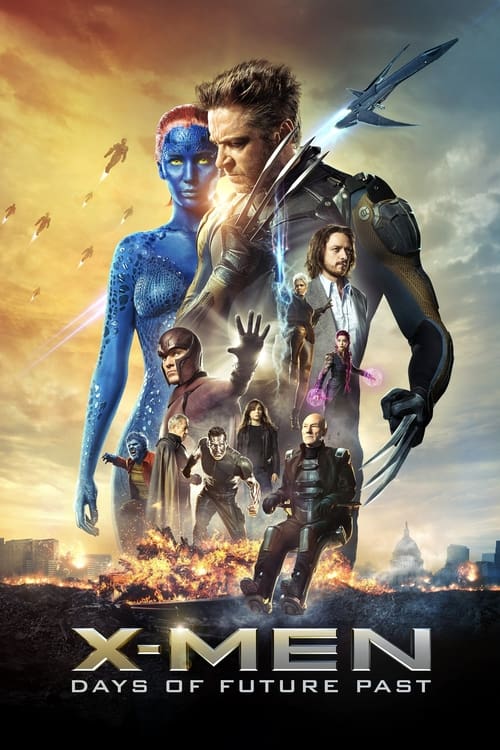
X-Men: Days of Future Past (2014)
Directed by Bryan Singer
influenced by The Muppet Movie (1979)
Plot
Still, the film's fundamentals are very similar to The Muppet Movie and The Muppets, because at its core are a bunch of weirdos—a couple blue people, a metal dude, a toad-man, a gigantic metal guy, a soldier with hedgehog spikes and two grumpy old men among them—traveling around the globe, trying to get the band together and getting into adventures.
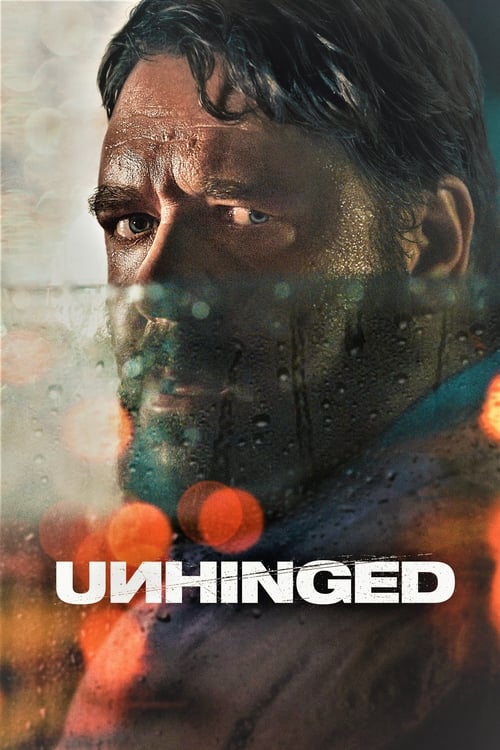
Two decades after Kiwi cricketers Martin and Jeff Crowe’s cousin Russell ruled the acting world with the triple-punch of The Insider, Gladiator and A Beautiful Mind , Unhinged offers up a performance that’s a shadow of his former glories from a man who looks twice the size (think Island of Dr Moreau -era Brando or Orson Welles circa The Muppet Movie ).
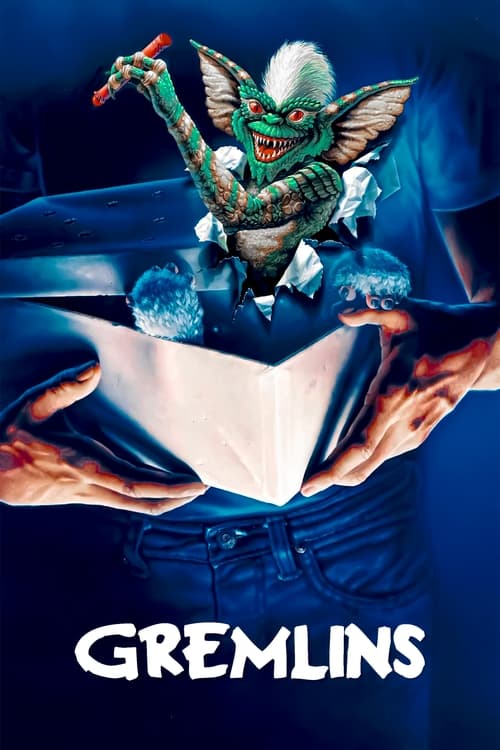
Think of ''The Muppet Movie'' run amok.

The attempt to integrate live-action with "muppetry" is ambitious, no question, yet it remains a mystery as to why Labyrinth looks so bad, particularly when compared to the enduring triumph of The Muppet Movie and its sequels.