

Baz Luhrmann

Connections, in both directions
The Bride! (2026)
Directed by Maggie Gyllenhaal
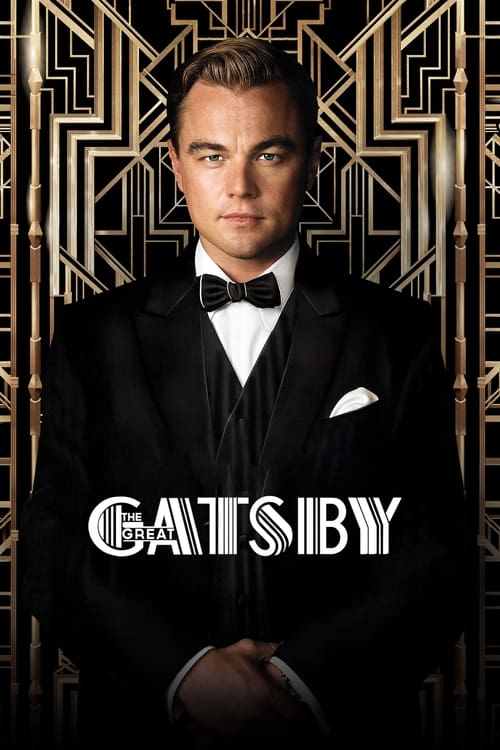
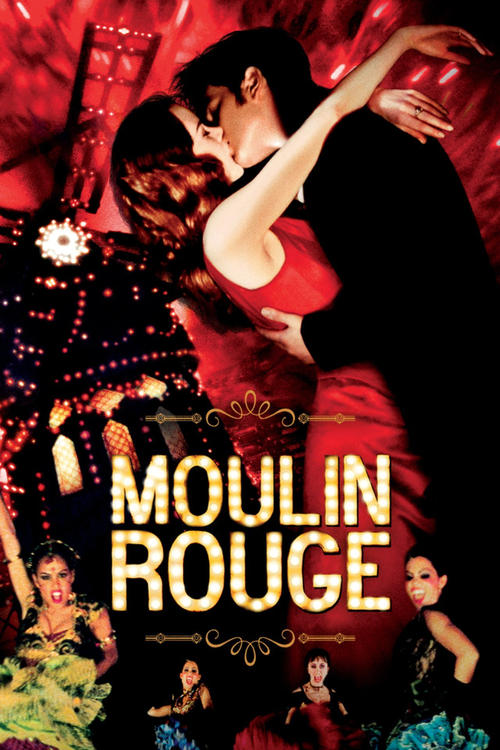
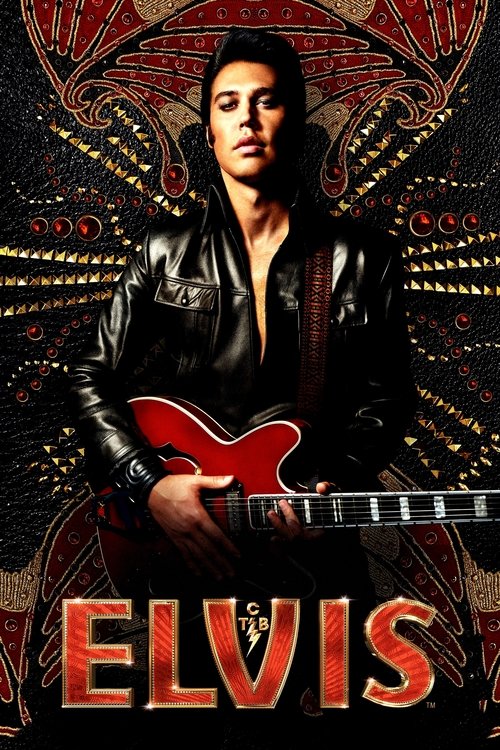
influenced by Moulin Rouge! (2001), The Great Gatsby (2013), Romeo + Juliet (1996), Elvis (2022)



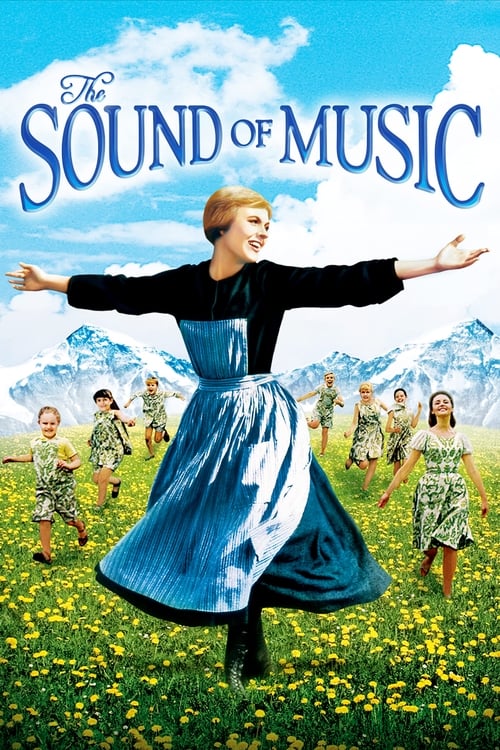
The Sound of Music (1965)
Directed by Robert Wise
influenced Moulin Rouge! (2001)
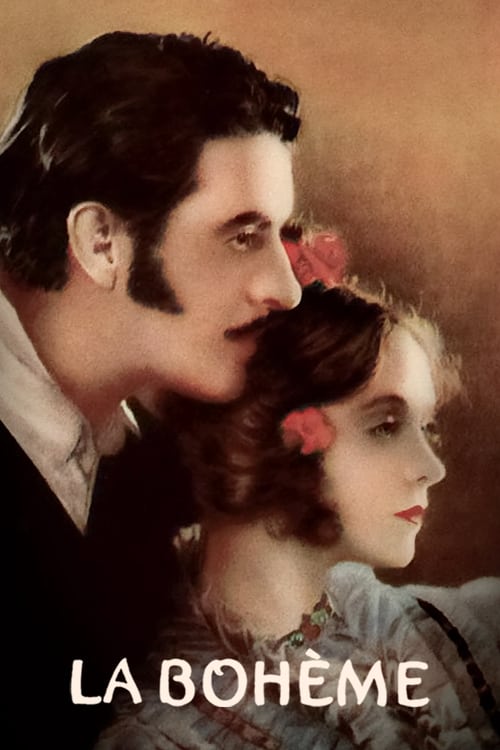
La Bohème (1926)
Directed by King Vidor
influenced Moulin Rouge! (2001), The Great Gatsby (2013)

Anna Karenina (2012)
Directed by Joe Wright
influenced Moulin Rouge! (2001), The Great Gatsby (2013)

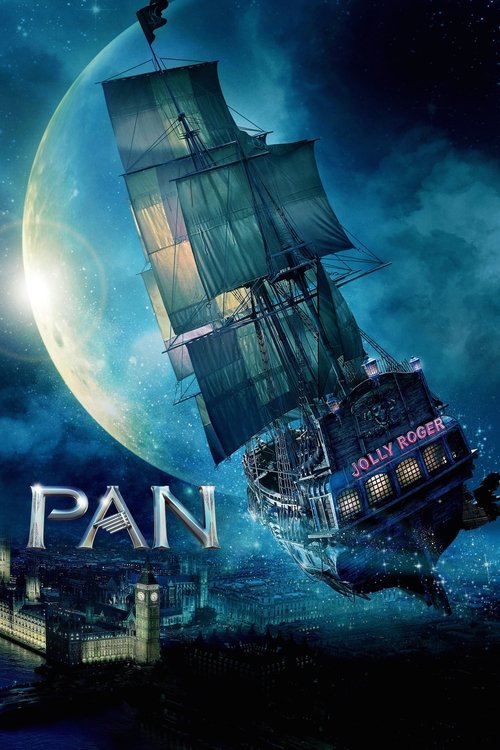
Pan (2015)
Directed by Joe Wright
influenced by Moulin Rouge! (2001), The Great Gatsby (2013)
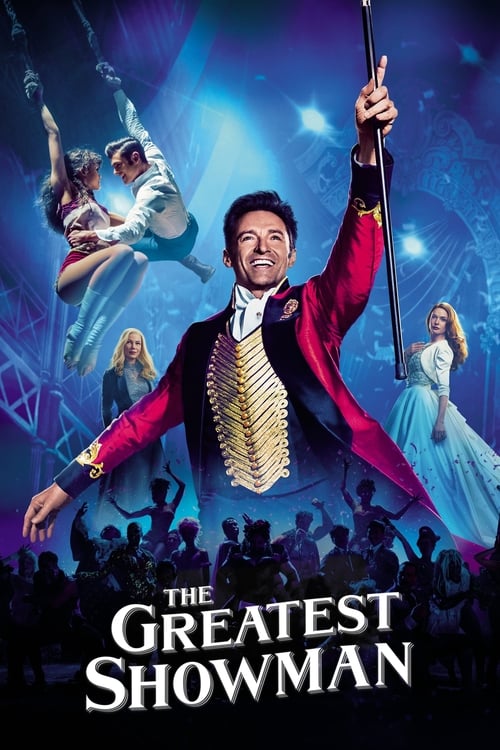
The Greatest Showman (2017)
Directed by Michael Gracey
influenced by Moulin Rouge! (2001), Strictly Ballroom (1992)
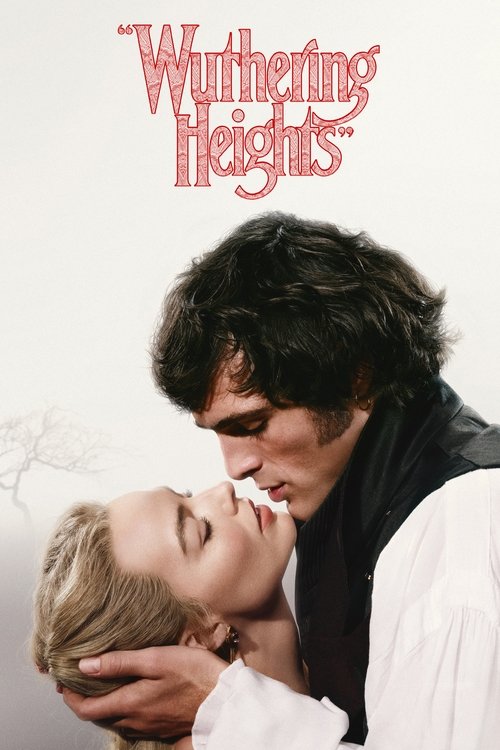
"Wuthering Heights" (2026)
Directed by Emerald Fennell
influenced by Romeo + Juliet (1996), The Great Gatsby (2013)
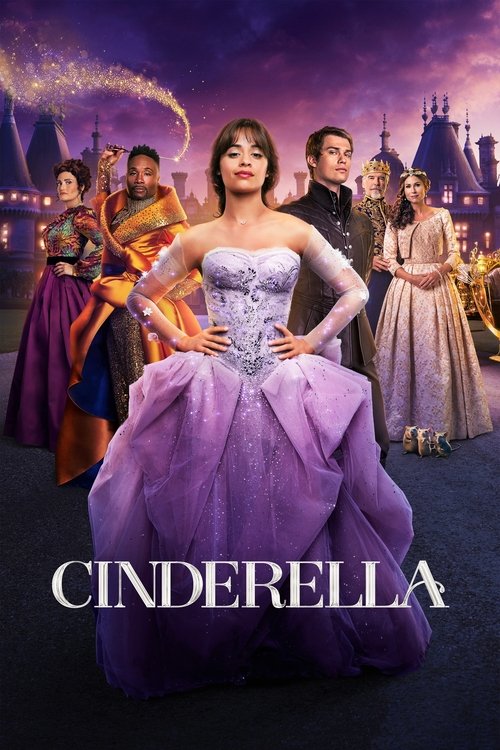
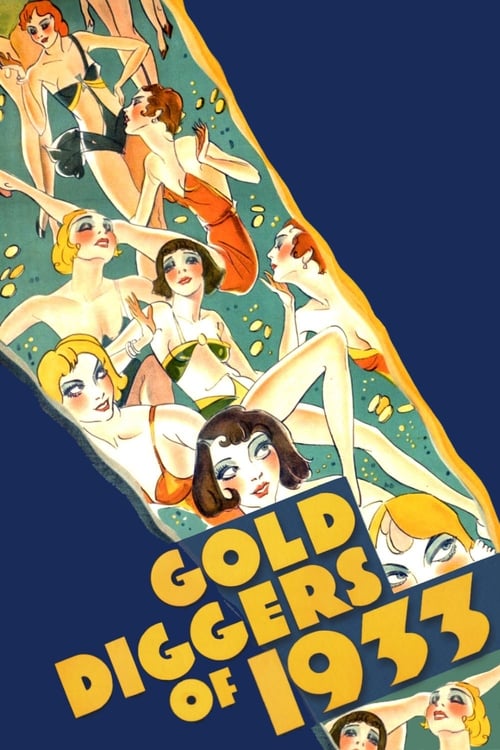

Springsteen: Deliver Me from Nowhere (2025)
Directed by Scott Cooper
influenced by Elvis (2022)
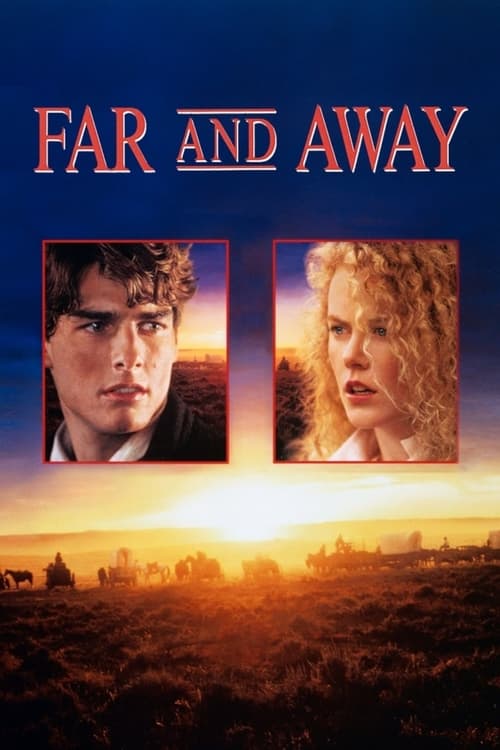
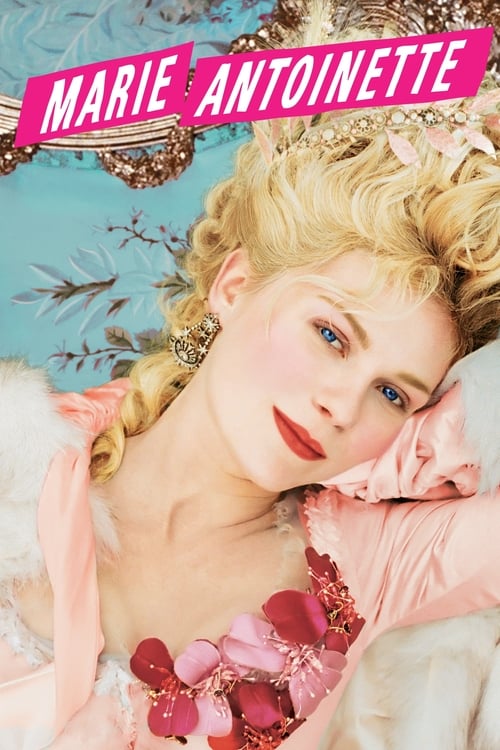
Marie Antoinette (2006)
Directed by Sofia Coppola
influenced The Great Gatsby (2013), Moulin Rouge! (2001)
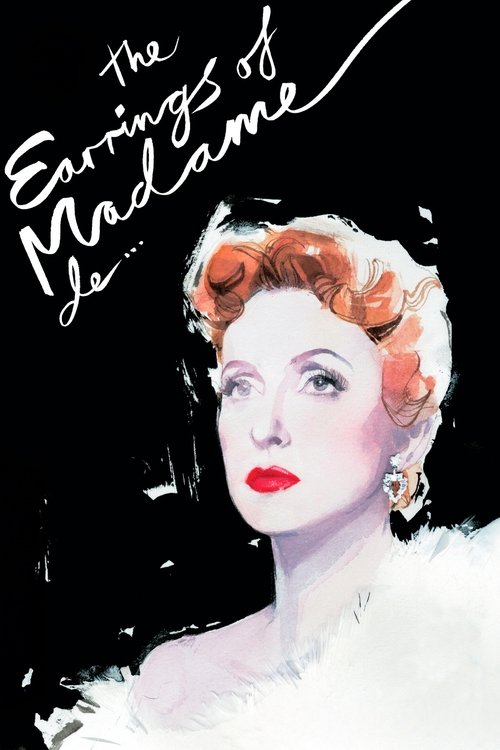
The Earrings of Madame de... (1953)
Directed by Max Ophüls
influenced The Great Gatsby (2013)