

Anna Karenina (2012)
Directed by Joe Wright
In Imperial Russia, Anna, wife of the officer Karenin, goes to Moscow to visit her brother. On the way, she meets charming cavalry officer Vronsky, to whom she's immediately attracted. But in St. Petersburg’s high society, a relationship like this could destroy a woman’s reputation.
4 connections found
View:
4 films that influenced Anna Karenina
What critics say influenced Anna Karenina
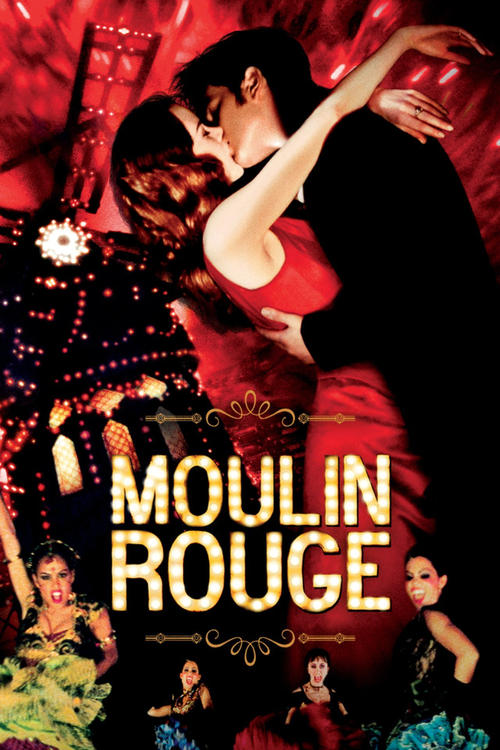


It’s like a crackpot combination of Baz Luhrmann’s “Moulin Rouge!”, Ingmar Bergman’s “The Magic Flute” and Lars von Trier’s “Dogville.”
This is the kind of conceptual schema one might expect from a faux visionary like Baz Luhrmann (“Romeo and Juliet,” “Moulin Rouge!”) and not the director of “Atonement” or that fine Jane Austen adaptation “Pride and Prejudice” (both starring Knightley to far better advantage).
Lars von Trier’s “Dogville’’ (another tale of a woman punished for breaking the rules) unfolded on an even more minimalist stage set, and Baz Luhrmann’s “Moulin Rouge!’’ was an orgy of theatrical excess, but those movies are saved by their sheer inability to say uncle.
At its most frantic the cutting and staging here veers perilously close to Baz Luhrmann "Moulin Rouge!" territory for comfort.
In terms of theatrical style, think Baz Luhrmann’s Moulin Rouge! without the songs and high camp tone.
Certainly one can understand why there may be hope the filmmaker who made Jane Austen’s “Pride & Prejudice” into a terrific movie beyond the source material could do the same for Tolstoy’s tome, especially by reuniting with that film’s star Keira Knightley, but from the opening credits, it’s abundantly obvious Wright has decided to create his own personal “Moulin Rouge!” with the material, setting the film’s opening on a large soundstage dressed up with moving backdrops.
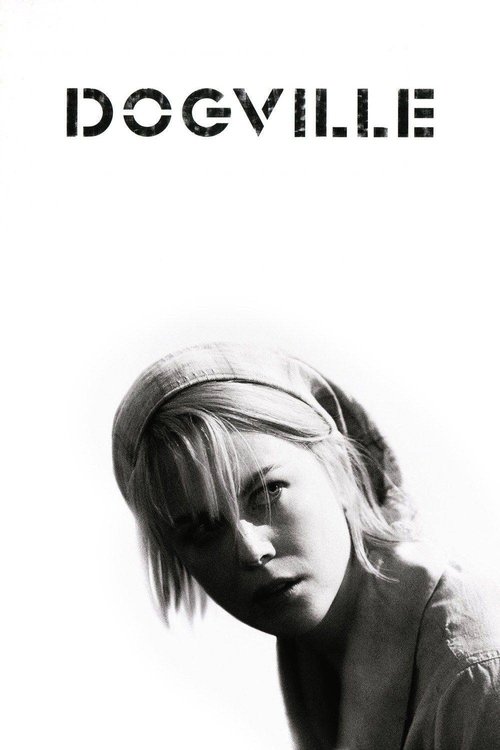
It’s like a crackpot combination of Baz Luhrmann’s “Moulin Rouge!”, Ingmar Bergman’s “The Magic Flute” and Lars von Trier’s “Dogville.”
Lars von Trier’s “Dogville’’ (another tale of a woman punished for breaking the rules) unfolded on an even more minimalist stage set, and Baz Luhrmann’s “Moulin Rouge!’’ was an orgy of theatrical excess, but those movies are saved by their sheer inability to say uncle.
Lars von Trier adopted the empty Brechtian sound stage for Dogville and Manderlay as a removal of the fourth wall and with no artifice von Trier boiled down the drama.
Other films - from Lars von Trier's "Dogville" to Andre Gregory and Louis Malle's "Vanya on 42nd St." - have used this device before, filming their productions on mostly bare stages.
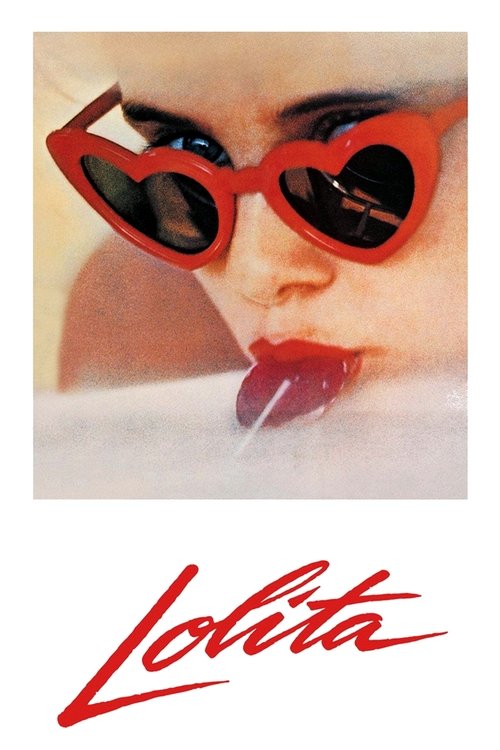
"How did they ever make a movie of Lolita?" was that film's famous poster tagline, but Kubrick promptly answered the question.
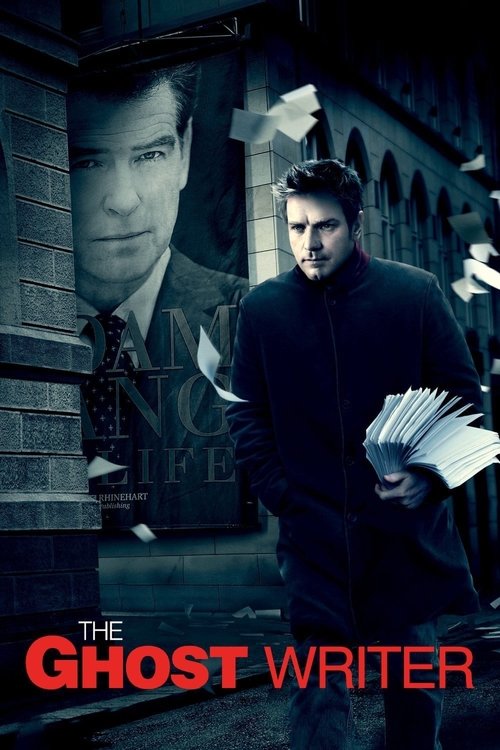
Later, having traveled by train in the same compartment as Countess Vronsky (Olivia Williams, "The Ghost Writer," "Hanna"), her future lover's mother, Anna is horrified when a railroad worker is killed on the tracks.