

Damián Szifron
20 connections found


View:
Connections, in both directions


The stories are rather facile, their ironies unilluminating; contrary to the suggestion of its Oscar validation and overall success (the movie swept Argentina’s equivalent of the Academy Awards, and is the biggest homegrown box-office hit in that country’s history), the film is not an advance, in themes or style, over such predecessors as the omnibus horror thrillers of the 1960s and ’70s (“Black Sabbath,” “Tales from the Crypt”).
That focus places the tone somewhere between The Twilight Zone and Tales from the Crypt , kicking off with the terrific pre-credits prologue, and including an effectively brutal segment about a case of road rage gone over-the-top.
Much like the British horror anthologies (Tales From The Crypt, Dr. Terror's House Of Horrors, etc.) of the late '60s and early '70s, Szifrón's thematically linked tales suggest that the line between humanity and savagery is thinner than we would like to admit.
Fired by “the undeniable pleasure of losing control”, Szifron’s scabrously satirical compendium owes as much to the American TV show Tales from the Crypt as to the scandalous European subversions of Luís Buñuel.
But rather than being straight-up Tales from the Crypt grotesques, these vignettes are tinged with class consciousness and shadowed by the fallacy that revenge is empowering.
Consistently darker than the others, it also echoes Nuri Bilge Ceylan’s 2008 drama Three Monkeys, which was not a laugh riot.

“El más fuerte” (“The Strongest”): What starts off resembling a Spanish-version of the Matthew McConaughey car commercials (down to direction and easy-listening music) soon turns into a more personal take on Steven Spielberg’s Duel.
Indeed, the third chapter begins with a simple outburst of road-rage that snowballs into something like Steven Spielberg’s Duel by way of Raising Arizona.
Maybe not since Spielberg's Duel has there been such an efficient use of cars at war in a wilderness.

The stories are rather facile, their ironies unilluminating; contrary to the suggestion of its Oscar validation and overall success (the movie swept Argentina’s equivalent of the Academy Awards, and is the biggest homegrown box-office hit in that country’s history), the film is not an advance, in themes or style, over such predecessors as the omnibus horror thrillers of the 1960s and ’70s (“Black Sabbath,” “Tales from the Crypt”).
Violence has been a subject drilled into film study since a bandit first aimed his pistol directly at the camera in 1903’s The Great Train Robbery.
The arc is predictable, the resolution simpleminded, but this is the purest of all the tales, the one that distills the mad-as-hell vigilante genre that has fueled American cinema since at least the days of Charles Bronson in Death Wish.
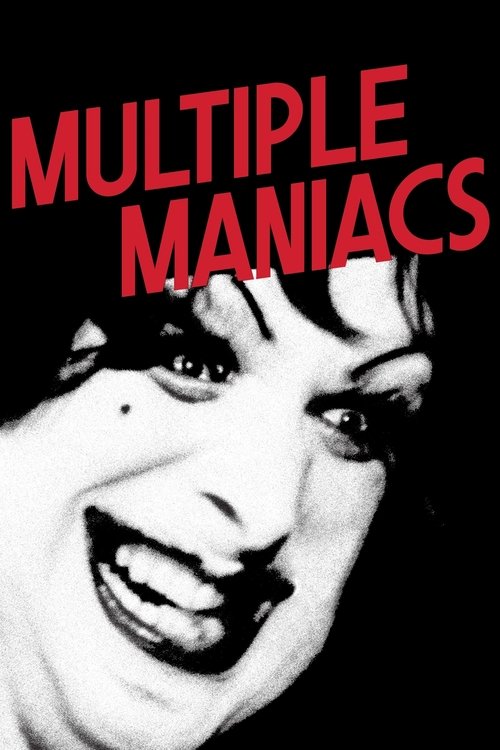
An anthology film that calls itself Wild Tales can only truly deliver on its moniker by offering stories comparable to the insane likes of, say, Luis Buñuel's 1929 Un Chien Andalou (with that infamous eyeball-slicing scene), John Waters' 1970 Multiple Maniacs (featuring a character called The Puke Eater as well as the sight of a 15-foot-long lobster raping Divine) and David Lynch's 1977 Eraserhead (wild from first frame to last).
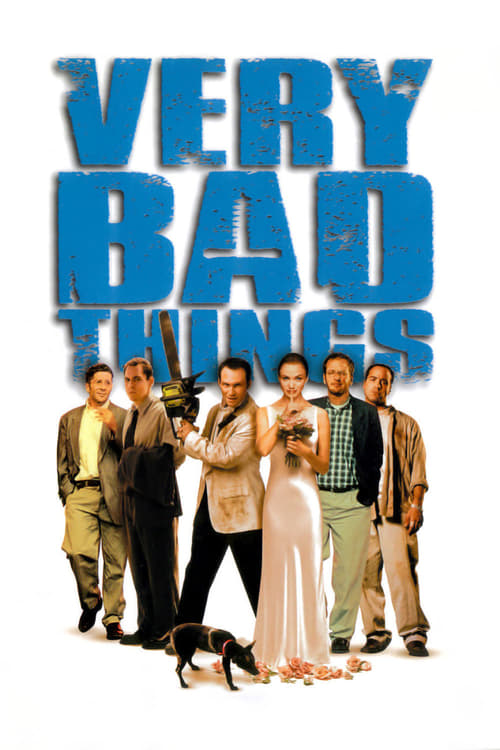
It's a shame that Peter Berg already named his bitter 1998 debut film Very Bad Things.
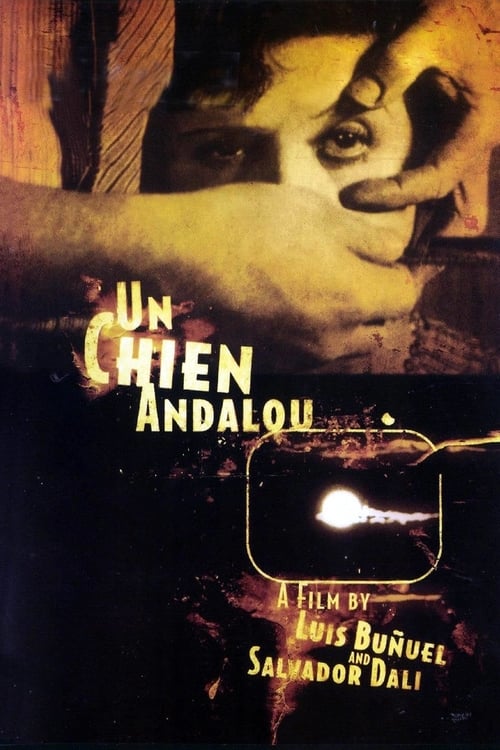
An anthology film that calls itself Wild Tales can only truly deliver on its moniker by offering stories comparable to the insane likes of, say, Luis Buñuel's 1929 Un Chien Andalou (with that infamous eyeball-slicing scene), John Waters' 1970 Multiple Maniacs (featuring a character called The Puke Eater as well as the sight of a 15-foot-long lobster raping Divine) and David Lynch's 1977 Eraserhead (wild from first frame to last).
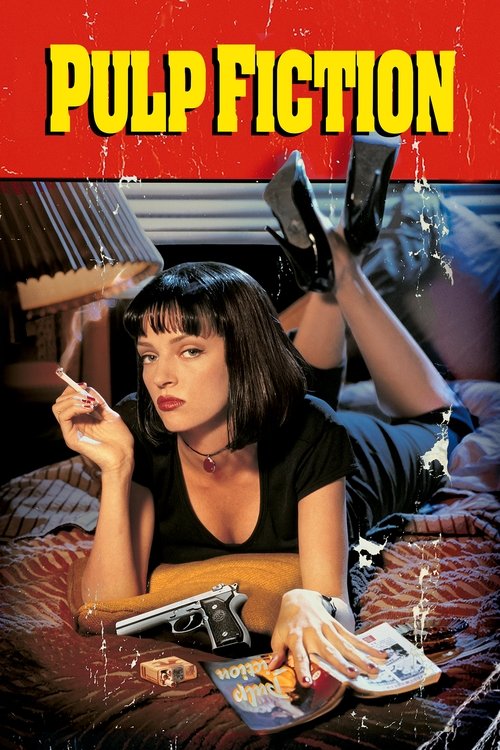
A collection of six vignettes all connected by themes of victimhood and vengeance, and spring-loaded with ironic twist endings worthy of O. Henry, the film feels like Pulp Fiction filtered through the baroque pop sensibility of Pedro Almodóvar (one of the movie’s producers).
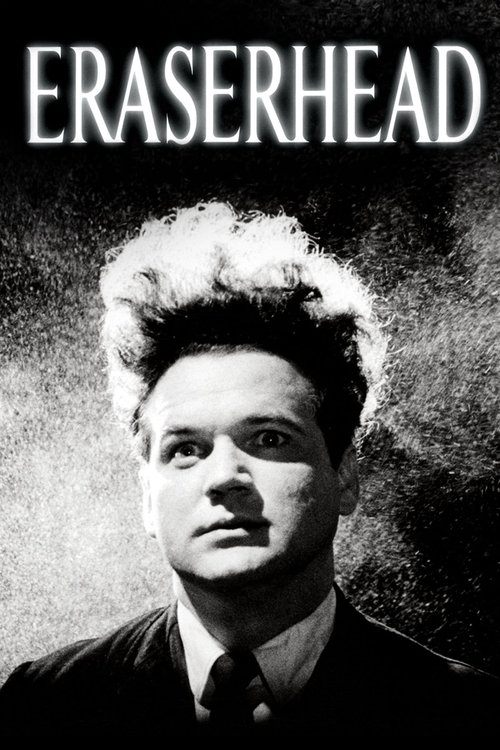
An anthology film that calls itself Wild Tales can only truly deliver on its moniker by offering stories comparable to the insane likes of, say, Luis Buñuel's 1929 Un Chien Andalou (with that infamous eyeball-slicing scene), John Waters' 1970 Multiple Maniacs (featuring a character called The Puke Eater as well as the sight of a 15-foot-long lobster raping Divine) and David Lynch's 1977 Eraserhead (wild from first frame to last).
The master of Jackie Brown might believe in romantic love, at least as a plot device, but he rarely shows an interest in what people really do with their flesh.
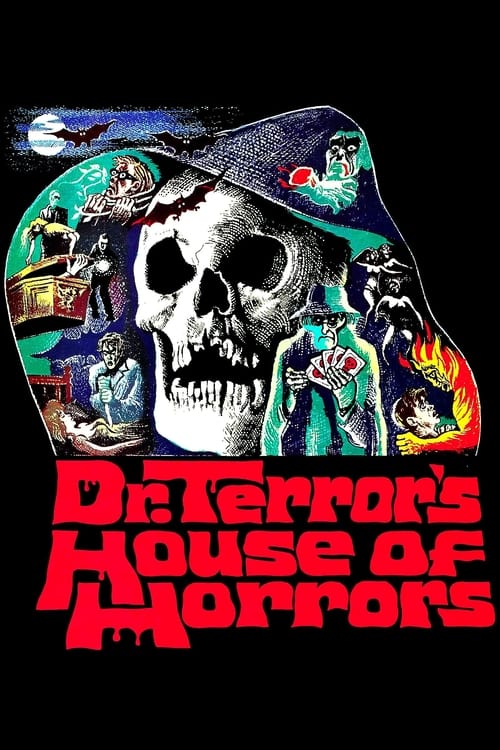
Much like the British horror anthologies (Tales From The Crypt, Dr. Terror's House Of Horrors, etc.) of the late '60s and early '70s, Szifrón's thematically linked tales suggest that the line between humanity and savagery is thinner than we would like to admit.
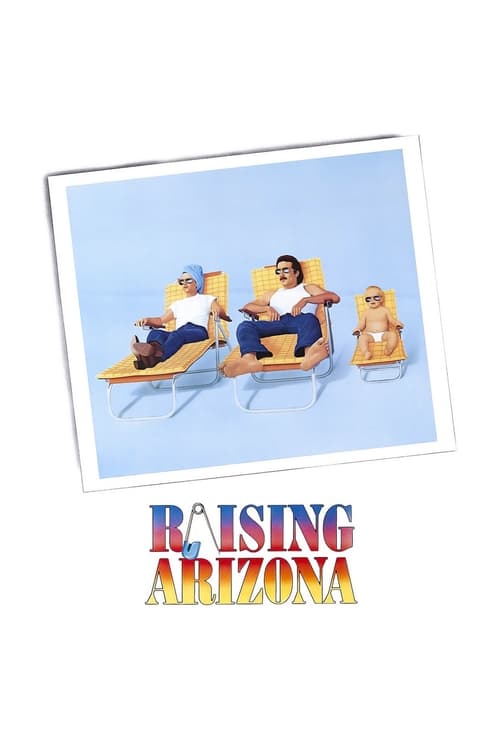
Indeed, the third chapter begins with a simple outburst of road-rage that snowballs into something like Steven Spielberg’s Duel by way of Raising Arizona.
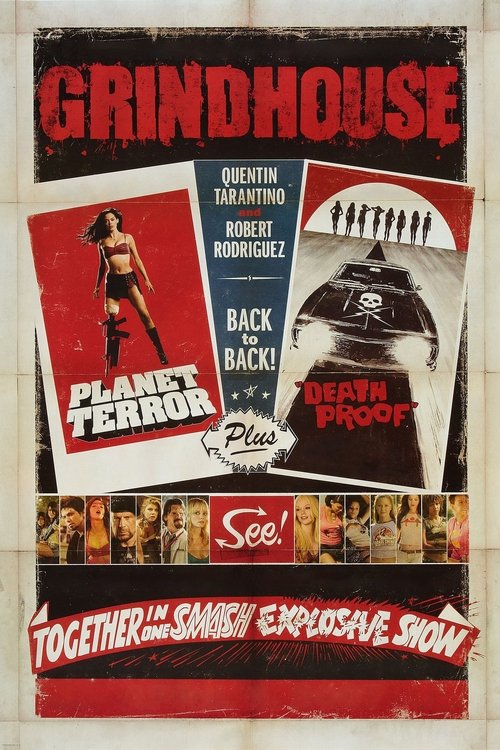
Much of “Wild Tales” is owed to Tarantino’s “Grindhouse,” “Creepshow” and O. Henry, not to mention Pedro Almodóvar, who produced Damián Szifrón’s subtle social commentary on Argentinean class and sense of justice and elevated it to the world stage.
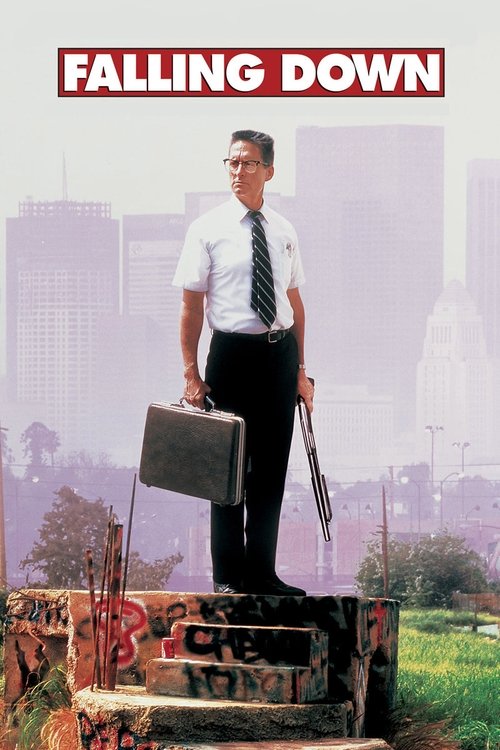
The fourth segment sees a demolitions expert (Ricardo Darín) getting fed up in Falling Down fashion after his car is repeatedly towed by an indifferent government.
Yet the irony in cinema is the popularity of the anthology, most notably in the horror genre, although outlier examples include: Robert Altman's Short Cuts (1993), an adaptation of stories by Raymond Carver, Damián Szifron's dark comedy Wild Tales (2014), and now Joel and Ethan Coen's six part western anthology, The Ballad of Buster Scruggs (2018).
Yet director Damian Szifron doesn't cook up an Amores Perros-style cauldron of guts.

The subsequent five stories — yarns centering on a waitress out for revenge ("The Rats"), a yuppie and a yahoo engaged in road rage ("Road to Hell"), a demolition expert (Ricardo Darín, star of Argentina's Oscar-winning The Secret in Their Eyes) experiencing a particularly vexing string of unfortunate incidents ("Little Bomb"), the cover-up of a hit-and-run ("The Proposal"), and a wedding in which admissions of infidelity fly fast and furious ("Til Death Do Us Part") — all prove to be entertaining, even if they're only able to offer outrageousness in carefully measured doses ("Road to Hell" arguably comes closest to go-for-broke consistency).
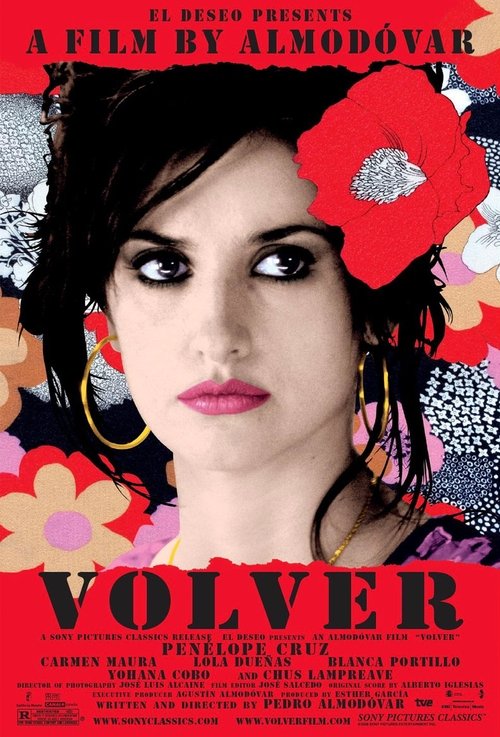
But Szifrón never taps into the operatic emotions or melodramatic madness of recent Almodóvar films like “Talk to Her” (2002) and “Volver” (2006); even “I’m So Excited!” (2013), a bit of Pedro frou-frou set on an airplane, has more heft than this movie’s “Pasternak” segment, which is really just a one-idea joke, albeit a good one.