
Mike Flanagan
133 connections found


View:
Connections, in both directions
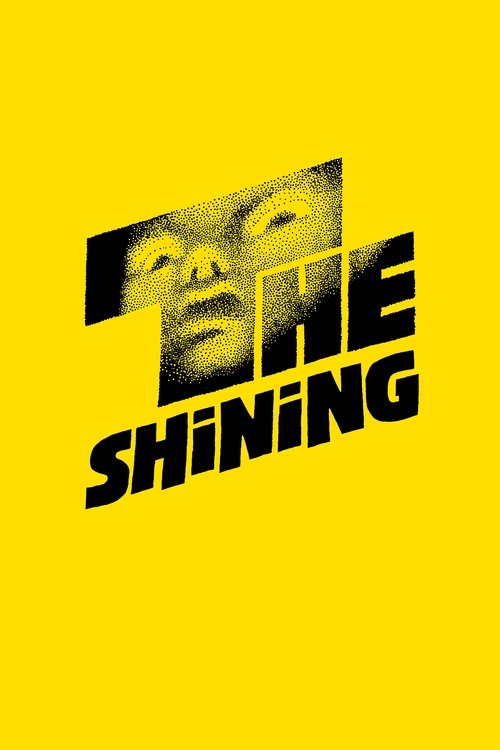
The Shining (1980)
Directed by Stanley Kubrick
influenced Doctor Sleep (2019), Oculus (2014), The Life of Chuck (2025)
Plot


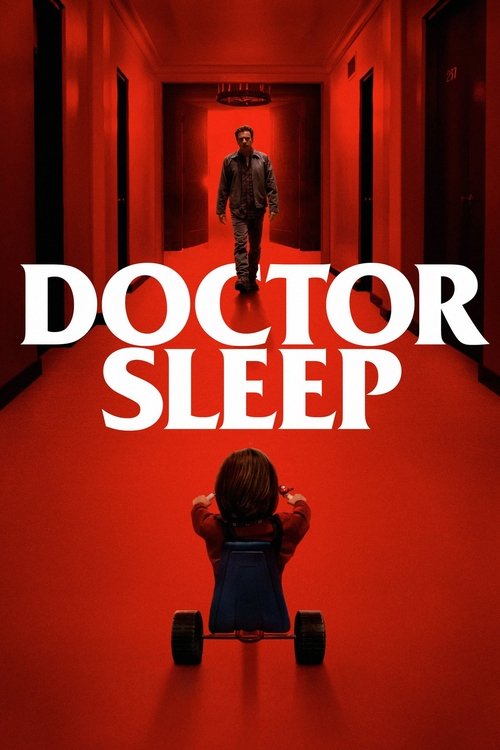
…a Doctor Sleep that somehow functioned as a sequel to both versions of The Shining…
…a so-so Stephen King novel, "The Shining" sequel "Dr. Sleep,"…
When most people think of Stephen King on film, titles like Carrie, Cujo, Pet Sematary, It, Misery, or The Shining immediately come to mind.
Director Mike Flanagan ( Gerard’s Game ) does an excellent job in paying homage to, and continuing the story of The Shining , in both its literary and film versions.
Doctor Sleep, the nearly 40-years-later sequel to The Shining that arrives this week, is instead built around another aspect of that film that I never considered nearly as compelling—the "shining" of the title, possessed by the young Danny Torrance, which is a combination of psychic powers and the ability to communicate telepathically.
It’s not news to suggest that Stanley Kubrick’s horror masterpiece The Shining (1980) does a questionable job adapting Stephen King‘s equally brilliant novel (1977) to the screen.
Near Dark (1987)
Directed by Kathryn Bigelow
influenced Doctor Sleep (2019)
Themes Visuals Characters Plot
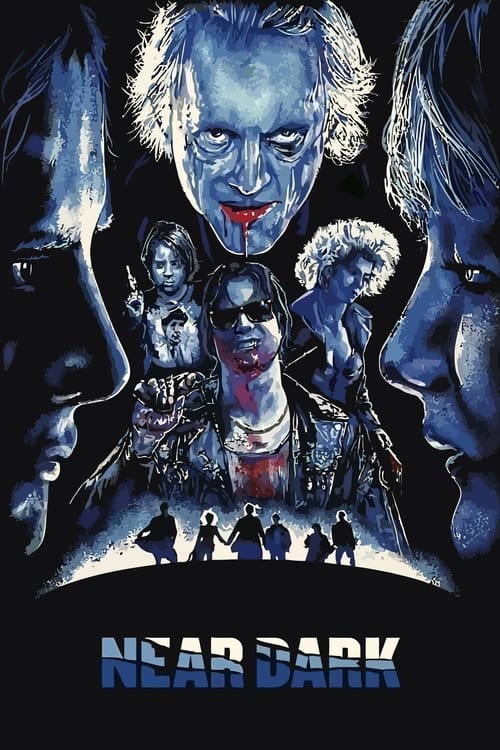
Flanagan has mentioned being inspired by the likes of Near Dark , taking Ferguson and her brood down the path of being like a malevolent group of immortal carnies.
Rose the Hat is a fascinating, layered villain as she commands a group of immortality-seeking psychic vampires, who aesthetically owe a debt to Kathryn Bigelow’s criminally underrated Near Dark (1987).
These "vampires" are new: nomadic, like the bloodsuckers from Near Dark , but interested only in "eating" fear and pain in the form of "steam" that sublimates from their victim's lips at the moment of their death.
Led by the seductively malevolent Rose The Hat (Rebecca Ferguson, enjoyably flamboyant in her big-bad role), these nomadic Near Dark predators treat their pint-sized prey like living vape pens; triggering their pain and fear, they suck the shining straight out of them in puffs of vapor, slowing their own aging process.
A group of sinister Near Dark ish nomads encircle a little girl with the intent to abduct and, we soon learn, consume her.
The Shawshank Redemption (1994)
Directed by Frank Darabont
influenced The Life of Chuck (2025), Doctor Sleep (2019)
Themes Plot
The Life of Chuck isn’t a horror movie any more than Shawshank Redemption is, but it does deal with an unseen monster of a kind…
Take The Shawshank Redemption and The Green Mile, two powerful dramas that prove his storytelling reaches deeper than just scares.
…self-affirming parable sharing the same optimistic outlook as non-horror King adaptations like The Shawshank Redemption and Stand By Me.
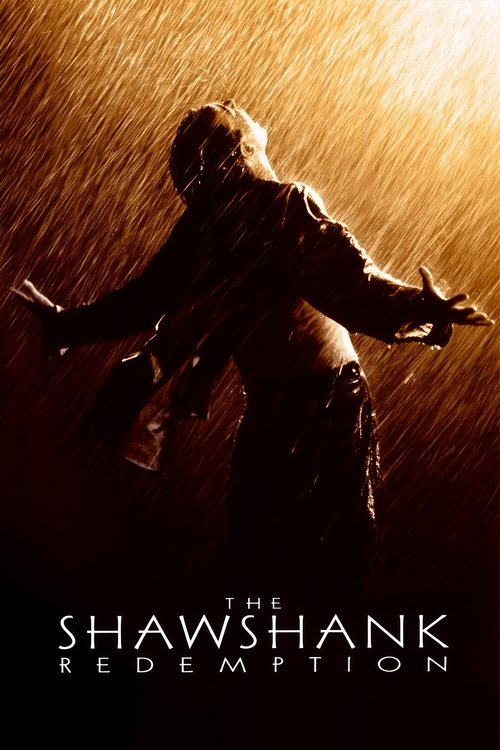
Rather, it swims in that same “get busy living … or get busy dying” carpe diem current as another classic King adaptation, Frank Darabont’s The Shawshank Redemption.
…director Mike Flanagan takes on a new story of wonder in the vein of The Shawshank Redemption and The Green Mile…
…it’s not a prison drama like The Shawshank Redemption either.
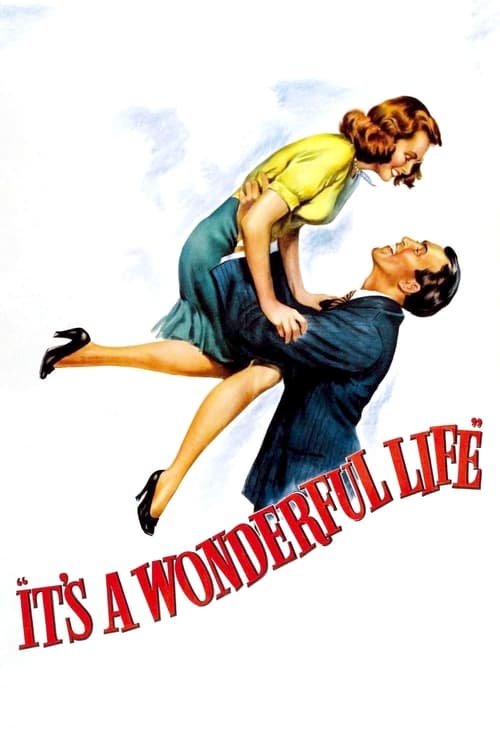
…like Shawshank or the thematically similar It’s A Wonderful Life, feels destined to be around long after today’s hits are forgotten…
I’d call it a spin on “It’s a Wonderful Life” for the Trump era, when angels have a hell of a time getting their wings.
Ironically, It’s A Wonderful Life becomes a decent comparison point, since Frank Capra’s classic is a rather pensive film, too. But even in 1946, Capra knew that one line of dialogue, “a toast to my big brother, George, the richest man in town,” spoke louder than any amount of authorial philosophizing ever could.
And some viewers will undoubtedly be as moved by it as they are by films like “It’s a Wonderful Life.”
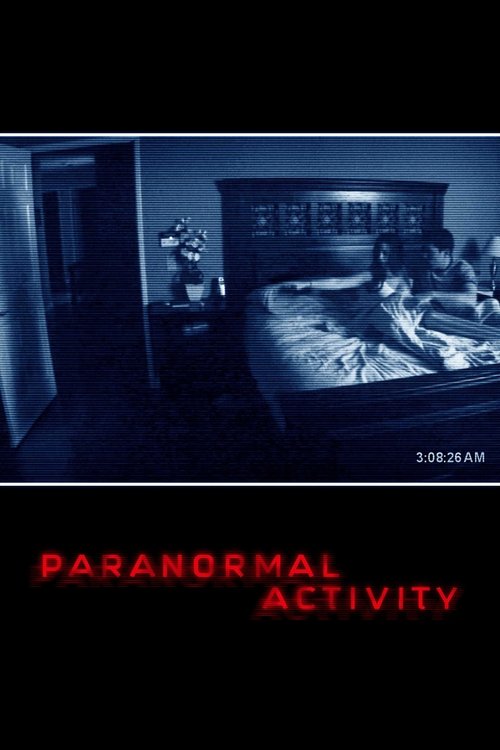
Don’t just sit there waiting for Hollywood to pour out another Paranormal Activity or some new sequel slasher flick you keep pretending to be scary.
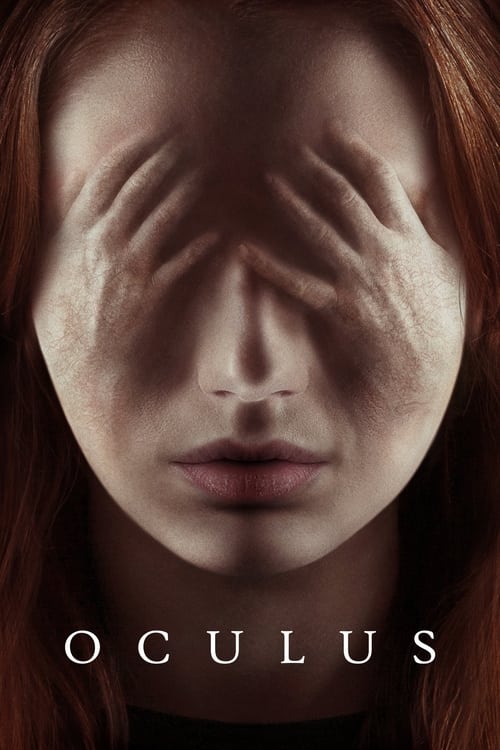
The mirror problem stems from the evil antique at the center of this intricate horror story from the producers of "Insidious" and "Paranormal Activity."
Appropriately being co-released by microbudget fear factory Blumhouse Production — its founder, Jason Blum, helped turn the scrappy productions “Paranormal Activity” and “The Purge” into profitable franchises — much of the new movie’s chilly atmosphere involves the experiences of two characters in a room with one very ominous mirror.
Sure the film’s central, malevolent mirror is able to alter the perception of those caught in its grasp, but this is really more of a gonzo elaboration of Stanley Kubrick’s The Shining than yet another Paranormal Activity style spooker.
Just to name a few, we’re talking about “Paranormal Activity” (2007), “Paranormal Activity 2” (2010),” “Paranormal Activity 3” (2011), “Sinister” (2012), “Paranormal Activity 4” (2012), “The Purge” (2013)”, “Insidious: Chapter 2” (2013), “Paranormal Activity: The Marked Ones” (2014) and now “Oculus”.
He has turned an enormous profit on similar films in the Paranormal Activity series, Insidious: Chapter 2 and The Purge .
McGregor recalls a young Donald Sutherland here, his understated panic not unlike Sutherland’s in Klute and Don’t Look Now.
The Green Mile (1999)
Directed by Frank Darabont
influenced The Life of Chuck (2025), Doctor Sleep (2019)
Themes Plot Characters
Take The Shawshank Redemption and The Green Mile, two powerful dramas that prove his storytelling reaches deeper than just scares.
…director Mike Flanagan takes on a new story of wonder in the vein of The Shawshank Redemption and The Green Mile…
Similar to The Green Mile, the story has a supernatural element that ties everything together.
…parallels could be made between Chuck and Andy Dufresne from “The Shawshank Redemption,” John Coffey in “The Green Mile,” or Chris Chambers in “Stand by Me.”
…more in line with The Green Mile, Shawshank Redemption or The Running Man than his typical horror forward catalog.
This is by the same Stephen King who wrote the source material for The Shawshank Redemption, Stand By Me and The Green Mile.
The intention behind this may be to draw on Shakespearen idea of life as a stage or, at least, a Truman Show version of existential theory…
It mixes the whimsy of Big Fish (2003), the surreal taste of The Truman Show (1998), and the life philosophy of The Curious Case of Benjamin Button (2008).
…a nod to "The Truman Show"…

McGregor recalls a young Donald Sutherland here, his understated panic not unlike Sutherland’s in Klute and Don’t Look Now.
E.T. the Extra-Terrestrial (1982)
Directed by Steven Spielberg
influenced Doctor Sleep (2019), The Life of Chuck (2025)
Hell, I wouldn’t even watch E.T. until well into my teen years because the alien scared me.
Like his father Jack (originally played by Jack Nicholson, now by "E.T." star Henry Thomas), Dan Torrance has become an alcoholic, plus a drug-abusing drifter trudging through life while dealing with his clairvoyant abilities, referred to as "the shining."
In a departure from King’s “Doctor Sleep,” the action circles back to the Overlook for a history-repeating climax that’s mostly a comedown, complete with a bad-idea cameo from Henry Thomas, of “E.T.” Speaking of Spielberg, didn’t we just relive all this in “Ready Player One”?
And “E.T.”’s Henry Thomas trying to mimic Jack Nicholson?
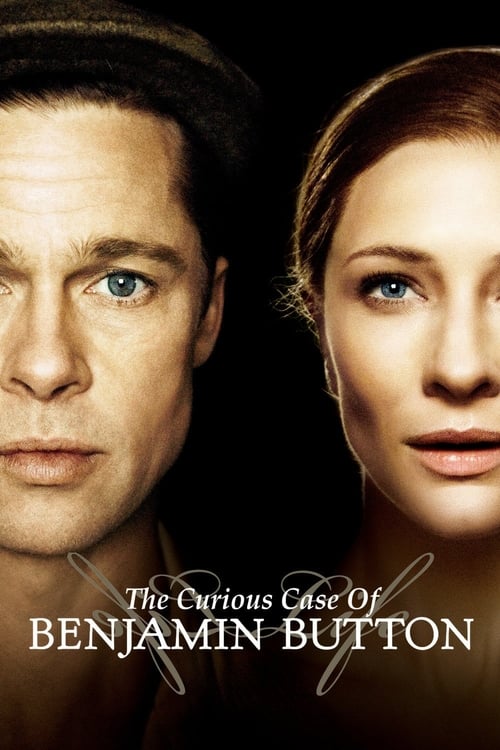
The Curious Case of Benjamin Button (2008)
Directed by David Fincher
influenced The Life of Chuck (2025)
Plot
Presenting the story in reverse order gives Chuck a Benjamin Button-style narrative arc.
…even in a The Curious Case of Benjamin Button kind of way…
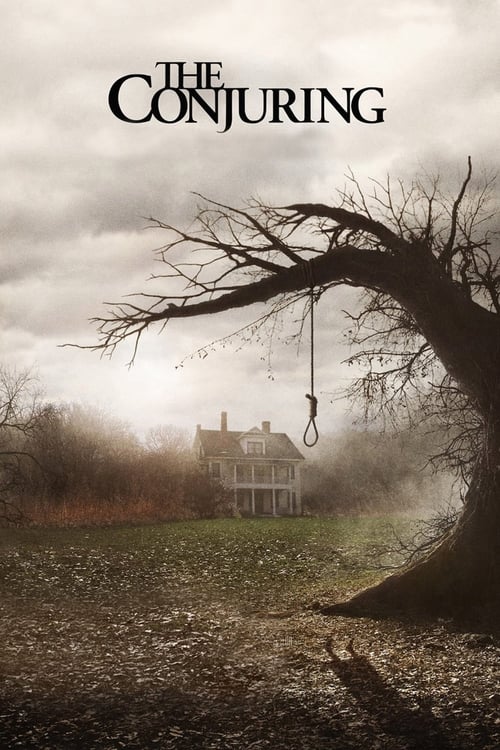
For at least an hour, Oculus director Mike Flanagan approximates the patient, genre storytelling and atmospherics of The Conjuring sequence.
Indeed, there have been so many similar supernatural films of this ilk in recent memory, from 2011's " Insidious " and its sequels, to 2012's " Sinister " and its sequel, to 2013's " The Conjuring " and its sequel, to 2014's " Annabelle ," to 2016's " Lights Out ," a slight whiff of the commonplace has begun to permeate each new entry, no matter how well they are done.
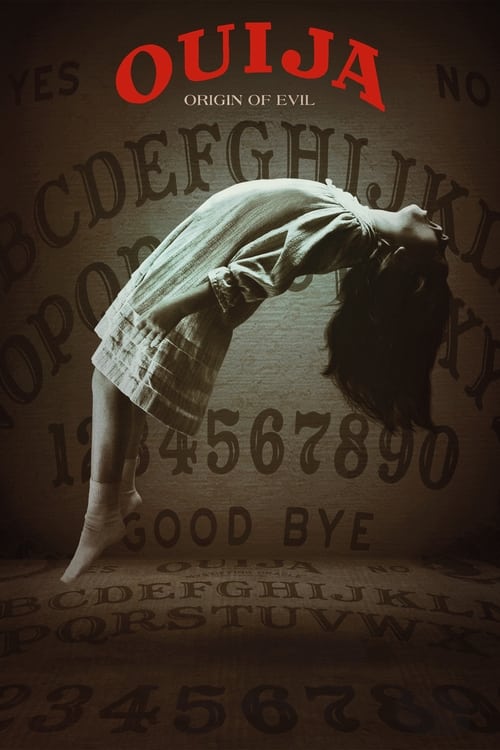
Flanagan isn't the only filmmaker treading this path of late; indeed, taking the Ouija series in this direction clearly owes much to the success of The Conjuring , its spinoff and sequel.
Flanagan has some fun with the '60s setting, putting fake cigarette burns like the ones you might find on old film reels every 20 minutes - but the movie still doesn't quite match the period feel of an old-time horror movie as well as "The Conjuring" and its sequel did.
The rest of the time, however, the movie is an exercise in pedestrian storytelling with minimal tension, and feels a bit like The Conjuring lite.
Like The Conjuring and the many immersive spook-house thrillers inspired by it, Origin of Evil demands and rewards attentiveness, inviting scrutiny of its frames, study of its negative space.
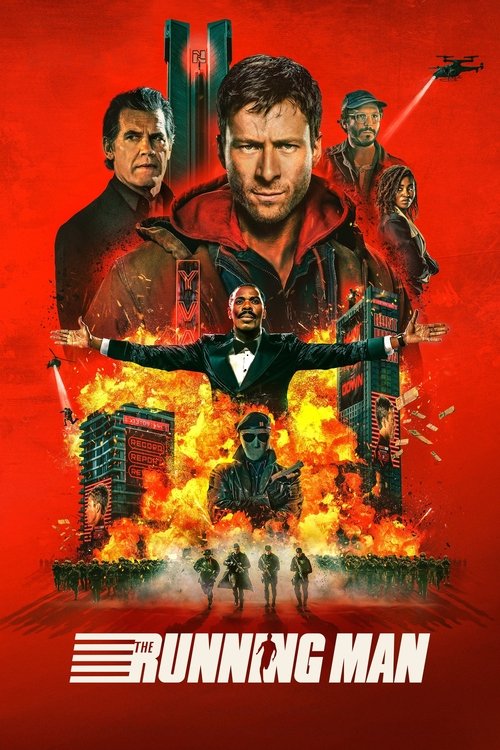
The Running Man (2025)
Directed by Edgar Wright
influenced by The Life of Chuck (2025), Doctor Sleep (2019)
Themes
2025 has been the year of Stephen King adaptations with The Monkey, The Life of Chuck, and The Long Walk.
From Mike Flanagan’s The Life of Chuck to The Long Walk and, most recently, It: Welcome To Derry, it’s been an abundance of riches for King fans.
The Running Man comes in a year where Stephen King adaptations have ruled the big screen (The Long Walk, The Life of Chuck and The Monkey)…
This cinematic year has given audiences The Life of Chuck, The Monkey, and The Long Walk, each one offering a different philosophy through diverging genres (drama, dark comedy, thriller), and Wright’s The Running Man is a hybrid of them all…
Not unlike Mike Flannagan‘s Doctor Sleep, Wright’s The Running Man both adapts a King novel while also riffing on a fairly unfaithful ’80s Hollywood iteration—and sometimes with uneven results.
…we’ve gotten some pretty good ones like The Life of Chuck and The Long Walk…
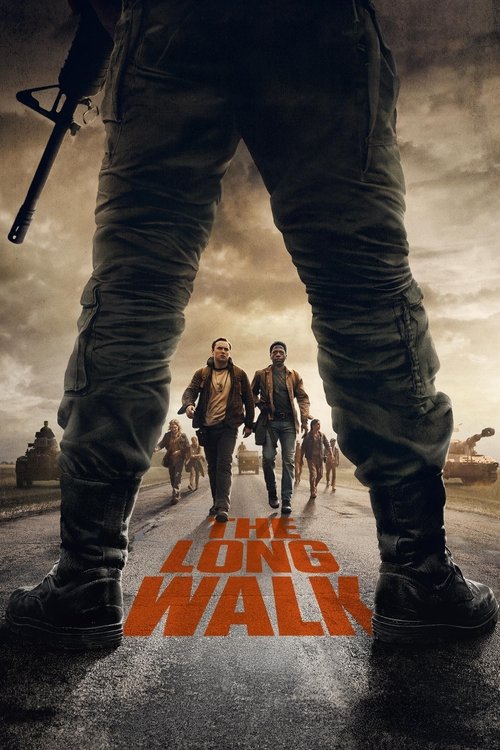
Mike Flanagan’s The Life of Chuck was released earlier this year, with its big message being that life doesn’t necessarily have to amount to a major, earth-shattering goal, but it’s about trying to find as many small moments of joy as you possibly can…
That The Long Walk arrives in the same year as another seemingly unadaptable King, The Life of Chuck, somehow makes all the sense in the world, because both find a tempered, realistic hope in the shadow of inevitable death.
…themes reminiscent of The Shawshank Redemption, The Mist, and The Life of Chuck.
Unlike the previous Stephen King adaptations of 2025, The Monkey and The Life of Chuck, this one is based on a novel.
Hamill did solid work in another King adaptation this year, The Life of Chuck…
This is Hamill’s second appearance in a King adaptation this year after The Life of Chuck, and he brings such an interesting flavor to this villain.
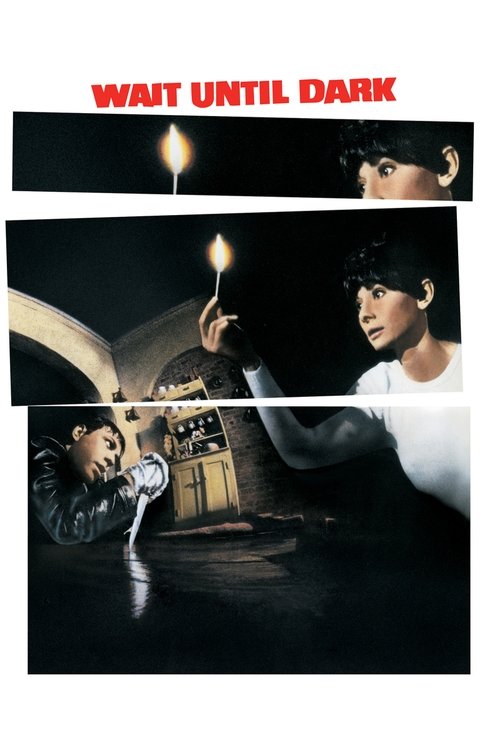
Like “Wait Until Dark” before it, “Hush” places a character with a perceived handicap at the center of a tense thriller and showcases both the heroine’s vulnerabilities and unexpected advantages.
One of the many films in the grand tradition of “Wait Until Dark,” director Flanagan teams a disabled heroine against a merciless predator who not only wants to murder, but also delights in making her final moments as painful as possible.
Hush makes clever use of Maddie’s deafness as part of the plot development, although comparisons with the classic sensory-impairment thriller Wait Until Dark end there.
Much like the classic 1967 thriller Wait Until Dark, Hush not only finds several clever ways for its heroine to overcome her physical handicap under the most terrifying conditions imaginable, but it also manages to bring the viewer into the experience through clever use of creative editing, strong acting, and (especially) some very nifty sound design.
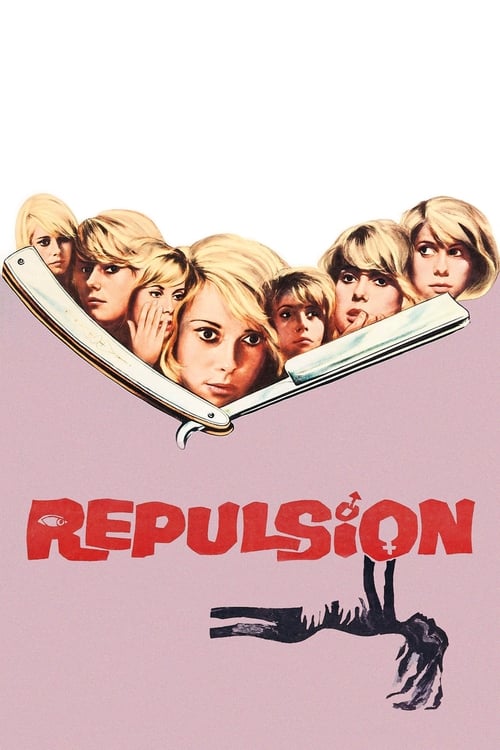
What ensues is a claustrophobic mind-freak à la Roman Polanski’s 1965 “Repulsion” that — thanks to co-writer and director Mike Flanagan’s ironclad grip on the material — smartly grounds the showdown in the roots of childhood trauma and the adult siblings’ warring views on how to deal with it.
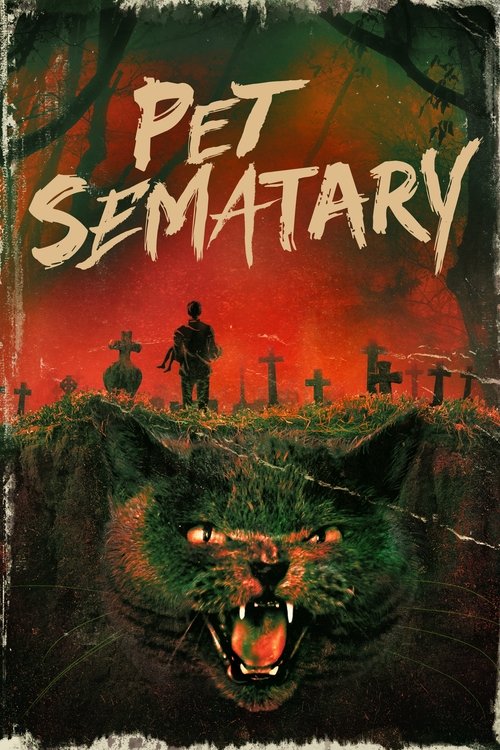
Pet Sematary (1989)
Directed by Mary Lambert
influenced Doctor Sleep (2019), The Life of Chuck (2025)
The Shawshank Redemption, Pet Sematary, Carrie, Lisey’s Story, Dolores Claiborne, Hearts in Atlantis, The Dark Tower.
When most people think of Stephen King on film, titles like Carrie, Cujo, Pet Sematary, It, Misery, or The Shining immediately come to mind.
Mr. Mercedes, The Mist, Castle Rock, Creepshow) and nine film adaptations (CELL, THE DARK TOWER, IT, 1922, GERALD’S GAME, PET SEMATARY, IT CHAPTER TWO, IN THE TALL GRASS, and now DOCTOR SLEEP).
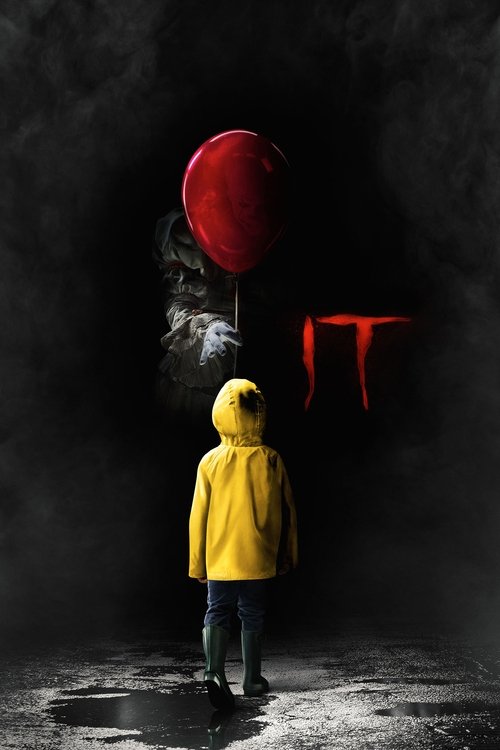
Much like the recent shocker Midsommar , the film harks from the slow-burn school of movie horror, side-stepping the type of garish, poke-in-the-ribs style we saw in the recent It films for a more contemplative, brooding approach.
But King, still gold these days at the box office after the success of the IT movies, gets another shot as his novel Doctor Sleep — in which he revisits elements of The Shining — now is a major, but overlong, motion picture starring Ewan McGregor as the grown-up version of Danny Torrance, the son of Jack Nicholson’s Jack Torrance from the original.
(Looking at you, Pet Sematary and both chapters of It.)
This year alone we’ve received updates of “Pet Sematary” and “It” in theaters and “In the Tall Grass” and “Castle Rock” on Netflix and Hulu.
The film runs on for an unnecessarily extended 151 minutes, and that’s undoubtedly a by-product of the success of “It,” the lengthy 2017 adaptation of the first half of King’s killer-clown novel.
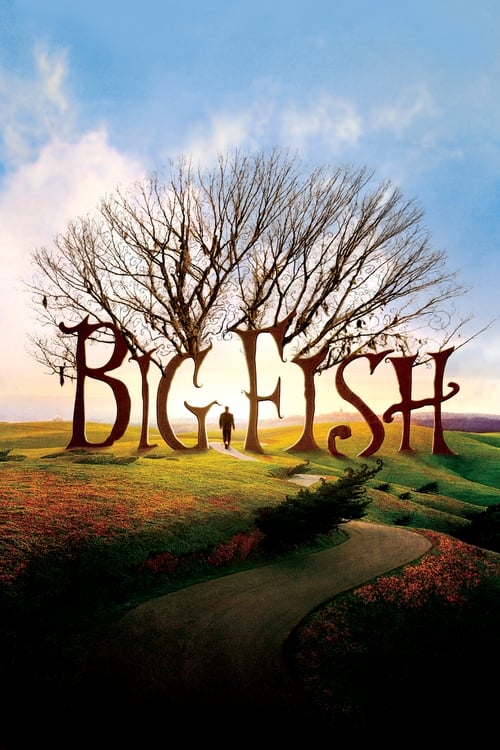
It mixes the whimsy of Big Fish (2003), the surreal taste of The Truman Show (1998), and the life philosophy of The Curious Case of Benjamin Button (2008).
…it’s reminiscent of the marketing for films like Big Fish, Forrest Gump, and Here…
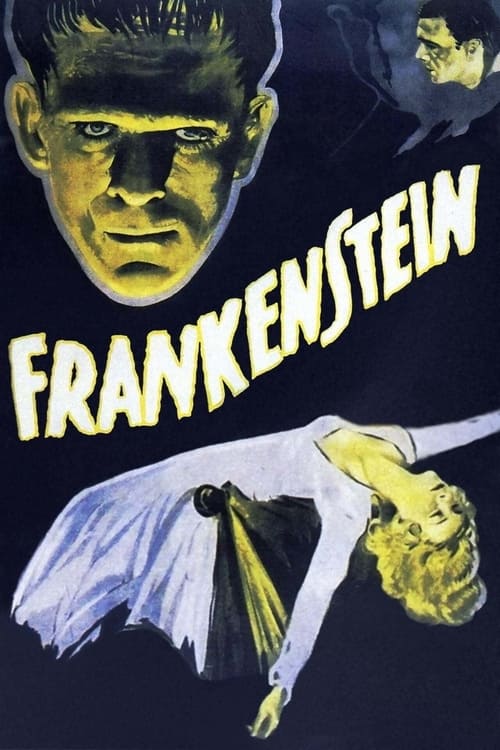
Initially, the scene has echoes of Boris Karloff’s “Frankenstein” before it heads off in a terrifying direction all its own.