

Paul Haggis
77 connections found
View:
Connections, in both directions
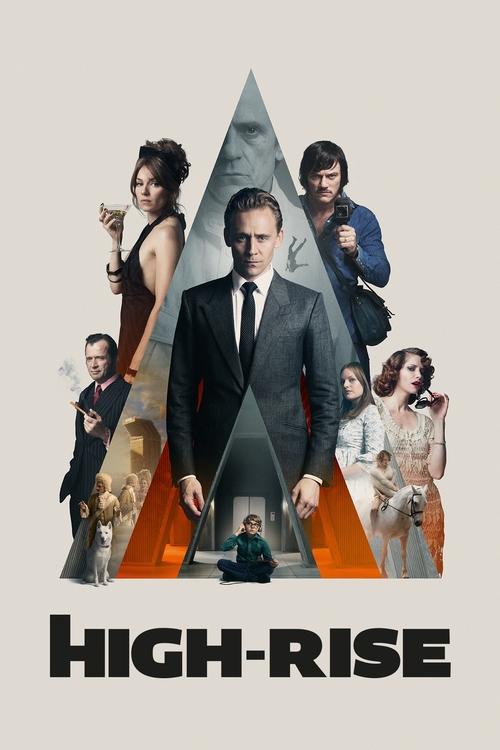


Producer Jeremy Thomas did Crash, another Ballard adaptation.
Ballard's writing is strong stuff and can result in potent movies (like Spielberg's Empire of the Sun or Cronenberg's Crash), but Wheatley seems to have become lost in this High-Rise.
A notorious triptych of novels from the ’70s already yielded one controversial, if dry, screen outing in 1996 with David Cronenberg’s Crash.
Ballard’s books — including his notorious exercise in vehicular erotica, “Crash,” another unfilmable story that was filmed rather well — were unusually attentive to the physical and psychological effects of a character’s environment, and Wheatley’s film similarly encourages a systemic, kaleidoscopic view of the action.
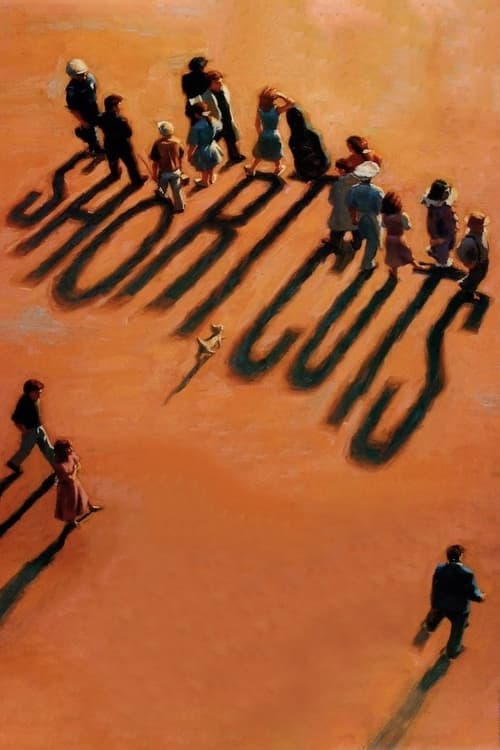
Short Cuts (1993)
Directed by Robert Altman
influenced Crash (2005), Third Person (2014)
Plot Themes
Clearly modeled after Short Cuts and Magnolia —the latter of which is nakedly aped during a third-act montage of sad characters set to a mournful ballad by Aimee Man-style singer-songwriter Bird York— Crash explores, via interlocking stories, the cultural, racial, and spiritual isolation of Los Angelinos.
“Crash” never reaches the heights of “Short Cuts” or “Magnolia” – two multi-story films that clearly provided inspiration – but it’s a thoughtful road trip well worth taking.
The interlocking stories recall Short Cuts and Magnolia, but they mesh more smoothly into a better-crafted whole.
The difference between Crash and other depressed L.A. films (Paul Thomas Anderson's Magnolia, Robert Altman's Short Cuts, Lawrence Kasdan's Grand Canyon) is that it focuses entirely on race -- its tensions, its stereotypes, its misunderstandings.
Other cross-cutting Los Angeles stories come to mind, especially Lawrence Kasdan's more optimistic " Grand Canyon " and Robert Altman's more humanistic " Short Cuts ."
Like Robert Altman's "Short Cuts," it's is an all-star fresco, but the stars--none of whom carries the movie--get to play the kind of morally ambivalent, sometimes unlikable parts that big-name actors usually avoid.
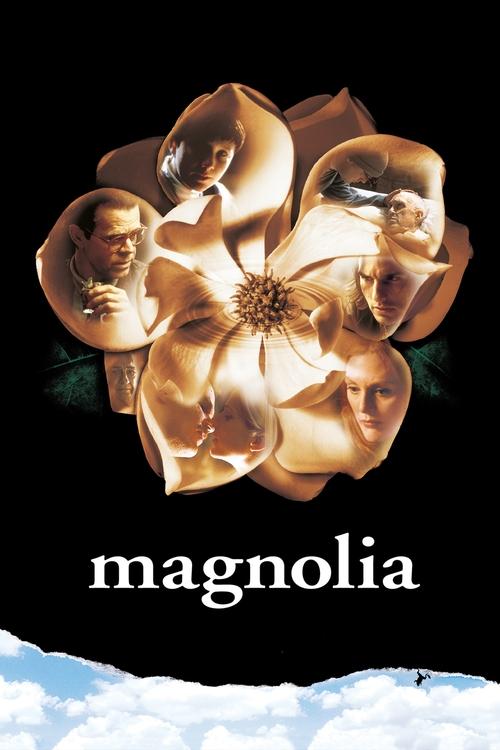
Clearly modeled after Short Cuts and Magnolia —the latter of which is nakedly aped during a third-act montage of sad characters set to a mournful ballad by Aimee Man-style singer-songwriter Bird York— Crash explores, via interlocking stories, the cultural, racial, and spiritual isolation of Los Angelinos.
Opens Friday in select cities Crash has echoes of Paul Thomas Anderson's Magnolia and Lawrence Kasdan's Grand Canyon, two other L.A.-centered films about intertwining lives told in a fractured narrative, though it is not as heart-wrenching and complex as the first and not as superficially glib as the latter.
He energetically weaves together interlocking characters and disparate plot elements, in the vein of "Pulp Fiction" and "Magnolia."
It reminded me just a tad of "Magnolia."
“Crash” never reaches the heights of “Short Cuts” or “Magnolia” – two multi-story films that clearly provided inspiration – but it’s a thoughtful road trip well worth taking.
The interlocking stories recall Short Cuts and Magnolia, but they mesh more smoothly into a better-crafted whole.

Due in large part to its smaller ensemble cast and a resistance to littering the landscape with coincidences, Disconnect lacks the artificial feel that at times hurt Paul Haggis' Oscar winning Crash , a film to which this will be compared.
Elsewhere is an amateur vigilante plot lifted straight from 2004’s Crash.
A handful of stories and characters interwoven together to collectively make a necessary point about the continuing need for physical connection, the film reminds in certain ways of 2005's ensemble race-relations drama " Crash ."
No, it doesn’t all work — and it sometimes feels like a much smarter take on Paul Haggis’ Crash (2005) — but enough of it works to make it a worthwhile film.
In 2005, Miranda July delightfully but unnervingly explored the hazards of chatroom anonymity in “Me and You and Everyone We Know,” while Paul Haggis struck a nerve with “Crash,” his sprawling study of urban social detachment and distrust in modern America.
Telling the story of a group of interlinked people who all find their lives upended by the internet, it hopes to be a “Traffic” for the Web 2.0 age, but unfortunately, finds its cues in more ways than one in another similar film, Paul Haggis’ “Crash.”
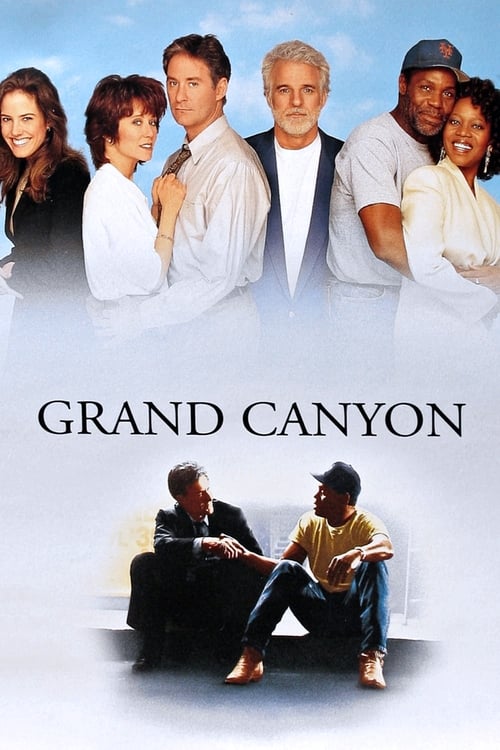
Similarly constructed films that followed were superior (Altman's own Short Cuts, 1993), stranger (The End of Violence, 1997), more ambitious (Magnolia, 1999), and more shameless (Crash, 2004), but it was Grand Canyon that tilled the soil.
Crash has echoes of Paul Thomas Anderson's Magnolia and Lawrence Kasdan's Grand Canyon, two other L.A.-centered films about intertwining lives told in a fractured narrative, though it is not as heart-wrenching and complex as the first and not as superficially glib as the latter.
As in other films set amid the amorphousness of Los Angeles -- P. T. Anderson's Magnolia, Robert Altman's Short Cuts, Lawrence Kasdan's Grand Canyon -- his solution is to counter the sprawling milieu with a sprawling cast shoehorned into a connect-the-dot plot.
Crash bears uncanny similarities to Grand Canyon, Lawrence Kasdan 's overearnest 1991 meditation on urban life, which starts with a scene similar to the real-life impetus for Crash and features a filmmaker who changes his life after he becomes a crime victim.
Opens Friday in select cities Crash has echoes of Paul Thomas Anderson's Magnolia and Lawrence Kasdan's Grand Canyon, two other L.A.-centered films about intertwining lives told in a fractured narrative, though it is not as heart-wrenching and complex as the first and not as superficially glib as the latter.
The difference between Crash and other depressed L.A. films (Paul Thomas Anderson's Magnolia, Robert Altman's Short Cuts, Lawrence Kasdan's Grand Canyon) is that it focuses entirely on race -- its tensions, its stereotypes, its misunderstandings.
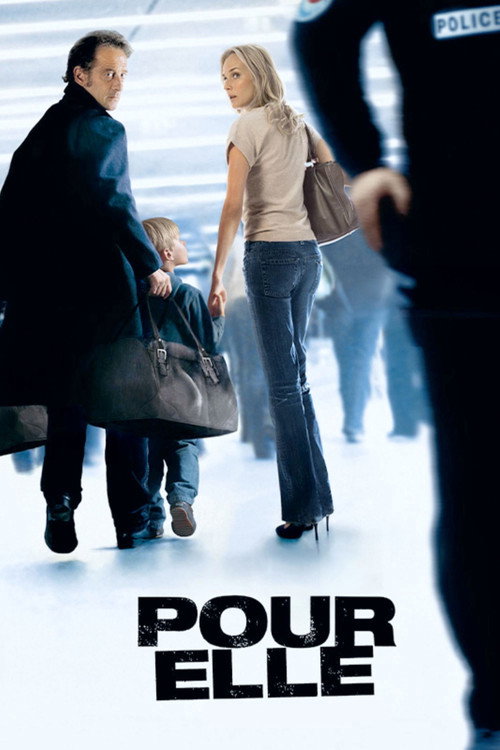
The original French version, which translated as " Anything For Her ," only came out a few years ago, and I'm curious to see how they told the story.
Adapting the highly successful French thriller, "Anything For Her" for an American audience, Paul Haggis writes and directs and delivers one of the more gut-grabbing suspense yarns we've seen this year.
The Next Three Days, Paul Haggis' adaptation of the 2008 French film, Anything for Her, uses an interesting concept as a cornerstone of the foundation.
A remake of the 2008 French film “Anything For Her,” it tells the story of a mild-mannered man whose wife is falsely convicted of murder and decided to bust her out of prison.
His story is based on a 2007 French movie called Anything For Her and some of the hallmarks of morally conflicted French cinema shine through, but Haggis manages to put his own stamp on it.
Directed, written by Paul Haggis, based on the film "Anything for Her" (Pour elle) directed by Fred Cavaye, written by Cavaye, Guillaume Lemans.
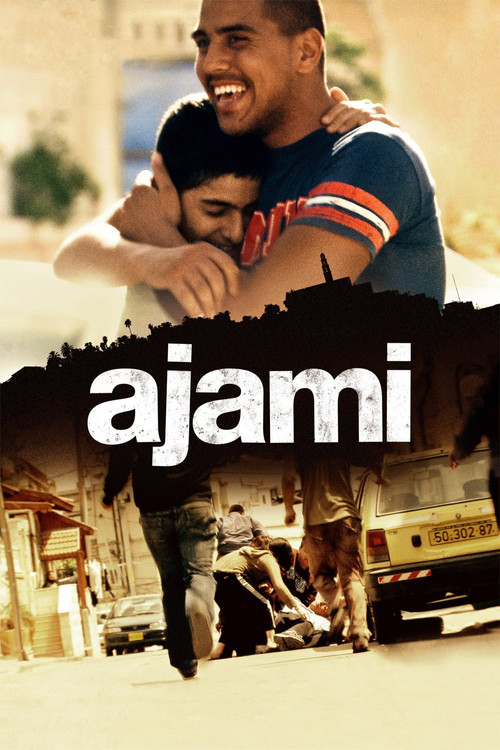
Consider, for example, that classic histrionic stew—and 2004 Best Picture–winner—Crash. Five years after Paul Haggis’s directorial debut comes the team of Yaron Shani and Scandar Copti.
It’s much too easy to call “Ajami’’ an Arab-Israeli “Crash,’’ but it’s a pretty good place to start.
Comparisons to “Crash” are inevitable, as are observations that “Ajami” takes what “Crash” tried to do and does a much, much better job of it.
Yes, it's a Middle Eastern Babel or Crash, and its chapter sections and temporal shifts have an artifice at odds with the doggedly realistic filmmaking style.
The two new Israeli co-directing filmmakers, Yaron Shani, a Jew, and Scandar Copti, a Palestinian, surmount the Crash-like coincidences through the realistic improvised dialogue and interactions of the many nonprofessional actors whose life-stories were matched to the characters, creating a similar feel to how Fernando Meirelles and K�tia Lund integrated their nonprofessional cast�s experiences into City of God.
The structure teeters but doesn't succumb to the contrivances of Crash.
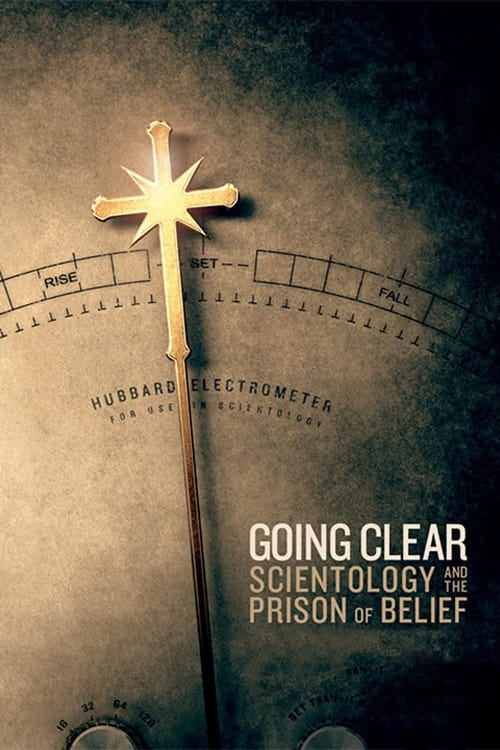
Going Clear: Scientology and the Prison of Belief (2015)
Directed by Alex Gibney
influenced by Crash (2005)
The former Scientologist and Oscar-winning filmmaker of Crash was famously profiled in 2011 for The New Yorker by Wright.
For those not attuned to past reports, “Going Clear” offers a compelling indictment through the words of former, long-time adherents, including the church’s former second-in-command, Marty Rathbun; former church spokesman Mike Rinder and former John Travolta handler Spanky Taylor as well as actor Jason Beghe (“Chicago P.D.”) and writer/director Paul Haggis (“Crash”).
The cast of talking heads in Going Clear consists primarily of former members who voluntarily left the church, from the recognizable television actor Jason Beghe, to Oscar-winning screenwriter/director Paul Haggis (Crash), to once-prominent Scientology leaders Mike Rinder and Marty Rathbun.
Some are alumni of Wright’s book, like the disarming Sylvia “Spanky” Taylor, a longtime worker at Scientology Hollywood “Celebrity Center” (where she was appointed John Travolta ’s personal handler), and “Crash” director Paul Haggis , who made waves when he renounced the church in 2009.

Cronenberg, the director of the edgy 1996 Crash (not the Oscar-winning 2004 film) seems fascinated by off-kilter, injured and disfigured people.
Wasikowska, perfectly fine in the role, is even dolled up to look like Holly Hunter in Cronenberg's Crash, only worsening the comparison between this and his earlier work.
Assault, murder, immolation, even incest — we expect gruesomeness and perversity in a movie by David Cronenberg, the one-time “body horror” auteur whose four-decade professional filmography includes “The Brood,” “The Fly,” “Dead Ringers” and “Crash,” to name a few; even so, we flinch at the selfishness and hatefulness expressed here.
"Maps To The Stars" has some of the same issues that "Cosmopolis" did, and at this point, I feel like some of the blame has to fall on Peter Suschitzky, whose work on films like "Crash," "Dead Ringers" and "The Empire Strikes Back" is above reproach.
Cronenberg’s preoccupations haven’t altered noticeably from Shivers, through his 1990s films of taboo novels (Naked Lunch, Crash), and on to his mid-2000s thrillers starring Viggo Mortensen as two different kinds of infiltrator (A History of Violence, Eastern Promises).
Canadian auteur David Cronenberg has a well-documented fascination with seeing social systems disrupted by chaos, whether they be romantic (The Fly), domestic (A History of Violence), psychological (A Dangerous Method), criminal (Eastern Promises), automotive (Crash) or technological (Videodrome, eXistenZ) in nature.
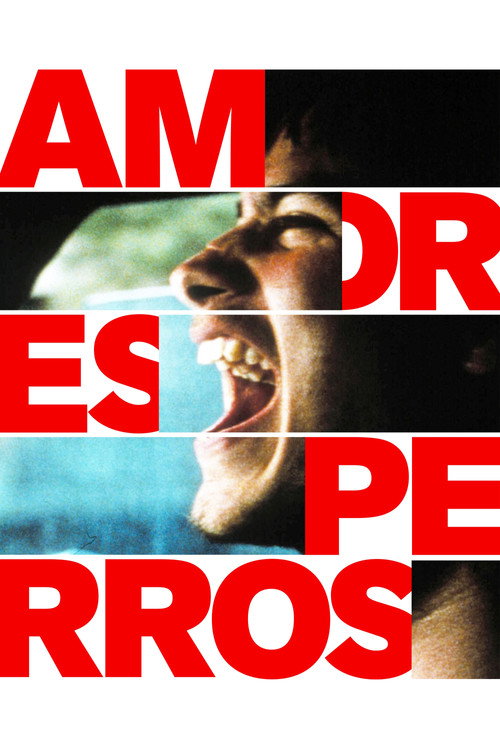
Amores Perros (2000)
Directed by Alejandro G. Iñárritu
influenced Crash (2005), Third Person (2014)
Plot
Haggis borrows heavily from movies like 21 Grams, Amores Perros, and Traffic where, instead of an overarching plot, the movie uses a theme to tie together several short stories.
Like Alejandro Gonzalez Inarritu's explosive art-house hit Amores Perros (2000), it begins with a car accident and then moves into flashback to trace the events that led up to it.
But this is all a pose; like a race-baiting Magnolia or a less-charming version of Amores Perros.
Without prior knowledge of the plot, it doesn’t take long to figure out the writer-director has returned to the multi-arc story structure of 2004’s Crash, which evoked Alejandro González Iñárritu’s signature style first set to film with 2000’s Amores Perros and carried on through 21 Grams (2003) and Babel (2006).
Much like Haggis’ racism-in-L.A. Best Picture-winner Crash, Third Person presents itself as an everything-is-connected movie in the Short Cuts or Amores Perros vein, with different stories taking place in different places, all linked by a thin connective thread.
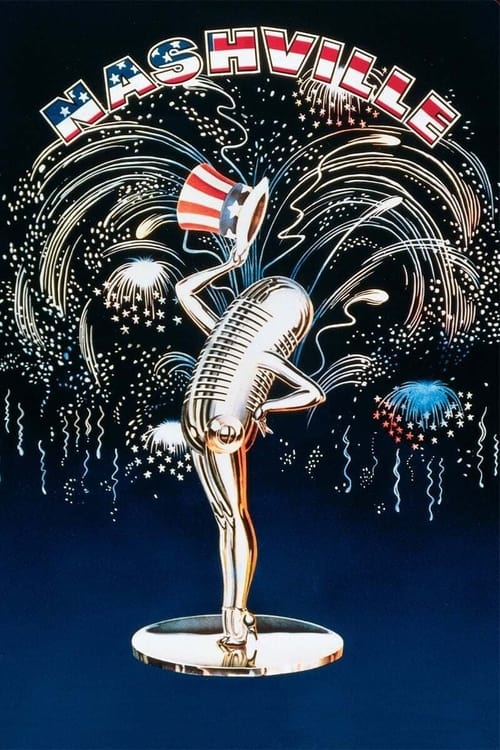
The best ensemble films are the ones in which the characters are given an opportunity to breathe ( Magnolia , Short Cuts , and Nashville come to mind).
Like a mini-Nashville or Magnolia, the film follows an ensemble of L.A. dwellers, each succumbing to the frustrating, confusing pressures of racism.
Although the movie's fate-binds-us-all scheme (an integral component of these multilayered, multi-character dramas from "Nashville" to "Magnolia") may strike some as manipulated coincidence, the big picture, the passing truths and the overall suspense are too omnisciently compelling for any of that to matter.
The movie's best scene, in which Crowe's character encounters an author played by Liam Neeson, subliminally nods to "Taken," the action thriller starring Neeson that became a breakout hit two years ago.
When John interviews an Irish author famous for having escaped imprisonment seven times, and that man turns out to be a grizzled Liam Neeson, visions of a more rugged, streamlined, Taken -esque version of the film are apt to begin dancing in one's head.
With just a one-scene cameo, Liam Neeson (2009's " Taken ") gets out while the getting is good as wall-hopping writer Damon Pennington.
The buzz: Writer-director Paul Haggis (“In the Valley of Elah,” “Crash”) is working from a 2008 French film but also recalls “The Fugitive” and “Taken.”
He doesn’t have the crazy gleam that an actor like Mel Gibson, love him or hate him, would bring to the proceedings, nor does he possess the deluded intensity of Liam Neeson in “Taken,’’ a silly movie that was a hit for that reason.
Many people are as accepting as they should be, but there’s plenty who would like to see their town as a Black-free zone, even some of the police officers themselves (a pull-over scene reminiscent of 2004’s Crash helps reinforce this further).
It’s not that Lee needs to make his racists endearing or “complex”—this is the impulse that gave us the atrocious scenes of Matt Dillon caring for his sick pop in Crash (2005), after all, and life is full of simple characters—but given the movie he’s set out to make, it would have been edifying to learn what they’re on about beyond received wisdom on wearing bedsheets and burning crosses.
Haggis, making his directing debut (he adapted Million Dollar Baby, though none of Eastwood's artisan-grace has rubbed off), aims a hammer at our racial (hence political, hence spiritual) complacency, but the results are comfily neutered, not worth a frame of Burnett's scandalously forgotten The Glass Shield, a far more bruising study of how deep racism runs.
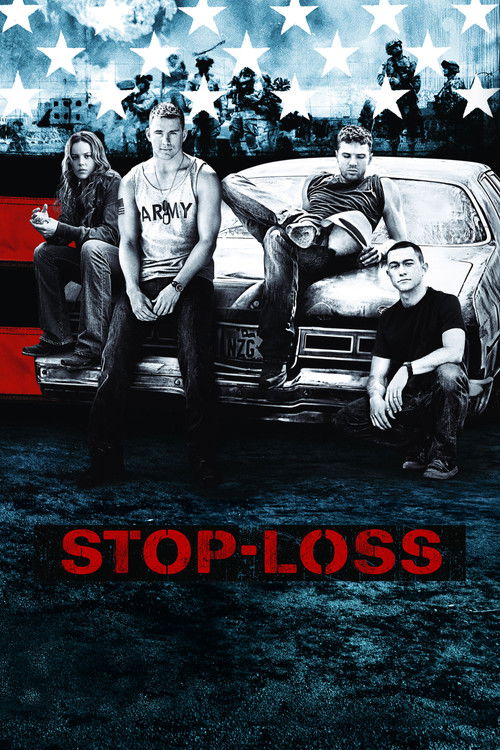
The blond, blue-eyed Ryan Phillippe, starting with his small role in “Crash,” has been trying to lose the stud-cherub look of his early screen appearances, and he has toughened up.
The actor - a trouper in ensembles pieces (" Crash ", "Godford Park") as well as smaller fare ("Breach", "Cruel Intentions") - smolders well.
Phillippe, an actor whose looks obscure his talent for many (check out his fine work in "The Way of the Gun," "Igby Goes Down" or "Crash"), is dead on in his portrayal of a golden boy who takes an unexpected road.
Yet his recent roles ("Breach," "Crash," "Flags of Our Fathers") have shown a new maturity, and his performance here has a sharp edge.
Peirce's gift with actors also is evident in Phillippe's lead performance: There's an outrage and gritty toughness behind his soft, pretty-boy features that commands attention and was not much evident in "Flags of Our Fathers," "Breach" or "Crash."
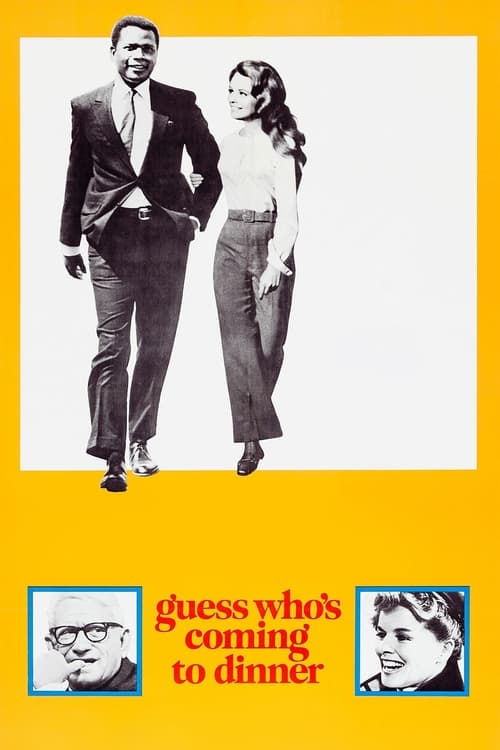
Despite its stylistic debt to Robert Altman's films, the true inspiration for "Crash" are the liberal "problem" dramas of the late 1950s and early 60s like "Guess Who's Coming to Dinner" and "The Defiant Ones."
For all its daring and intermittent power, Crash seems destined to join other films like Gentleman's Agreement, Guess Who's Coming To Dinner, and Grand Canyon among well-intentioned social dramas in which message becomes reality.
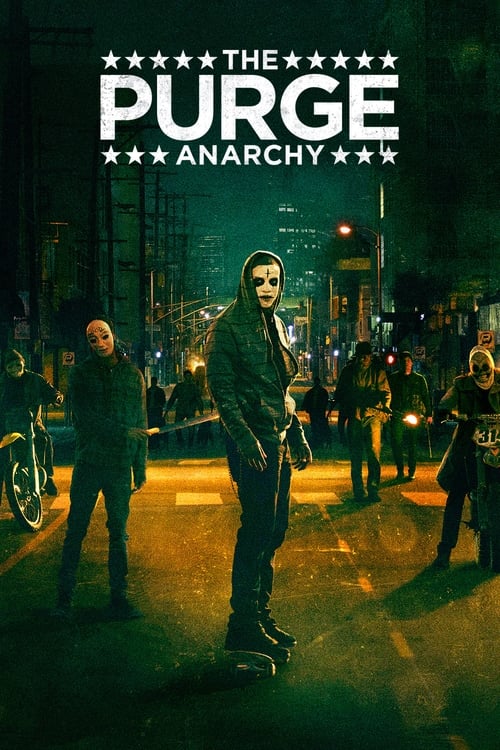
Working once more with cinematographer Jacques Jouffret (who shoots the City of Angels with a grainy, gold-flecked sheen that recalls Paul Haggis’ oddly, indirectly comparable “Crash”), DeMonaco keeps the proceedings at a consistently discomfiting level of tension, even if the film’s arsenal of shocks is as limited as its weaponry is shudderingly diverse.
If the Paul Haggis Best Picture winner Crash were an asteroid that hit Earth, The Purge: Anarchy would be its postapocalypse.

“Les Misérables” is a mosaic of characters, also reminding one of Paul Haggis’ “Crash.”
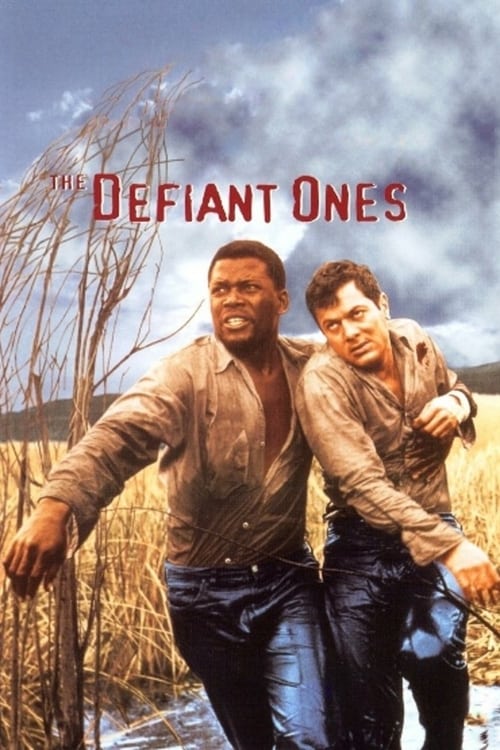
Despite its stylistic debt to Robert Altman's films, the true inspiration for "Crash" are the liberal "problem" dramas of the late 1950s and early 60s like "Guess Who's Coming to Dinner" and "The Defiant Ones."
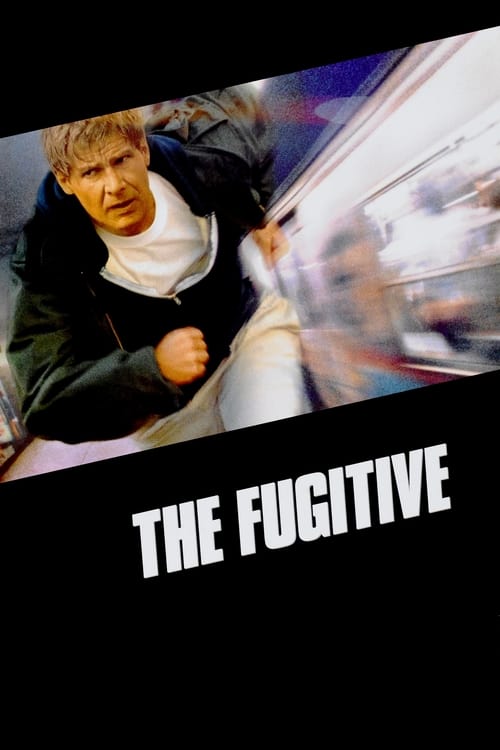
With a ticking-clock-time's-running-out conceit, "The Next Three Days" is like "The Fugitive" crossed with a McRib Sandwich - a death-defying chase with a limited-time-only offer.
Call it “The Fugitive” with more ambiguity but a lot less excitement.
The buzz: Writer-director Paul Haggis (“In the Valley of Elah,” “Crash”) is working from a 2008 French film but also recalls “The Fugitive” and “Taken.”