
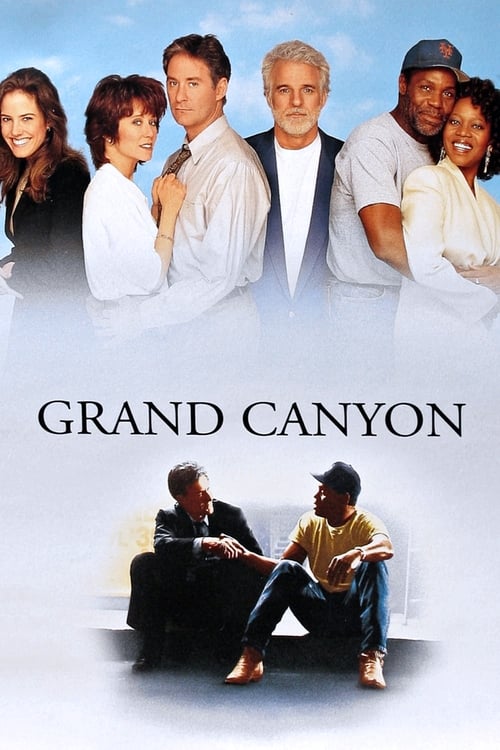
Grand Canyon (1991)
Directed by Lawrence Kasdan
Grand Canyon revolved around six residents from different backgrounds whose lives intertwine in modern-day Los Angeles. At the center of the film is the unlikely friendship of two men from different races and classes brought together when one finds himself in jeopardy in the other's rough neighborhood.
3 connections found
View:
3 connections, in both directions
What critics compared Grand Canyon to
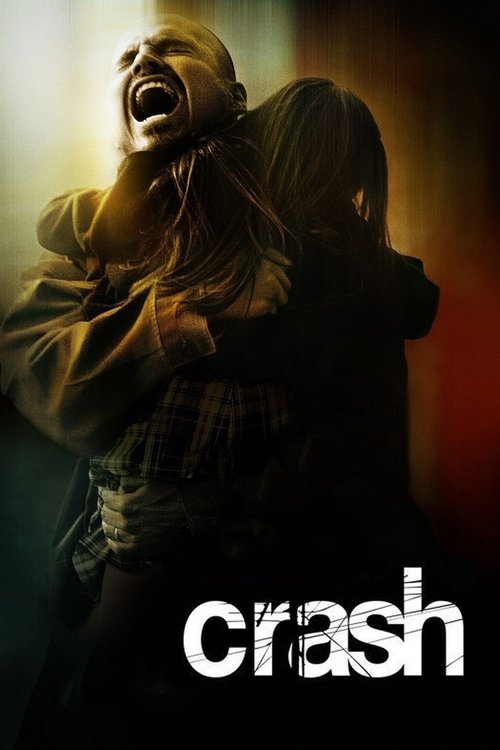


Similarly constructed films that followed were superior (Altman's own Short Cuts, 1993), stranger (The End of Violence, 1997), more ambitious (Magnolia, 1999), and more shameless (Crash, 2004), but it was Grand Canyon that tilled the soil.
Crash has echoes of Paul Thomas Anderson's Magnolia and Lawrence Kasdan's Grand Canyon, two other L.A.-centered films about intertwining lives told in a fractured narrative, though it is not as heart-wrenching and complex as the first and not as superficially glib as the latter.
As in other films set amid the amorphousness of Los Angeles -- P. T. Anderson's Magnolia, Robert Altman's Short Cuts, Lawrence Kasdan's Grand Canyon -- his solution is to counter the sprawling milieu with a sprawling cast shoehorned into a connect-the-dot plot.
Crash bears uncanny similarities to Grand Canyon, Lawrence Kasdan 's overearnest 1991 meditation on urban life, which starts with a scene similar to the real-life impetus for Crash and features a filmmaker who changes his life after he becomes a crime victim.
Opens Friday in select cities Crash has echoes of Paul Thomas Anderson's Magnolia and Lawrence Kasdan's Grand Canyon, two other L.A.-centered films about intertwining lives told in a fractured narrative, though it is not as heart-wrenching and complex as the first and not as superficially glib as the latter.
The difference between Crash and other depressed L.A. films (Paul Thomas Anderson's Magnolia, Robert Altman's Short Cuts, Lawrence Kasdan's Grand Canyon) is that it focuses entirely on race -- its tensions, its stereotypes, its misunderstandings.

Warm and yet snarky, its comic tone, if not its story, reminded me of “Parenthood” or “Grand Canyon,” which I guess is a way of saying it’s an ensemble comedy about adults and how they feel.

September 26, 1999, revised periodically through March 5, 2002 -- "American Beauty" is a black comedy about the hollowness of the American dream that purports to give deep insight into suburban angst, but in fact is no more penetrating than its didactic counterpart, "Grand Canyon."