
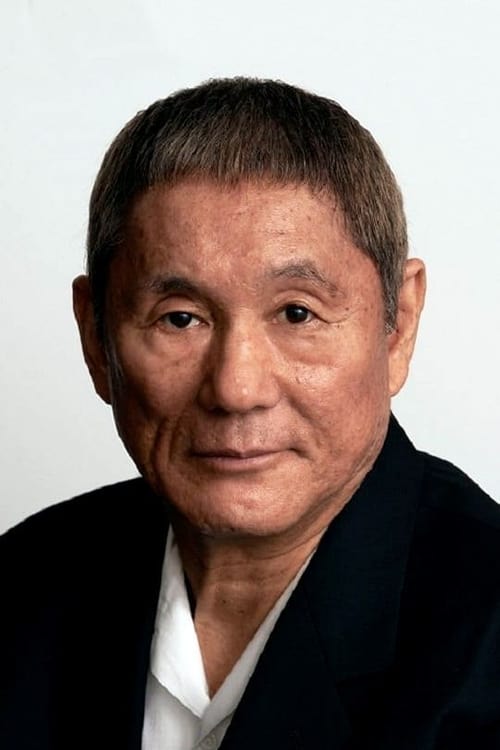
Takeshi Kitano
8 connections found

View:
Connections, in both directions
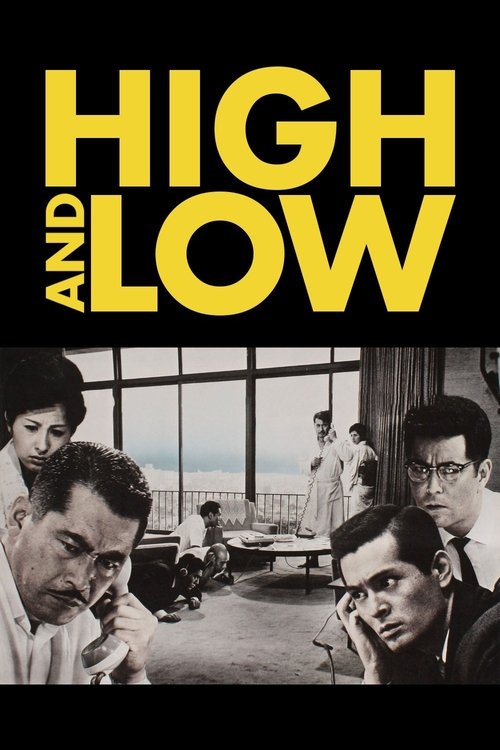


But on the other hand, when we go to see a serious drama by Charlie Chaplin (1923's A Woman of Paris) or a detective movie by Akira Kurosawa (1963's High and Low) or a costume drama by Martin Scorsese (1993's The Age of Innocence), we tend to resist.

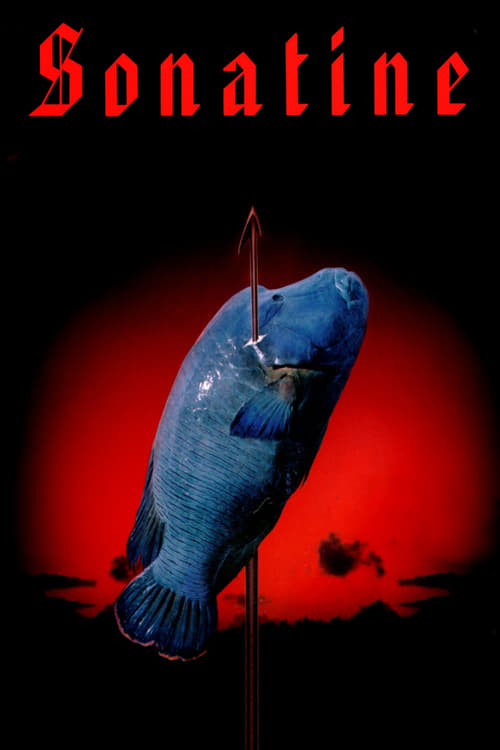
''Sonatine'' is pure, minimal and clean in its lines; I was reminded of Jean-Pierre Melville's ''Le Samourai'' (1967), another film about a professional killer who is all but paralyzed by existential dread.
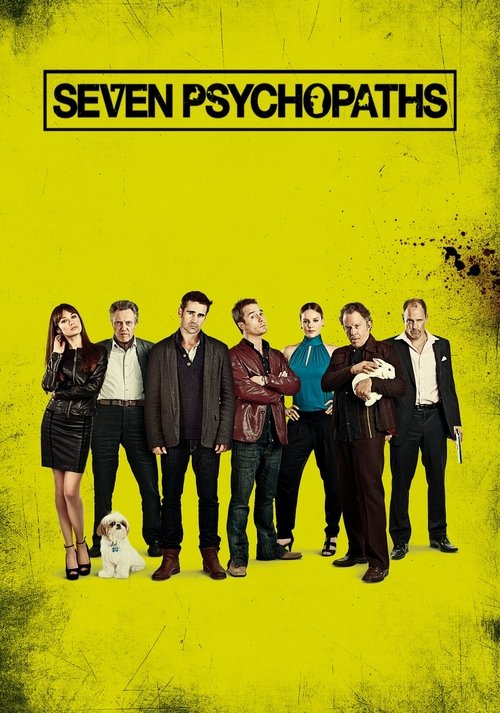
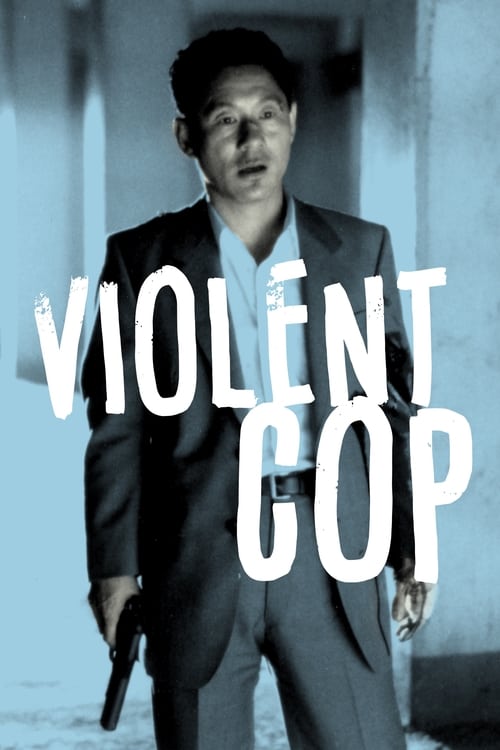
McDonagh also tips his hat to Japanese crime maestro Takeshi Kitano by showing Marty and Billy watching a scene from Violent Cop.
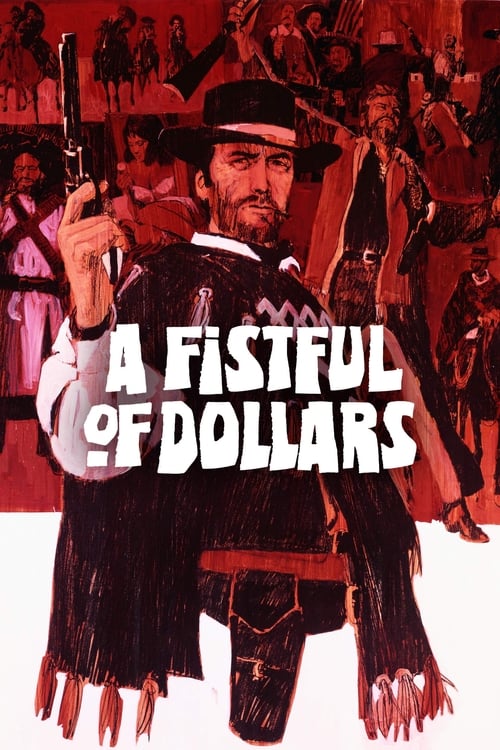
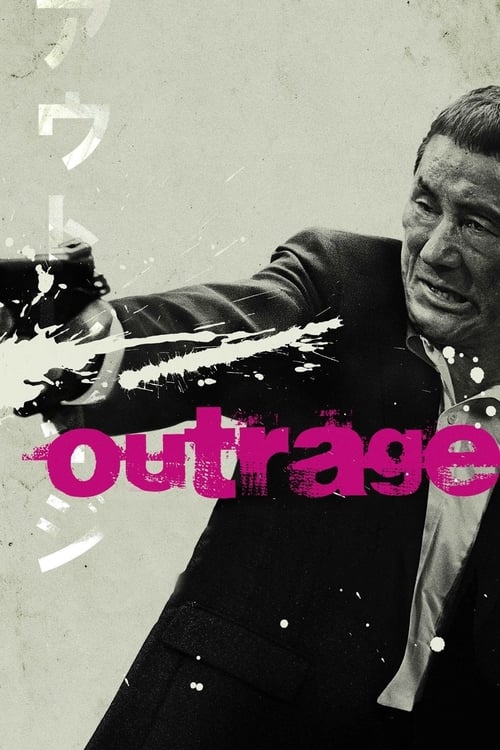
Detective Kataoka’s scheme to defeat both gangs by playing them against each other, using Otomo as his linchpin, recalls Yojimbo (and its spaghetti-Western remake, A Fistful Of Dollars), but he’s mostly orchestrating events from the comfort of his office rather than getting his own hands dirty, so both tension and identification are minimal.
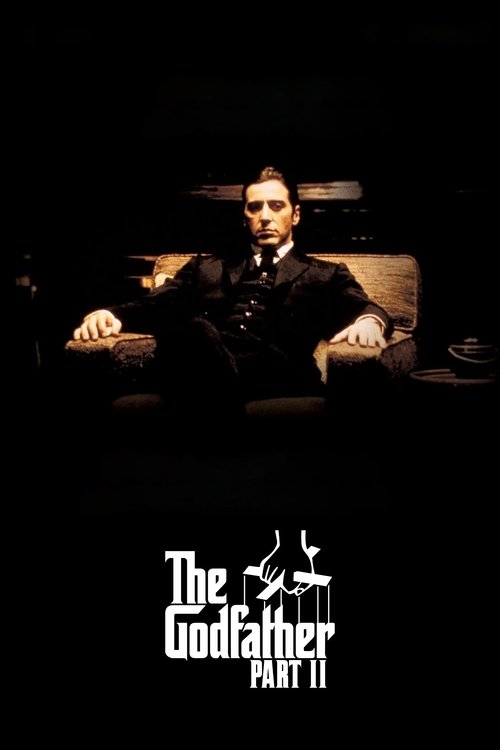
With a little persuasion — including a murder blackmail lifted from The Godfather: Part II — the befuddled ambassador is coerced into fronting a casino for the Otomo crew.
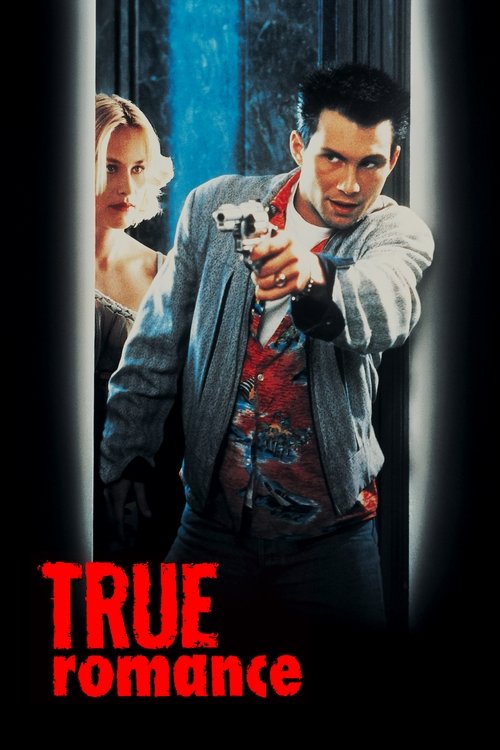
Parmi eux, des chantres du cool et orfèvres à la Jean-Pierre Melville (pour "Le Samouraï", 1967), John Woo (pour "The Killer", 1989), Johnnie To (pour "The Big Heat", 1988) et autre Takeshi Kitano (pour "Violent Cop", 1989).
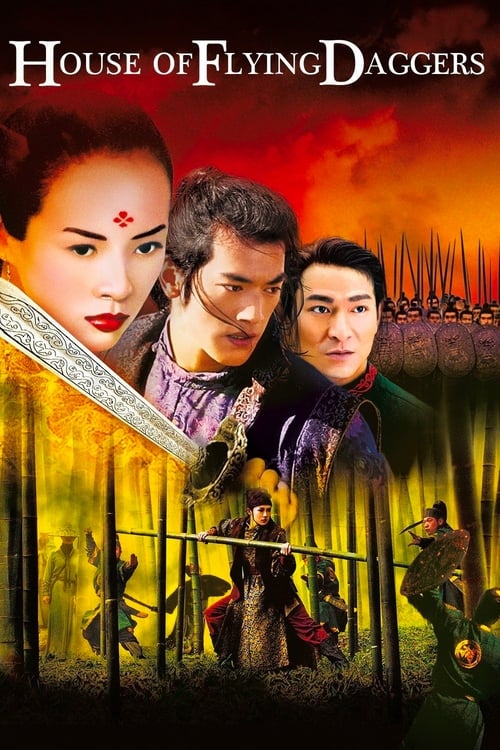
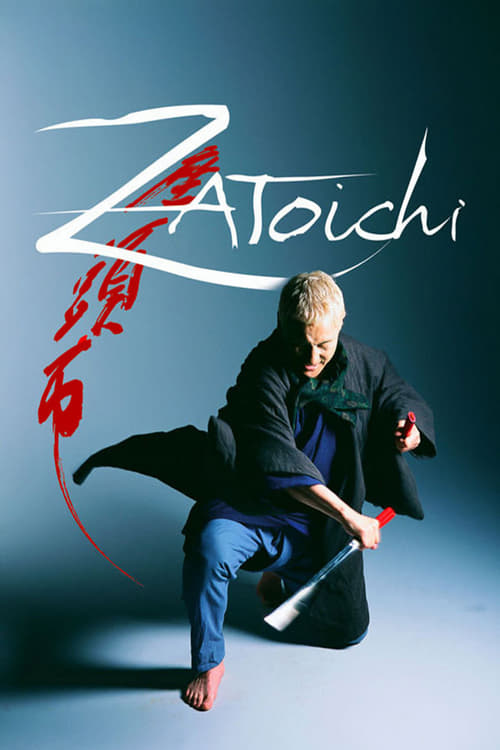
In addition to this week's "House of Flying Daggers," recent months have brought "Hero," also directed by Zhang Yimou, plus Takeshi Kitano's remake of the Japanese samurai classic "The Blind Swordsman: Zatoichi" and "Vol.
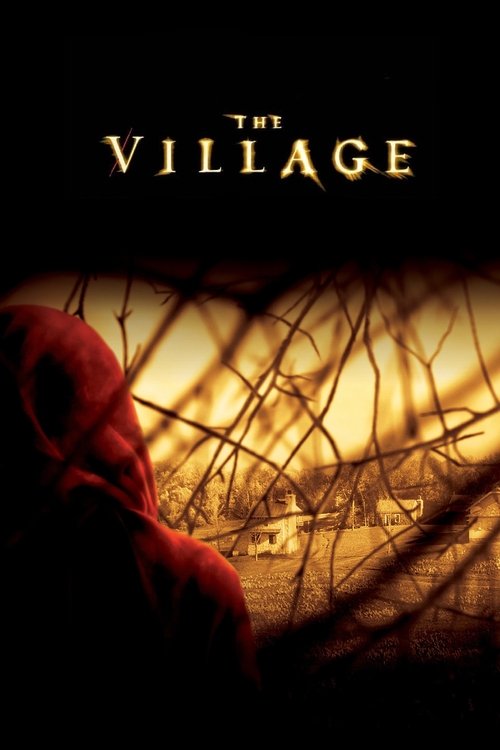
And now we have M. Night Shyamalan's "The Village," in which Bryce Dallas Howard plays a blind woman in danger, and "The Blind Swordsman: Zatoichi," starring Takeshi Kitano, as the cult Japanese hero, a laid-back yet lethal fighting machine.