
Richard C. Sarafian
13 connections found

View:
Connections, in both directions
The Revenant (2015)
Directed by Alejandro G. Iñárritu
influenced by Man in the Wilderness (1971)
Characters Plot Visuals


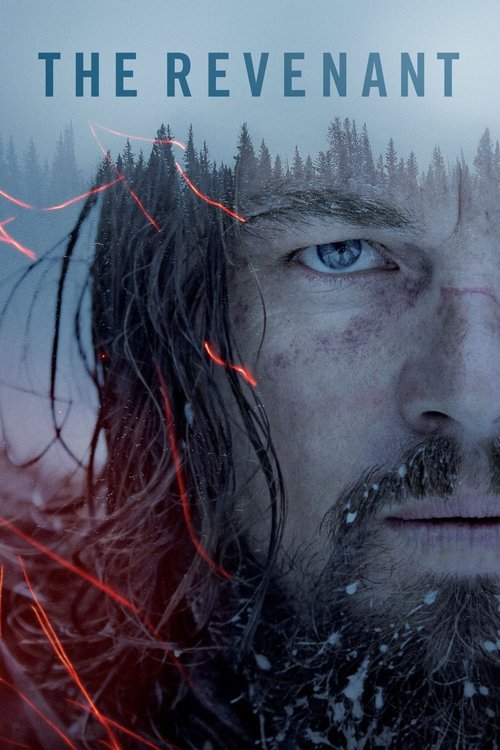
Glass, who previously served as the inspiration for the title character played by Richard Harris in director Richard C. Sarafian's conspicuously less compelling Man in the Wilderness in 1971, is a man of two worlds.
The legend of American frontiersman and fur trapper Hugh Glass, who was left for dead after being mauled by a bear in the early 1820s, inspired Richard C Sarafian’s 1971 film Man in the Wilderness , in which Richard Harris starred as “Zachary Bass”.
The story inspired the 1971 movie Man in the Wilderness , which starred Richard Harris as Zach Bass, and Michael Punke's novel The Revenant , which Inarritu and Mark L. Smith adapted into the film's screenplay.
Leonardo DiCaprio is Hugh Glass, a real-life 19th century mountain man and guide whose story inspired legends, books, and at least one previous film (Man in the Wilderness with Richard Harris).
The natural-lighting gimmick was done better by Kubrick in Barry Lyndon; the basic story was told before in 1971’s Man in the Wilderness, which took up nearly an hour less of our time; the sometimes discordant score (by Ryuichi Sakamoto among others) recalls Neil Young’s fuzzbox music for Jim Jarmusch’s acid western Dead Man (and this film’s dependence on an Indian helping an ailing white man was already parodied nicely by Jarmusch); and the symbolic heaviness of man against nature got some play in Joe Carnahan’s underrated existential drama The Grey.
In 1971's Man In The Wilderness , an equally loose take on the Hugh Glass legend that renames him Zachary Bass, Richard Harris is mauled by an off-camera beast.
Need for Speed (2014)
Directed by Scott Waugh
influenced by Vanishing Point (1971)
Characters Plot Themes
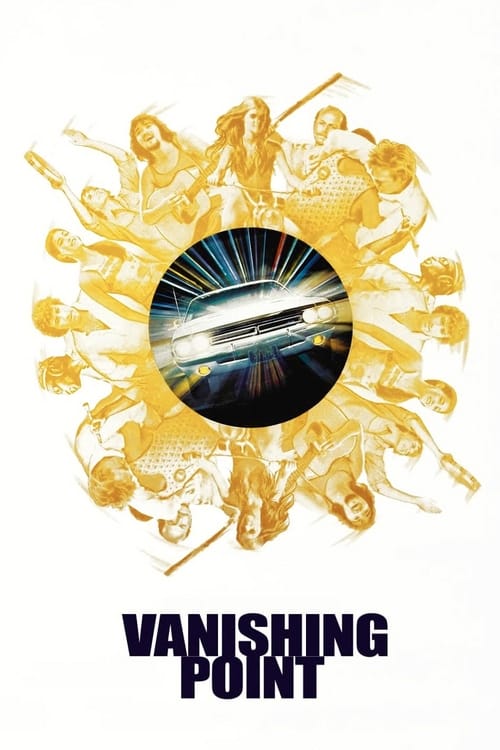
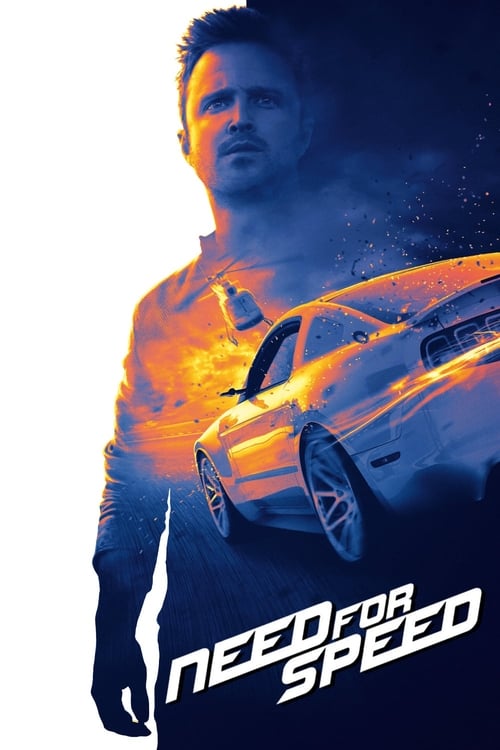
"Need for Speed" is filled with tributes to -- and ripoffs of -- vintage car flicks: A drive-in theater plays "Bullitt," a cop car loses its back axle a la "American Grafitti," and Keaton's character is an update of Cleavon Little's jive-talking radio DJ from the 1971 cult classic "Vanishing Point."
Entering the race involves Tobey getting the crew back together, driving cross-country and unconvincingly falling in love with car expert Julia ( Imogen Poots ) and attracting the attention of eccentric rich race organizer, Monarch ( Michael Keaton , who apparently pocketed a big check for sitting in a room and giving us a third-rate impersonation of Cleavon Little in “Vanishing Point”).
“Need for Speed,” a tricked-up, morally dubious videogame spin-off about driving really, really fast while cops and citizens crash into trees behind you, is made possible by three things: The success of the “Fast and Furious” series, the rise of “Breaking Bad” co-star Aaron Paul, and a 1971 vroom-vroom classic called “Vanishing Point.”
That's Michael Keaton talking, soul-patched, sunglassed, and functioning a lot like the Cleavon Little character in the 1971 road- pic cult classic Vanishing Point.
The film would hardly win the Bechtel Test though the chemistry between Breaking Bad’s Paul and Poots is sweetly appealing and there’s a few nods to 1971’s Vanishing Point as Michael Keaton’s ranting DJ race guru waxes lyrical to his internet audience but it’s all just window dressing for the real reason to see this film: the cars and the racing.
It all reminds me of the cult movie “Vanishing Point,” back in 1971.
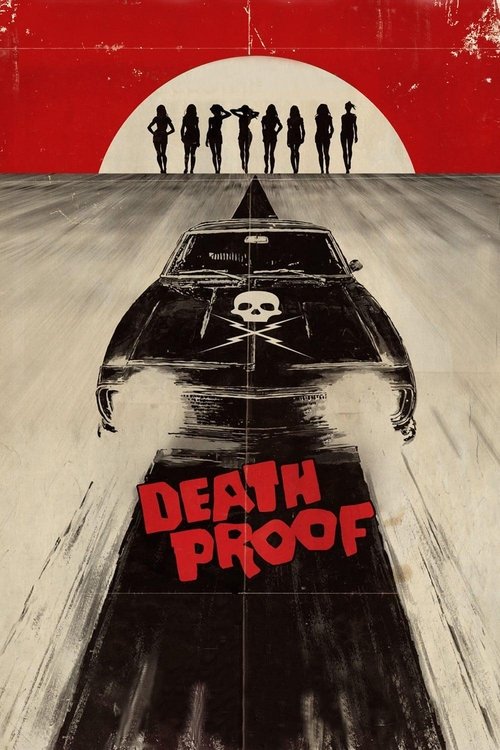
Although it is probably now best known as the film that inspired Quentin Tarantino’s Death Proof (2007)--or at least was the film most frequently named-checked--Vanishing Point should be seen as a particularly charged variant of a now extinct genre: the artsy B-movie.
I know Tarantino would love to take the credit for the popularity and new found interest in “Vanishing Point,” thanks to his repeated references to the movie in his underrated “Death Proof,” but that’s simply presumptuous, considering many people have been singing the praises of “Vanishing Point” for years and years.
In form, Death Proof is a homage to fast car thrillers of the 1970s - particularly Vanishing Point - coupled with the sexually predatory style of a sinister 1970s slasher movie.
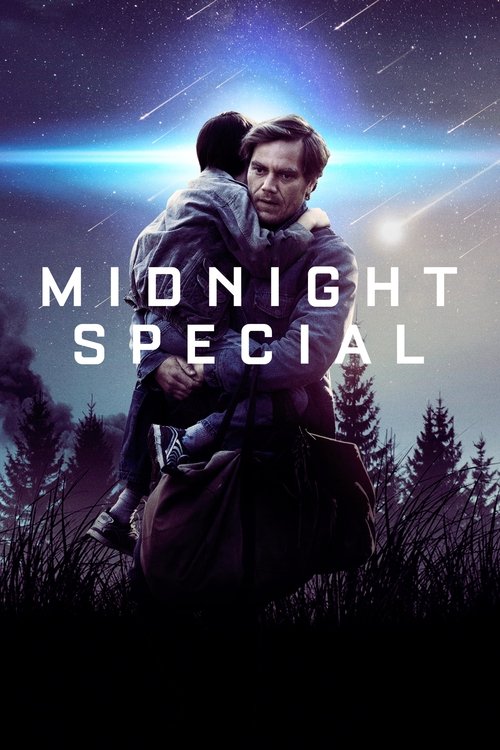
The film revs across the screen with the kinetic vibe that made “Vanishing Point” a drive-in hit of the 1970s.
It would be irresponsible to divulge much more about Nichols' boldly envisioned new movie, which follows 2012's Mud (Matthew McConaughey as an escaped con, Tye Sheridan as the boy he befriends) and which calls to mind titles as divergent as the '70s road pic Vanishing Point, certain iconic Steven Spielberg efforts (no, not Jaws), and the just-out 10 Cloverfield Lane.
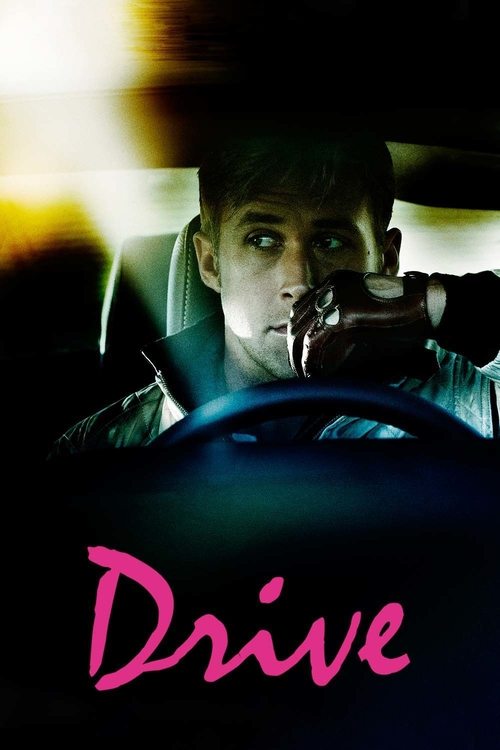
Drive, which won Nicolas Winding Refn the Best Director prize at Cannes last spring, is a sharply etched, finely tuned homage to the existential road movies of the 1970s like Vanishing Point (1970) and Two-Lane Blacktop (1971) in which the nature of human existence was fused with the open road.
Baby Driver (2017)
Directed by Edgar Wright
influenced by Vanishing Point (1971)
Visuals Themes Plot
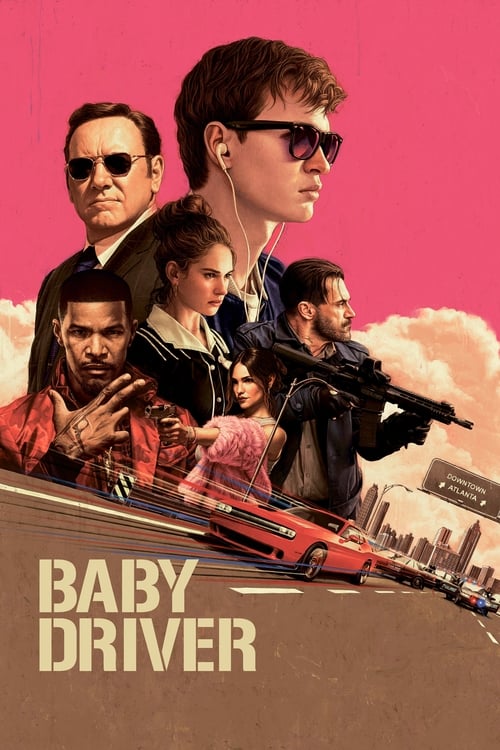
The picture riffs on the seedy pleasures of ’70s drive-in classics like Walter Hill’s The Driver—which Wright has cited as an influence—and Richard C. Sarafian’s Vanishing Point.
Cinema has been dabbling with this idea from time to time whether it’s Walter Hill’s The Driver, Richard C. Sarafian’s Vanishing Point or Peter Collinson’s The Italian Job.
Its roots lie in the cycle of quasi-mystical car movies that followed Vanishing Point and Two-Lane Blacktop , where fast driving was a way for a man (and it was always a man) to achieve a kind of existential purity, to break society’s shackles and simply be.
But it turns out the world really, really needed a movie that asked "What would happen if you meshed Drive, Vanishing Point and the robbery scene from Heat and made it a funk-scored opera?"
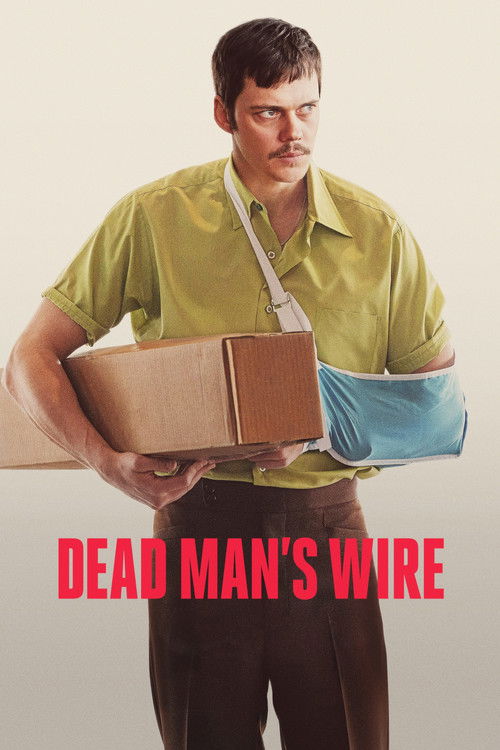
However, Domingo is painted into a corner as Temple, given a part that has far less to do with the actual Heckman than it does with either Cleavon Little as Super Soul in Vanishing Point or Lynne Thigpen as the nameless deejay in The Warriors.
The other, more obscure, is “Vanishing Point” from 1971, about the multi-state police chase of a stolen car driver. That film, like “Dead Man’s Wire,” had a DJ (Cleavon Little) narrating the crime on radio to the public.
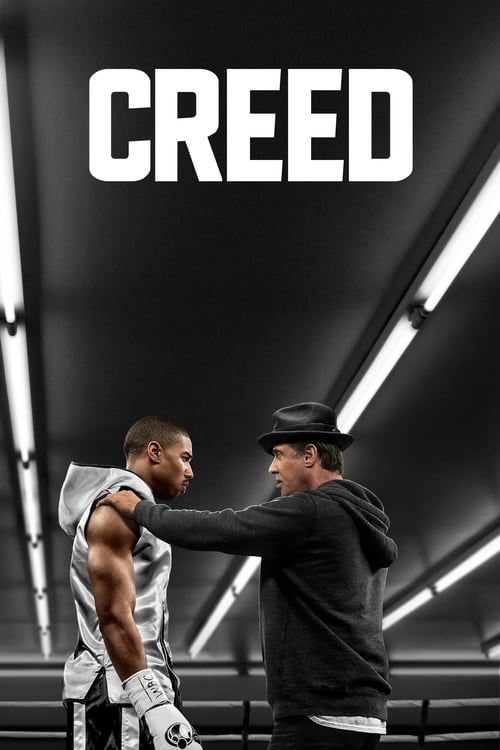
But there’s no Bill Conti score, no “Eye of the Tiger,” and certainly no Paulie’s robot from “Rocky IV.” It’s the first film with Rocky not written by Stallone himself, but by “Fruitvale Station”’s Ryan Coogler.
The Rocky hardcore will appreciate the plentiful shout-outs to the previous pictures: Finally, you will find out who won the friendly spar between Rocky and Apollo after the freeze-frame that ended Rocky III (even the MGM logo that opens the movie includes an easter egg; think Eye of the Tiger).
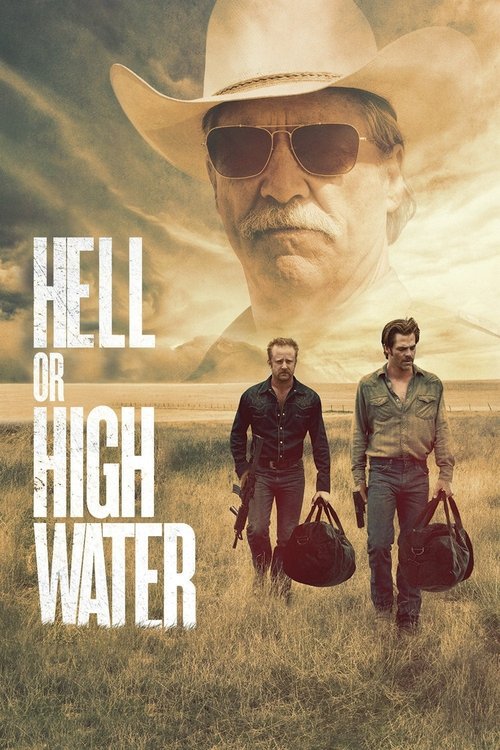
“Two-Lane Blacktop,” “Vanishing Point,” “Badlands.”
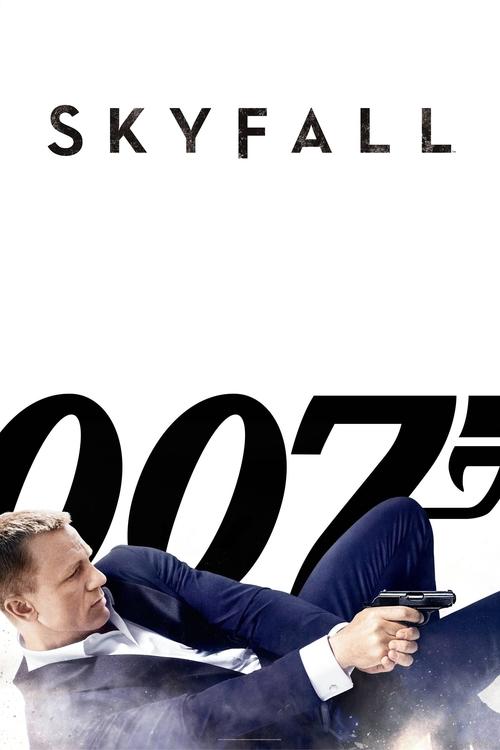
This means, of course, that in his third film in the role, Daniel Craig already has to go through the “Maybe he’s too old for all this secret agent stuff” scenario and then the dutiful Rocky-esque “Eye of the Tiger”-style training sequence.
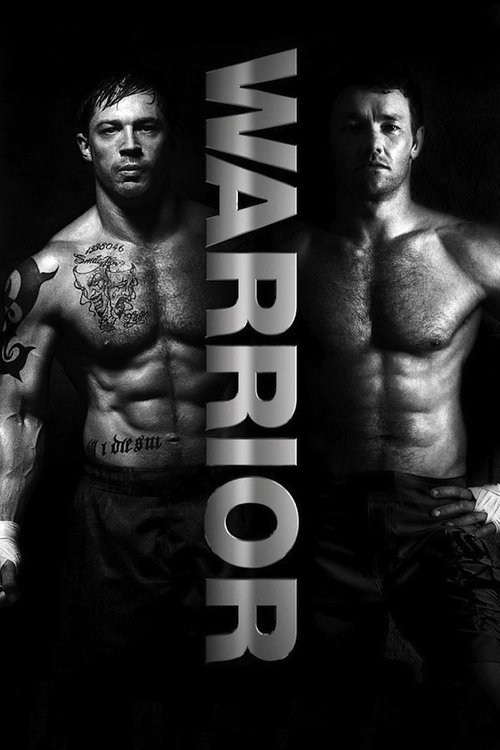
If only the film had it’s own “Eye of the Tiger” to call its own.
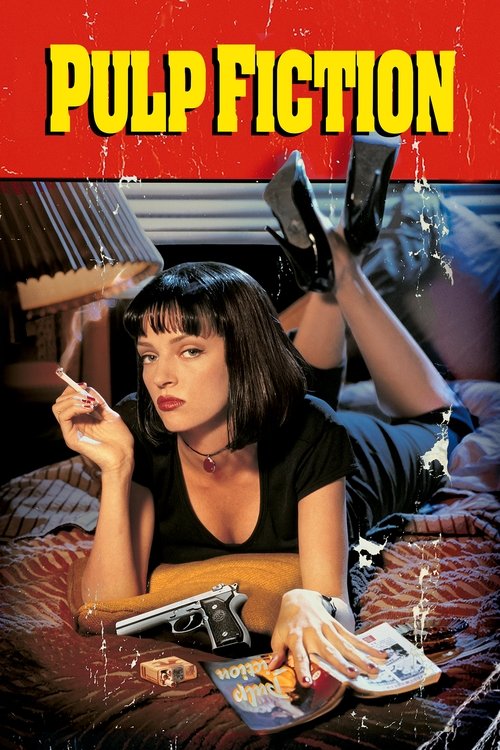
What clears him with his accusers is his unabashed admission of his influences within his films, be it Lady Snowblood and Shogun Assassin in Kill Bill , Vanishing Point in Death Proof , or The Dirty Dozen for Inglourious Basterds .
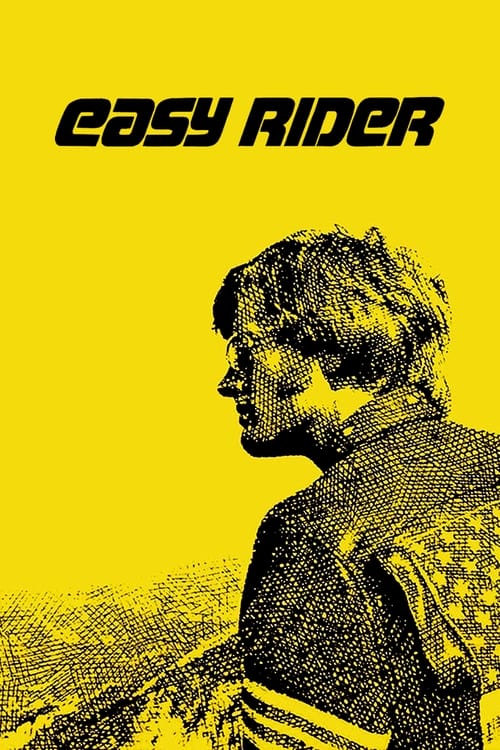
Alas, director Richard C. Sarafian, who started his career directing television in the early ’60s, never reached the echelon occupied by those filmmakers, but his name will forever be associated with the cult status of Vanishing Point, which, like Dennis Hopper’s Easy Rider (1969) and Monte Hellman’s Two-Lane Blacktop (1971), sought to personify the schisms in American culture, particularly the tensions between the counterculture and the establishment, along the rush of the open highway.