
Lloyd Bacon
18 connections found



View:
Connections, in both directions



(To do Warners justice, Marked Woman (1937) starring Bette Davis as one of the prostitutes who helps convict the gangster based on Lucky Luciano, has a more nuanced sense of situation than The Departed.)
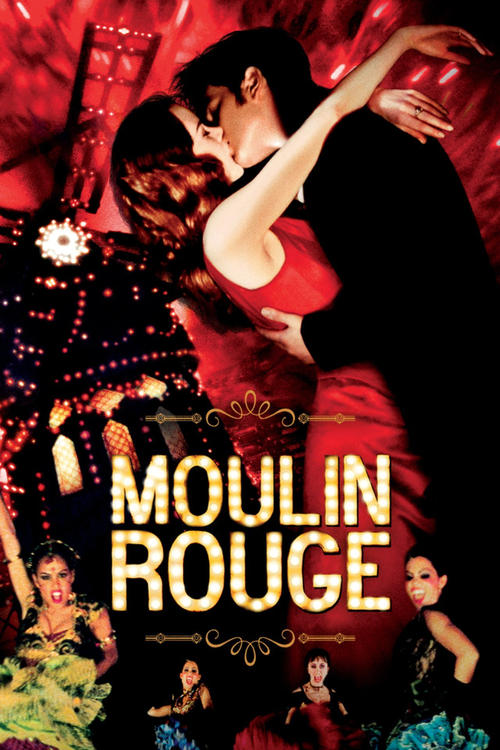
The screenplay by Luhrmann and Craig Pearce steals shamelessly from "42nd Street," "Camille" and any other film the writers managed to catch on the late show.
…the 1937 Bette Davis favorite Marked Woman…
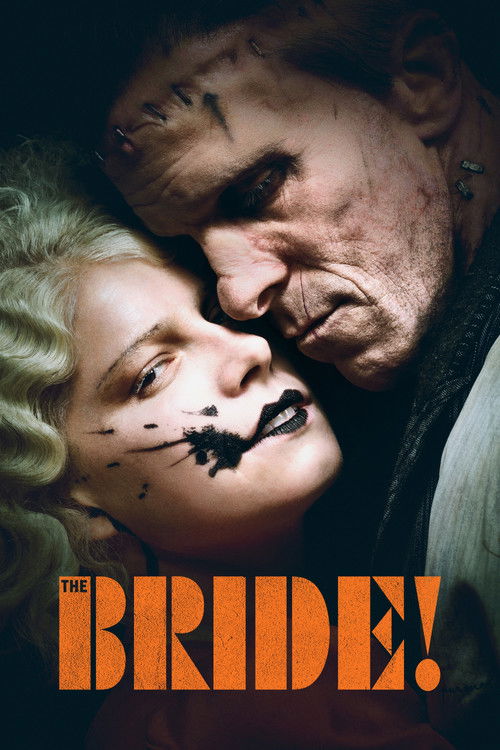
…the lesser-known film Marked Woman (1937) is a major factor in a subplot of The Bride!
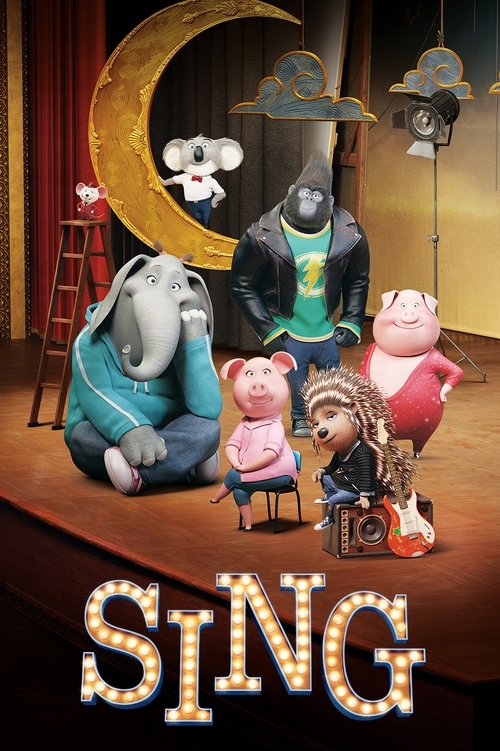
The premise is American Idol with talking (and singing) animals, but that's just the starting point for a film that borrows cheerfully from many sources: Baz Luhrmann meets Beatrix Potter, with a healthy dose of The Muppet Show and of classic Warner Brothers backstage musicals such as 42nd Street.
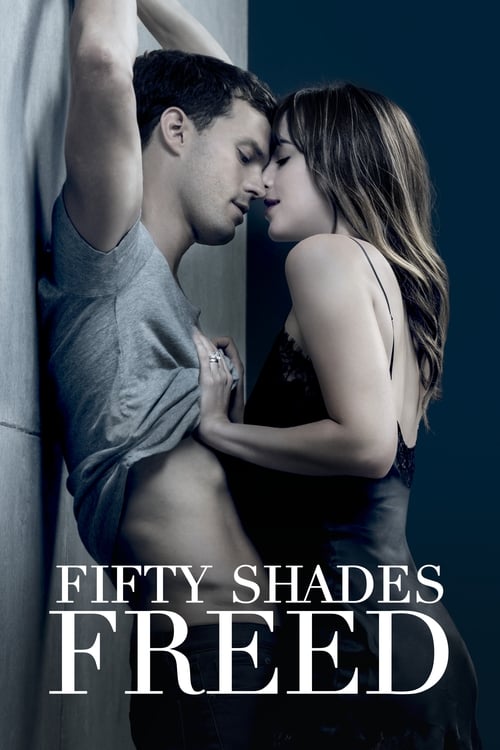
Romance is more or less dead in studio movies—neither the romantic comedy nor the romantic drama has remained a big-ticket item—but this week it returns in “Fifty Shades Freed,” in a form that is best summarized by a song from the Depression-era musical “Gold Diggers of 1937”: “Oh, baby, what I couldn’t do (ooh-ooh), with plenty of money and you (ooh-ooh).”

Greyhound (2020)
Directed by Aaron Schneider
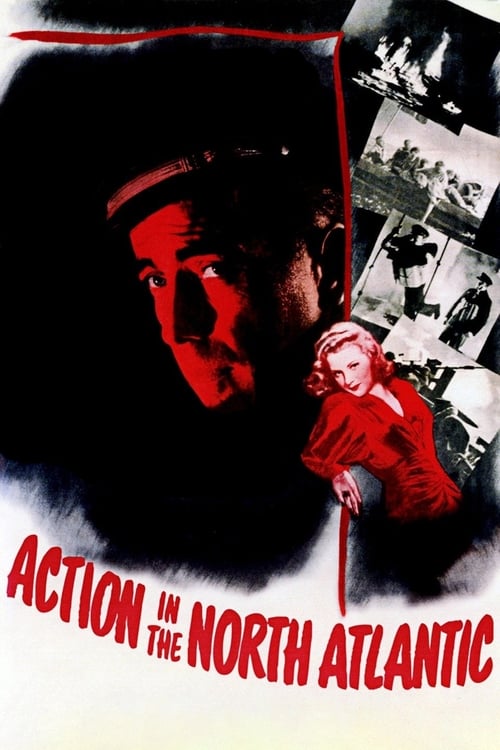
influenced by Action in the North Atlantic (1943)
Themes
Although this aspect of the war might not have gotten as much attention, it makes for a very cinematic experience and, because of modern technology, is wildly more sophisticated than movies made during the war like Humphrey Bogart’s 1943 Action in the North Atlantic could be, despite their patriotic and entertainment value.
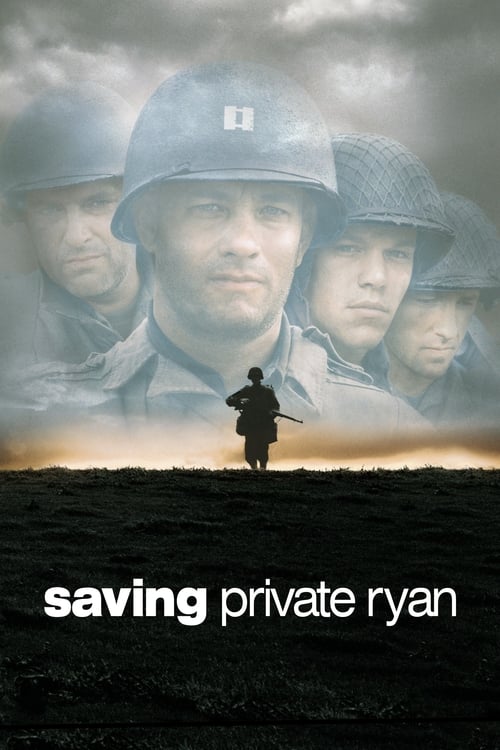
Saving Private Ryan (1998)
Directed by Steven Spielberg
influenced by The Fighting Sullivans (1944)
Plot
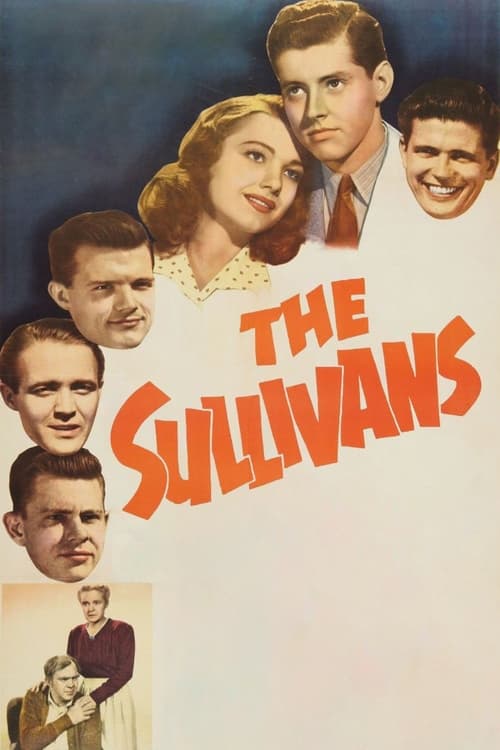
(A similar, true episode, in which five brothers went down on the same ship, was dramatized in 1944 in The Sullivans.)

It's more like the elaborate shows-within-movies that the characters in "42nd Street" and "The Bandwagon" put on: full of wild imagery and containing absolutely no logic or sense.
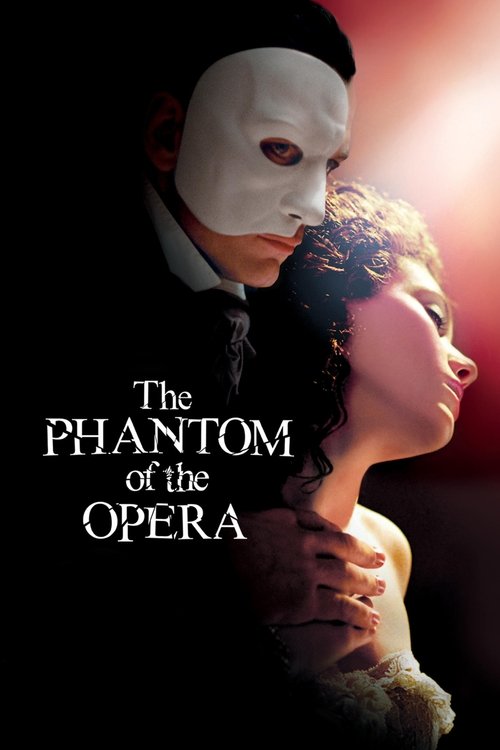
That helps Schumacher immensely: This is a ready-made cinematic fable, a backstage story that doesn't seem stagy on film at all, thanks to its moody mix of Grand Guignol and "42nd Street."
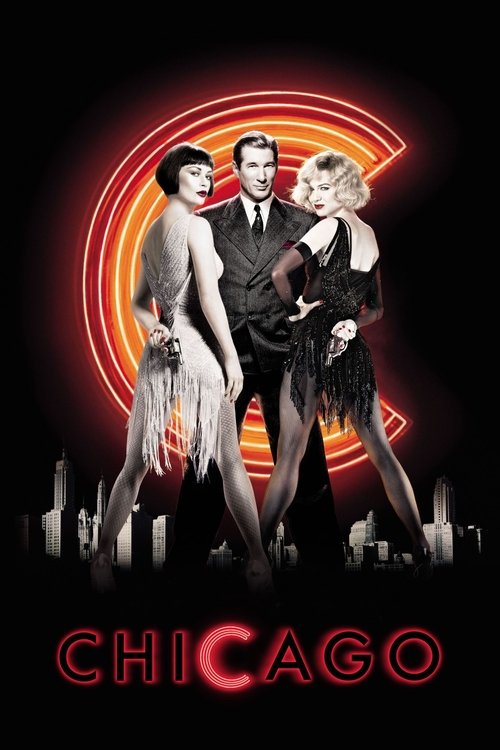
Little wonder, then, that Catherine Zeta-Jones -- who began her showbiz career in the London stage production of the tap-happy "42nd Street" -- steals the spotlight (and the movie) as the vampy, va-voomy Velma.
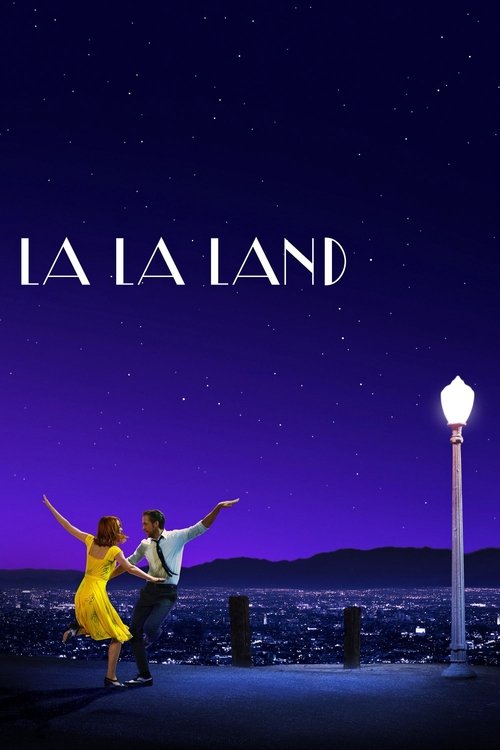
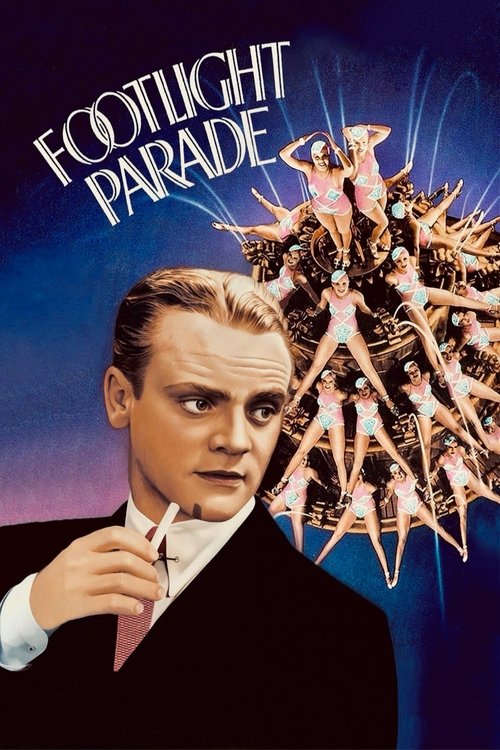
Just as Depression-era audiences thrilled to "Footlight Parade" and musicals that could turn ashen reality into pearly fantasy, and sometimes throw the two together, "La La Land" comes along at a time in our nation's existence when we appreciate the distraction.

The Hunger Games: Mockingjay - Part 2 (2015)
Directed by Francis Lawrence
influenced by 42nd Street (1933)
Characters
In the first and best "Hunger Games" film four years ago, Jennifer Lawrence was like Peggy Sawyer, the Allentown, Pa., hoofer in "42nd Street."
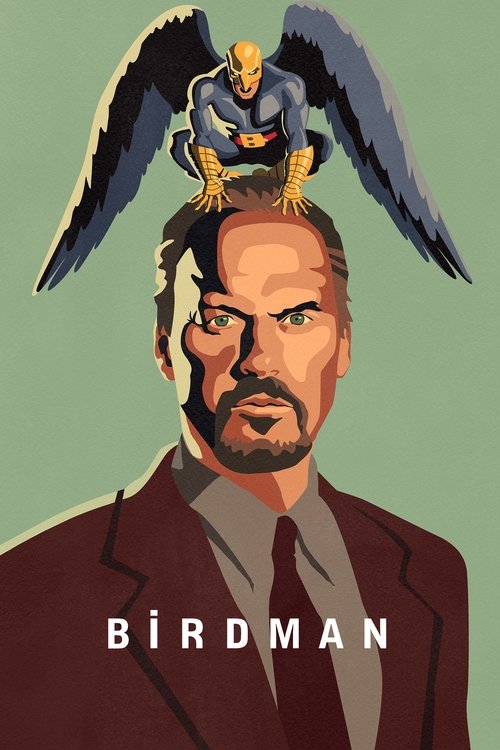
Birdman or (The Unexpected Virtue of Ignorance) (2014)
Directed by Alejandro G. Iñárritu
influenced by 42nd Street (1933)
Themes
There’s a bit of the old: The sheer terror of the Broadway critic — here played with alarming coldness by Lindsay Duncan — goes back to “42nd Street” and beyond.
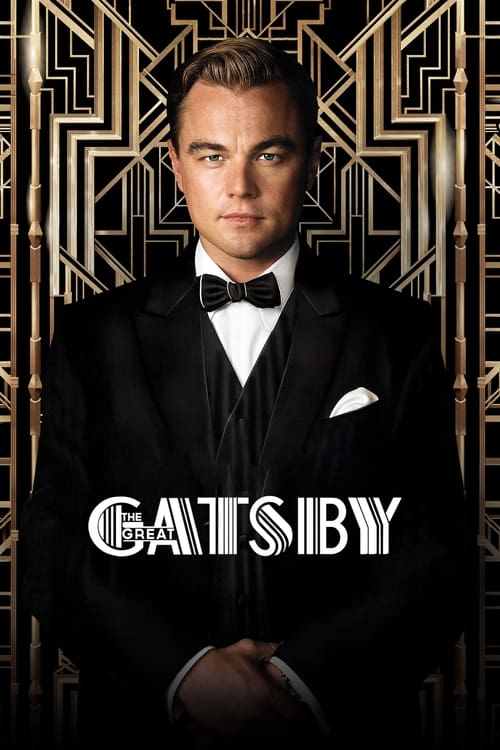
DiCaprio could have been terrific if this were a boffo, over-the-top musical entertainment (an adaptation, say, of 42nd Street), or if it were a subdued fable of loss and regret (such as, I don't know, The Great Gatsby?).
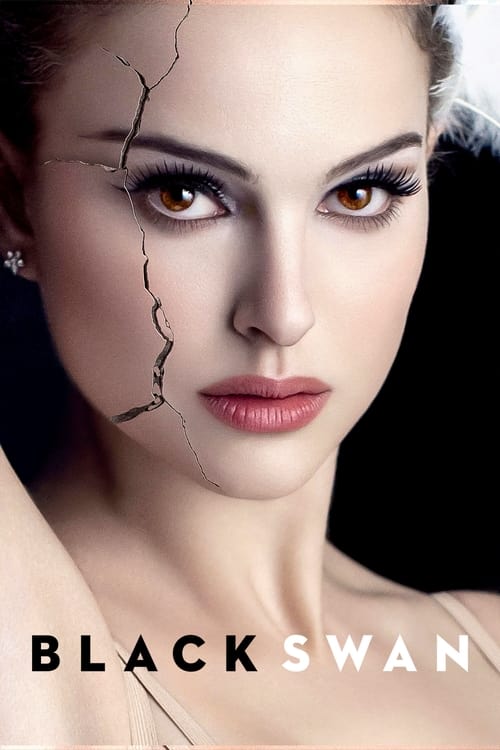
Wild and woolly, the movie is a breathtaking head trip that hails from a long tradition of backstage melodramas: 42nd Street, A Star Is Born, All About Eve, and, yes, that kitschy '90s relic, Showgirls.
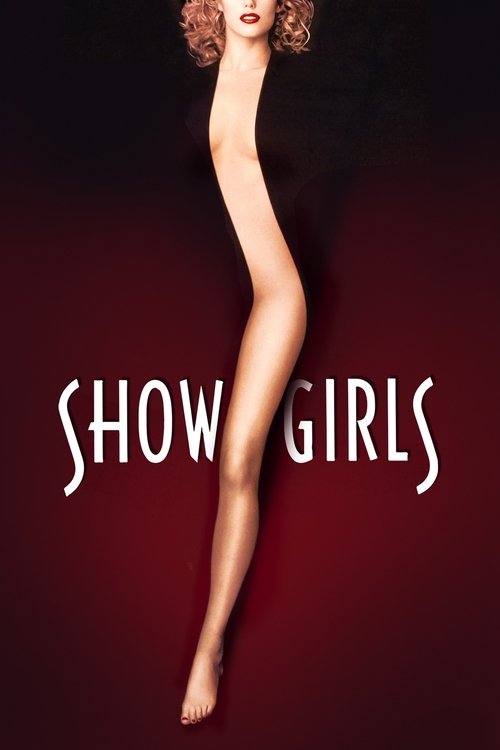
Unimpressed that Joe Eszterhas cribbed copiously from All About Eve and 42nd Street, viewers don’t even stop to address the notion that he and Paul Verhoeven—who most of the auteurist crowd have given a pass to by this point, but it doesn’t matter because Showgirls exists outside of and beyond auteurism—are directly commenting on these star-is-born pipe dreams and their culpability in force-feeding the American Dream to an audience of pop junkies.
Yes, Showgirls is a clear riff on the likes of 42nd Street and its descendants, but one of its most notable thematic arcs comes in the form of the Stardust’s shows.
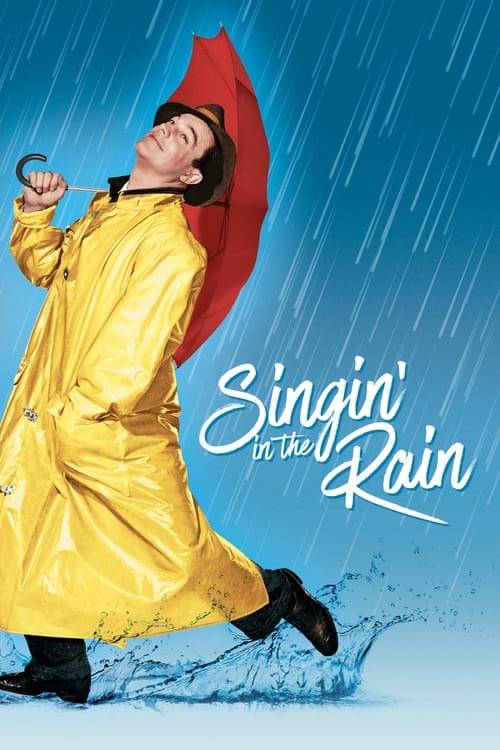
Sure, Fred and Ginger did more technically proficient dancing in Top Hat and Swing Time; and the Busby Berkeley extravaganzas, like Footlight Parade, had more spectacular set pieces.
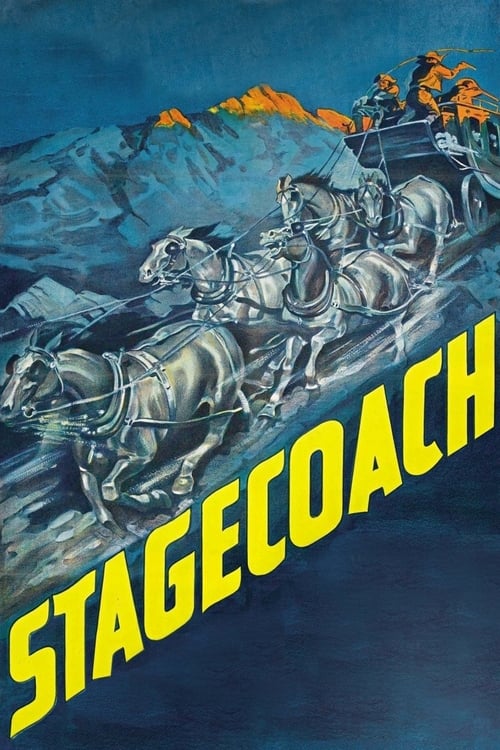
What "42nd Street" did for musicals, “Psycho” and “Night of the Living Dead” did for modern horror films, and what “Star Wars: A New Hope” did for latter day space operas, “Stagecoach” did for Westerns.