Charlotte Wells
17 connections found
Filmography
View:
Connections, in both directions
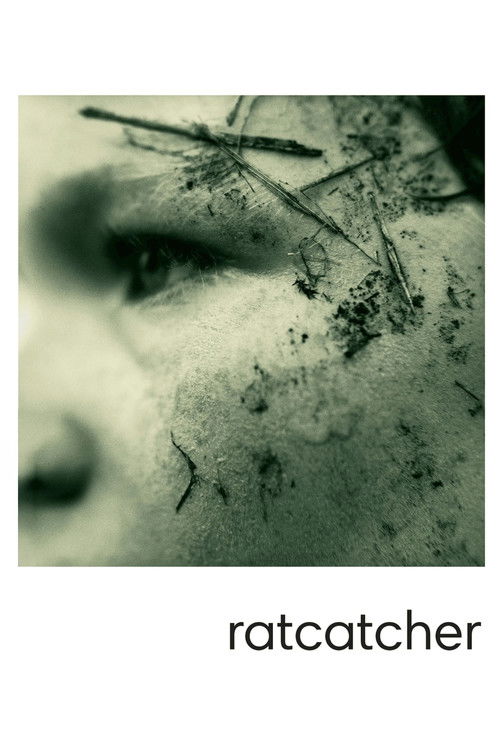


There’s more than a hint of the tactility of Lynne Ramsay’s early works, with short films such as Gasman (1997) and features such as Ratcatcher (1999) clearly serving as inspirations.
Aftersun can be compared with Ratcatcher since they were debut films that focused on young characters, had different storylines that take place in a certain area, and had the occasional artistic diversion.
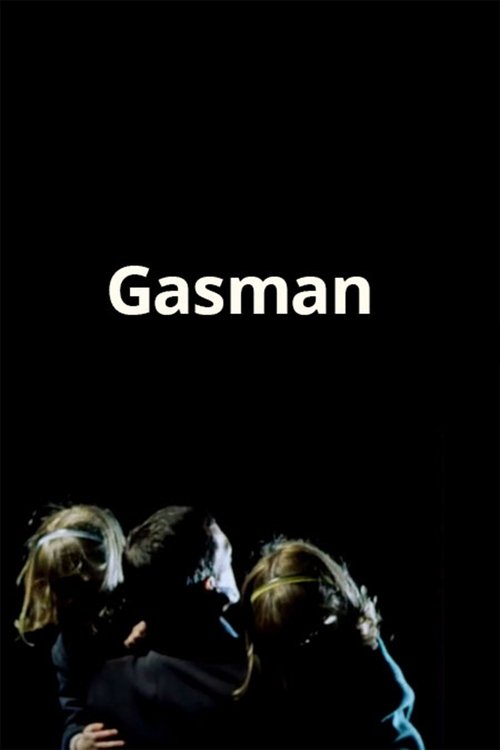
There’s more than a hint of the tactility of Lynne Ramsay’s early works, with short films such as Gasman (1997) and features such as Ratcatcher (1999) clearly serving as inspirations.
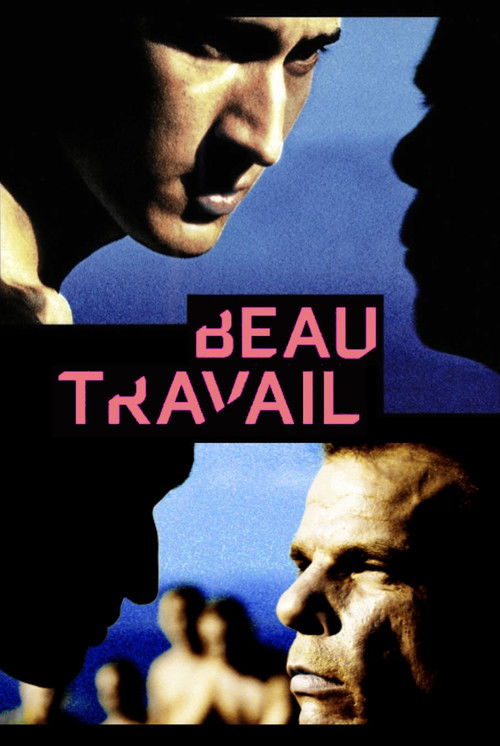
It ends with a dance scene (another fucking Beau Travail (Claire Denis, 1999) homage) and as the great climax of the film, I knew that people back home watching this at London Film Festival are going to be crying.

Barry Jenkins is one of the producers, which is appropriate, because in films like Moonlight he also uses childhood as a launching point for a complex story of relationships echoing down the decades.
As for Calum, his outward calm seems to cover demons of denial; a trancey energy that threatens to break through the placid surface of his current life, dragging him back into a more chaotic – or euphoric – existence ( Moonlight director and Aftersun co-producer Barry Jenkins describes Calum as “wading through wells of quiet anguish”).
Meanwhile, the film counts amongst its producers Barry Jenkins and Adele Romanski, the director and producer behind the phenomenal Moonlight and If Beale Street Could Talk .
Talent škotske filmašice prepoznao je oskarovac Barry Jenkins (“Moonlight”, “Ulica Beale”) i producirao njezin prvijenac, iznimno poetičan i osoban komad melankolične, pa i elegične drame.
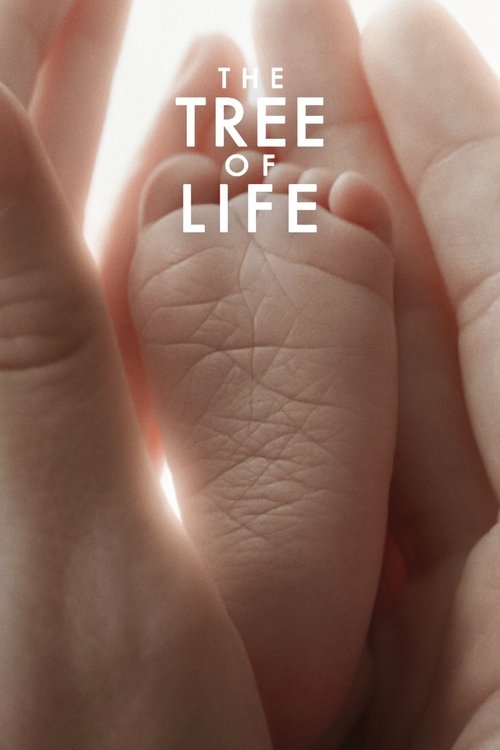
Among other Malick echoes in the cinematography, these fragments feel like an inversion of the beach vision in The Tree Of Life , where the protagonist can embrace and finally be at peace with his family.
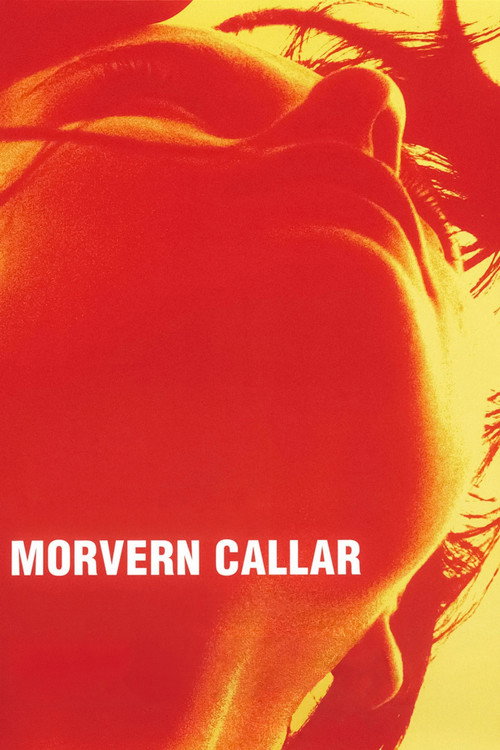
As it is, Ms. Wells owes an incredible debt of gratitude to Lynne Ramsay’s vastly superior “Morvern Callar,” another Scottish movie about a young woman, haunted by her memories of an emotionally mysterious man, on an ill-advised cheap beach vacation.
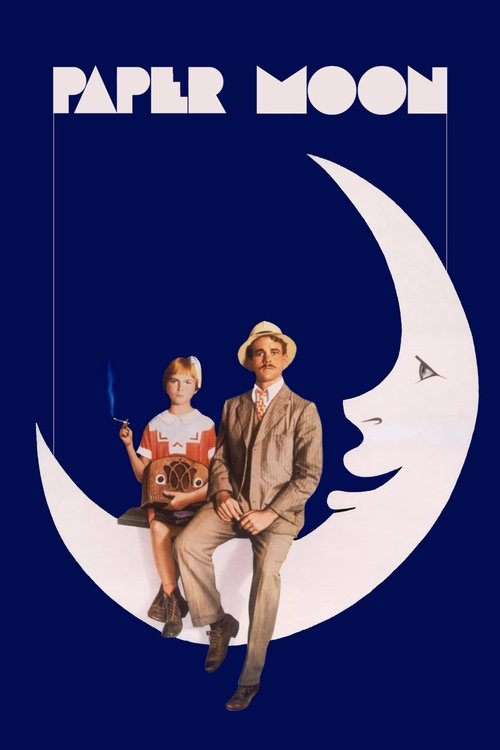
Someone referred to this film as an “arthouse Paper Moon ,” but unlike Ryan and Tatum O’Neal, Mescal and Corio’s performances mainly rest on their ability to play off one another through their candid moments, whether teasing, a deep conversation, or lathering sunscreen or mud on one another.
Conflict and mishaps can arise – out of nowhere – and for reference and commiseration, watch “National Lampoon’s Vacation” as a form of therapy.

Gregory Oke’s fuzzy and tactile cinematography suggests a more sensitive read, its gossamer textures recalling the work of Lance Acord in a movie that often feels like a platonic riff on “Lost in Translation.”

Das sehenswerte Debüt der Schottin Charlotte Wells variiert das Vater-Tochter-Thema, wie es etwa Sofia Coppola in Somewhere (2010) verhandelte, in einer eigenständigen Handschrift, die sowohl die Form als auch den Inhalt betrifft.
By the time it reaches its climax with Freddie Mercury's biggest needle drop this side of "Wayne's World," "Aftersun" has begun to shudder with the crushing weight of everything we can't leave behind, and everything we may not have.
By the time it reaches fever pitch with the greatest Freddie Mercury needle drop this side of “Wayne’s World,” “Aftersun” has begun to shudder with the crushing weight of all that we can’t leave behind, and all that we may not have known to take with us in the first place.
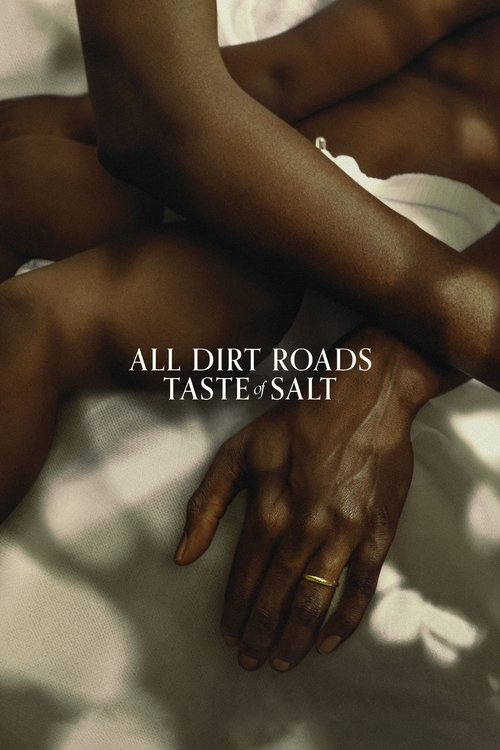
All Dirt Roads Taste of Salt (2023)
Directed by Raven Jackson
influenced by Aftersun (2022)
Themes Visuals
In a movie like Aftersun, the protagonist’s vague memories and the opacity of Paul Mescal’s tragic character feel crucial to the film, as young Sophie tries to piece together who her father was. All Dirt Roads, however, never attempts to explore who Mack becomes as a woman and how her recollections have affected her. Without any interest in her interior life, it’s unclear why we should care that these events happened to her in the first place.
Not unlike last year’s “Aftersun,” Jackson handles memory with the lucidity of emotion and sensation as the only truth that one can extract from recollection. The snippets of life that shape how we move through the world speak to us in whispers of consciousness, sometimes many years after the fact. They become inextricable from us, and we must try to interpret them not logically but instinctively.
If “Dirt Roads” bears any recent comparison in its audaciously non-linear excavation of remembered joy and sorrow, especially as experienced with a beloved parent, it's to Charlotte Wells' “Aftersun,” also produced by Barry Jenkins and distributed by A24.
Produced by fellow filmmaker Barry Jenkins and getting a release through A24 just like last year’s incredible Aftersun, which would make for a great double feature with this, Jackson's vision is one that feels so alive in how it leaves you unable to look away for fear of missing any individual moment.
All Dirt Roads was produced by Barry Jenkins’ PASTEL, who is coming off another deeply moving portrait of fractured memory and time with Charlotte Wells’ Aftersun; it’s commendable just how much freedom both first-time directors are given.
Films like this, whether they be the works of Malick, Jenkins or even last year's Aftersun, suggest that the type of impressionistic filmmaking often associated with experimentalism can also cross over into more traditional methods of storytelling.

Films about family can be some of the rawest, most moving and most therapy-inducing stories (See Aftersun, Petite Maman and His Three Daughters for some other recent examples)…

Imagine a cross between “Aftersun,” “The Menu” and “Jurassic Park” and you’ll get the idea.

In the same way that Charlotte Wells masterfully revealed how a father can be someone who is broken and hurting in Aftersun, Donaldson shows how they can also be the ones causing the immense hurt.

Without ever seeking chronological clarity or any sort of temporal linearity, the film handles these shifts masterfully, thanks to the precise editing work of Blair McClendon (Kitty Greene’s The Assistant ).
Meanwhile, the film counts amongst its producers Barry Jenkins and Adele Romanski, the director and producer behind the phenomenal Moonlight and If Beale Street Could Talk .