

Katsuhiro Otomo
15 connections found
View:
Connections, in both directions
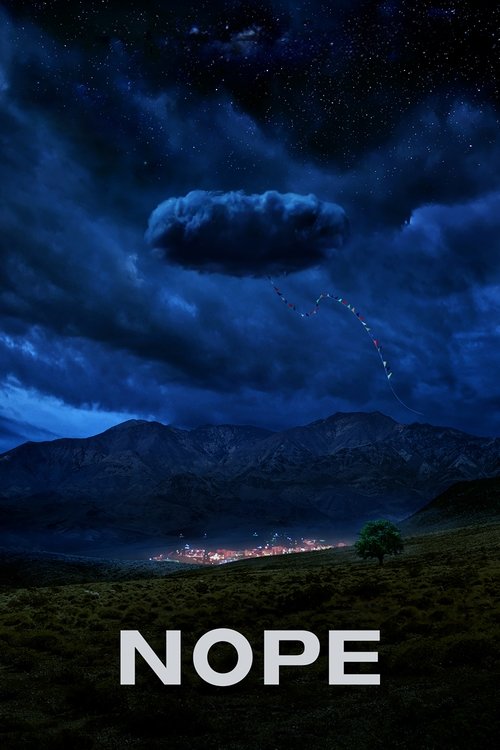


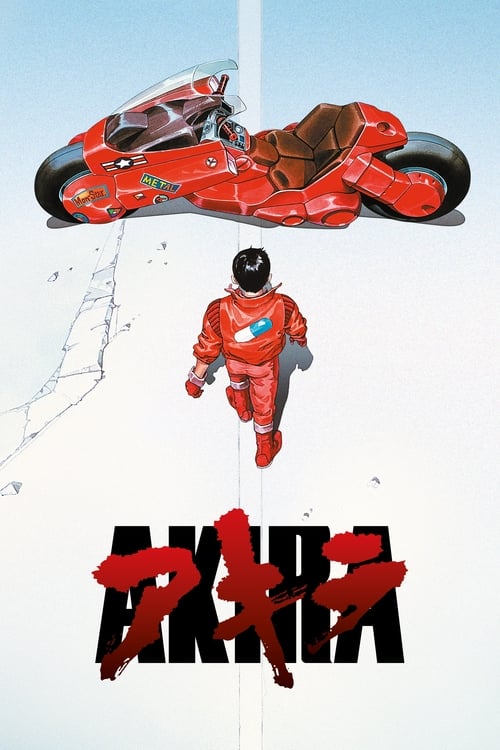
With impressive precision Peele remixes a broad range of influences, including the incomprehensible terror of Lovecraft, more niche genre fare like Ron Underwood’s Tremors , classic Hollywood, and even beyond, such as a direct reference to Akira , through thrilling replication of the famous bike-slide shot (perhaps his tribute to a cancelled remake he was once linked to).
Sometimes literally: Hoyte van Hoytema’s 65mm compositions lend the carnage an intergalactic scale that makes even the film’s most familiar tropes feel bracingly new, and inspire a degree of holy terror that allows the grand finale to alternate between heart-in-your-throat horror and fistpump-worthy “Akira” references as cinematography assumes a hands-on roll in the action (Peele keeps the film’s self-reflexive streak to a low boil, but cranks it up to a delirious high in the dying minutes).
Em’s journey goes from wanting “the Oprah shot” to shutting down in survival mode, making her eventual turn in the rousing finale (complete with a visual nod to 1988’s Akira) feel triumphant on a personal level as well.
Even a direct reference to Akira ’s famous bike-slide shot can’t shatter the illusion that what we’re watching is wholly, thrillingly original.
Pop culture fans will have a field day spotting the references (there’s definitely a shout-out at one stage to Akira ) and influences (fans of mind-melting anime Neon Genesis Evangelion will have something to discuss afterwards).
While most will talk and gush over the Akira scene reference—which is dope, by the way—it is very much earned.
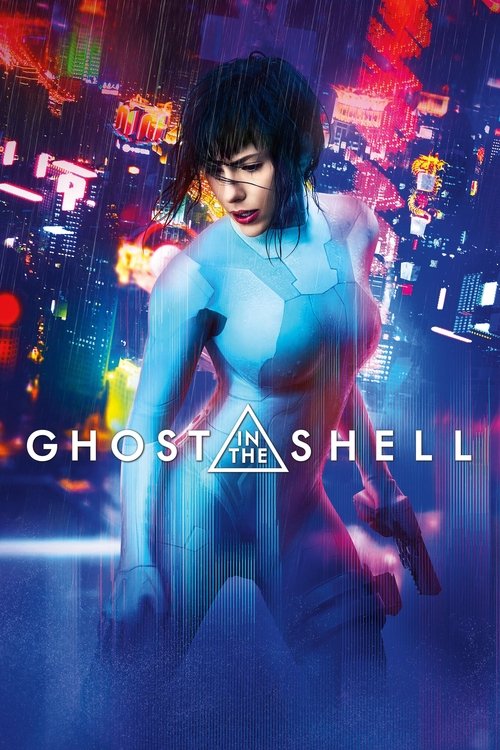
The setting appears to be another neo-Tokyo, recalling that other anime classic “Akira” (1988), with almost everything about the visuals lifted from Ridley Scott’s 1982 landmark “Blade Runner,” including giant animated advertisements on the sides of high-rises.
It was the Akira of the paranoid ‘90s – and perfectly timed for the advent of the connected world that was emerging around it.
Warner Bros. has been trying to make Akira for a few years now; this week’s announcement that the studio is courting Jordan Peele for the director’s chair seems to indicate that these films and shows are ripe for the plucking in Hollywood.
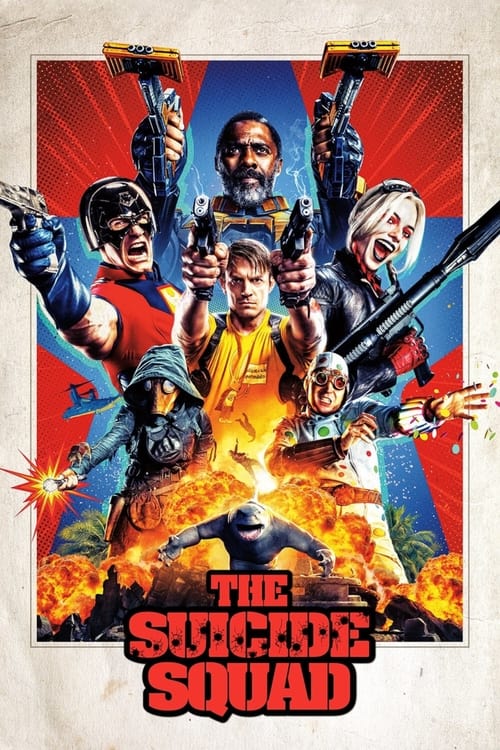
Although you’d have to go all the way back to the end of 1988’s “Akira” to find a precedent for the “cool but imminently catastrophic” level of vein-bulging that’s happening in Cena’s biceps here.
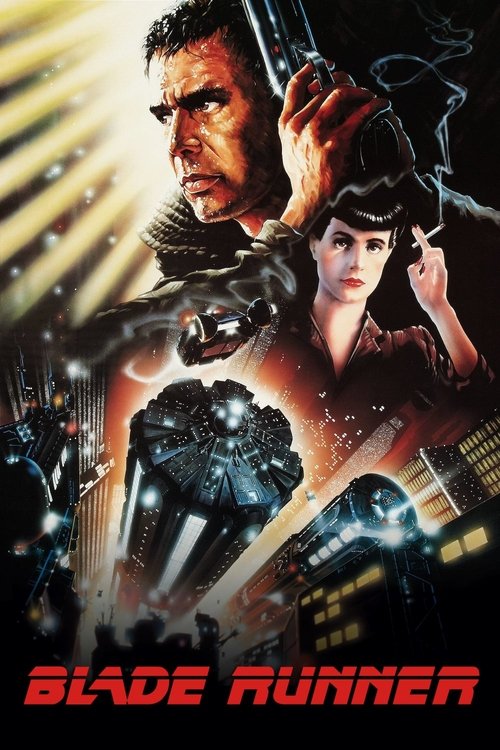
The ads hype "Akira" as a cross between "Heavy Metal," the animated sci-fi anthology, and Ridley Scott's "Blade Runner."
The rebuilt city, looking like an animated "Blade Runner" prototype, is under military rule, though barely: Packs of motorcycle-riding cyberpunks race through the streets engaging in deadly jousts.
But as a purely visual experience, this science-fiction epic is a furious spectacle of lush colors and dynamic movement that deftly combines elements of Blade Runner, The Road Warrior, and William Gibson’s Neuromancer.
With action that was bloody and frenetic (but unlike so much anime, not incomprehensibly so), Akira was a worldwide hit and one of the few post-Blade Runner science-fiction movies to have a truly distinctive design aesthetic.
Set in the metropolis of Neo-Tokyo 30 years after an atomic bomb has been dropped on Tokyo Bay, this superviolent epic borrows liberally (if unimaginatively) from Blade Runner, The Road Warrior, Japanese disaster movies, Brian De Palma's telekinesis movies, and SF writer Alfred Bester to create the equivalent of the dullest of all possible computer games.
It would be a lie to say that nobody had seen anything like this before - it's one of the countless films to borrow huge chunks of its design mentality from Blade Runner - but it has the goodness to be a thoroughly successful version of itself.

Evangelion aside, a number of obvious sources are consistently referenced – the nuking of a major city, the underground military bases and a superintelligent child from Akira (Katsuhiro Otomo, 1988), the robot populated streets of Blade Runner (Ridley Scott, 1982), the soldier on a quest within the war-torn Vietnam of Apocalypse Now (Francis Ford Coppola, 1979), the vistas of Baraka (Ron Fricke, 1992).
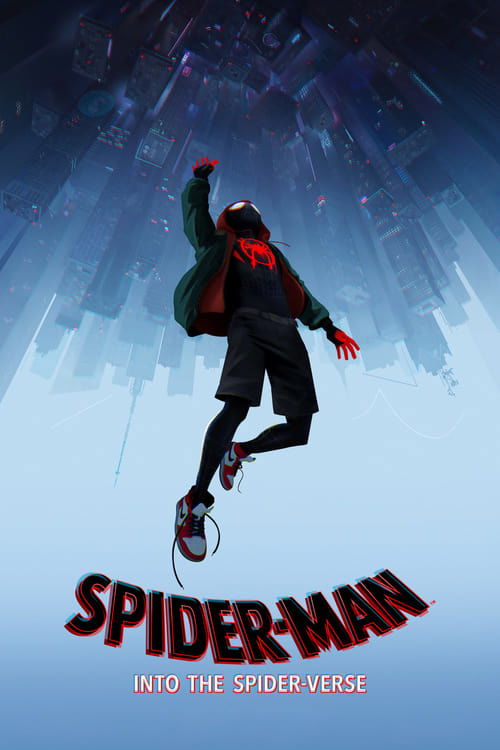
Spider-Man: Into the Spider-Verse (2018)
Directed by Bob Persichetti
influenced by Akira (1988)
Visuals
It's American anime, essentially, an Akira moment for our film art that will sooner or later be identified as the definitive event where everything tilted forward.
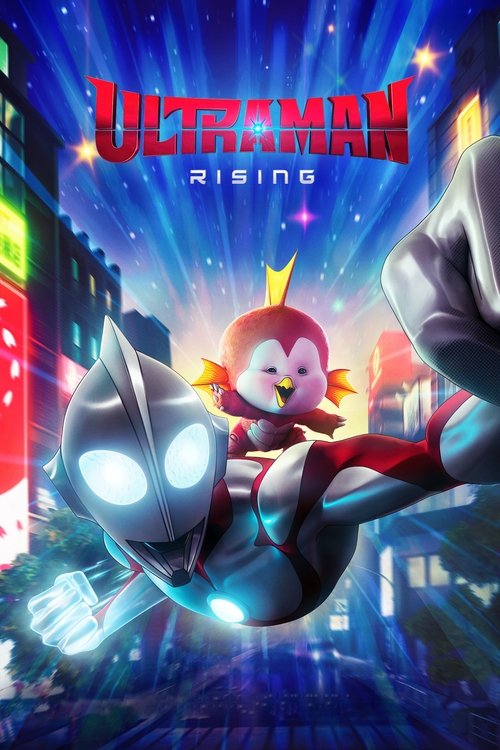
Hints of manga influences from Katsuhiro Otomo’s Akira to the E…
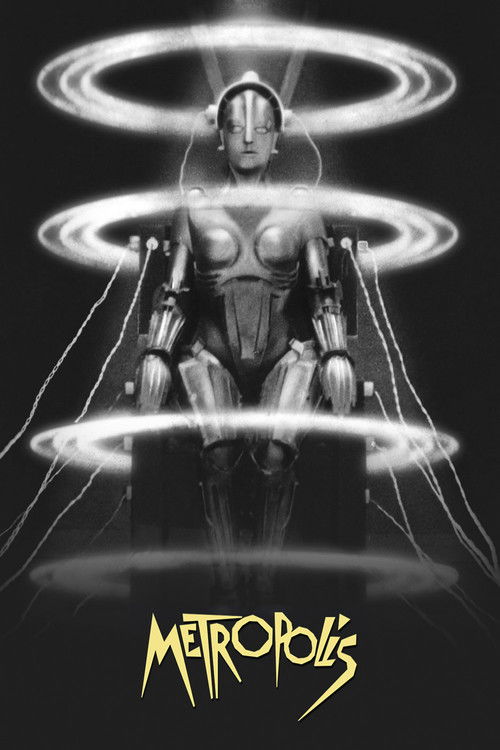
Le cinéaste japonais ne se contente pas ici de simplement reprendre quelques idées du passé rappelant les univers de films comme Blade Runner ou encore le Metropolis de Fritz Lang (dans un contexte mené sur un front toutefois beaucoup plus réaliste qu’expressionniste) et finit par en compléter la majorité par ses propres élans philosophiques.
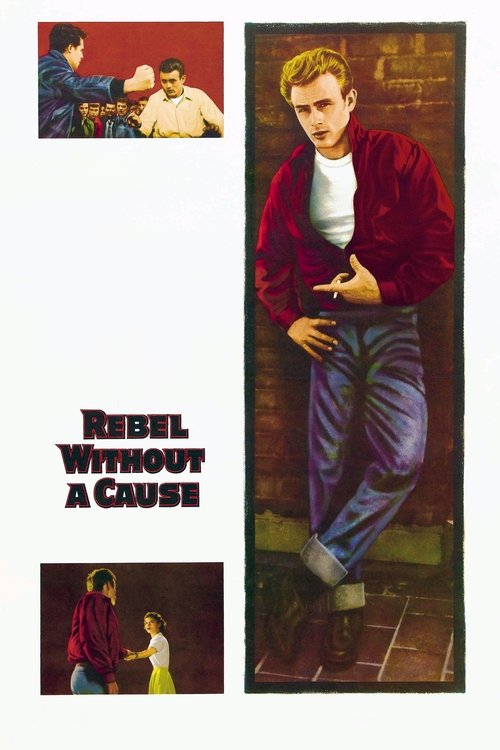
It’s Godzilla meets Rebel Without a Cause .
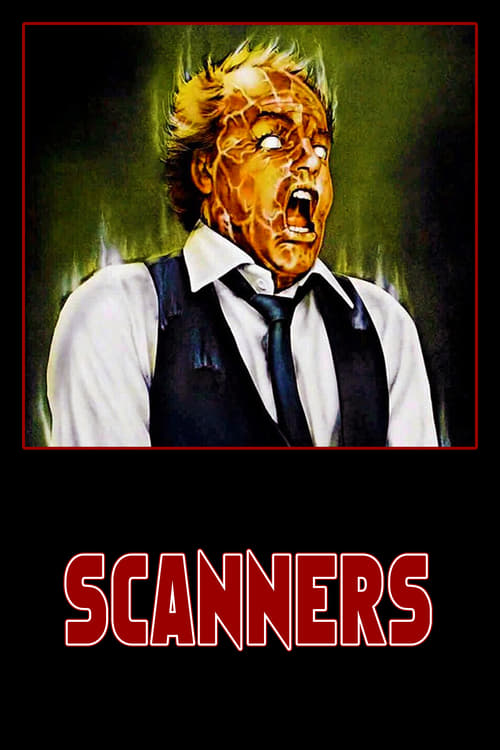
After that there are a lot of other movies that come to mind while watching "Akira," from "Star Wars" to "Superman," but chiefly Brian DePalma's "The Fury" and David Cronenberg's "Scanners" right down to the one-on-one duel-of-the-telekinetics.

Not only is Ghost in the Shell a close runner up to 1988’s Akira as one of the best Manga-based anime films (the Manga for both sagas began in the same publication: Young Magazine), but serves as an animated prototype for 1999’s The Matrix.
All credit to Britain's Manga Entertainment for co-funding this ambitious project with the Japanese producers of Akira, but much more attention should have been paid to the script and disastrous dubbed dialogue.
The animation, however, is thoroughly Japanese, and picks up where the country's pioneering "Akira" cartoon left off.
In particular, the 1995 anime Ghost in the Shell is to me an across-the-board improvement: its world is more visually striking and complex, its story more engaging and resonant, its treatment of the thematic idea of the human body being warped and expanded by technology far more nuanced and rewardingly difficult.
On pensera en ce sens à l’ensemble de l’œuvre on ne peut plus satisfaisante d’Hayao Miyazaki, au doublé Ghost in the Shell et au Metropolis de Rintaro.
Lacking the imaginative thrills and rich characterization as such previous Japanese-animated imports like Katsuhiro Otomo's Akira and Hirohiko Yamaga's The Wings of Hommeamise, Mamoru Oshî's Ghost in the Shell -- the latest âanimeâ feature to receive a theatrical release these shores -- is a disappointment.
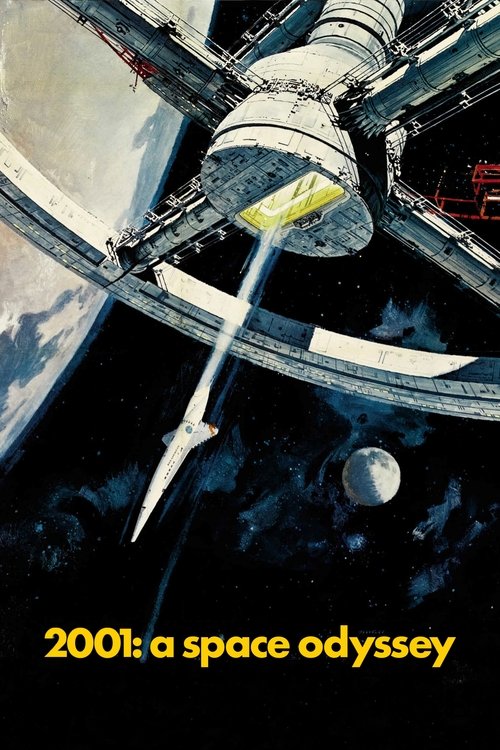
This is, in its essentials, and using exclusively American cinematic touchstones, a '50s juvenile delinquency movie crossed with a '70s paranoia thriller that very suddenly transitions into a gory remake of the last act of 2001: A Space Odyssey for its final half-hour.
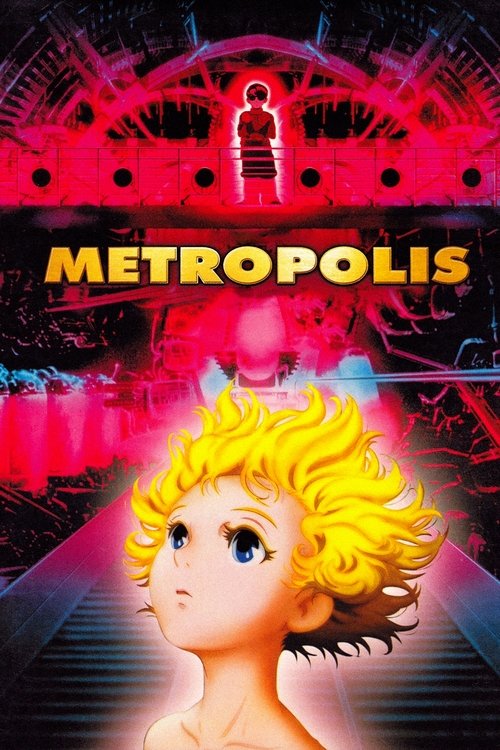
Rintaro et Katsuhiro Ôtomo, réalisateur et scénariste du magistral Akira, auront su trafiquer ingénieusement les idées originales de Lang en reformulant certaines de ses préoccupations dans un contexte plus contemporain.
Yet anime's most visible cultural diffusion into the United States (at least until Princess Mononoke and Kawajiri's Vampire Hunter D: Bloodlust ) has been "hard" science fiction films like Mamoru Oshii's Ghost in the Shell and Katsuhiro Ôtomo's seminal Akira (easily the most-quoted "first" for most North American anime junkies).
Yes, it's a tad confusing at first, but stick with it and you'll be rewarded by 90-plus minutes of truly astonishing animation that gives even the legendary Akira a run for its money (indeed a handful of Akira's creators -- including screenwriter Katsuhiro Otomo -- worked on Metropolis).
This Japanese anime isn't merely a cartoon version of Fritz Lang's 1927 vision, with a screenplay by Katsuhiro Otomo (Akira, Roujin Z), it's actually adapted from the 1949 work of groundbreaking illustrator Osamu Tezuka.
Based on the comic book by Osamu Tezuka (the man behind "Kimba the White Lion" and "Astro Boy"), directed by Rintaro (whose other Manga films include "X"), and with a screenplay by Katsuhiro ("Akira") Otomo, "Metropolis" brings together some of the biggest names in Japanese anime, with impressive results.
Screenwriter Katsuhiro Otomo directed the groundbreaking Akira (1988).
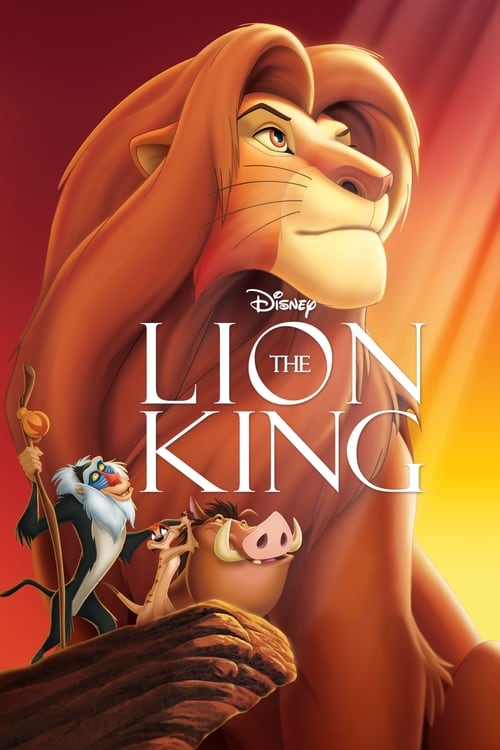
Forget about the computer graphics employed (rather manifestly) in the likes of Disney movies like The Lion King, Tarzan, etc.

The constant slippage between two ordinarily separate worlds, culminates with an apocalyptic finale that echoes Katsuhiro Ôtomo’s Akira and Hayao Miyazaki’s Princess Mononoke.
Satoshi Kon isn't nearly as well-known as his fellow Japanese animators Hayao Miyazaki (the Oscar-winning 2002 fantasy "Spirited Away") or Katsuhiro Otomo (the 1988 cult classic "Akira") ?
Classic examples include Akira, Ninja Scroll, Ghost in the Shell, Jin-Roh: The Wolf Brigade .
It is like watching 3 episodes of “Paranoia Agent” in a row, with the last half of “Akira” attached to the end!
Les citations cinématographiques et artistiques sont également très nombreuses, passant des précédents opus de Satoshi Kon à de courtes références à From Russia With Love, Tarzan, The Cell, Akira, en plus des nombreux contes pour enfant dont s’alimente le scénario de Satoshi Kon et Seishi Minakami.
Lar du deg imponere av fargebruk og ein animasjonstil som fleire stader ligg nær det groteske i både Akira og Spirited Away kjem du ganske langt.