
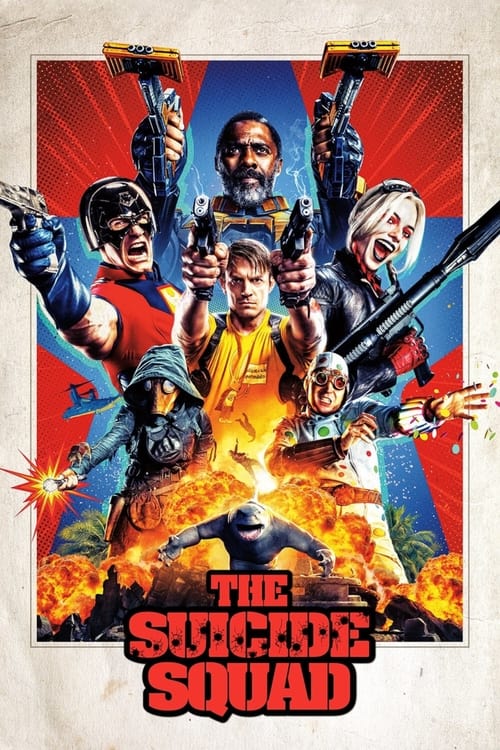
The Suicide Squad (2021)
Directed by James Gunn
Supervillains Harley Quinn, Bloodsport, Peacemaker and a collection of nutty cons at Belle Reve prison join the super-secret, super-shady Task Force X as they are dropped off at the remote, enemy-infused island of Corto Maltese.
46 connections found
View:
46 films that influenced The Suicide Squad
What critics say influenced The Suicide Squad



Indeed, Gunn homages the narrative structure of numerous “infiltrate and escape” ‘60s blockbusters, with The Dirty Dozen (1967) and Where Eagles Dare (1968) being the biggest touchstones.
Fan enthusiasm has been high leading up to the premiere of The Suicide Squad , James "Don't Call It a Reboot" Gunn's band-of-misfit-supervillains homage to the classic 1967 film The Dirty Dozen (among many other influences).
Taking heavy inspiration from the war films of the 1970s (the original Inglorious Bastards, The Dirty Dozen ) with a heaping helping of The A-Team thrown in, The Suicide Squad wastes no time throwing the viewer into the muck with its clown car of characters in an uproarious bait-and-switch opener involving the Squad’s initial storm into Corto Maltese.
It’s only been a few years since the original Suicide Squad theatrical release, so it undoubtedly feels too soon to revisit this concept, yet it does allow for Gunn’s version to largely dispense with reiterating the premise; it’s obvious that this is still a modernized, superhero-infused take on “The Dirty Dozen.”
Gunn takes inspiration for the film’s style from The Dirty Dozen and Kelly’s Heroes , Where Eagles Dare , and Platoon .
Everyone gets at least one ‘hero moment’, and the fairly rote subplot about military dissension in Corto Maltese even allows him to sneak in sociopolitical subtext about the dangers of imperialism into what’s a men on a mission movie in the vein of The Dirty Dozen or When Eagles Dare , but one that’s the unique and entirely singular vision of a filmmaker given the blank canvas on which to paint their bizarre, blood-soaked masterwork.
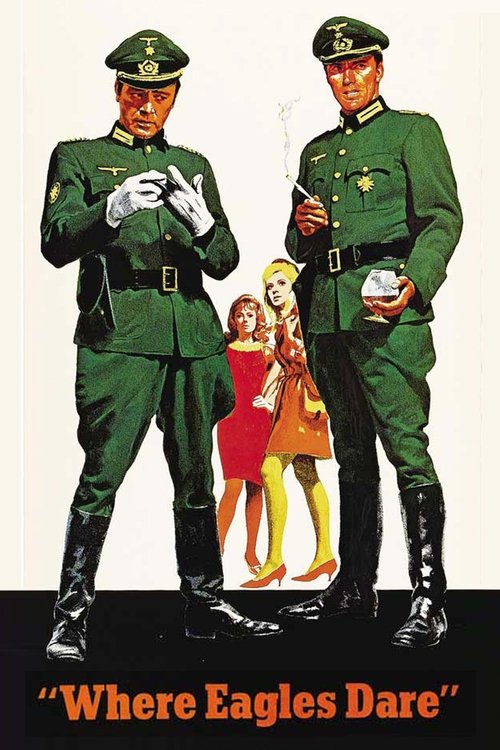
Indeed, Gunn homages the narrative structure of numerous “infiltrate and escape” ‘60s blockbusters, with The Dirty Dozen (1967) and Where Eagles Dare (1968) being the biggest touchstones.
Gunn takes inspiration for the film’s style from The Dirty Dozen and Kelly’s Heroes , Where Eagles Dare , and Platoon .
Cinematically, Gunn draws on all the gritty men-on-a-mission war movies of his childhood ( The Dirty Dozen , The Guns of Navarone , Where Eagles Dare ).
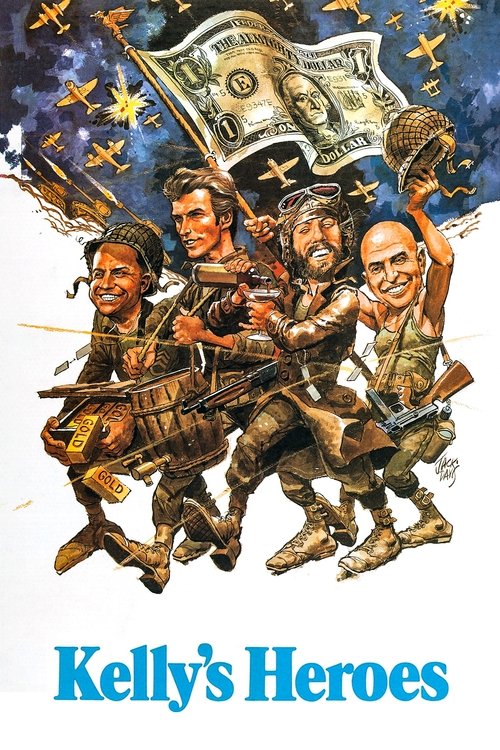
Gunn takes inspiration for the film’s style from The Dirty Dozen and Kelly’s Heroes , Where Eagles Dare , and Platoon .
Director James Gunn also cites early influences like the war films “The Dirty Dozen” and “Kelly’s Heroes” as the impetus not just for the story, but the style of film he sought to make which is gritty and real.
Influenced by movies like “The Dirty Dozen” and “Kelly’s Heroes,” Gunn achieves his goal of presenting a gritty, exciting, and damned funny cinematic experience.
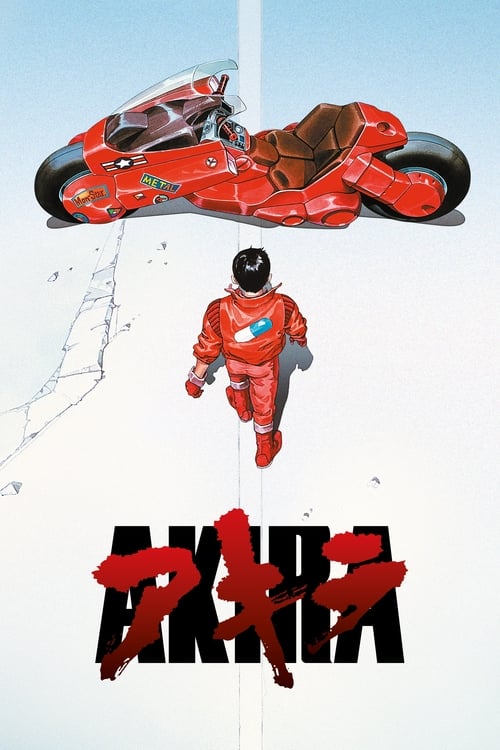
Although you’d have to go all the way back to the end of 1988’s “Akira” to find a precedent for the “cool but imminently catastrophic” level of vein-bulging that’s happening in Cena’s biceps here.
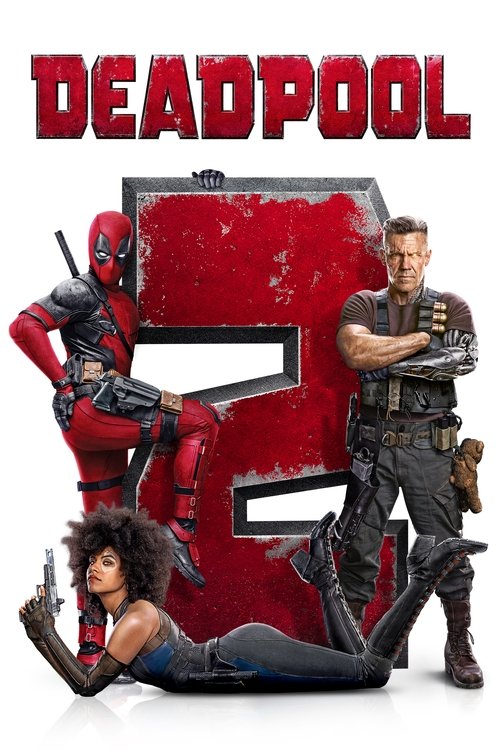
Some squads are less expendable to others, and “The Suicide Squad” opens in a big, brassy, stylish comedic massacre in the vein of X-Force’s fate in “Deadpool 2.” In fact, “Deadpool” is a bit of a touchstone as ‘TSS’ is nasty and juvenile in its first act, and just as entertaining, comedically offensive and also genuinely annoying and even off-putting at times.
For some time after, it seems like this opening sequence might be little more than a gimmick in the vein of a gag that saw Brad Pitt and others brutally die in Deadpool 2 , and that the film perhaps has no intention of following through on this promise by putting any of the real protagonists in danger.
The Suicide Squad outdoes Deadpool 2 and James Gunn’s Guardians of the Galaxy 1 & 2 in sheer over-the-top explosive action and adult jokes that hit their marks.
What’s truly noteworthy about the violence isn’t how much of it or how graphic (not much worse than 2018’s Deadpool 2 “Death of X-Force” sequence, just for the whole film), but the undertone of it all.
Deadpool 2 already did the same joke, and it was old then too.
Among comic-book movies that mock and subvert the genre, two titles stand above the others: The Lego Batman Movie and Deadpool 2 .
Advertisement
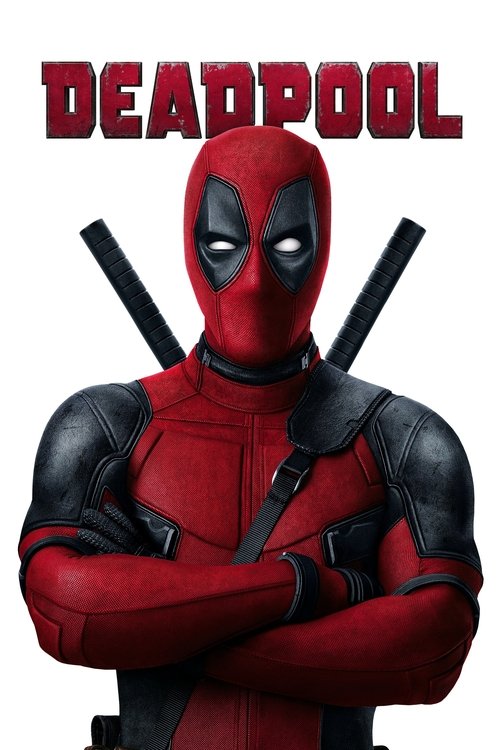
Some squads are less expendable to others, and “The Suicide Squad” opens in a big, brassy, stylish comedic massacre in the vein of X-Force’s fate in “Deadpool 2.” In fact, “Deadpool” is a bit of a touchstone as ‘TSS’ is nasty and juvenile in its first act, and just as entertaining, comedically offensive and also genuinely annoying and even off-putting at times.
And if anything, this new movie probably borrows more of its style and humor from Deadpool .
But unlike “Guardians of the Galaxy” or anything with the almost-as-violent “Deadpool” in it, I can’t say I’d ever care to sit through it again.
It’s certainly funnier and more thoughtful than either of the Deadpool films.
Gunn helms a talented cast in a movie that is masterful in not taking itself too seriously, finally delivering a “Deadpool” equivalent on the D.C. side of the superhero spectrum.
“The Suicide Squad” is possibly the most rousing evolution across DC and Marvel since “Deadpool.”
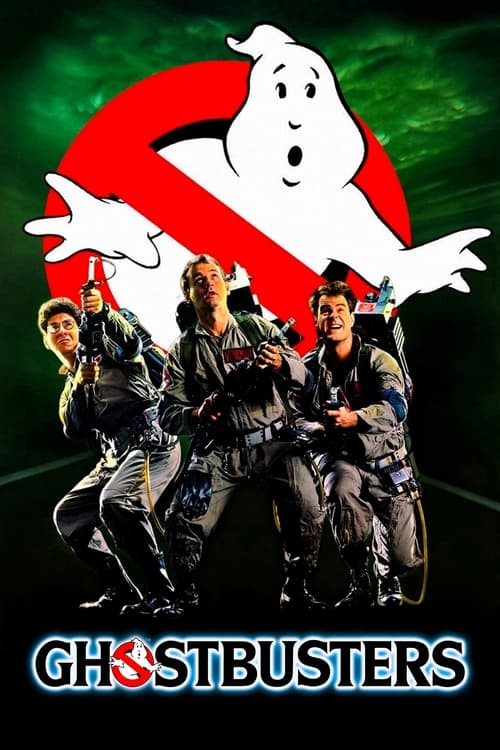
Without getting into details, the first glimpse of it inspires a huge laugh, not unlike the one you might have heard back in the day upon the arrival of the Stay-Puft Marshmallow Man in the original “Ghostbusters” (1984), but Gunn then decides to stick with it long after it has been milked for all of its initial inherent amusement without introducing anything new or fresh to the proceedings.
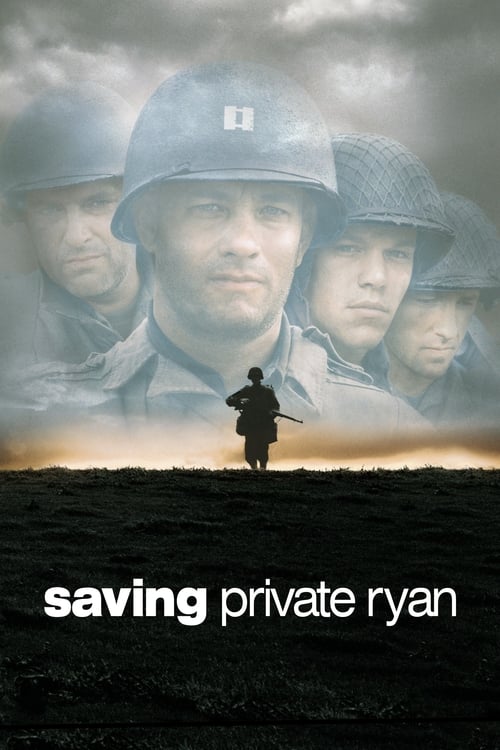
The mission kicks off with the squad's disastrous deployment on a Corto Maltese beach that is reminiscent of the opening sequence in Saving Private Ryan , except with a lot more (very) dark humor.
He achieves this in part through things none of his source comics (mostly taking from John Ostrander’s definitive ‘80s run) could include: Some of the best needle drops in the business, gore like Troma gleefully remade Saving Private Ryan and F-bombs galore.
James Gunn instantly sets the stakes with a death count of name characters and iconic actors in the first ten minutes of The Suicide Squad , with a gloriously bloody, brutal, and masterfully manic ‘storm the beach’ sequence that rivals Saving Private Ryan for intensity.
We’re talking beaches of Normandy in Saving Private Ryan levels of carnage (no, I’m not saying it’s on par cinematically) wherein everyone’s fair game … except Harley Quinn (Margot Robbie), of course.
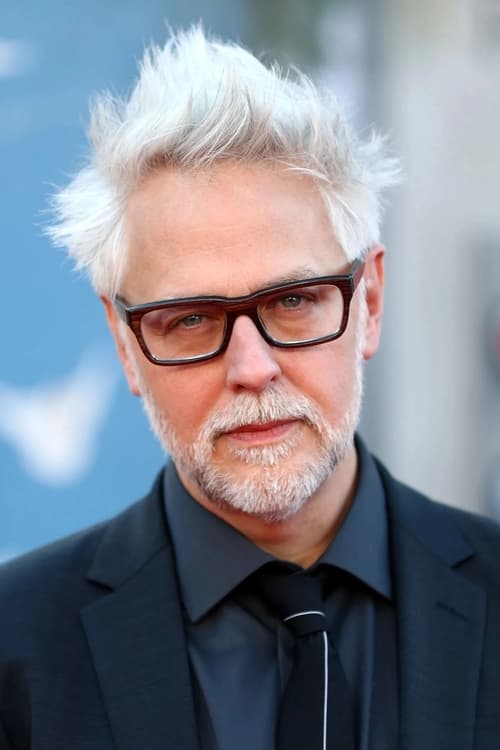
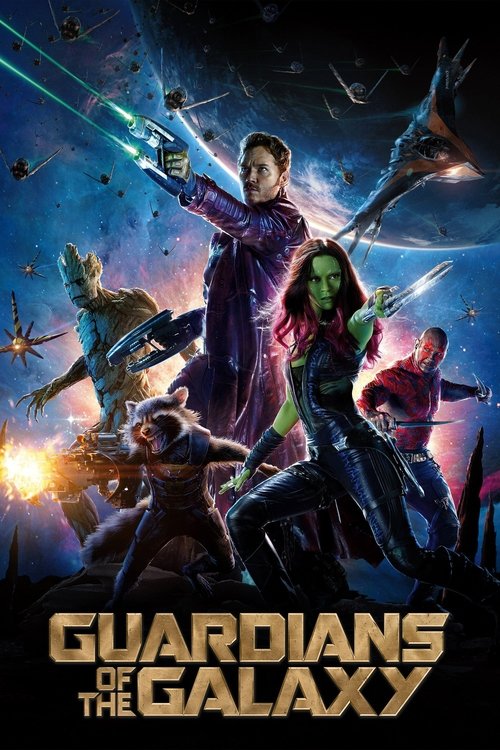
It is directed with style and verve by James Gunn, who previously made the irreverent Guardians of the Galaxy films that surely inspired those funky Suicide Squad trailers in the first place.
Jettisoning most of the characters from the 2016 movie and leaning hard into absurd elements, writer-director James Gunn (best known for the Guardians of the Galaxy movies, neither of which I liked) orchestrates a mostly funny mission-from-hell adventure that ranks right up there among the goriest comedies ever made.
As a director, Gunn -- who made a name for himself in the Marvel Comics Universe, helming the very successful pair of "Guardians of the Galaxy" films -- brings certain reliable things to the table: For one thing, he predictably upgrades the soundtrack game, with inspired music cues ranging from Johnny Cash and Louis Prima to vintage Pixies; for another, he draws from a raft of inventive, if exorbitantly bloody, kills for the Squad to perform.
Typically contrasting the events onscreen, the musical accompaniment reminds of “Guardians of the Galaxy,” primarily as it utilizes recognizable tunes to offset specific actions or moods.
He’s reminding people who only know him as the guy behind Guardians of the Galaxy that he got his start with Troma (Lloyd Kaufman cameo alert) and made his name with hard-R violent comedies.
Take those inspirations, bolt it onto the big budget framework he mastered on Marvel Studios’ Guardians of the Galaxy , and you’ve got arguably the best movie the DCEU has ever seen.
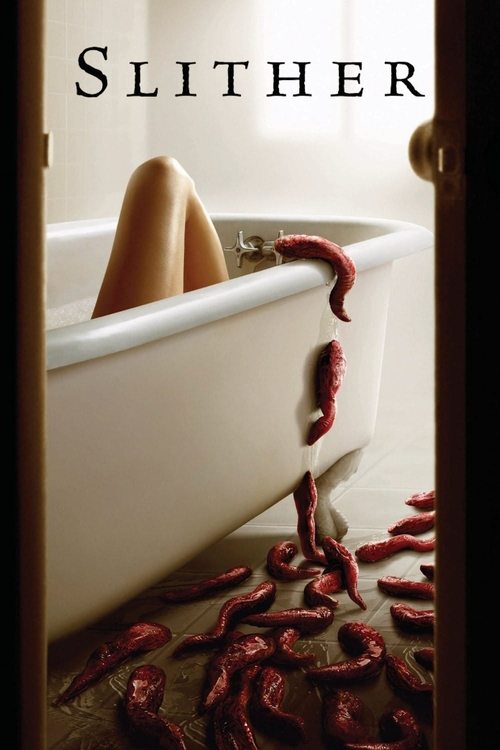
The dark humor he incorporates is reminiscent of what he did with Slither (2006) and to a larger degree, Super (2010).
You may recall Gunn cut his teeth with films like the creature feature Slither , and that background serves him well.
Gunn got his start working for the low-budget horror house Troma, of "Toxic Avenger" fame, and after making his directorial feature debut with 2006's B-movie homage "Slither," he wrote and directed the two "Guardians of the Galaxy" films for Marvel.
Filter that familiar, Dirty Dozen -style adventure through the lens of Guardians of the Galaxy and Slither director James Gunn, and The Suicide Squad quickly establishes itself as one of the most audacious, irreverent, and unpredictable films in the DCEU franchise so far.
James Gunn, Troma alum, taps into his gruesome imagination in a way we haven’t seen since the era of Slither and Super .
The carrot here is that it’s helmed by James Gunn, the once lo-fi auteur of gore and superhero quirk (“Slither” and “Super”) who rose to mainstream notoriety with the marvelously offbeat Marvel Universe entry “Guardians of the Galaxy” (2014).
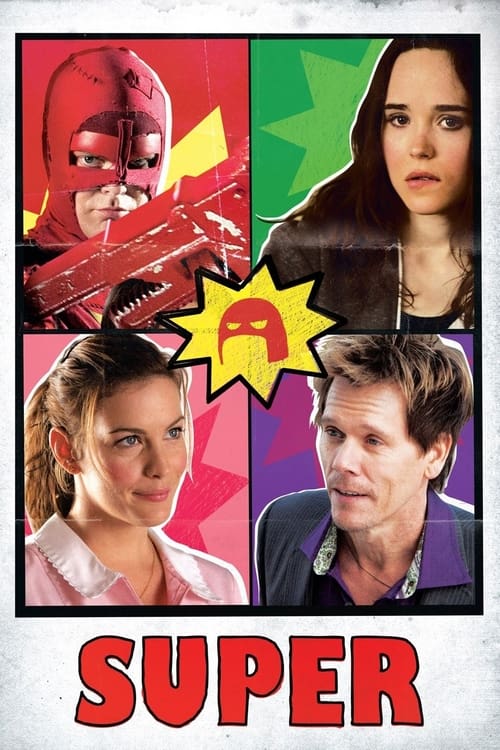
The dark humor he incorporates is reminiscent of what he did with Slither (2006) and to a larger degree, Super (2010).
James Gunn, Troma alum, taps into his gruesome imagination in a way we haven’t seen since the era of Slither and Super .
Writer/director James Gunn ( Super , Guardians of the Galaxy ) has a field day exploring the bizarre abilities of his freakshow team.
The carrot here is that it’s helmed by James Gunn, the once lo-fi auteur of gore and superhero quirk (“Slither” and “Super”) who rose to mainstream notoriety with the marvelously offbeat Marvel Universe entry “Guardians of the Galaxy” (2014).
Directed by James Gunn ( The Guardians of the Galaxy franchise and Super ) The Suicide Squad centres on a sprawling collection of misfits and super-villains from Belle Reve prison, assembled by Amanda Waller (Viola Davis) and her techie team to complete a deadly mission.
Advertisement
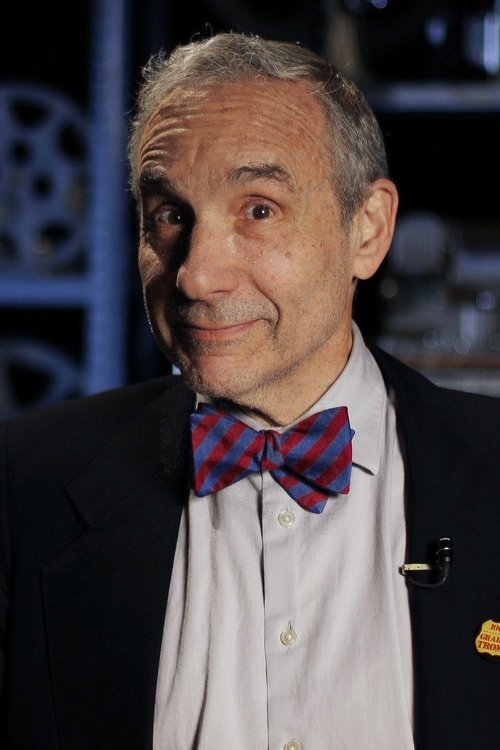

And since “The Suicide Squad” is probably the first-ever studio blockbuster to contain a reference to “The Toxic Avenger,” it’s being hailed in some quarters as a $200 million Troma Film, without much consideration of how sad such thing might actually be.
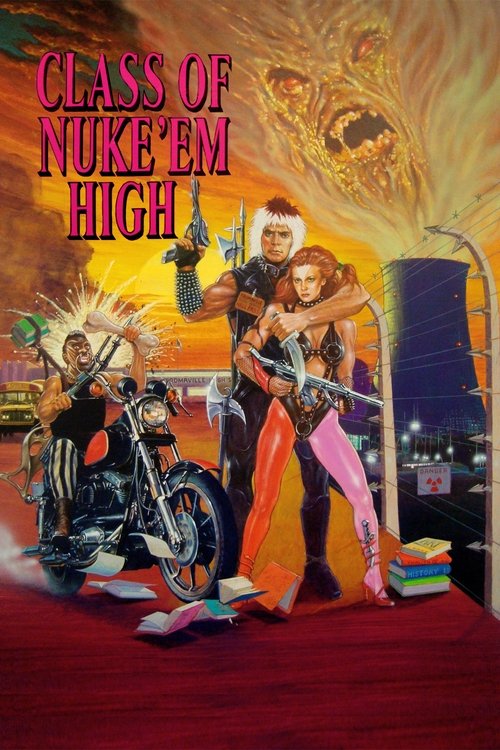
And in James Gunn, who cut his teeth working for gonzo shocksploitation production company Troma ( Class of Nuke ’Em High , Tromeo and Juliet ), they got just that.
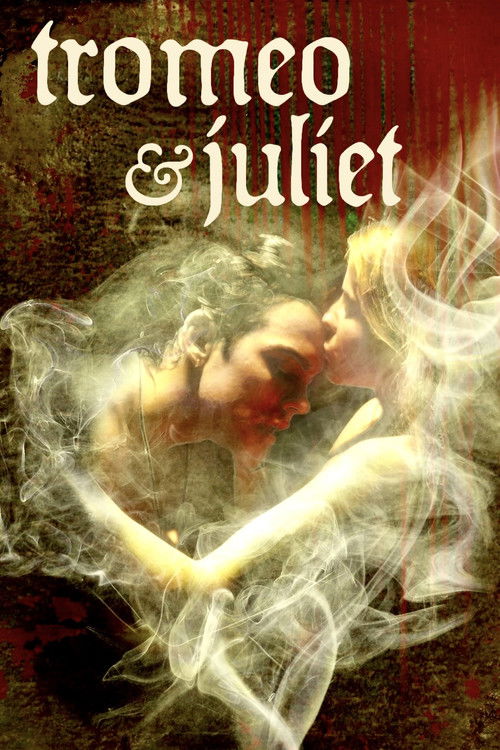
And in James Gunn, who cut his teeth working for gonzo shocksploitation production company Troma ( Class of Nuke ’Em High , Tromeo and Juliet ), they got just that.
Gunn might be the only person to direct blockbuster tentpoles for both Marvel and DC, but he’s still the guy who co-wrote Troma’s “Tromeo and Juliet” at heart.

It’s delightfully offbeat and rude, and benefits from one of the best tighty-whities scenes since Tom Cruise rock-n-rolled his briefs in “Risky Business.”