

The Dirty Dozen (1967)
Directed by Robert Aldrich
12 American military prisoners in World War II are ordered to infiltrate a well-guarded enemy château and kill the Nazi officers vacationing there. The soldiers, most of whom are facing death sentences for a variety of violent crimes, agree to the mission and the possible commuting of their sentences.
8 connections found
View:
8 films that influenced The Dirty Dozen
What critics say influenced The Dirty Dozen
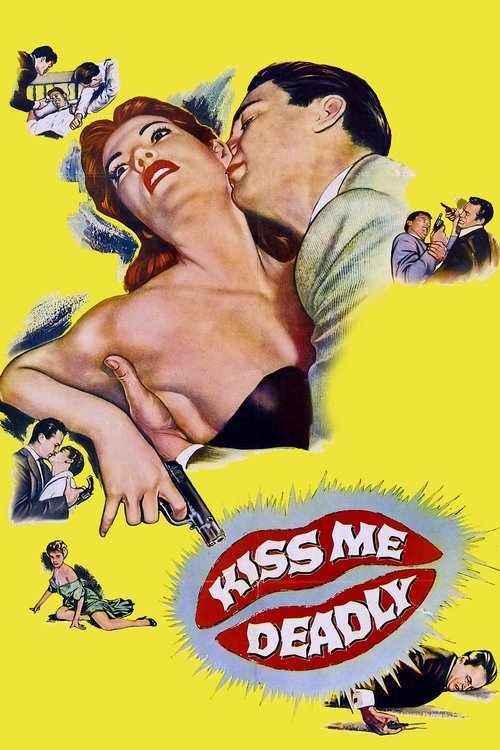


Credit three people mainly with the film's success: E.M. Nathanson for his novel on which the movie is based (screenplay by Nunnally Johnson and Lukas Heller), Nathanson saying that while it was fiction, he was inspired by legends of such things actually taking place; director Robert Aldrich, an old hand at action thrillers with movies like "Kiss Me Deadly," "What Ever Happened to Baby Jane?," "The Flight of the Phoenix," "Emperor of the North," and "The Longest Yard" to his credit; and Lee Marvin, a former Marine riding high as an Oscar winner for "Cat Ballou" two years earlier and "Point Blank" the same year.
Director Robert Aldrich (Kiss Me Deadly, What Ever Happened to Baby Jane?) was one of Hollywood's most brutal, unruly directors, and his instincts sometimes led to huge flops, as well as to popular successes like The Dirty Dozen.
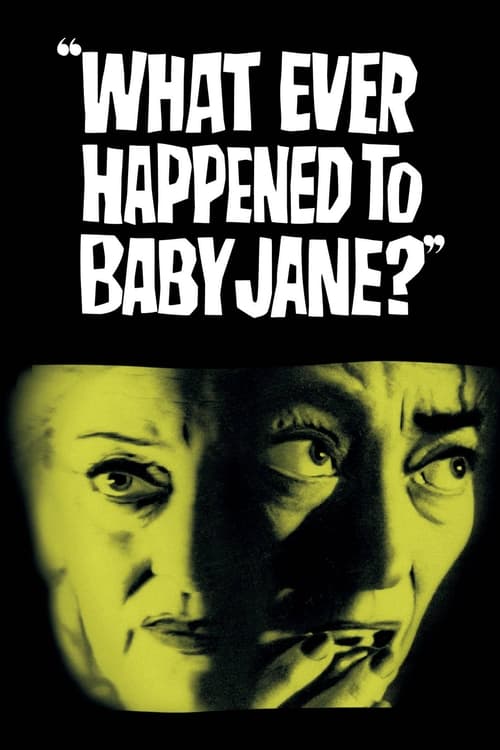
Credit three people mainly with the film's success: E.M. Nathanson for his novel on which the movie is based (screenplay by Nunnally Johnson and Lukas Heller), Nathanson saying that while it was fiction, he was inspired by legends of such things actually taking place; director Robert Aldrich, an old hand at action thrillers with movies like "Kiss Me Deadly," "What Ever Happened to Baby Jane?," "The Flight of the Phoenix," "Emperor of the North," and "The Longest Yard" to his credit; and Lee Marvin, a former Marine riding high as an Oscar winner for "Cat Ballou" two years earlier and "Point Blank" the same year.
Director Robert Aldrich (Kiss Me Deadly, What Ever Happened to Baby Jane?) was one of Hollywood's most brutal, unruly directors, and his instincts sometimes led to huge flops, as well as to popular successes like The Dirty Dozen.
Director Robert Aldrich, whose career beyond this film hasn't really survived in the public consciousness (though What Ever Happened to Baby Jane? has its cult, and Ulzana's Raid ought to be better-known), was one of those man's man directors, who wasn't afraid to stare, unblinking, at the carnage his characters' masculinity wrought, and his presentation of the third act violence is absolutely pitiless, a bitter reminder that there's no morality on the battlefield, and awful things happen on both sides.
Grand Guignol runs head-on into 40s film noir and the result is this chilling, hysterical 1962 movie by the master of the bleak (black) vision, Robert Aldrich (The Dirty Dozen, Ulzana's Raid, Emperor of the North, Kiss Me Deadly).
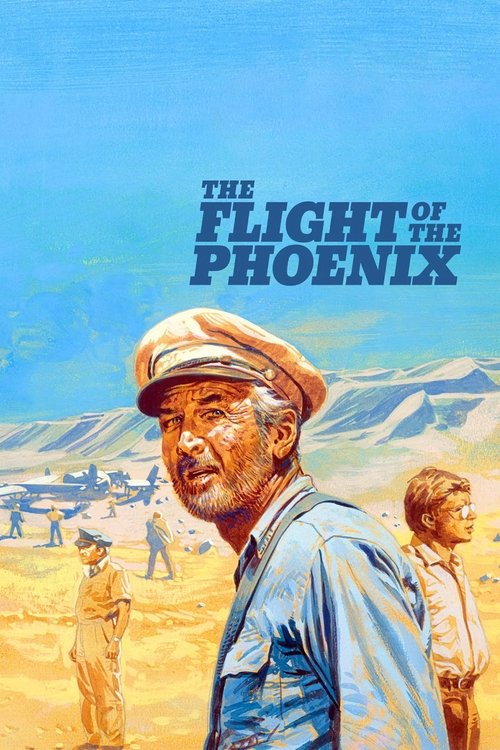
Credit three people mainly with the film's success: E.M. Nathanson for his novel on which the movie is based (screenplay by Nunnally Johnson and Lukas Heller), Nathanson saying that while it was fiction, he was inspired by legends of such things actually taking place; director Robert Aldrich, an old hand at action thrillers with movies like "Kiss Me Deadly," "What Ever Happened to Baby Jane?," "The Flight of the Phoenix," "Emperor of the North," and "The Longest Yard" to his credit; and Lee Marvin, a former Marine riding high as an Oscar winner for "Cat Ballou" two years earlier and "Point Blank" the same year.
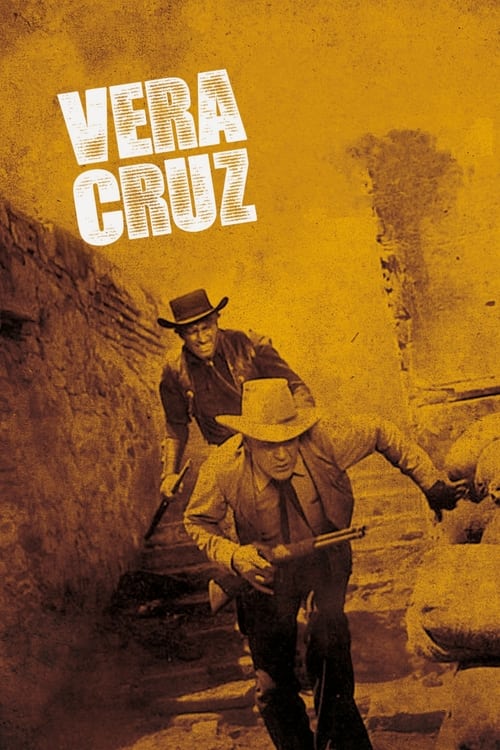
Robert Aldrich ("Vera Cruz"/Too Late the Hero"/"Ulzana's Raid") helms this commercially motivated populist WW II drama, that has gone onto undeserved legendary status and is a much imitated film.
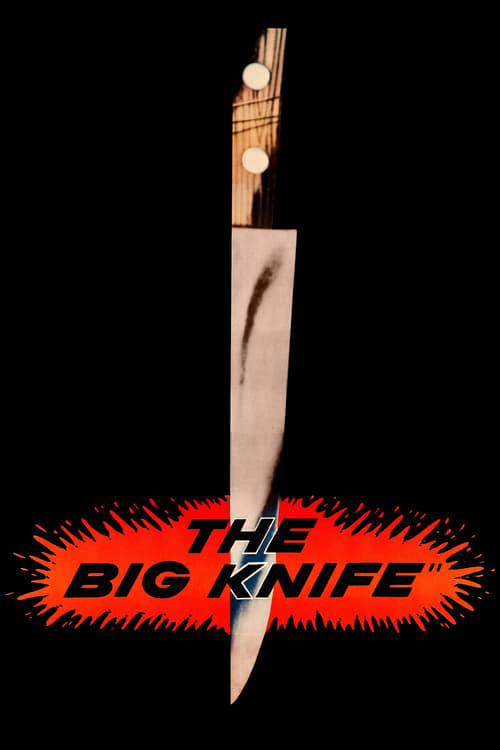
Although two of his earlier movies, 1955's The Big Knife and 1956's Attack garnered more critical acclaim, none of his directorial efforts met with the public reaction of The Dirty Dozen, and none has had a more lasting impact on pop culture and cinema.
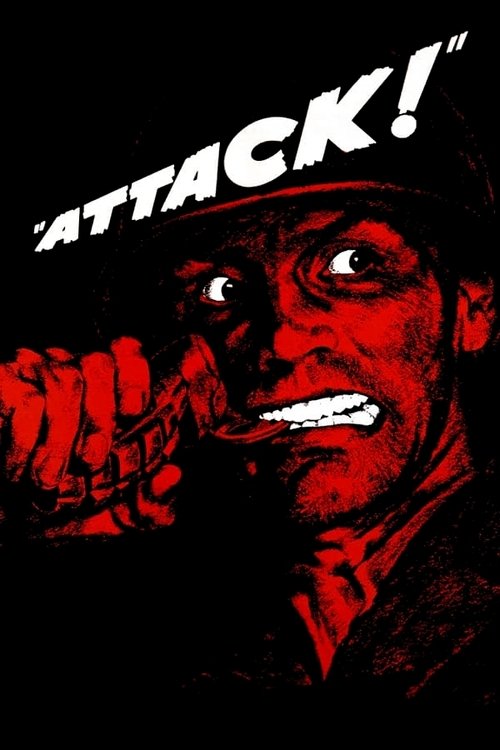
Although two of his earlier movies, 1955's The Big Knife and 1956's Attack garnered more critical acclaim, none of his directorial efforts met with the public reaction of The Dirty Dozen, and none has had a more lasting impact on pop culture and cinema.

The critic Michael Jeck suggests that this was the first film in which a team is assembled to carry out a mission--an idea which gave birth to its direct Hollywood remake, "The Magnificent Seven," as well as "The Guns of Navarone," " The Dirty Dozen " and countless later war, heist and caper movies.
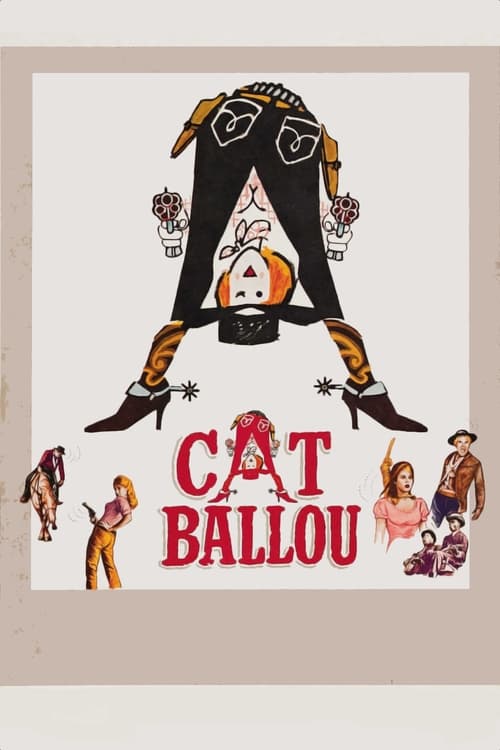
Marvin, who was at the height of his career in 1967 (having just come off a Best Actor Oscar win a year earlier for Cat Ballou), accepted the part eagerly.
Credit three people mainly with the film's success: E.M. Nathanson for his novel on which the movie is based (screenplay by Nunnally Johnson and Lukas Heller), Nathanson saying that while it was fiction, he was inspired by legends of such things actually taking place; director Robert Aldrich, an old hand at action thrillers with movies like "Kiss Me Deadly," "What Ever Happened to Baby Jane?," "The Flight of the Phoenix," "Emperor of the North," and "The Longest Yard" to his credit; and Lee Marvin, a former Marine riding high as an Oscar winner for "Cat Ballou" two years earlier and "Point Blank" the same year.