
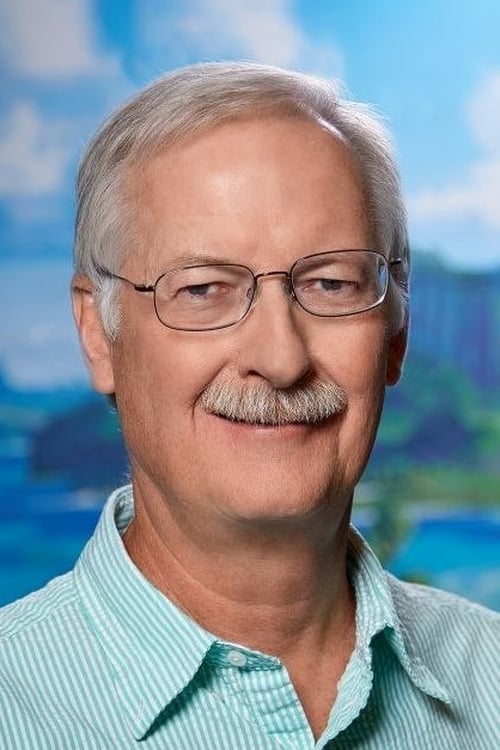
John Musker
52 connections found
Filmography
View:
Connections, in both directions
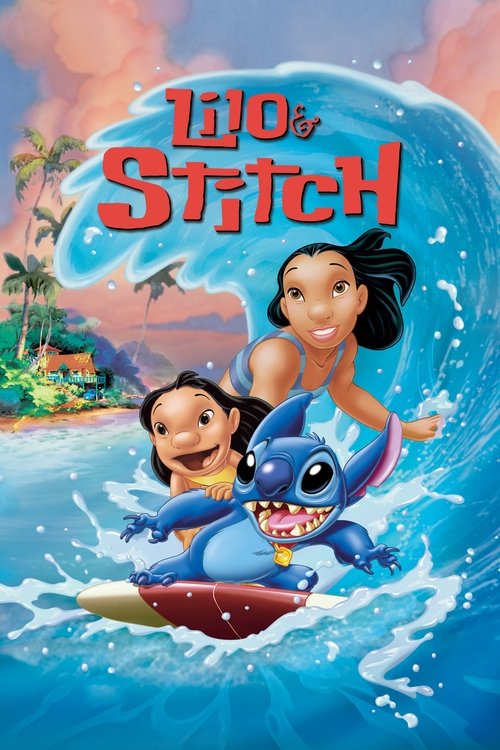


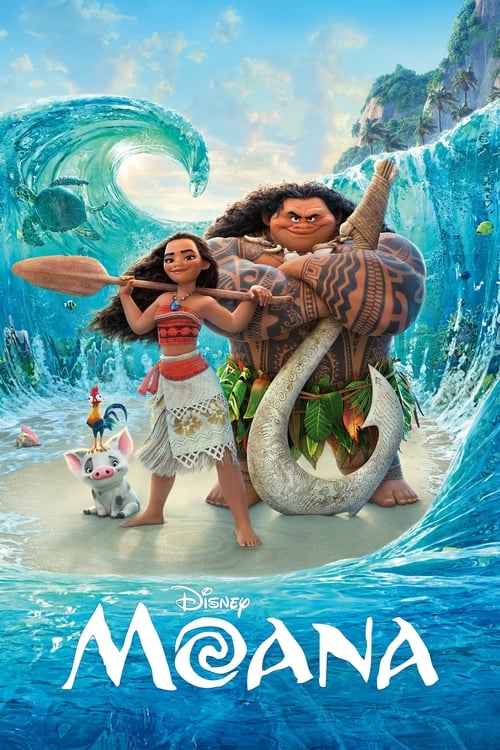
As both a gentle ecological parable and the first Disney cartoon showcase for a Polynesian cast since “Lilo & Stitch” (2002), it could scarcely be otherwise.
The Hawaiian tropics that Disney painted several years back in the cute but slight “Lilo & Stitch” can’t compare.
There’s the welcome cultural aspect of the female explorer, of course, plus the fact that the film gives its heroine a healthy, more realistically proportioned physique (reminiscent of the Hawaiian characters in “Lilo & Stitch”), rather than forcing Moana into the mold of past princesses.
On the plus side, the filmmakers have drawn inspiration from a new cultural setting — indigenous Polynesian culture and mythology — a move crucial to the success of Lilo & Stitch and The Princess and the Frog , which also featured brown-skinned heroines.
In contrast to the sylph-like figures of Frozen , Moana has a sturdiness that recalls the Hawaiian heroines of 2002’s Lilo & Stitch .
It’s been a slow road to self-realization for Disney heroines, but the old tropes have steadily been strengthened through films like Mulan , Lilo & Stitch , The Princess a nd t he Frog , Tangled , Zootopia , and Frozen .

Moana’s grandmother, the human equivalent of that mystical old chanting tree in Pocahontas, knows the cause of this curse: It all goes back to Maui (PEOPLE Sexiest Man Alive 2016 Dwayne Johnson ), demigod of wind and sea, and his betrayal of Te Fiti, who outranks him as a full-fledged nature goddess.
"Moana" reminds of countless past Mouse House musicals, from 1989's "The Little Mermaid" to 1995's "Pocahontas" to 2013's " Frozen ," and on those terms it is decidedly commonplace, likable but without those extra shots of imagination and inspiration that turn a good picture into something truly special.
Disney loves their non-talking animal sidekicks ( Tangled , Frozen , Pocahontas ) and Alan Tudyk’s cowardly chicken is also responsible for a lot of laughs.
Moana also draws on a wrinkle familiar from films like Mulan and Pocahontas : The heroine isn’t just buoyed by her own inner strength, she’s drawing on the teachings and traditions of her culture as well.
As a depiction of foreign culture and legend, this is “Pocahontas,” without being patronizing, “Mulan” with funnier combat.
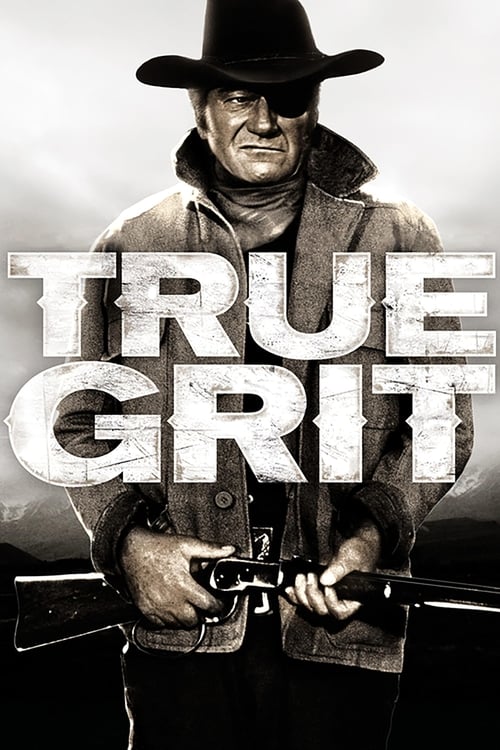
Además de las inevitables alusiones (conscientes e inconscientes) a su propia obra, ambos directores han referido al western Temple de acero ( True grit , 1969) como una importante fuente de inspiración para Moana .
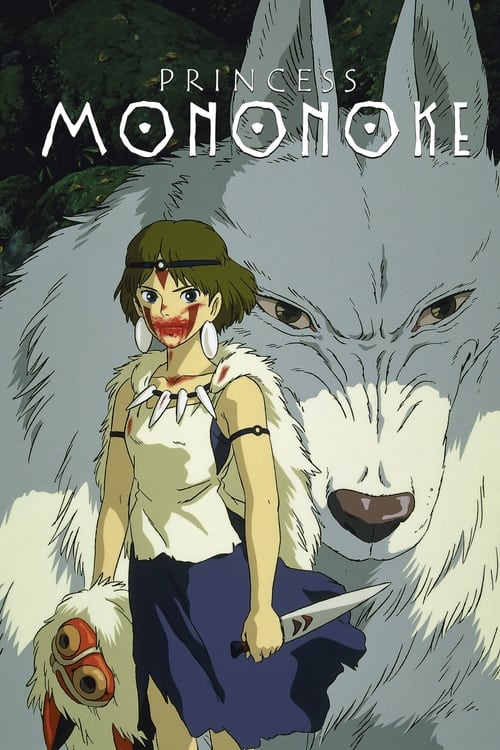
It still boggles my mind that nearly all the studio’s directors venerate the work of Studio Ghibli and Hayao Miyazaki (there are a horde of masked coconut beasties in this film which are clear homages to the kodama of Princess Mononoke), yet can’t find time in their own films to simply appreciate silence or stillness for a minute or so.
Maui hollers as they go into battle against a tribe of malevolent coconuts (just go with it; it’s an homage to Miyazaki’s Princess Mononoke) — but in Moana’s case that’s clearly not true.
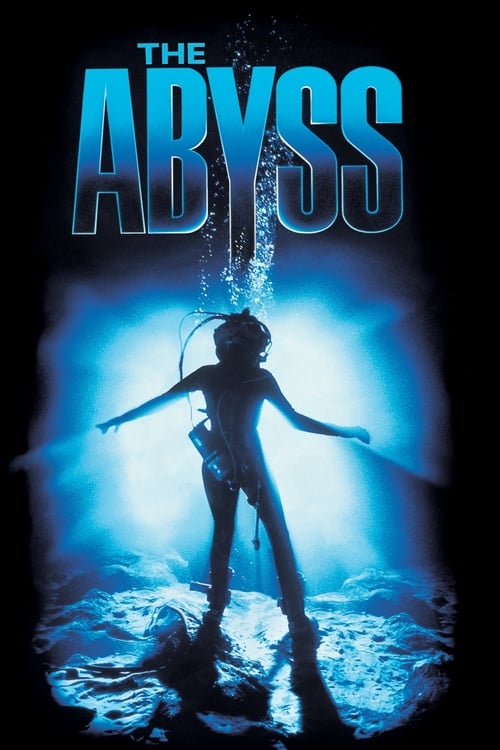
That Moana is helped at every stretch — by sidekicks, sometimes even by the ocean itself, which tends to curl up into a humanoid shape, a la “The Abyss” — takes some of the wind out of her sails.
Moana's destiny is clear from childhood, when lapping waves beckon, at times resembling water aliens from The Abyss.
Moana is called to her quest by the sea itself, represented by a beckoning, often playful water column reminiscent of a similar element in James Cameron’s “The Abyss.”
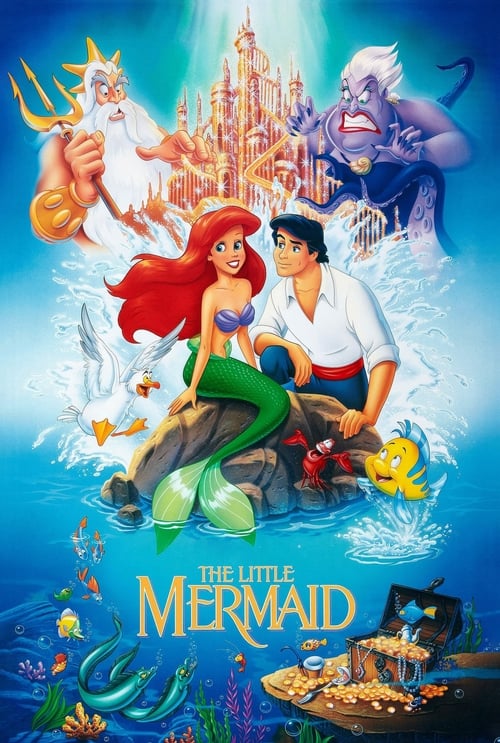
If that daddy-daughter dynamic sounds familiar, it may have something to do with the fact that “Moana” was directed by John Musker and Ron Clements, best remembered for a very different oceanic fantasy called “The Little Mermaid.”
The directors of Moana are John Musker and Ron Clements, as close to living legends within Walt Disney Animation Studios as you can find; they’ve also directed The Little Mermaid, Aladdin, Hercules, and The Princess and the Frog, among others.
Directed with confidence, care, and a deep-seated respect for Polynesian culture by John Musker and Ron Clements (“The Little Mermaid,” “Aladdin,” “The Princess And The Frog”) under Jared Bush’s equally touching, heartfelt original screenplay, it’s a buoyant, impressively lovely work of popping visuals, textured storytelling and toe-tapping music numbers, all of which come naturally and progressively during its smoothly realized 103 minutes.
Made with the involvement of veteran Disney co-directors and co-writers Ron Clements and John Musker (Aladdin, The Little Mermaid), Moana takes the skeletal structure of a hero’s journey and turns it into a multilayered feast for the eyes, ears and heart that refuses to talk down to adults or children.
“Moana” may not be “The Little Mermaid” or “Aladdin,” but the film, set among the islands of Polynesia, boasts not only cultural authenticity but also a young heroine who is steadfast and proud, even as she struggles to find her way.
Clements and Musker were behind Disney animated classics The Little Mermaid and Aladdin, but they were also responsible for 2009’s mediocre The Princess and the Frog, which similarly attempted to blend an underrepresented cultural tradition with familiar Disney storytelling styles.
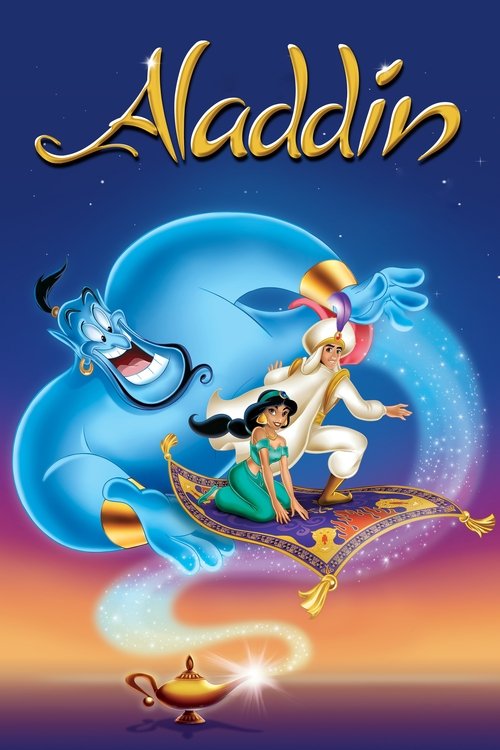
Not unlike Robin Williams’ Genie in “Aladdin,” another Musker-Clements creation, Maui is a boisterous agent of show-stopping supernatural chaos.
The directors of Moana are John Musker and Ron Clements, as close to living legends within Walt Disney Animation Studios as you can find; they’ve also directed The Little Mermaid, Aladdin, Hercules, and The Princess and the Frog, among others.
Directed with confidence, care, and a deep-seated respect for Polynesian culture by John Musker and Ron Clements (“The Little Mermaid,” “Aladdin,” “The Princess And The Frog”) under Jared Bush’s equally touching, heartfelt original screenplay, it’s a buoyant, impressively lovely work of popping visuals, textured storytelling and toe-tapping music numbers, all of which come naturally and progressively during its smoothly realized 103 minutes.
Made with the involvement of veteran Disney co-directors and co-writers Ron Clements and John Musker (Aladdin, The Little Mermaid), Moana takes the skeletal structure of a hero’s journey and turns it into a multilayered feast for the eyes, ears and heart that refuses to talk down to adults or children.
“Moana” may not be “The Little Mermaid” or “Aladdin,” but the film, set among the islands of Polynesia, boasts not only cultural authenticity but also a young heroine who is steadfast and proud, even as she struggles to find her way.
Clements and Musker were behind Disney animated classics The Little Mermaid and Aladdin, but they were also responsible for 2009’s mediocre The Princess and the Frog, which similarly attempted to blend an underrepresented cultural tradition with familiar Disney storytelling styles.
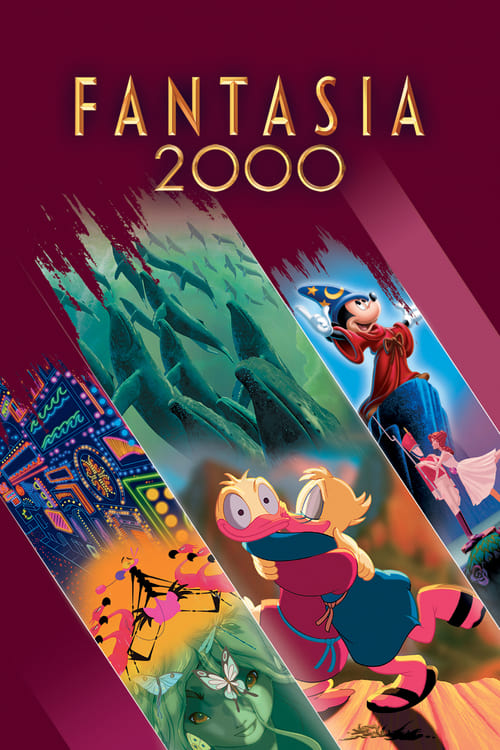
That same fiery climax also feels surprisingly (and pleasantly) reminiscent of the “Firebird Suite” sequence in Fantasia 2000, as we see a winsome female character face off against a visualization of environmental destruction, only to incur a sort of verdant rebirth.
Te Fiti and Te Ka are borrowed directly from the Firebird Suite segment of Fantasia 2000 , with its pagan spirits of life and destruction — though where Fantasia 2000 presents its lava monster and life-giving sprite as opposed, dualistic principles, Moana takes a more monistic approach.
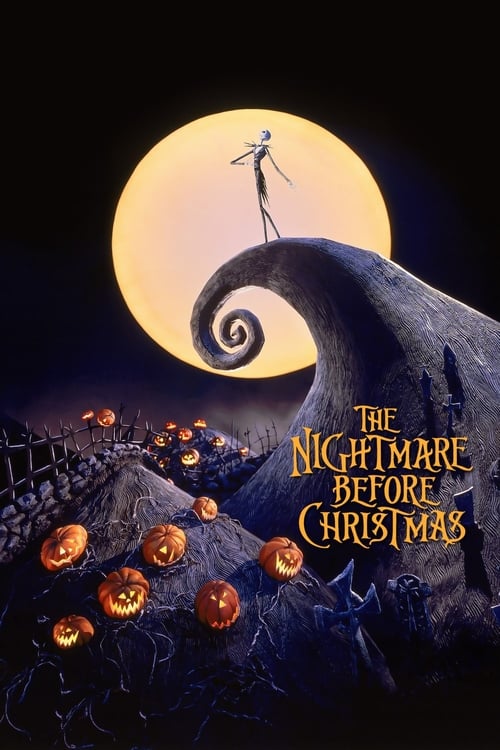
The Nightmare Before Christmas (1993)
Directed by Henry Selick
influenced Moana (2016)
Music Visuals
Voiced by Jemaine Clement , Tamatoa delivers one of the funniest and most exciting sequences, and — aside from Moana’s ballad — provides the film’s best song, a funky track reminiscent of “Oogie Boogie’s Song” in The Nightmare Before Christmas.
The number has an off-kilter quality to it, reminiscent of The Boogeyman in The Nightmare Before Christmas.
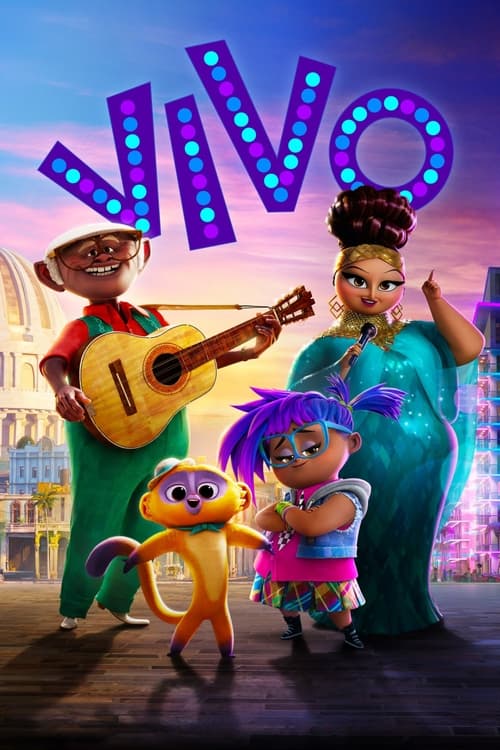
“Vivo” is lifted by having the music-composition talents of Miranda, who previously contributed his gifts to the 2016 Walt Disney Animation Studios hit “Moana.”
But that sort of over-cranked earnestness fits this material like a glove, just as it did with Moana back in 2016.
Best known for the stage play Hamilton, Miranda was one of the driving forces behind Disney’s 2016 release Moana, which hauled in a quarter billion dollars in the U.S. and more than $600 million worldwide.

Even Pixar’s Brave, in spite of not indulging in romance for Princess Merida, has the notion of arranged marriage built into its premise.
Yet one remarkable thing that the film does do is that it spends next to no time on Moana’s gender and her reaction to those around her – unlike Brave, which told another, similar heroic journey, Moana’s simply heroic from the get go, having to prove her worth to herself rather than to a community that thinks less of her off the bat because she’s a girl.
It's the premise of " Moana ," but it's also that of "The Little Mermaid," ''Beauty and the Beast," ''Mulan," ''Brave" and scores of other animated films about teenage girls.
Disney/Pixar cases are more nuanced than most, but the trope is alive and well in Ratatouille and Brave .
" Moana " ($ $ $ and 1/2): In the tradition of "Brave," only significantly more watchable, this titled, strong-willed princess of a Pacific island doesn't need no stinkin' love interest to float her boat.
Pixar's Brave attempted something similar, but its focus remained too narrowly on self-consciously bucking fairy-tale norms that this film avoids without a second thought, and its macro view of Moana's responsibilities to others makes her more than a cipher.
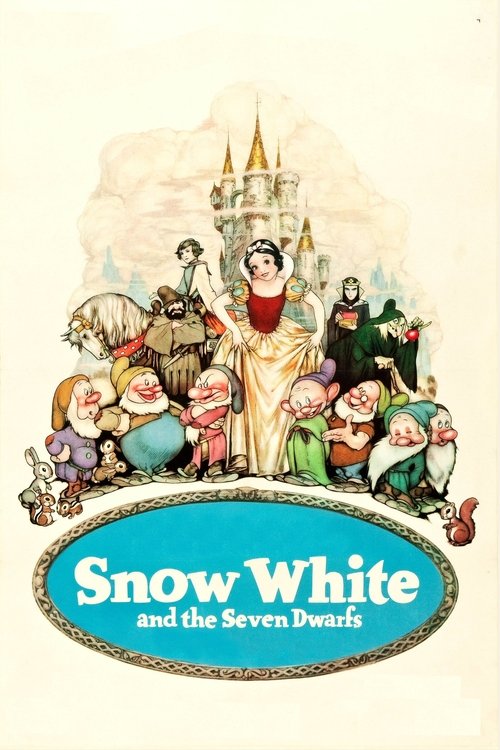
Moana is being released as we approach the 80th anniversary of Disney’s first full-length animated feature, Snow White and the Seven Dwarfs, and comes only a couple of years after the mammoth success of another Disney princess film, Frozen.
That’s a stereotype Disney itself has helped create since 1937’s “Snow White and the Seven Dwarfs,” but the studio has been steadily updating its attitude for the gender-equal 21st century.
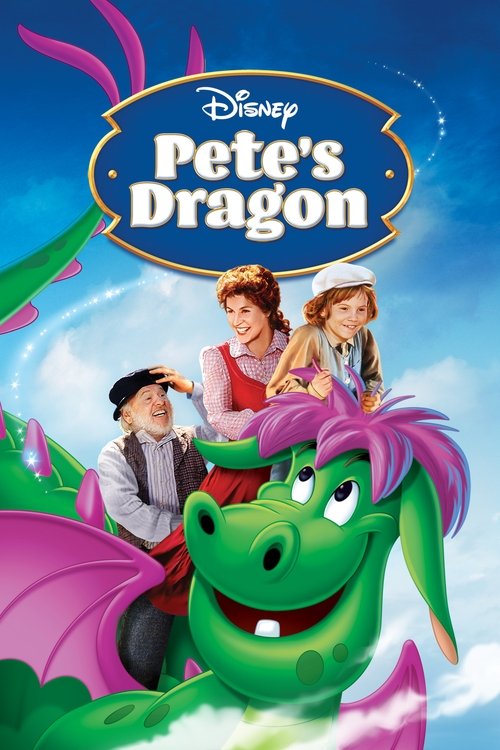
“Moana” is guided by “The Little Mermaid” and “Princess and the Frog” directors Ron Clements and John Musker , whose Disney pedigree goes back to “Pete’s Dragon” in 1977.
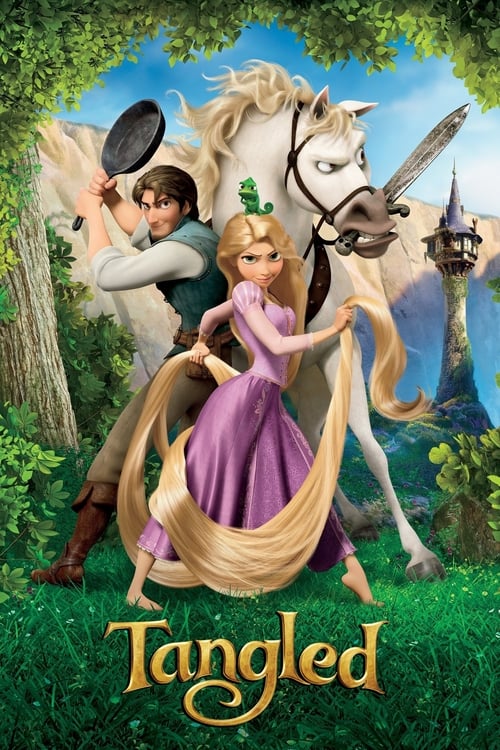
Nearly 30 years later, “Moana” follows “Tangled” and “Frozen” in a newer wave of cleverly refurbished fairy tales, reinventing the company line with CG animation, self-referential humor, slyly feminist attitudes and other contemporary amenities.
Move over, “Frozen;” not since 2010’s “Tangled” has Disney made such a refreshing tribute to the human spirit.
More than “Tangled,” more than “Frozen,” “Moana” keeps with the tradition that made Disney the leader in animated fairy and folk tales, and yet, showing a thoroughly modern touch, it’s the first to do so without so much as suggesting a love interest.
(I’m thinking specifically of the generic styles of Tangled and Frozen – movies you could swap shots between without noticing.)
“Tangled,” about a rebellious Rapunzel, was an early attempt in 2010, but it was “Frozen” (2013) that turned girl power into box-office gold and topped the Billboard charts with the hear-me-roar anthem “Let It Go.”
Rapunzel escaped her tower in “Tangled” so she could see a lantern festival; Anna tried to prevent her sister from icing their kingdom in “Frozen”; and now the title character in “Moana” has to save her people and her island from death and destruction.
Move over, “Frozen;” not since 2010’s “Tangled” has Disney made such a refreshing tribute to the human spirit.
The studio is still following the broad parameters it started laying down in 1937, with Snow White a nd t he Seven Dwarfs , by reshaping a culturally specific fairy tale to fit a family-friendly, accessible template.
Nearly 80 years after "Snow White," the old Disney factory is still crankin' 'em out better than anyone.
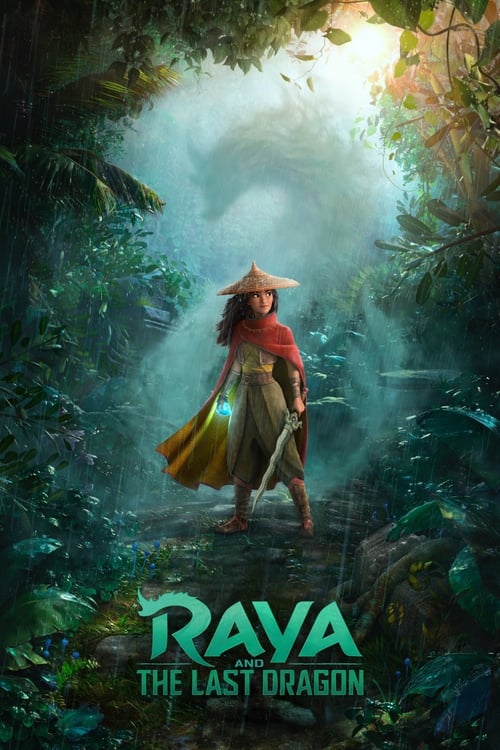
Directed by Carlos López Estrada and Don Hall from a script by Adele Lim and Qui Nguyen, Raya and the Last Dragon plays like a greatest hits record of Disney princess past, borrowing most specifically from Moana and Frozen.
Raya and the Last Dragon directors Don Hall (Big Hero 6 and Moana co-director) and Carlos López Estrada (Blindspotting) borrow and blend visual elements from several Southeast Asian cultures, creating a world that's beautifully realised, feels lived in, and features some gorgeous landscapes.
In fact, it perhaps shouldn’t surprise that Raya and the Last Dragon is directed by Don Hall, credited as a co-director on Moana, the closest touchstone for this latest.
Yes the formula is a little familiar, reminiscent of both Avatar: The Last Airbender and The Lord of the Rings , but much like Moana, the fusion of creativity and a different cultural perspective breathes new life into the well-trodden structure.
Directed by Don Hall (Moana, Big Hero 6) and Carlos López Estrada (Blindspotting), Raya and the Last Dragon is a truly stunning piece of animation, from the fantastically realized dragon to the way water, fire, fog, and even the Druuns are visualized.
2016 was perhaps the last great year for the Mouse House's animation outfit, having given us two gems in Zootopia and Moana .
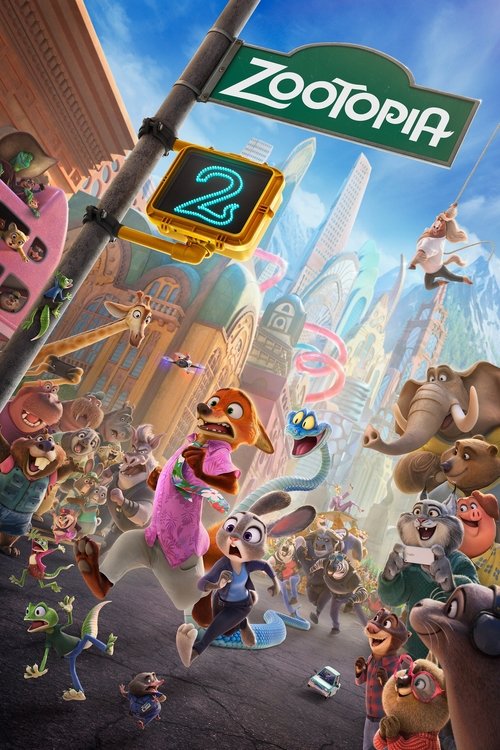
More Moana? A third Frozen? Sure, why not?
The Oscar-winning 2016 flick (meh, should’ve gone to Moana)…
While 2016's Zootopia beat Moana for the Oscar, I'm not convinced it needed a sequel.
…which had recently seen a successful revival of its princess movies via Frozen and Moana…
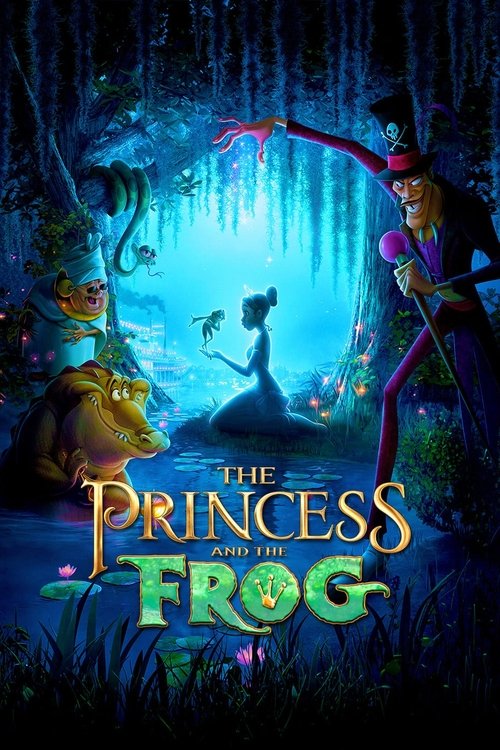
And as with Musker and Clements’ previous film, “The Princess and the Frog” (2009), which featured a rare African American heroine in a 1920s New Orleans setting, a conscientious effort to diversify the company stable has already met with appreciation and trepidation alike.
The directors of Moana are John Musker and Ron Clements, as close to living legends within Walt Disney Animation Studios as you can find; they’ve also directed The Little Mermaid, Aladdin, Hercules, and The Princess and the Frog, among others.
Directed with confidence, care, and a deep-seated respect for Polynesian culture by John Musker and Ron Clements (“The Little Mermaid,” “Aladdin,” “The Princess And The Frog”) under Jared Bush’s equally touching, heartfelt original screenplay, it’s a buoyant, impressively lovely work of popping visuals, textured storytelling and toe-tapping music numbers, all of which come naturally and progressively during its smoothly realized 103 minutes.
Clements and Musker were behind Disney animated classics The Little Mermaid and Aladdin, but they were also responsible for 2009’s mediocre The Princess and the Frog, which similarly attempted to blend an underrepresented cultural tradition with familiar Disney storytelling styles.
Whereas Clements and Musker’s last film, The Princess and the Frog, got bogged down in storytelling cul-de-sacs and less than inspiring music from Randy Newman, Moana has a buoyancy that allows it to glide across its gorgeous renderings of aquatic life.
That's not an easy task, and if you doubt that check out 2009's Creole-spiced "The Princess and the Frog," the movie "Moana" directors Ron Clements and John Musker set in 1920s New Orleans.

There’s a gloriously surreal battle with the Kakamora (think the Smokers from Waterworld, if Dennis Hopper was a coconut).