
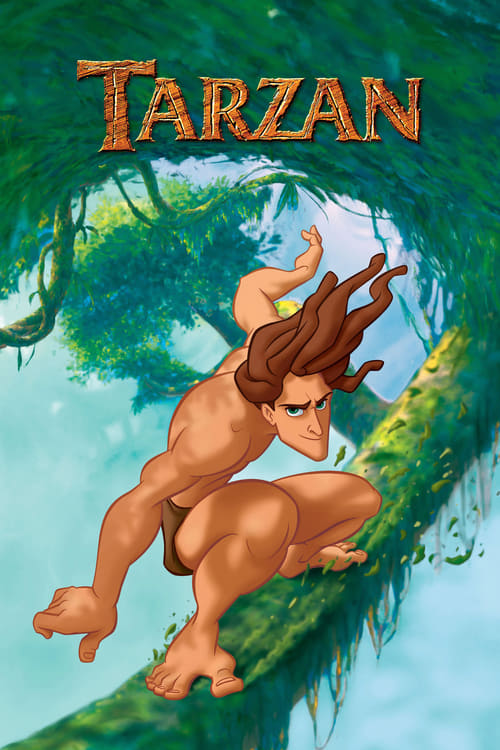
Tarzan (1999)
Directed by Chris Buck
Tarzan was a small orphan who was raised by an ape named Kala since he was a child. He believed that this was his family, but on an expedition Jane Porter is rescued by Tarzan. He then finds out that he's human. Now Tarzan must make the decision as to which family he should belong to...
11 connections found
View:
11 films that influenced Tarzan
What critics say influenced Tarzan
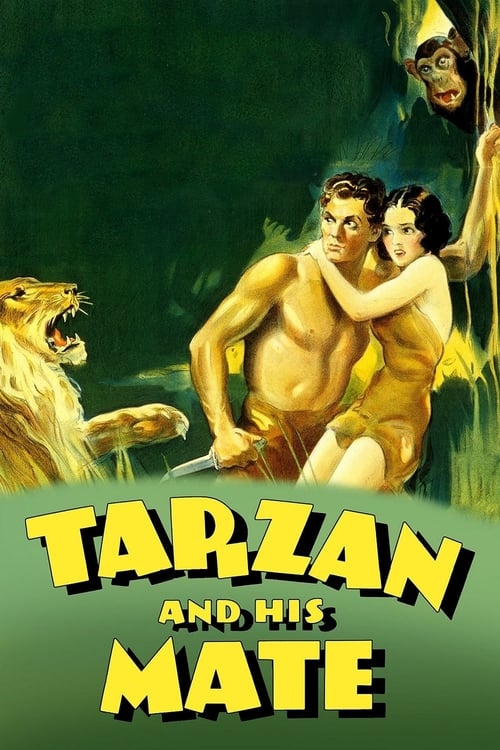


The romance is just heating up at the end, so be prepared to head back to the video store for Tarzan and His Mate.
Edgar Rice Burroughs' "Tarzan" books have been the inspiration for seemingly hundreds of movies, some great (the 1934 "Tarzan and His Mate"), some goofy ("Tarzan's Desert Mystery," which finds the ape man simultaneously battling Nazis and dinosaurs) and some ghastly (last year's unwatchable "Tarzan and the Lost City").
Although it sticks strictly to the decades-old Disney formula, Tarzan is anexciting, accomplished work that ranks with the wonderful Johnny Weissmullermovies like Tarzan and His Mate (1934).
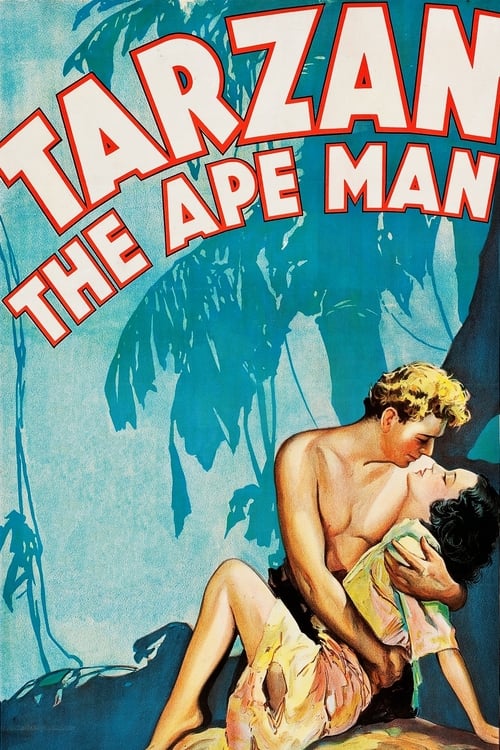
Some 20 movies, starting with the 1918 silent (with Elmo Lincoln in the title role) and going on to the Johnny Weissmuller/Maureen O'Sullivan classics (the first of which, Tarzan the Ape Man, came out in '32), the 1981 Miles O'Keeffe/Bo Derek remake, Hugh Hudson's 1984 Greystoke: The Legend of Tarzan, Lord of the Apes (with Christopher Lambert and Andie MacDowell), and last year's Tarzan and the Lost City (with Casper Van Dien and Jane March).

Some 20 movies, starting with the 1918 silent (with Elmo Lincoln in the title role) and going on to the Johnny Weissmuller/Maureen O'Sullivan classics (the first of which, Tarzan the Ape Man, came out in '32), the 1981 Miles O'Keeffe/Bo Derek remake, Hugh Hudson's 1984 Greystoke: The Legend of Tarzan, Lord of the Apes (with Christopher Lambert and Andie MacDowell), and last year's Tarzan and the Lost City (with Casper Van Dien and Jane March).
The actress earlier performed voice-over work for 1984's live-action Greystoke: the Legend of Tarzan, Lord of the Apes, kindly agreeing to re-dub all of Andie MacDowell's lines; MacDowell, forever a cartoon in her own lame way, was so typically mush-mouthed in her turn as Jane that the sound engineers could not understand her.
Kala (Glenn Close, who dubbed Andie MacDowell in Greystoke: The Legend of Tarzan, Lord of the Apes), a mother gorilla whose new child was similarly devoured, discovers Tarzan squirming in his cradle and adopts him instantly, though husband Kerchak (Lance Henriksen) refuses to regard the boy as a son based solely on his human countenance.
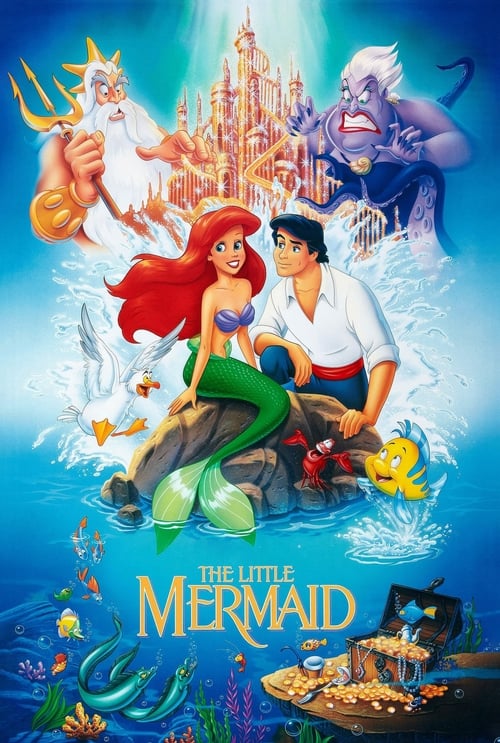
The film is the newest in a line of successful Disney cartoons: it follows "Mulan," "Hercules," "The Hunchback Of Notre Dame," "Pocahontas," "The Lion King," "Aladdin," "Beauty And The Beast," and, of course, the mother of them all, "The Little Mermaid."
The familiar ingredients—absent parents, unthreatening yet princely hero, perky but ditzy heroine, swarthy villain, cute sidekicks, hugs, lessons, and a CD's worth of forgettable pop tunes—have served Disney since 1989's The Little Mermaid.
"Revolutionary" and "Disney" are not words typically combined, I know, but the studio's adaptation of Tarzan must surely qualify: for it introduced a new technology that was the most important and amazing new development in 2-D animation since the introduction of CAPS with The Rescuers Down Under , nine years earlier (right, the "introduction" happened with one scene in The Little Mermaid , but that was more like a demo reel).
That's why Ariel survives in The Little Mermaid , the bulk of Aladdin only vaguely resembles "A Thousand and One Nights," The Hunchback of Notre Dame completely eviscerated Victor Hugo's attacks on the Catholic Church, and Hercules conveniently ignored the sexual appetites of the gods of Olympus.
Advertisement
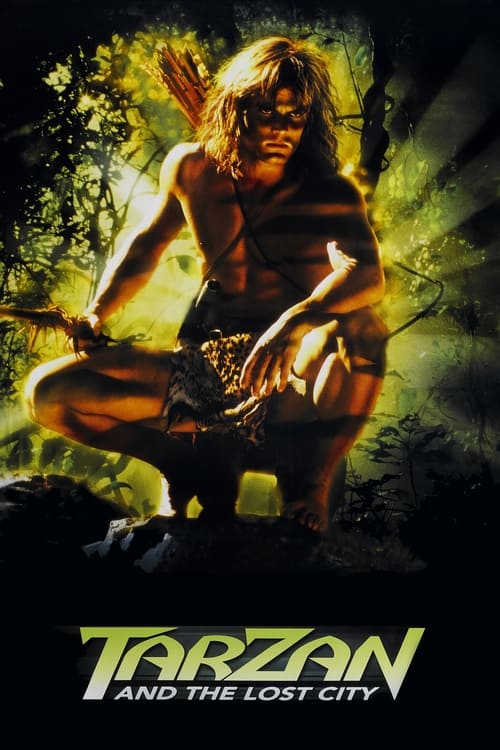
Some 20 movies, starting with the 1918 silent (with Elmo Lincoln in the title role) and going on to the Johnny Weissmuller/Maureen O'Sullivan classics (the first of which, Tarzan the Ape Man, came out in '32), the 1981 Miles O'Keeffe/Bo Derek remake, Hugh Hudson's 1984 Greystoke: The Legend of Tarzan, Lord of the Apes (with Christopher Lambert and Andie MacDowell), and last year's Tarzan and the Lost City (with Casper Van Dien and Jane March).
Tarzan, most famously incarnated by Johnny Weismuller in the 1930s and 1940s, has been one of Hollywood's most durable archetypes, sturdy and popular even when the films have been cheap and disposable, like last year's Tarzan and the Lost City.

The film is the newest in a line of successful Disney cartoons: it follows "Mulan," "Hercules," "The Hunchback Of Notre Dame," "Pocahontas," "The Lion King," "Aladdin," "Beauty And The Beast," and, of course, the mother of them all, "The Little Mermaid."
Setting Deep Canvas aside, reluctantly - for if ever I have wanted a computer animation technology to take human form, so that I could tenderly make love to it for always, it would be Deep Canvas - Tarzan was initially put into active development right around the time that Pocahontas had underperformed compared to Disney's expectations, and this resulted in the first change to the thus-far successful Broadway musical formula that had been a hit for the studio so many times starting with The Little Mermaid.
Ever since Bambi's mother died, Disney has been giving us motherless children (Cinderella, Ariel, Beauty, Pocahontas) if not orphans (Peter Pan -- but it's his mother he wants).
It's a pleasant, cute sort of love story, but is less compelling than Disney's other savage-meets-civilization romance - that of John Smith and Pocahontas in Pocahontas .
When that title was followed by “Beauty and the Beast,” “Aladdin,” “The Lion King,” “Pocahontas,” “The Hunchback of Notre Dame,” “Hercules,” “Mulan,” and “Tarzan,” there was talk of a Silver Age in Disney animation—the Golden, of course, beginning with “Snow White” and ending with “Sleeping Beauty.”
Pocahontas, Mulan, and Tarzan each fit into the same rigid paradigm, yet they're respectively based on an American legend, Chinese folklore, and a beloved modern mythology.
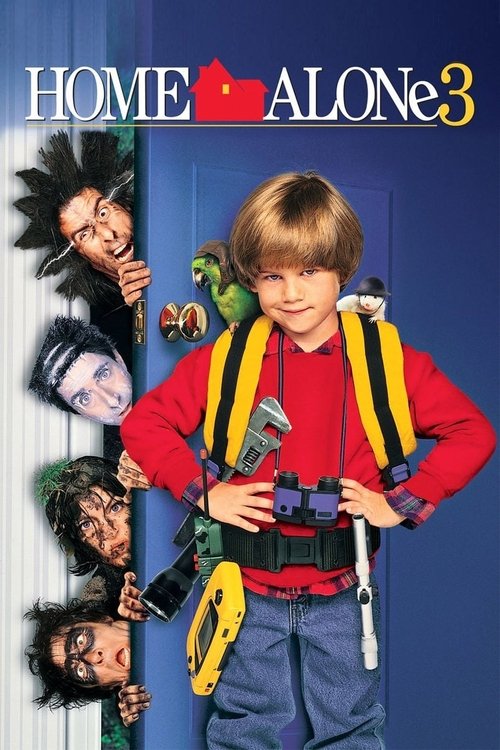
Voiced by Alex D. Linz (Home Alone 3), he's relentlessly cute and whitebread, getting into mischief with his wisecracking gorilla pal Terk (Rosie O'Donnell) and his neurotic elephant buddy Tantor (Taylor Dempsey), invariably angering Kerchak (Lance Henriksen), invariably being consoled by his mother.
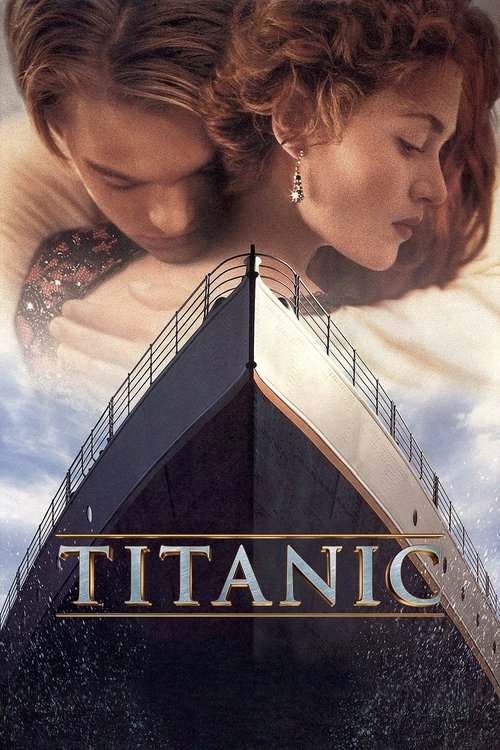
(The idea even turns up in James Cameron's Titanic, Rose preferring Jack to Cal.) Burroughs's Tarzan of the Apes, which first appeared as a novel in 1914, is the story of an ape man who's also a titled peer, Lord Greystoke.
Advertisement
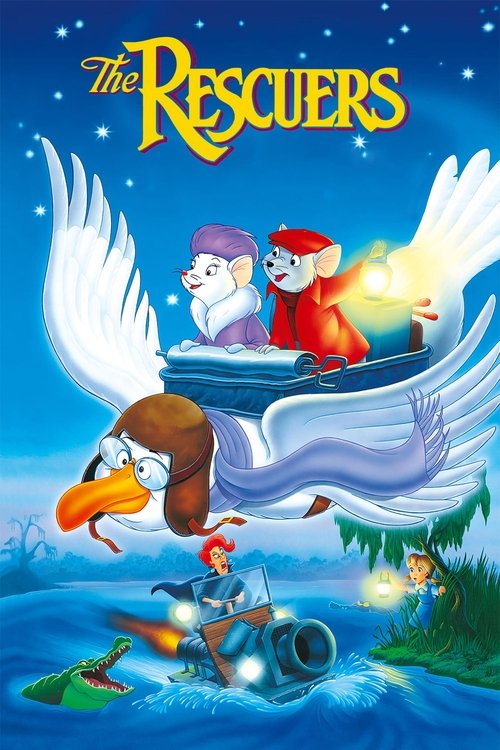
Gone was a song-driven narrative (even something as relatively tuneless as Mulan still at heart was a musical), gone indeed were diegetic songs, for the most part; Tarzan was a return to a style that the studio had briefly kicked around with The Rescuers all the way back in 1977, in which all but one of the musical numbers were pop songs performed by an offscreen agent - in this case, Phil Collins.
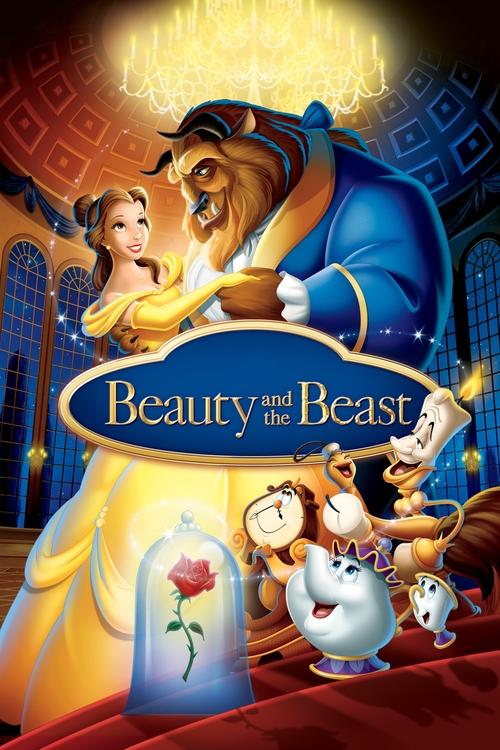
Gone was the tyranny of the planar background; gone also was the jarring CGI sheen found in the ballroom sequence of Beauty and the Beast , the "sanctuary!" scene in The Hunchback of Notre Dame , or even the wildebeest stampede in The Lion King and the snowy assault of the Huns in Mulan .
The last time Disney got it right was Beauty and the Beast, but it’s been downhill from there.
First it was the spinning ballroom shot in Beauty and the Beast.
Consolidating the computer-aided advances in 'deep focus' cel animation made in Beauty and the Beast and elsewhere, the directors of this animated Disney version of the Tarzan novels have produced a remarkably fluid, dynamic visual style, climaxing in the prehensile Tarzan's joyous flights through the jungle.
Adults can (and will) still enjoy the film, but not in the same way that they appreciated more sophisticated fare like Beauty and the Beast and last year's dazzling Mulan .
The surface of the movie is adventure, comedy and movement--there are sequences here as exciting as the ballroom scene in " Beauty and the Beast "--but underneath is something of substance.