
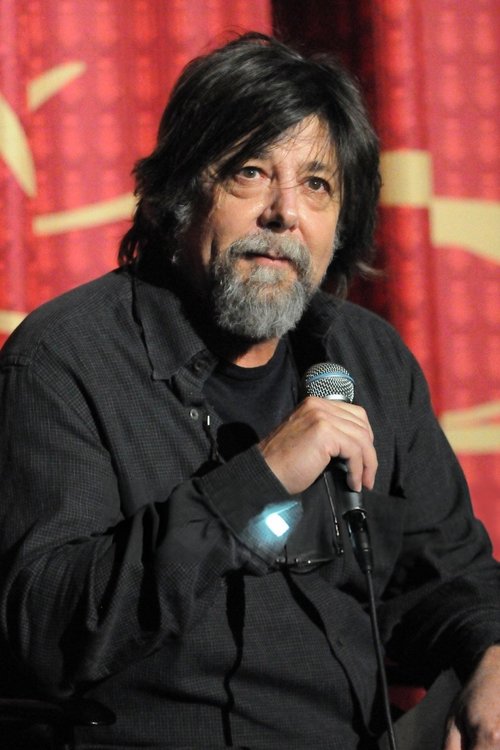
Steven Lisberger
15 connections found
Filmography
View:
Connections, in both directions
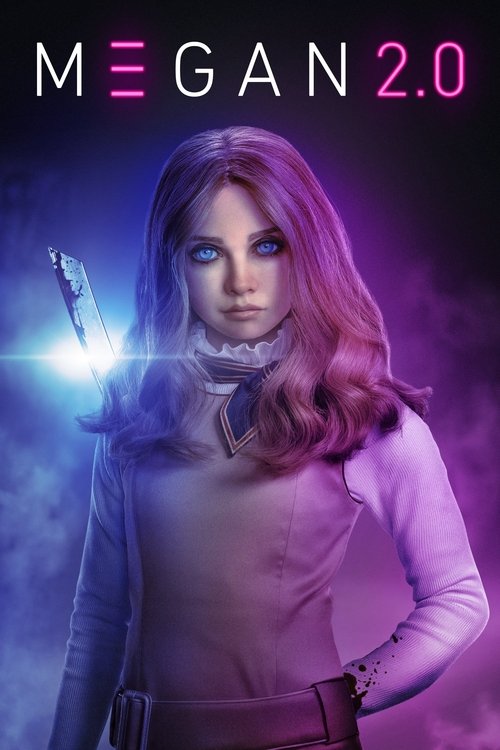


The visual difference between both humanoids fittingly mirrors the real-world evolution of AI — from Tron-like simulations to cyberworlds indistinguishable from reality.
…there’s another goofy dance sequence, this time at an “Embrace AI” conference that looks like it’s taking place on the set of Tron…
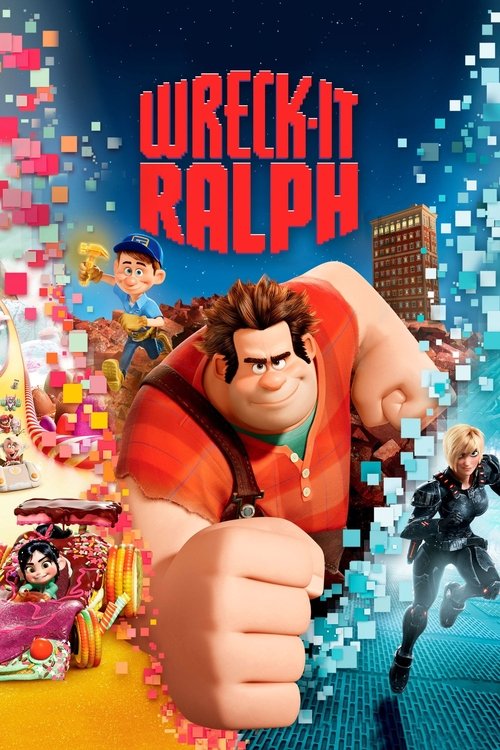
The Walt Disney Pictures films Tron (Steven Lisberger, 1982) and Tron: Legacy (Joseph Kosinski, 2010) previously attempted to transform gaming logic and iconography into narrative cinema, but it is the computer-animation feature Wreck-It Ralph that demonstrates the full potential of the concept.
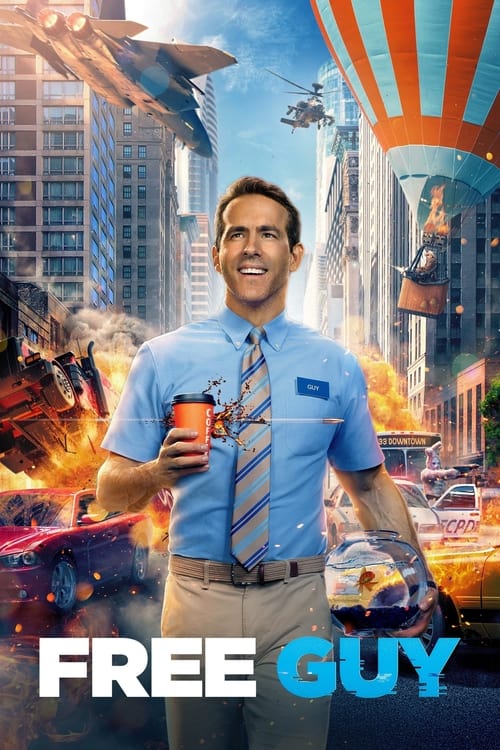
Like Jeff Bridges’ character in “Tron,” Millie sneaks into the game trying to prove that the developer “swiped our AI engine for his shooter.”
Movies like 1982’s “Tron” and 2018’s “Ready Player One” have shown how it’s possible to be creative in a movie about people who transport themselves into a video game and end up having real connections with characters in the game.
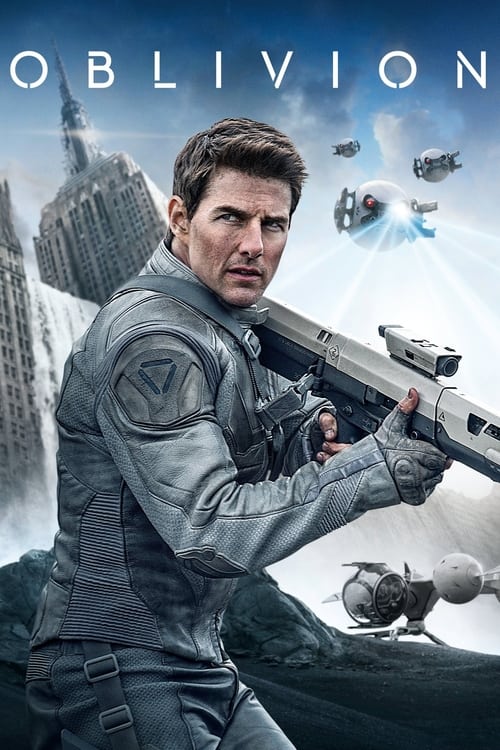
It's not the first time: Kosinski's last film converted the arcade-game kicks of Disney's 1982 relic Tron into the $200 million screensaver Tron: Legacy .
Yet some of us would just rather re-rent " Tron " (1982), which was not only a more immersive, dimensional and original take on the Commodore 64 video-graphics aesthetic, but also funnier and more exciting.
“The Matrix” may have made 1982’s “Tron” look primitive by comparison, but even that franchise has evolved, leaving this one in the dust.
In both films, a Baby Boomer icon (Russell here and Jeff Bridges in TRON) is given his youth back through computer wizardry, though results vary.
But the color scheme is neutral, muted, a murmur of institutional grays and pastels, like that of the 1982 SF movie Tron and its 2010 sequel — not surprising, since production designer Sean Haworth and costumer Christine Bieselin Clark both worked on Tron: Legacy.

Within 2025 alone we are being offered revivals of 28 Years Later, Tron, I Know What You Did Last Summer, and Final Destination.
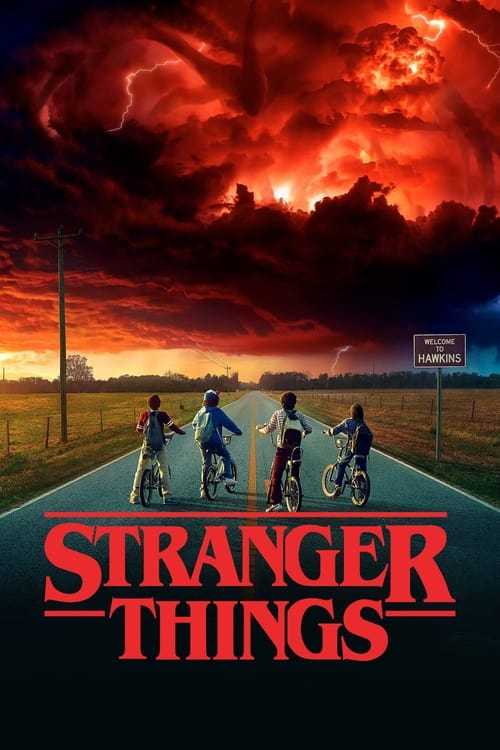
Its poster appears to include E.T.’s Elliott, a Jedi, and Indiana Jones, and the show itself boasts courageous nerds, mysterious monsters, hazmat suits, first love, single moms, the force, Spielbergian camera angles, and a Tron-like title sequence.
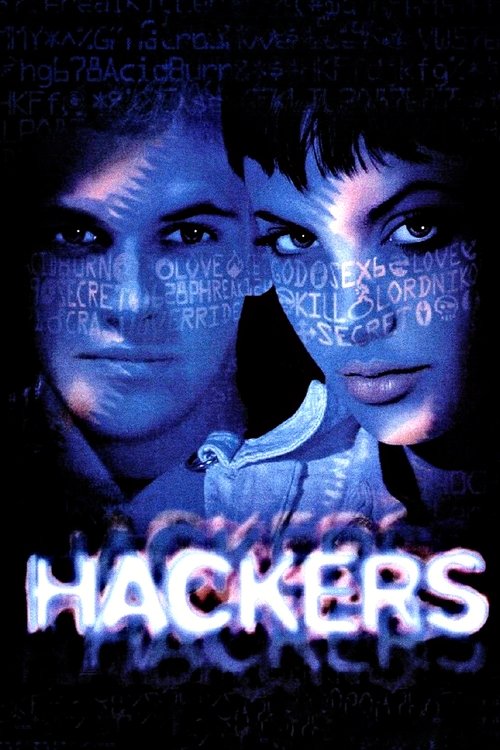
In a manner similar to that of 1982's Tron predating the obsession for CGI in entertainment, so did 1995's Hackers offer an early peek at the online world shortly before the global explosion of the Internet.
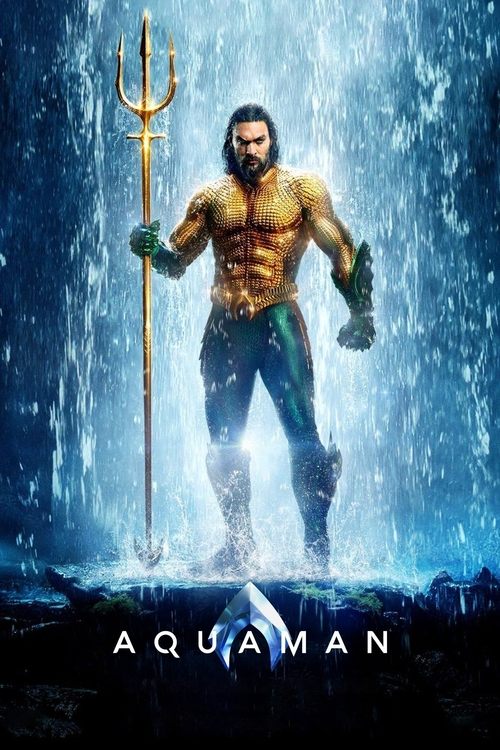
The director James Wan ("Saw," "The Conjuring," "Furious 7") has concocted an action-packed story that is partly a redemption tale and partly a coming-of-age story but with an entertaining low-stakes feel that can be best described as a mix between a "Power Rangers" movie and the classic 1982 Disney movie "Tron."
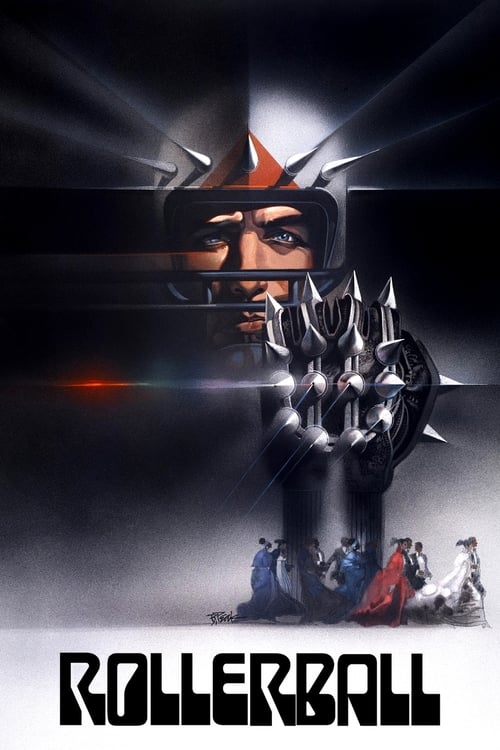
The live-action sequences are the kind of low-fi seventies bad hair/bad pants futurama popularized by Logan's Run and Norman Jewison's Rollerball, and the entire exercise feels a lot like too much whiz-bang ambition wrapped up in too little time for the story and characters to develop depth beyond the typical cut-and-paste phantasmagoric quest melodrama.
But the conversation happened all the way back in 1927 with “Metropolis,” again in 1951 with “The Day the Earth Stood Still” and then again and again with “2001: A Space Odyssey” (1968), “Star Wars” (1977), “Tron” (1982), “Blade Runner” (1982), “Short Circuit” (1986), “RoboCop” (1987), “Star Trek: Generations” (1994), “The Matrix” (1999), “A.I.
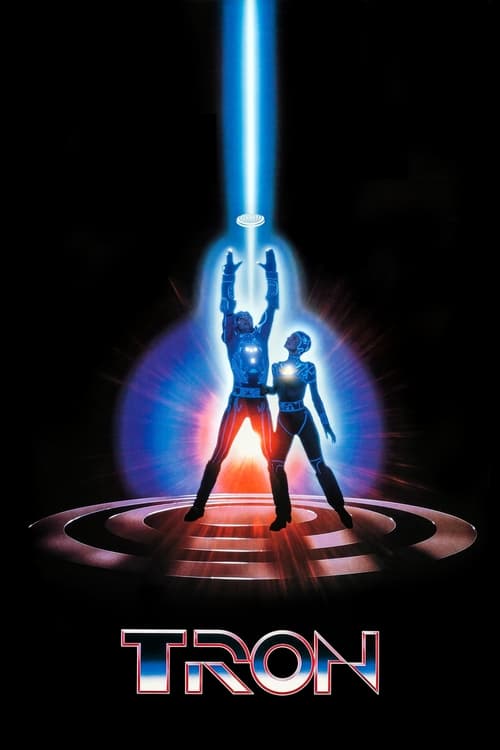
The year was 1982, and Walt Disney Pictures produced a low-budget science fiction film called Tron. Written and directed by Steven Lisberger (Animalympics), Tron told the story of Kevin Flynn (Jeff Bridges; The Big Lebowski), a software programmer and video game developer, who gets transported to the Grid.
Tron is a 80s film with a lot of visual flair, ahead of its time and accompanied by endless neon to assist the mainly gray grid the characters are living in.
The standout moment is a brief detour into the blocky, low-res world of the 1982 original…
Más que una secuela, “Tron: Ares” se siente como una nueva entrega independiente en el universo creado por la primera película.
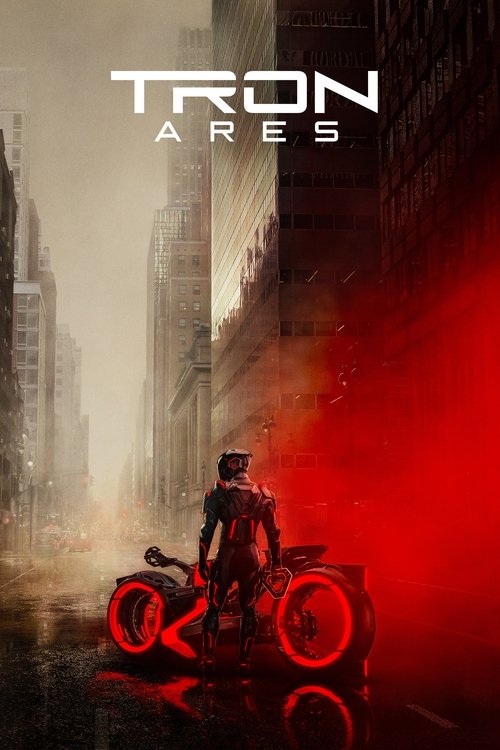
It was true in 1982, in 2010 with Joseph Kosinski’s Tron: Legacy, and now Tron: Ares aims to build a blockbuster sci-fi action movie about the computerized world of the Grid in a new reality constantly under threat of being subsumed into cyberspace.
When Steven Lisberger helmed the original Tron installment, it was actually imaginative in creating a retro-futuristic world based on the 1980s cassette era.