

Gillian Robespierre
34 connections found
Filmography
View:
Connections, in both directions


All in all, Saint Frances compares favorably to Gillian Robespierre’s Obvious Child (2014) and will hopefully be greeted with the same enthusiasm as its premiere at SXSW in 2019 where the title took home the Audience Award and a Special Jury Award.
O’Sullivan sells this woman’s embrace of not “having it together” with a performance on a par with Jenny Slate’s bracing and funny turn in the similarly themed and pitched “Obvious Child.”
Laughing and crying my way through Saint Frances (the deserving winner of several major festival audience awards), I was reminded of the outraged reactions that greeted Gillian Robespierre’s 2014 comedy Obvious Child , with one conservative critic carping: “If America laughs at this, America is beyond redemption.”
Watching Saint Frances , a millennial dramedy debut from director Alex Thompson and actress/screenwriter Kelly O’Sullivan, will without a doubt remind you a lot of Gillian Robespierre‘s directorial debut in 2014, Obvious Child .
Given that the last major US film to tackle abortion – the similarly masterful Never Rarely Sometimes Always – did so in a powerful and political way, it's interesting to see the issue handled with a lighter, much more humorous but equally authentic touch, one that's closer in tone to 2014's Obvious Child .
The only other movie that deals with realities of abortion with such humour and realism is Gillian Robespierre’s Obvious Child.
Obvious Child’s radicalism lies in its lack of radicalism: there is no grandstanding in the manner of If These Walls Could Talk, no naughty trolling à la Sarah Silverman.
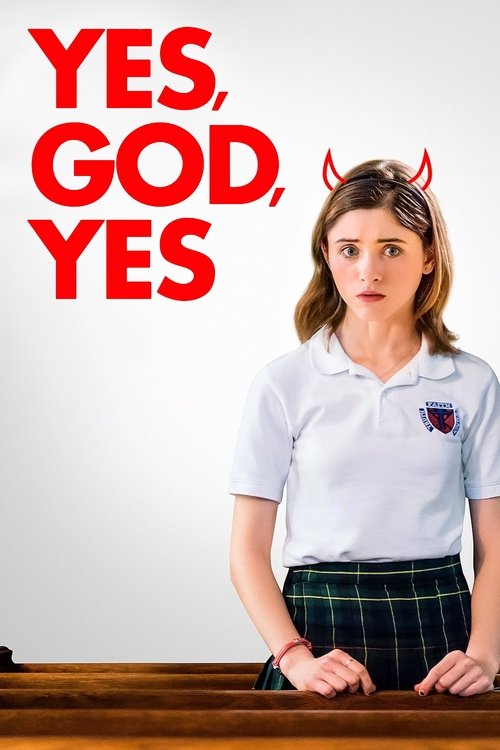
Another of writer/director Karen Maine‘s short films adapted to feature-length (her previous effort Obvious Child was made into a Jenny Slate-led feature in 2014), Yes, God, Yes is an honest – at times, almost brutally so – but consistently amusing comedy-drama hybrid detailing the sexual awakening and reckoning of a Midwest teenager who’s constantly battling her own urges against the Catholicism she believes she must adhere to.
Rather than merely make the same comment said dozens of times, filmmaker Karen Maine (co-writer of Obvious Child) makes a refreshingly big splash with her feature film directorial debut.
After writing Obvious Child and this film, I can’t wait to see what sentimental story Karen Maine gives us next.
Writer and director Karen Maine (who co-wrote the abortion taboo-shattering movie Obvious Child) seeks to rectify that discrepancy with her feature debut, which she describes as ‘a love story between one woman and her vagina’.
Karen Maine , co-writer of Gillian Robespierre’s Obvious Child (2014), makes her directorial debut with Yes, God, Yes , based on a previous short film which is also a semi-autobiographical take on growing up a Catholic schoolgirl in the early 00s of the conservative Midwest.
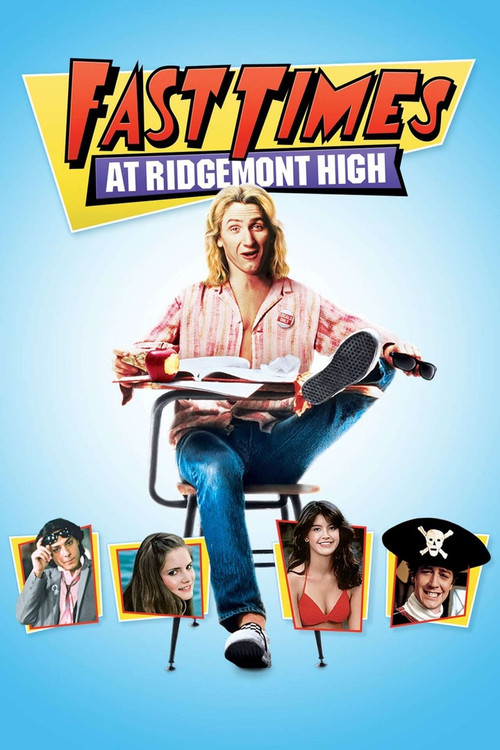
You have only to rewatch Amy Heckerling’s Fast Times at Ridgemont High (written by a young Cameron Crowe) to realize that the insanely popular 1980s teen comedy featured an abortion subplot that barely made a ripple on the cultural front.
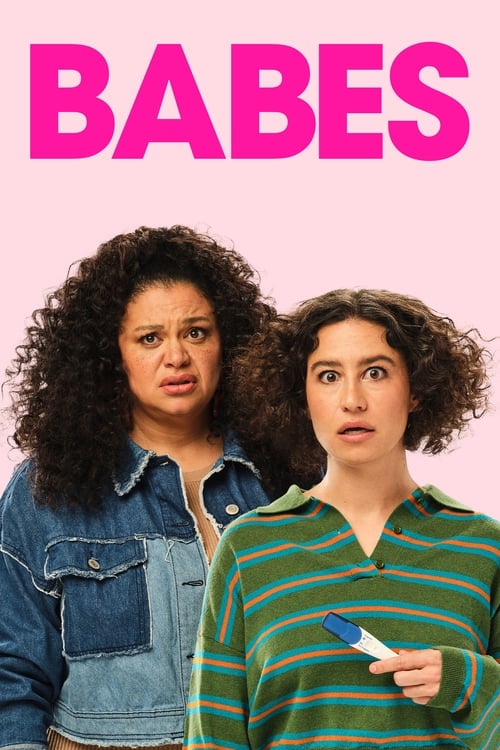
The film often feels like a kindred spirit or companion piece to Gillian Robespierre’s Obvious Child, with star and co-writer Illana Glazer stepping into the Jenny Slate role as a woman whose arrested development brushes up against the realities of potential motherhood.
There’s a kinship with Baby Done, the affable New Zealand comedy starring Rose Matafeo as a tree surgeon in denial about her impending motherhood; and, in the New York location and abrasive humour, with the Jenny Slate-starring indie picture Obvious Child.
Kissing Jessica Stein (2002)
Directed by Charles Herman-Wurmfeld
influenced Obvious Child (2014)
Characters
Other filmmakers and actors have been able to pull off this type of self-aware character in a far more accessible way--Jennifer Westfeldt of "Kissing Jessica Stein" for instance and even Dunham on "Girls"-- but not being able to feel any sort of connection to a character who appears in every single scene really holds "Obvious Child" back in a big way.
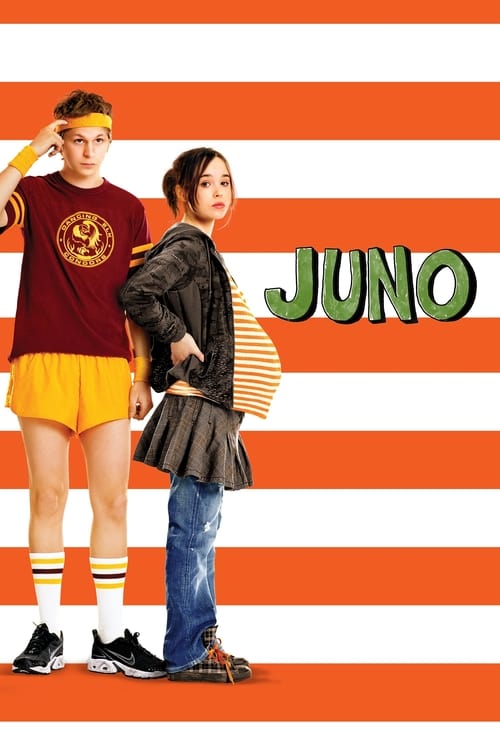
She wanted to go where the makers of Juno and Knocked Up would not, and viewers' reactions to the finished product may depend, to an extent, on how they feel about the breaking of that particular cinematic taboo.
2007 sees the release of three unexpected pregnancy comedies: Juno, Knocked Up, and Waitress, all of which end with a birth.
In the case of most films where an unwanted pregnancy is part of the storyline (Juno, What to Expect When You’re Expecting), the characters will usually ponder terminating the child but ultimately decide to keep the baby, ensuring a happy ending.
Even in the indie sector, a girl such as Juno will always have the baby in the end.
It’s another in a mainstream culture in which the procedure goes largely unmentioned — unless it’s heartwarmingly rejected as an option by the heroines of, say, Knocked Up and Juno — to put it on the big screen in all its blunt, ugly reality.
Its raw edges, grungy setting, and matter-of-fact tone about abortion mark it out from sunnier unplanned-preggo comedies like Juno or Knocked Up .
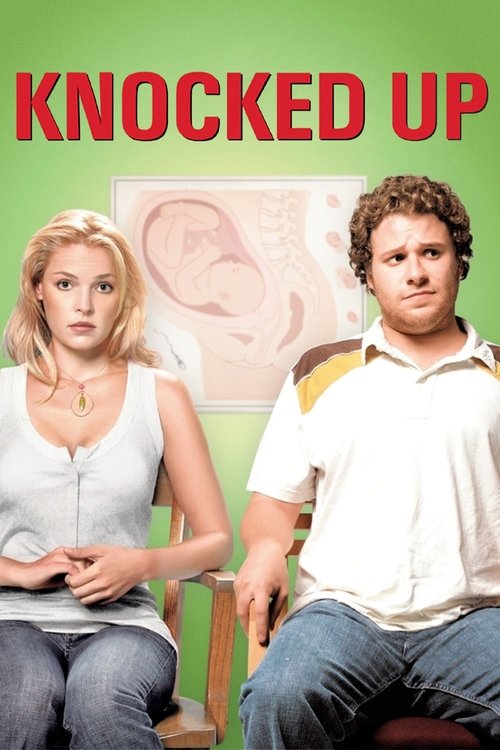
She wanted to go where the makers of Juno and Knocked Up would not, and viewers' reactions to the finished product may depend, to an extent, on how they feel about the breaking of that particular cinematic taboo.
2007 sees the release of three unexpected pregnancy comedies: Juno, Knocked Up, and Waitress, all of which end with a birth.
Unlike in Judd Apatow's "Knocked Up," with a similar circumstance and where abortion is not even mentioned by name (except for the cowardly "schma-shmortion"), "Obvious Child" is honest.
Unabashedly presenting itself as a woman-centered New York response to the Los Angeles boys’ world storytelling of Knocked Up, Obvious Child stars Jenny Slate as an impecunious bookstore clerk by day and aspiring stand-up comedian by night.
It’s another in a mainstream culture in which the procedure goes largely unmentioned — unless it’s heartwarmingly rejected as an option by the heroines of, say, Knocked Up and Juno — to put it on the big screen in all its blunt, ugly reality.

Never Rarely Sometimes Always (2020)
Directed by Eliza Hittman
influenced by Obvious Child (2014)
Themes Plot
Viewers used to the seriocomic approach to the abortion flick (Obvious Child and Juno are probably the best examples of modern mainstream movies on the subject) may find Never Rarely Sometimes Always a startlingly somber and even oppressive affair, the film from Hittman shying away from any flirtation with taking the matter any less than extremely seriously at any given intersection.
Autumn’s also poorer than either Ellen Page’s pregnant teen or Jenny Slate’s young adult character in Obvious Child, an abortion-themed movie from 2014.
The most prominent abortion-related feature films have been stridently pro-life polemics like Gosnell and Unplanned, as well as the comedy Obvious Child, which grew out of the question of "What if we made Knocked Up, except she didn't have the baby?"
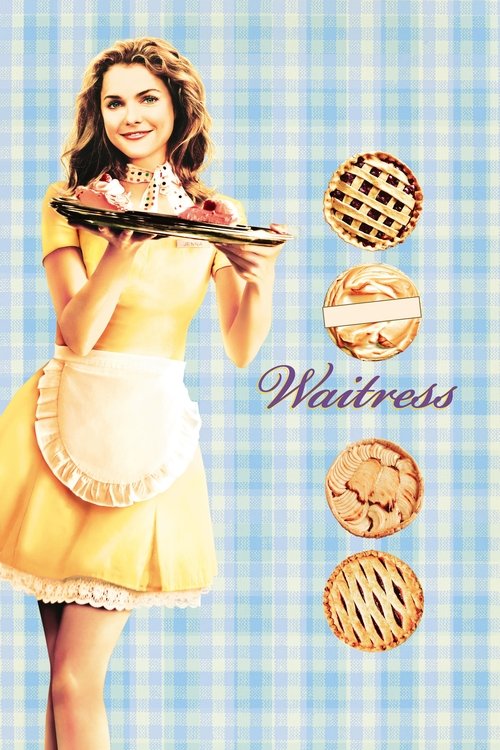
True to her claim that she liked those mainstream rom coms, Robespierre has given her comedy the cheerful vulgarity of a Judd Apatow flick and the quirk-camouflaged romanticism of Juno or Waitress.
2007 sees the release of three unexpected pregnancy comedies: Juno, Knocked Up, and Waitress, all of which end with a birth.

Others enjoyed “Obvious Child” more than I, and this past spring’s “Saint Frances” had a refreshingly adult take on the topic.
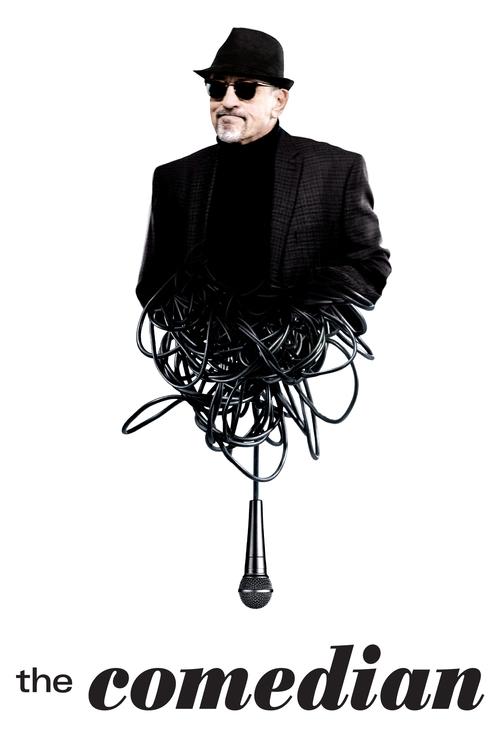
Movies like Mike Birbiglia's Don't Think Twice and Gillian Robespierre's Obvious Child have comedy club dirt under their fingernails.
(One example, of many: Jenny Slate in “Obvious Child.”)
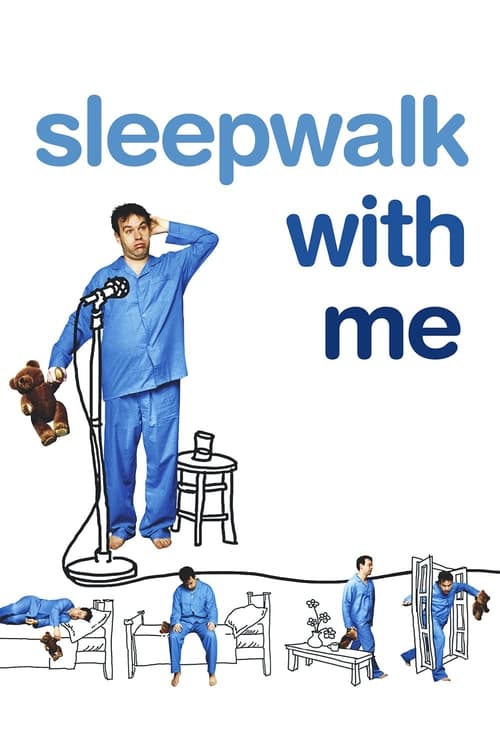
The critical success of the standup dramedy in Louis CK’s innovative series Louie or Mike Birbiglia’s feature Sleepwalk with Me invites comedians to explore fictional storytelling beyond the Seinfeld model.
It would almost seem like writer/director Gillian Robespierre had made a female response to Mike Birbiglia's 2012 "Sleepwalk with Me" if it wasn't based on her 2009 short - a marginal standup comic faces relationship issues along with a medical concern as he/she hones his/her act.

Even “Knocked Up,” for all its flaws, didn’t skirt the issue so completely, and “Citizen Ruth” showed that a filmmaker of courage and vision could wring amusement from it, even if the laughter had a bitter edge.

The wandering millennial emerges as a kind of stock character in movies like Garden State and Lost in Translation, and then in the work of Noah Baumbach and Lena Dunham (and a host of indie copycats).
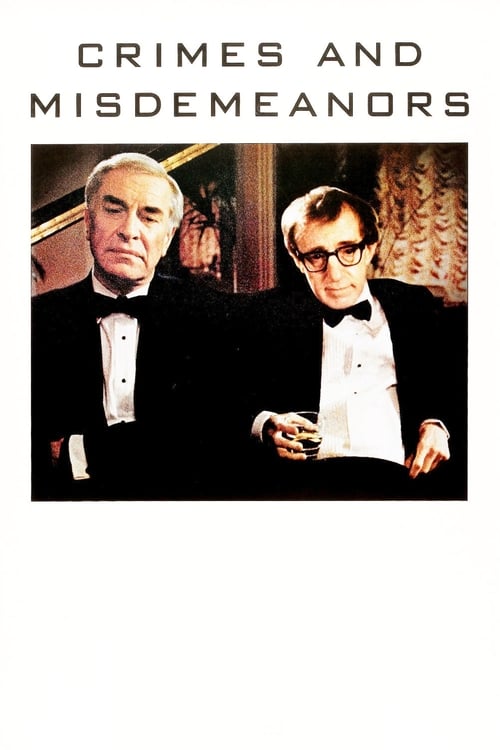
When I say Obvious Child reminds me of Crimes and Misdemeanors I am not suggesting that Donna gets away with murder in the film.
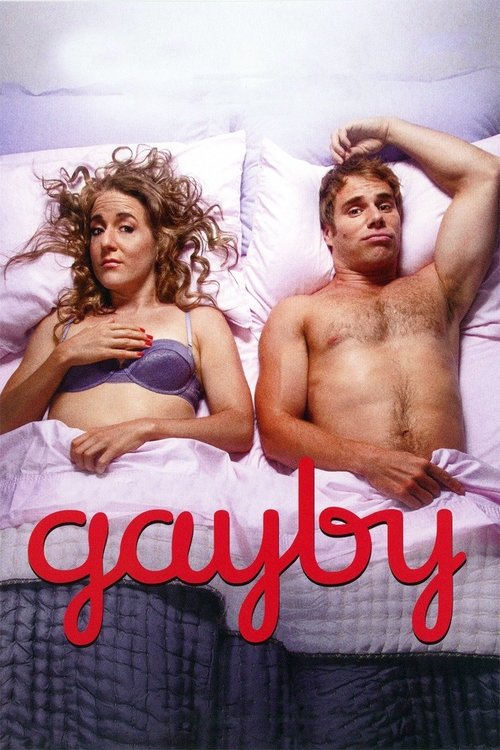
Much like Jonathan Lisecki's hilarious "Gayby," Robespierre's energetic script glides along with a sustained goofiness found in the best studio-produced comedies while focusing on an experience that they tend to marginalize.

It is an affable addition to the growing sisterhood of films with that awkward female factor, including 2012's "Frances Ha," starring a charmingly hapless Greta Gerwig , and the West Coast/middle-age version, 2013's "Enough Said," with the delightful fumblings of Julia Louis-Dreyfus.
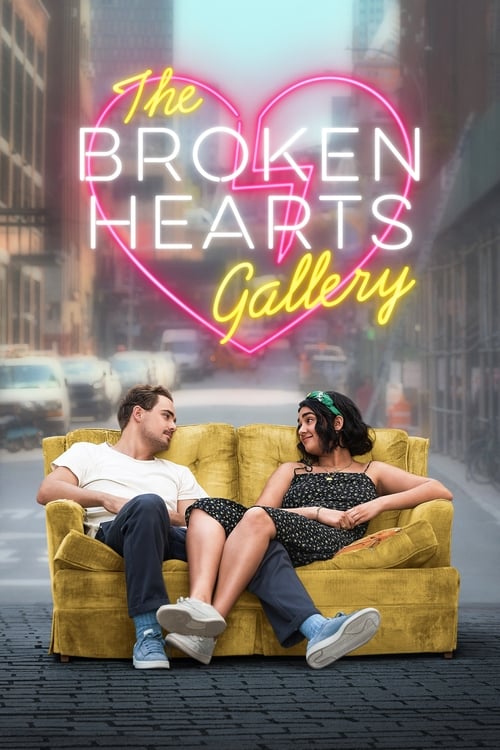
The Broken Hearts Gallery (2020)
Directed by Natalie Krinsky
influenced by Obvious Child (2014)
Dialogue
But the speedy wit in Natalie Krinsky's script hits you from the first moments, announcing a voice with the zippy specificity of Amy Heckerling ("Clueless") or Gillian Robespierre ("Obvious Child").
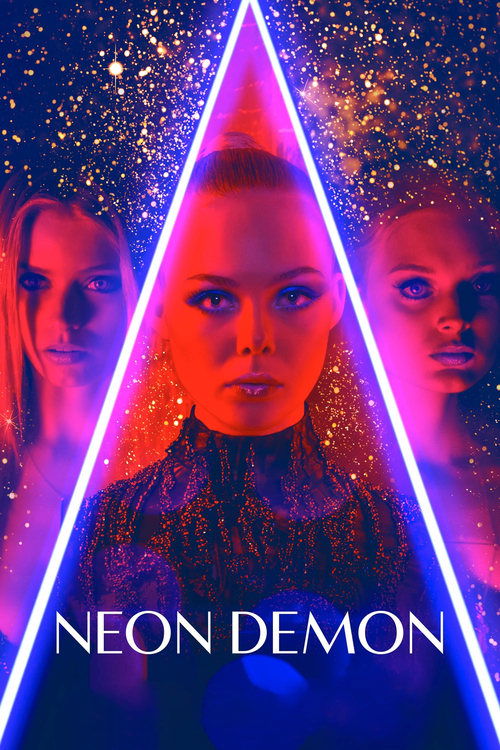
Both films are distributed by Amazon Studios, which is demonstrating increasing savvy about how to pick ’em; Amazon’s 2016 summer releases included non-crowd-pleasers The Neon Demon and Wiener Dog, any random five minutes of which had more authentic shock value than the entirety of Landline.