
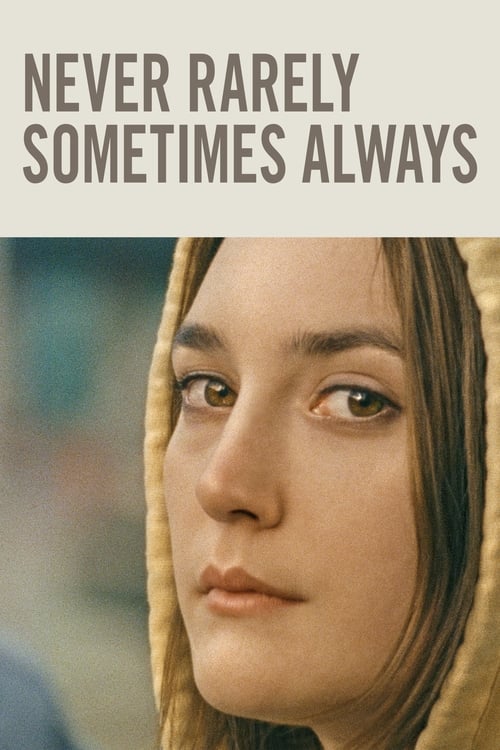
Never Rarely Sometimes Always (2020)
Directed by Eliza Hittman
A pair of teenage girls in rural Pennsylvania travel to New York City to seek out medical help after an unintended pregnancy.
4 connections found
View:
4 films that influenced Never Rarely Sometimes Always
What critics say influenced Never Rarely Sometimes Always
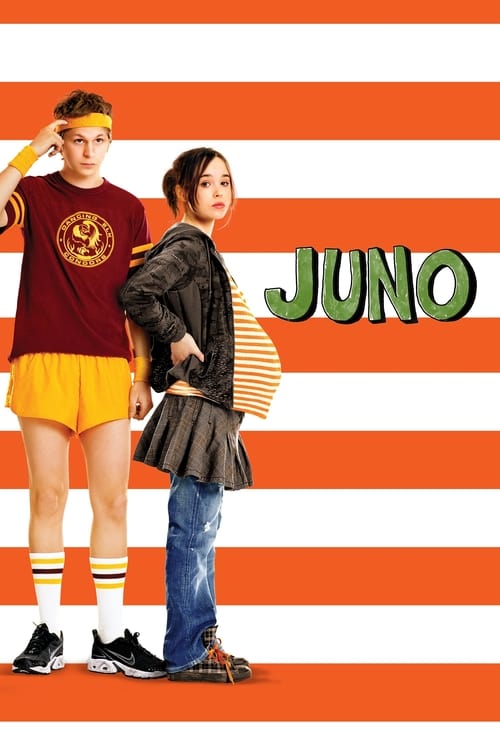


When they haven’t, Alexander Payne’s 1996 comedy “Citizen Ruth” engaged in centrist both-sidesism regarding the debate around it, while “Juno” romanticized teenage pregnancy as though rejecting the choice of abortion went along with a hip fondness for indie rock and Dario Argento films.
Viewers used to the seriocomic approach to the abortion flick (Obvious Child and Juno are probably the best examples of modern mainstream movies on the subject) may find Never Rarely Sometimes Always a startlingly somber and even oppressive affair, the film from Hittman shying away from any flirtation with taking the matter any less than extremely seriously at any given intersection.
In the years since Juno offered a light-hearted but even-handed take on the subject of unwanted teen pregnancy, the discourse around reproductive rights in America has, if anything, grown more polarised.
Hittman’s vision for the movie is worlds away from the verbal dynamics that light up Diablo Cody’s Juno (2007) .
Imagine if Autumn were to have a moment, like Diablo Cody’s Juno, to discuss her options with a friend, to pronounce upon the unfairness of her situation, or to commiserate.
The drama’s opening might initially welcome comparisons to Jason Rietman’s Juno (2007) or Nia DaCosta’s Little Woods (2018); however, Eliza Hittman’s perilous film is its own animal.
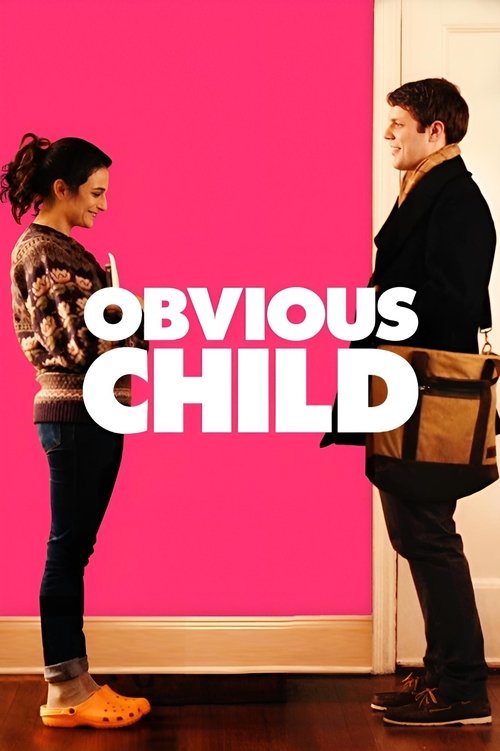
Viewers used to the seriocomic approach to the abortion flick (Obvious Child and Juno are probably the best examples of modern mainstream movies on the subject) may find Never Rarely Sometimes Always a startlingly somber and even oppressive affair, the film from Hittman shying away from any flirtation with taking the matter any less than extremely seriously at any given intersection.
Autumn’s also poorer than either Ellen Page’s pregnant teen or Jenny Slate’s young adult character in Obvious Child, an abortion-themed movie from 2014.
The most prominent abortion-related feature films have been stridently pro-life polemics like Gosnell and Unplanned, as well as the comedy Obvious Child, which grew out of the question of "What if we made Knocked Up, except she didn't have the baby?"
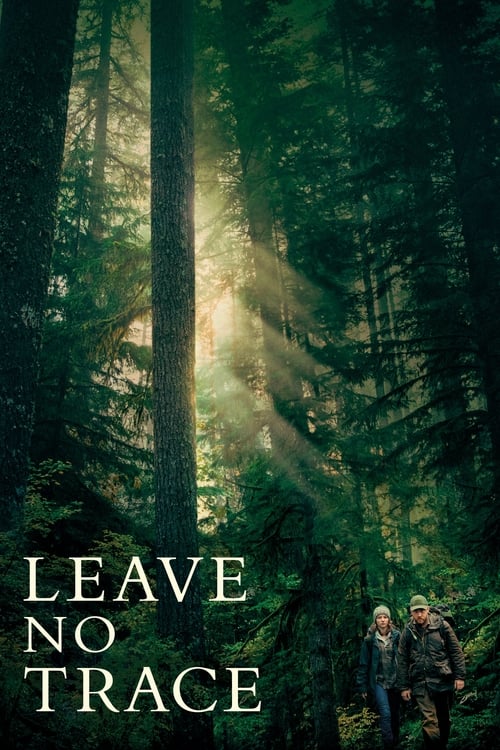
Put her alongside Jennifer Lawrence ( Winter’s Bone ), Thomasin McKenzie ( Leave No Trace ), and Elsie Fisher ( Eighth Grade ) as fresh-faced actresses who have made the most out of a first starring role.
Throughout, Flanigan’s impenetrable gaze offers parallels to Thomasin McKenzie’s adventurous turn in Leave No Trace (2018).
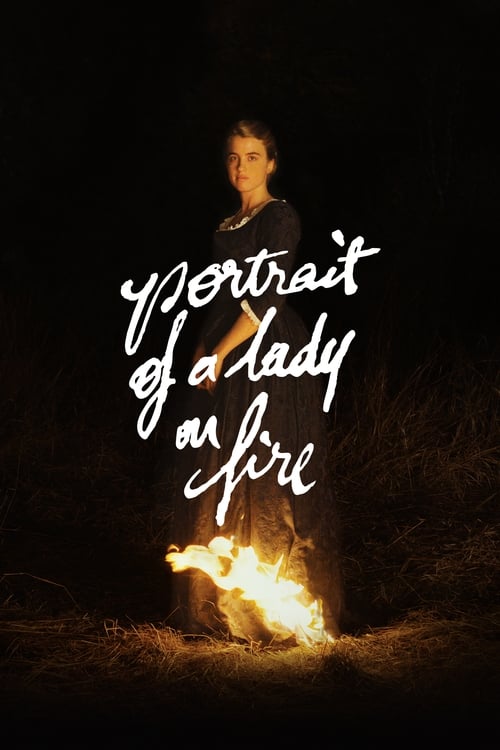
Like two other recent films by female directors – Céline Sciamma’s Portrait of a Lady on Fire and Kitty Green’s The Assistant – the picture addresses male abuses of power without ceding the dramatic focus to the aggressors themselves and reinforcing their supremacy all over again.