
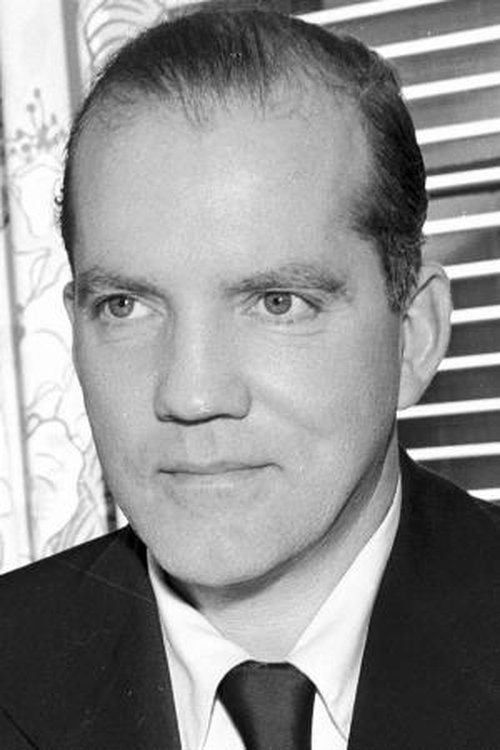
Fred M. Wilcox
22 connections found
Filmography
View:
Connections, in both directions
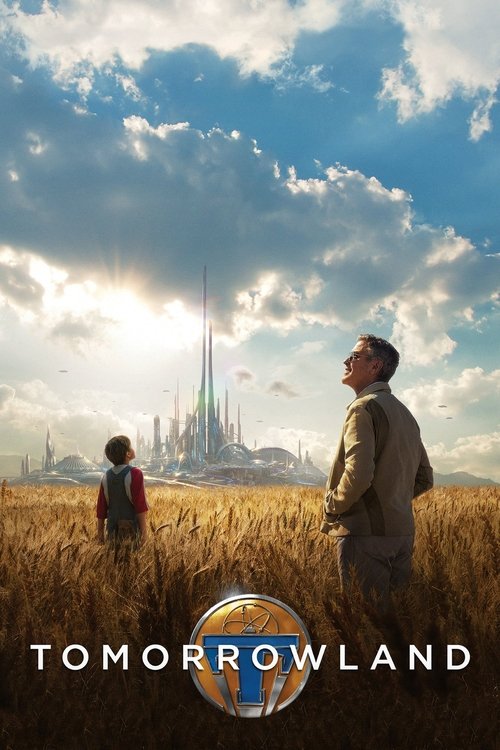


There’s a Joe Dante-like kick to many of the subsequent sequences: a comic book store strewn with pop-cultural detritus from Forbidden Planet to Planet of the Apes to Star Wars is the site of a bull-in-a-china-shop showdown between Casey and two laser-toting androids.
The utopia of Tomorrowland is based on the attraction in Anaheim and recalls the work of Jules Verne and Sixties cartoon The Jetsons , and some of the machines we meet are essentially hi-tech versions of Forbidden Planet ’s Robby the Robot.

Worse, director Paul W.S. Anderson isn't immune to pilfering concepts or shots from Aliens, Forbidden Planet, George A. Romero's Living Dead epics, The Relic and even his own Event Horizon while screen-adapting a video game franchise.
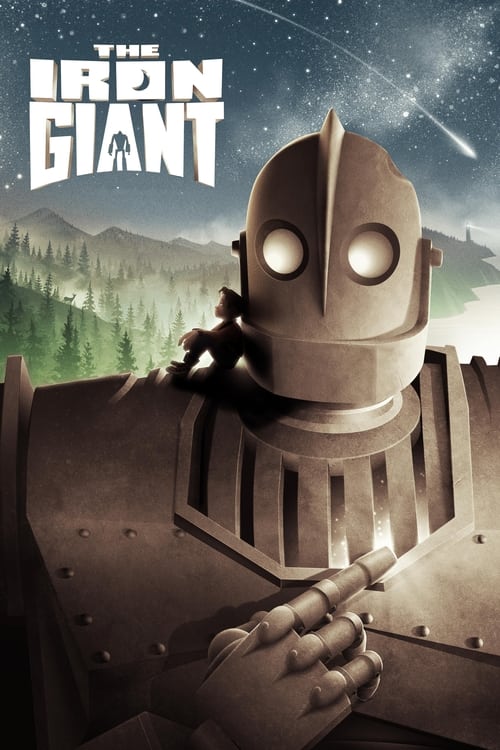
Incredibly, it suggests a cartoon remake of The Day the Earth Stood Still that might have been made in 1957a sensation promoted by the Forbidden Planet poster that Hogarth has in his bedroom, the cleverly incorporated period ad he watches on TV, and the invented "duck and cover" civil defense cartoon shown in school.
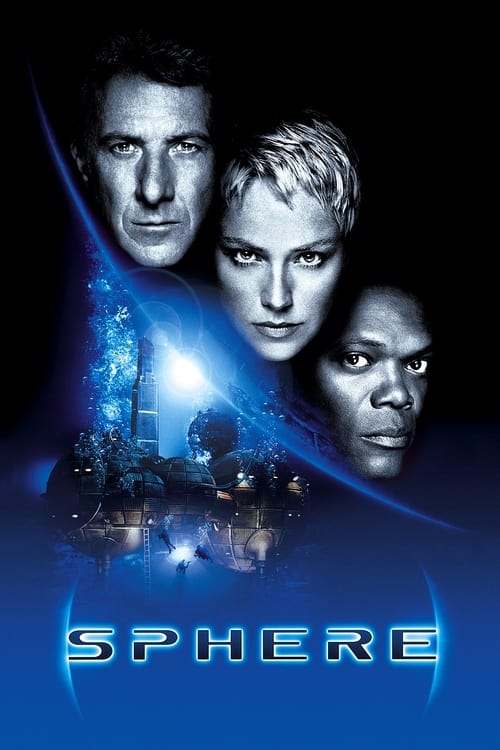
The notion of encountering alien civilizations was most recently done in "Contact," using the ocean floor as a staging area is straight out of "The Abyss," and even the film's key plot device is yet another reworking of a scenario that 1956's "Forbidden Planet" pioneered.
As expressed in "Sphere," his idea of science fiction is ripping off the monsters-from-the-id gimmick from "Forbidden Planet" and ending up with a little sermon about how man is not yet ready to be trusted with advanced knowledge.
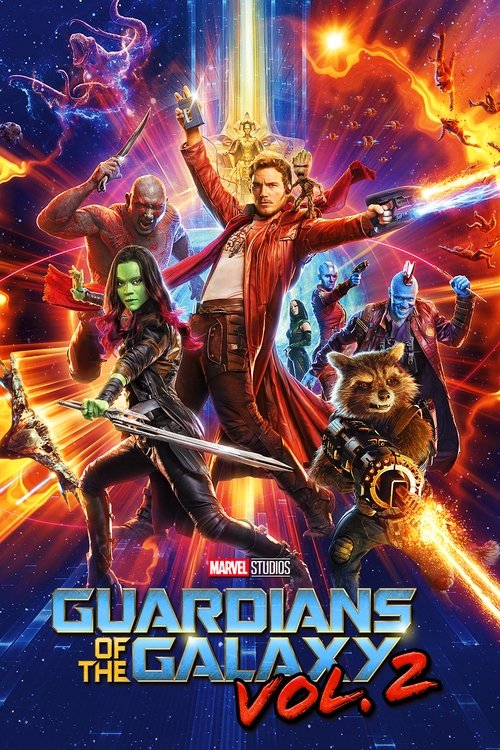
Guardians of the Galaxy Vol. 2 (2017)
Directed by James Gunn
influenced by Forbidden Planet (1956)
Plot
All this makes the film feel overlong and leaves the story — a twist on “Forbidden Planet,” with Ego as an all-consuming force — feeling stretched.
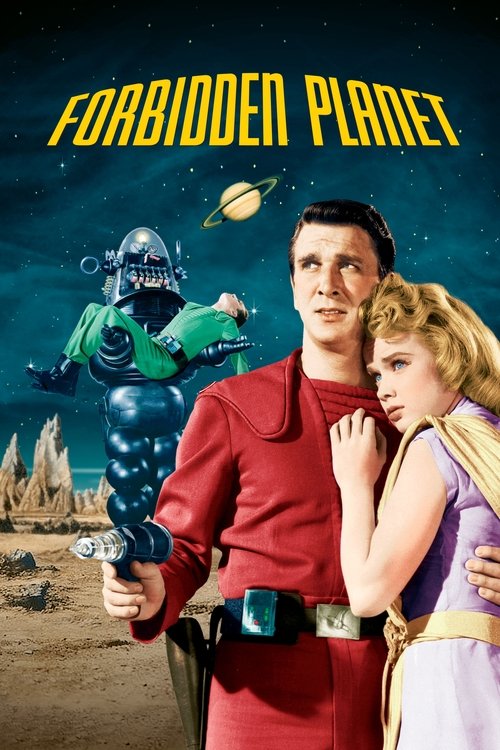
Morbius, the foreboding scientist stranded on a distant planet, played by Walter Pidgeon in the 1956 science fiction classic Forbidden Planet .
It’s a concept that has been brought to the screen before - in films that range from Forbidden Planet to The Babadook - and it’s going to remain a potent one for many years to come.

This movie’s fluid, forlorn sense of identity most recalls “Moon,” with a dash of “Forbidden Planet” thrown in.
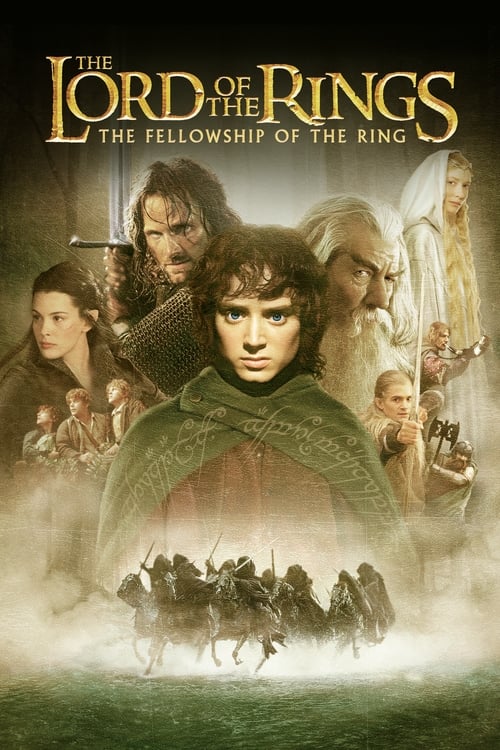
The Lord of the Rings: The Fellowship of the Ring (2001)
Directed by Peter Jackson
influenced by Forbidden Planet (1956)
Visuals
A chaotic run-in with a cave troll, for instance, leads instantly into the approach of a phalanx of Orcs, who retreat to make way for an enormous, horrifying Balrog (a distant but discernible progeny of the Id Monster in 1956's Forbidden Planet).
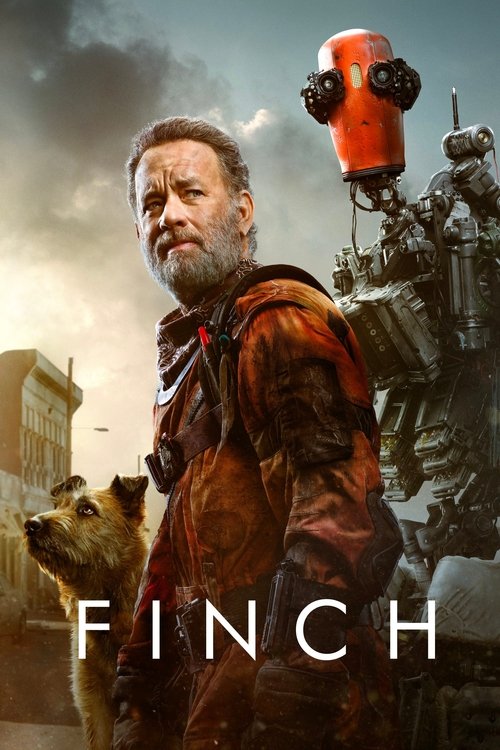
As far back as 1927 with “Metropolis,” in 1951 with “The Day the Earth Stood Still,” and in 1956 with “Forbidden Planet,” human-influenced A.I. beings have been go-to tools for sci-fi productions.
And the result is so far from being involving or compelling, so intentionally disconnected from any kind of recognizable emotion, that by comparison David Lynch's removed "Lost Highway" plays like "Lassie Come Home."
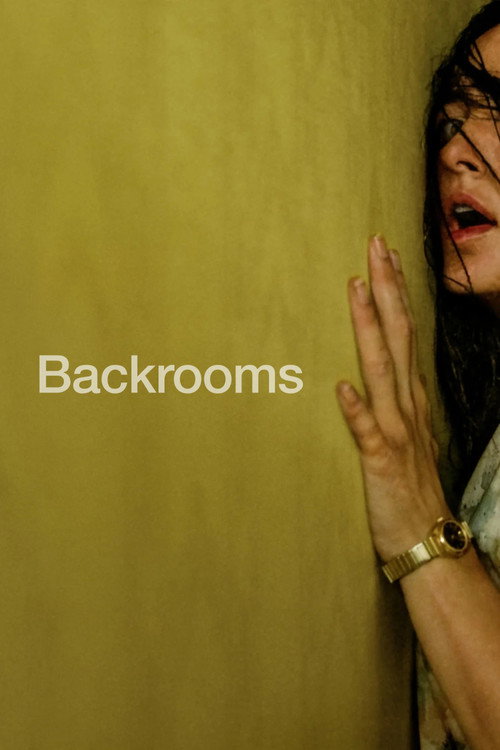
…like the ID monster of Altair IV in Forbidden Planet, the Backrooms offer a cathartic environment that lets loose inner demons.
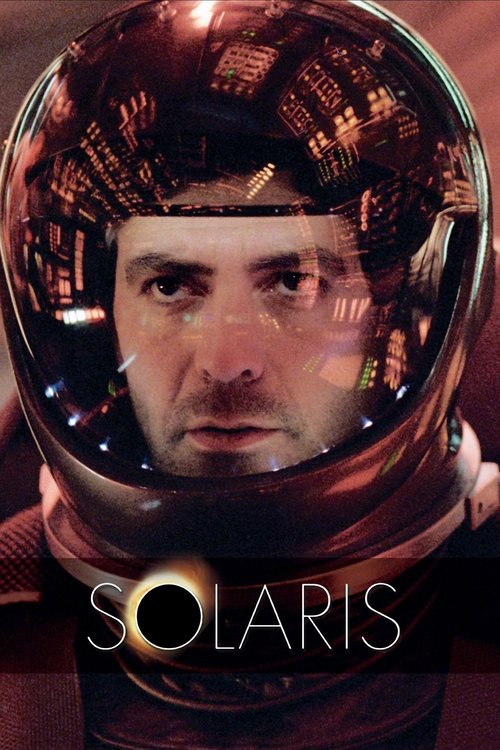
Based on a novel by iconoclastic Polish writer Stanislaw Lem and made at a length (two hours and 45 minutes) that enraptured partisans while boring detractors, the original "Solaris" was a challenging, philosophical film that played like "Forbidden Planet" filtered through the dark agonies of the Russian soul.
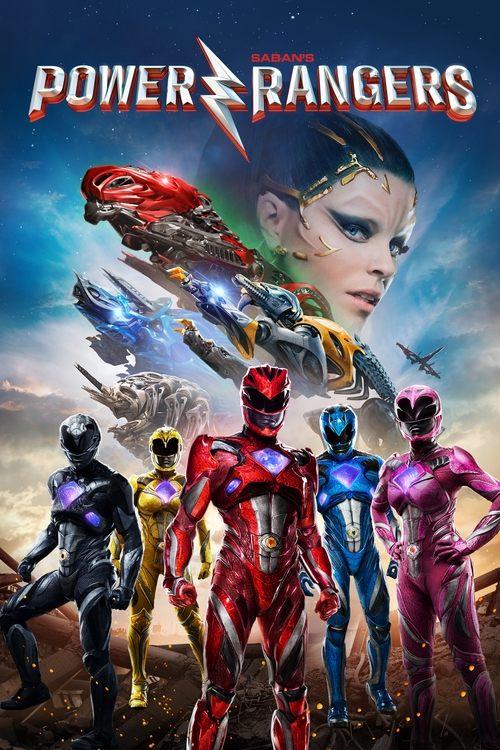
At least director Dean Israelite — whose “Project Almanac” now seems like a dry run for this — is smart to spend plenty of time on Alpha 5; the robot minion doesn’t have a single clever line of dialogue, but it looks like scrap metal from the set of “Forbidden Planet” and moves with a visual ingenuity worthy of “Star Wars.”
Refn’s ringtone sounds, the Theremin sting from “Forbidden Planet.”
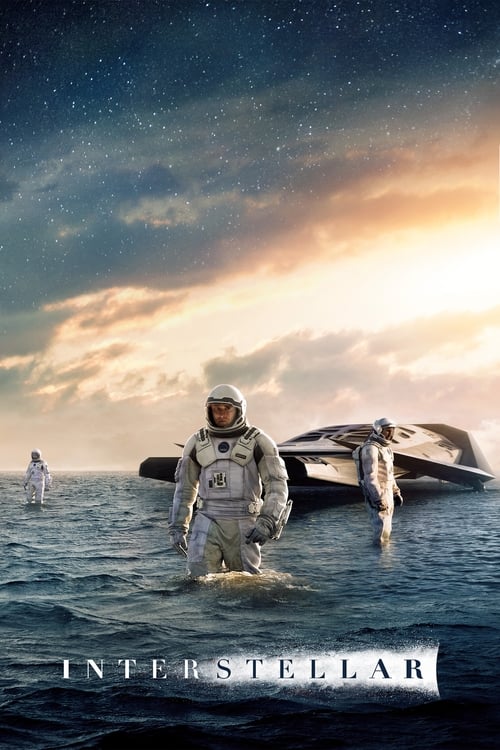
They take up space like Forbidden Planet 's Robbie, are "in the system" like 2001: A Space Odyssey 's HAL, and they look like nothing you've ever seen.

The tension between Amelia and Samuel, and their toxic codependency, are so much the DNA of the Babadook itself that it occasionally becomes too symbolically loaded, like the “Monsters From The Id” in Forbidden Planet.
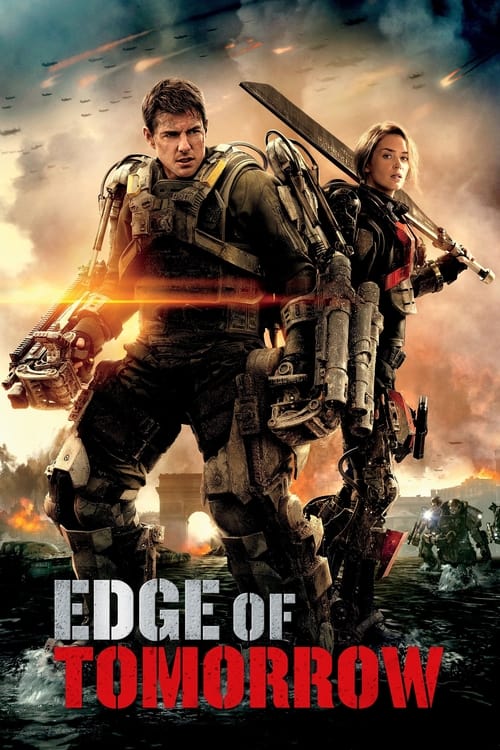
(Things do slow down enough to let us see the Mimic clearly for the first time, looking like a much more filled-out version of the then-cutting-edge monster from “Forbidden Planet.”)
If the folk who made Forbidden Planet can, with such success, transplant The Tempest to outer space, then we can endure the occasional tweak to our Dickens and the odd poke at our Hardy.
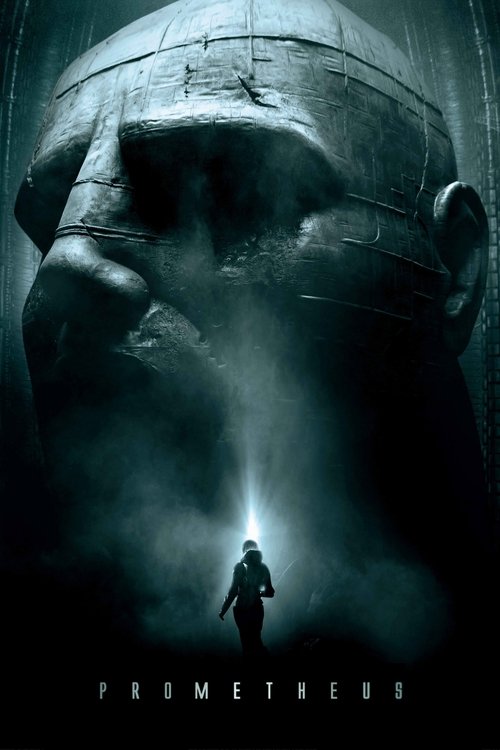
It owes a lot to such classics as “Forbidden Planet” and “2001: A Space Odyssey’ — as well as the late, great Ray Bradbury’s “Martian Chronicles” — yet it’s constructed like a modern thriller: Surprise is part of the fun.
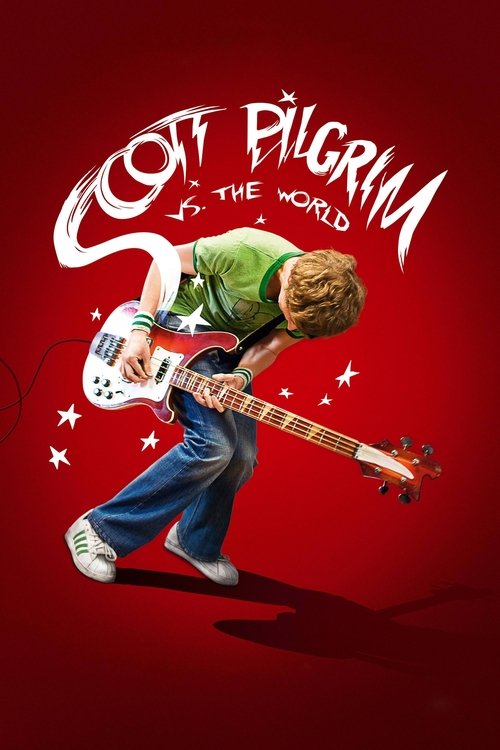
Scott Pilgrim vs. the World (2010)
Directed by Edgar Wright
influenced by Forbidden Planet (1956)
Visuals
That hyper, almost stream of consciousness pop culture fluidity is the basic form of Scott Pilgrim, and it's like Edgar Wright's id is unleashed (unleashed ids are particularly germane, as one battle scene involves giant electrical creatures going at it - a scene obviously influenced by the Id Monster from Forbidden Planet).