
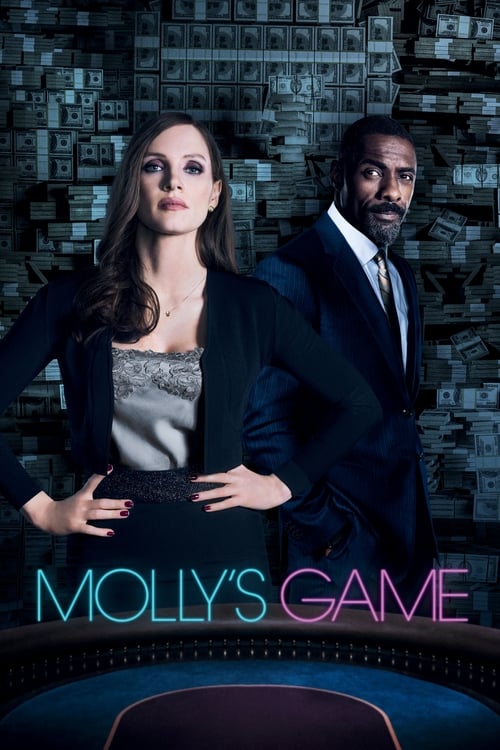
Molly's Game (2017)
Directed by Aaron Sorkin
Molly Bloom, a young skier and former Olympic hopeful becomes a successful entrepreneur (and a target of an FBI investigation) when she establishes a high-stakes, international poker game.
31 connections found
View:
31 films that influenced Molly's Game
What critics say influenced Molly's Game

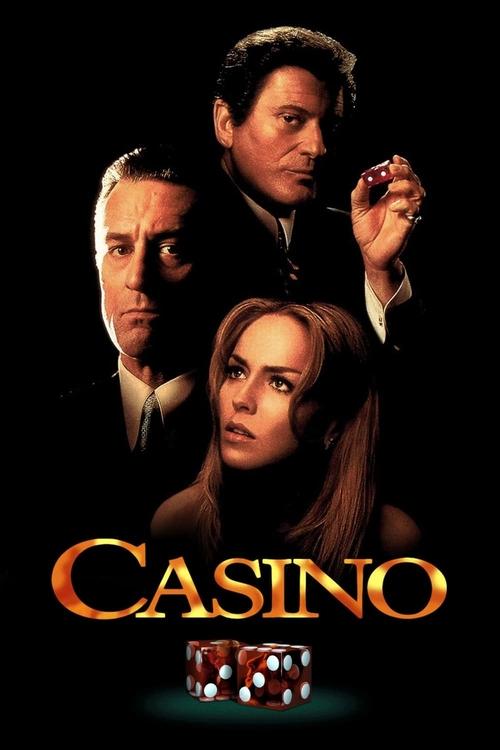


One of the editors, Alan Baumgarten, worked on David O. Russell’s “ American Hustle ,” a movie that, like “Molly’s Game,” owes a large debt to Martin Scorsese’s native-son crime stories, including “Casino.”
Like 21 and Casino and other gambling biopics, Molly's Game grants you entrance into a glamorous milieu of riches and risk that would never accept you in real life.
What you don’t get here, however, is ironic distance of the sort that Scorsese (along with many imitators) employs in The Wolf of Wall Street, Casino, and elsewhere.
A fascinating rags-to-riches, fall-from-grace narrative, in the vein of Casino (1995), becomes an overstuffed and convoluted spider’s web in need of an edit.
Echoes to Scorsese are aplenty, especially Goodfellas and the criminally underloved Casino, but Sorkin’s script doesn’t have the same tenacity or operatic scope of those films, borrowing the kinetic style and voice overs but lacking the inspired attention to detail and deft, Catholic sensibility about the moral quandaries at play.
The story is a fall of the empire narrative; rags to riches then back to rags — and is broadly reminiscent of Casino or Boogie Nights.
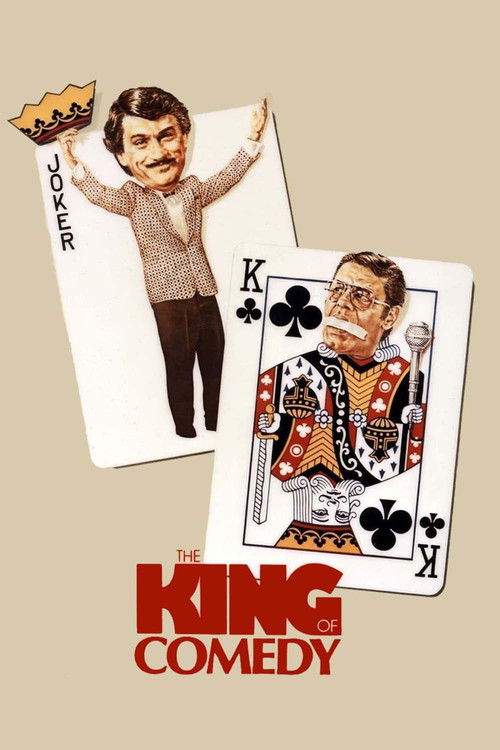
Watching its many false starts and awkward elements, I was reminded of Roger Ebert’s comment about The King of Comedy: “This is a movie that seems ready to explode – but somehow it never does.”
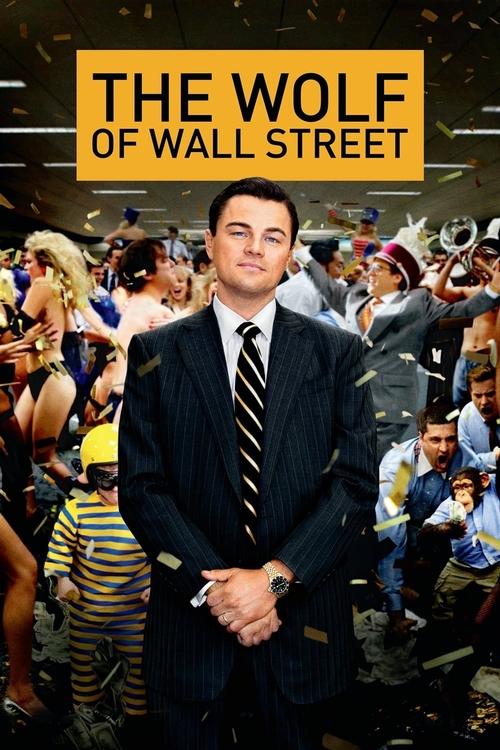
…amorality, although the film it rather resembles, albeit in a very different key, is Scorsese’s The Wolf of Wall Street, based on the memoir of financial shark Jordan Belson.
The film is structured similarly to Goodfellas, The Wolf of Wall Street, and other Scorsese films, as well as their many imitators—a youngish new person enters a sinful industry, explains How It All Works, and shows us exciting highs and lows, until it all comes crashing down in the third act.
This is a hugely enjoyable film that brings the glamour of staggering wealth—and portends the dangers of drug use—without the glorification we see in films like The Wolf of Wall Street (2013), Spring Breakers (2012), or other Hollywood films that worship American excess.
The idea of beginning in media res to see how we got to Z from A. Jonathan Romney, of Film Comment, shrewdly observes, for example, the way that the film plays in some moments as a female counterpart to “The Wolf of Wall Street,” another memoir adapted to screen film, but for “Molly’s Game” distinct lack of the ironic gaze.
Sorkin is caught up in the same trap that other filmmakers, including Martin Scorsese with “The Wolf of Wall Street,” have fallen into: He is attempting a grand-scale indictment of the venal money culture but he is too enamored of the venal rich to make the indictment stick.
Sure, this absolute barnburner of a biopic likes to act like the same rise-and-fall crime story that you’ve seen a million times before — complete with the most incessant, self-aware voiceover track since “The Wolf of Wall Street” — but the subtly profound ways in which this movie distorts the recent past makes it one of the most radically entertaining things its iconoclastic scribe has ever written.

A self-satisfied writer, the trouble is the balancing act between coming off too earnest and ultimately self-grandiosity (ahem, The Newsroom) and just earnest enough with a world weary level of naturalism (The Social Network).
While Molly’s Game doesn’t deviate from what Sorkin’s established as the baseline with Academy Award-caliber screenplays like The Social Network and Moneyball, his latest effort finds the scribe operating short of peak power.
Unlike the anti-heroes at the center of Sorkin’s The Social Network or Steve Jobs, Molly isn’t glib or dismissive of everyone and everything around her.
He’s one of my favorite writers of all time, The West Wing is my favorite TV show of all time, and The Social Network is one of my favorite movies of all time.
The narrative structure recalls Sorkin’s masterful use of Rashomon-influenced storytelling in “The Social Network.”
From The West Wing to The Social Network, Academy Award-winning screenwriter Aaron Sorkin has become famous for scripting rapid-fire volleys of dense, sharply written dialogue.
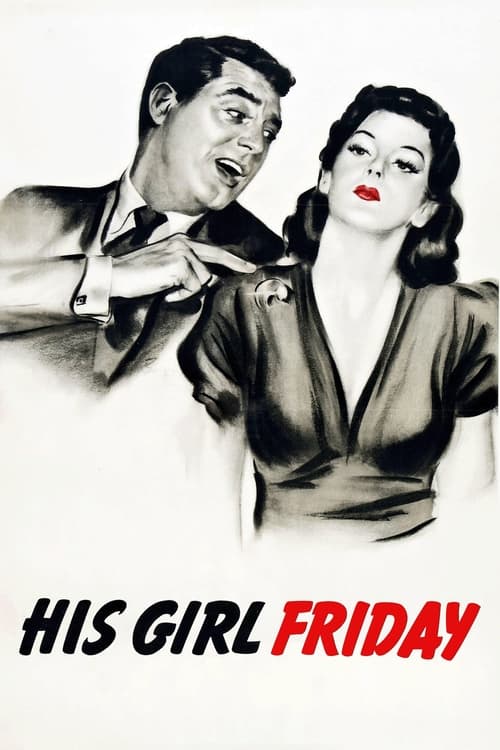
Except for Mudbound, no recent movie has voiceovers so lengthy and impressive as literature, and critic Manohla Dargis estimates that the script equals the 240-words-per-minute record set by His Girl Friday in 1940.
His Girl Friday, one of the great comedies of the 1940s, is remembered less for what it says, than how it says it.
Chastain and Elba bat dialogue back and forth like they were Cary Grant and Rosalind Russell in “His Girl Friday.”
At his best he seems like the natural heir to the crackling screwball sensibility that powered 1940s classics such as His Girl Friday and The Lady Eve .
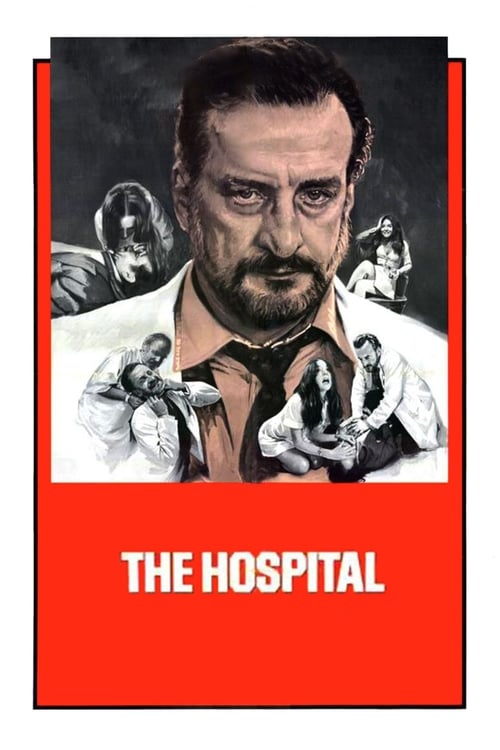
But Sorkin doesn’t pull off what, say, Paddy Chayefsky, in his scripts for such films as “Network” and “The Hospital,” achieved.
Advertisement
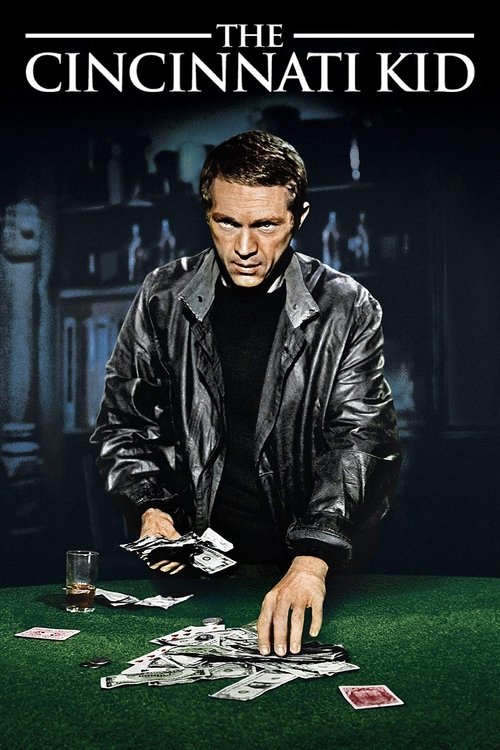
The poker scene on the train in “The Sting,” the showdown between Steve McQueen and Edward G. Robinson in “The Cincinnati Kid,” the multi-million-dollar game in “Casino Royale” — all filled with glaring missteps.
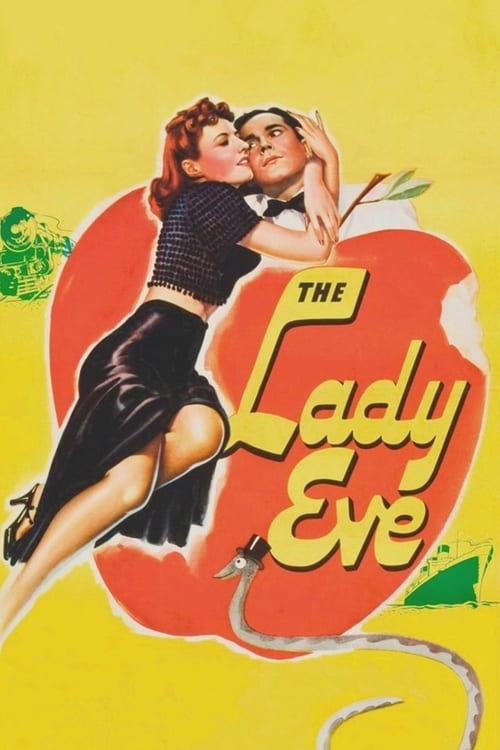
At his best he seems like the natural heir to the crackling screwball sensibility that powered 1940s classics such as His Girl Friday and The Lady Eve .
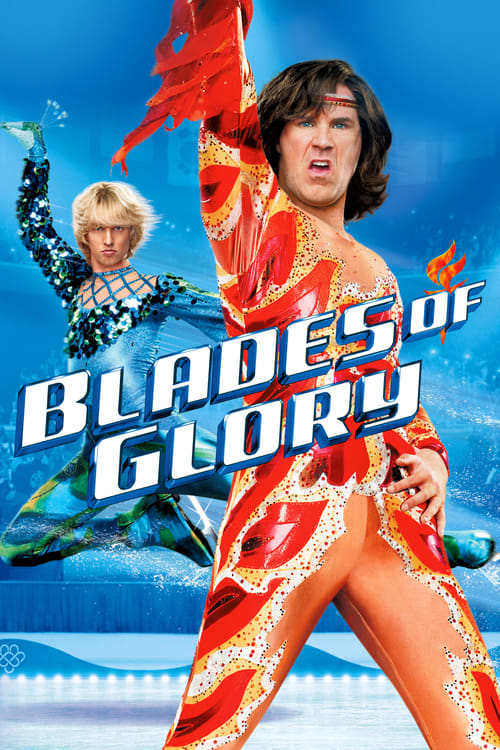
There are some slight downfalls of the film such as the ineffective father-daughter subplot that is not properly fleshed out and Kevin Costner is wasted in a role that’s almost akin to William Fichtner’s part in Blades of Glory.
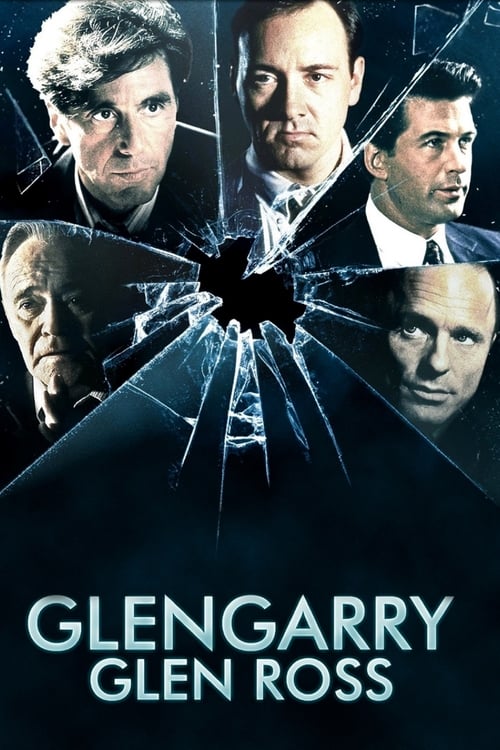
Jessica Chastain and Idris Elba are the Sorkin version of Alec Baldwin, Al Pacino, Ed Harris, et al., knocking Mamet’s “Glengarry Glen Ross” out of the park.
Advertisement

But Sorkin doesn’t pull off what, say, Paddy Chayefsky, in his scripts for such films as “Network” and “The Hospital,” achieved.
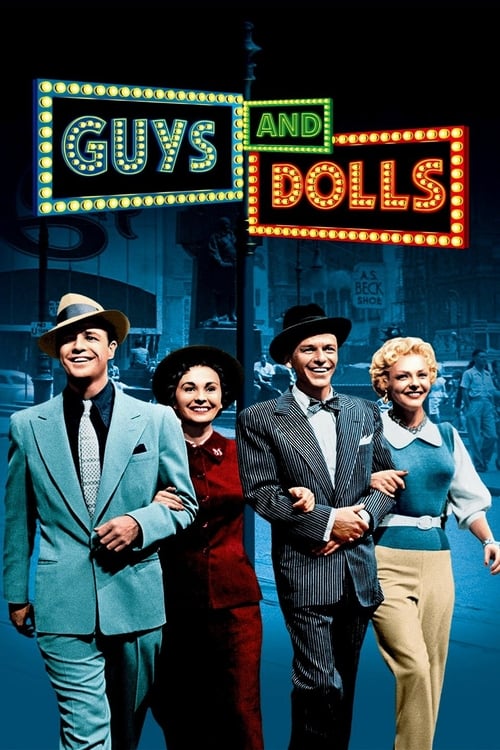
We’re given a fascinating peek inside this world, a “Guys and Dolls” of actors, producers, hedge fund managers and — as the film tells us in the beginning when Molly is arrested by a platoon of F.B.I. agents — Russian mobsters and money-launderers.
That’s a strange idea, since after, does Nathan Detroit in the musical “Guys and Dolls,” make a great living by simply providing card sharps with a garage for their game?