
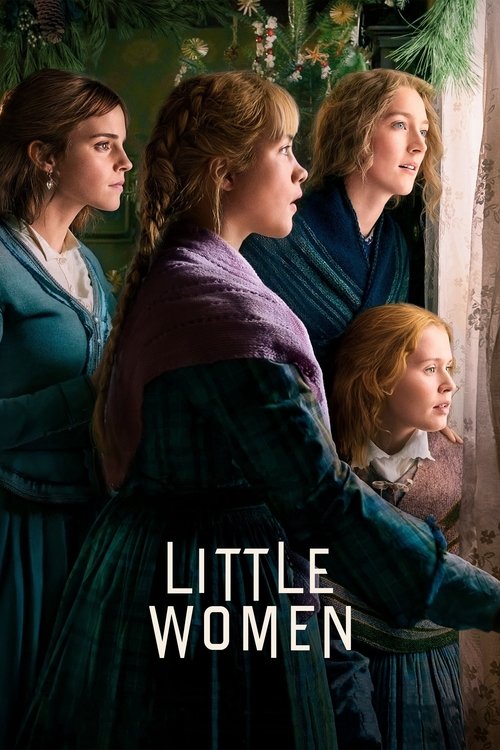
Little Women (2019)
Directed by Greta Gerwig
Four sisters come of age in America in the aftermath of the Civil War.
50 connections found
View:
50 films that influenced Little Women
What critics say influenced Little Women
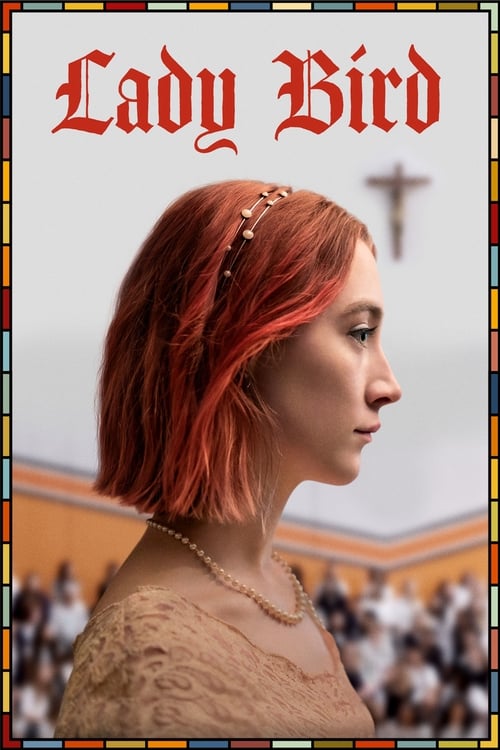


Telling the tale of Jo March (Saoirse Ronan), a headstrong young woman trying to navigate her way through an adult world echoes the theme of Gerwig’s Oscar-nominated Best Picture Lady Bird in 2017.
This is distinctively something written and directed Greta Gerwig, right down to the cast that reunites her with Lady Bird leading lady Saoirse Ronan, the occasionally quirky yet always endearing characteristics of the March family, and the sharp editing that always knows when to hard-cut with clarity to the past and back to the present.
A quickie recap for anyone not up to speed on the ageless phenom that is Little Women ’s March sisters: Louisa May Alcott’s bird’s-eye 1868 novel, about the entwined lives and self-defining times of Jo, Meg, Amy and Beth, had already inspired six movies before firing the heart and mind of Lady Bird writer-director Greta Gerwig.
She doesn’t stop there: By the end of this “Little Women,” freer visually as well as narratively compared to “Lady Bird," Alcott’s story and Jo March’s story dovetail into a third, hybrid tale of one woman’s freedom from want.
Writer-director Greta Gerwig (“Lady Bird”/”Nights and Weekends”) gives it a different spin and tries to shake things up a bit, even mixing up the chronology of the novel, making this seem not like the Little Women I recall from my youth (I’m on board with the 1933 faithful version, where Katharine Hepburn was the rebellious heroine in need of maturity).
Reveling in the same sweet spot that made Lady Bird such a success, the most powerful moments are when the characters are grappling with big feminist questions in a small domestic way.


Overall, the visual and tonal sobriety find the depth in the book, and give or take a few years, the film brings Alcott’s world close to that of Edith Wharton’s novels, placing it in the same social universe as The House of Mirth or The Age of Innocence .
(Gerwig steals this device and much else from Martin Scorsese’s The Age of Innocence , because good filmmakers know where to steal from.)
Sense and Sensibility (1995) and The Age of Innocence (1993) perhaps come close, but neither attempts to, as writer-director Greta Gerwig does here, alter the structure of their sources as revisionary, in a way that draws out the modern contexts and political radicalism of Louisa May Alcott’s tales of growing up in Civil War-era Massachusetts.
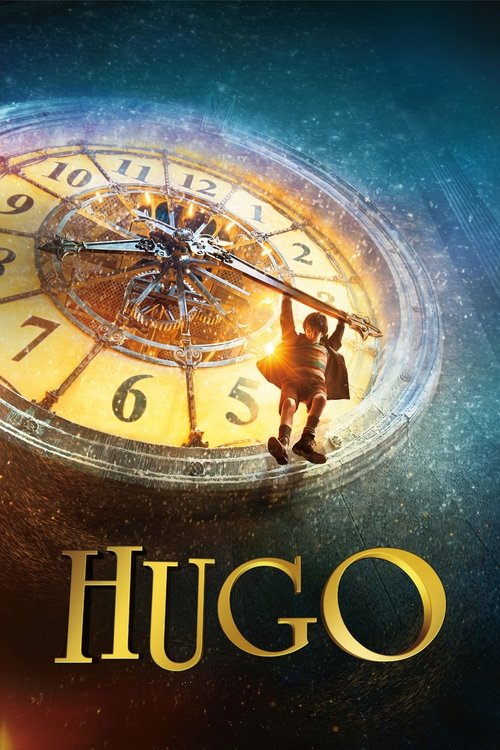
But it is rare for me to find a film that elicits the same emotions I felt when I went to see Hugo, which was the major push for me to start Rendy Reviews in the first place.
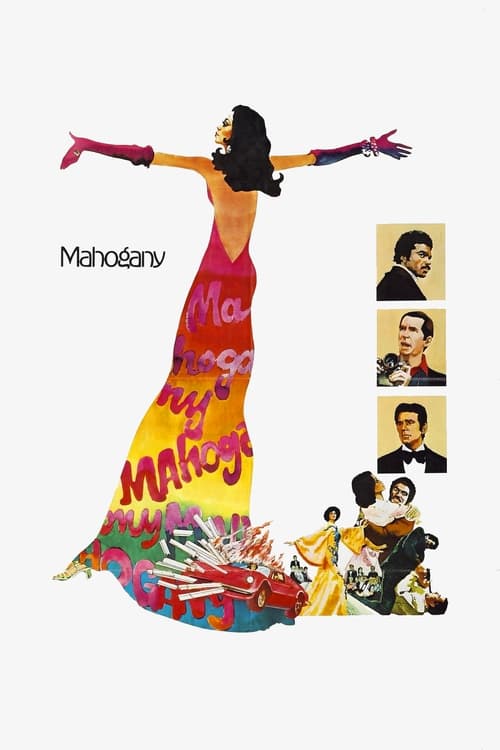
It harkens back to that classic Billy Dee line from Mahogany when he says “…success it nothing without someone you love to share it with.”
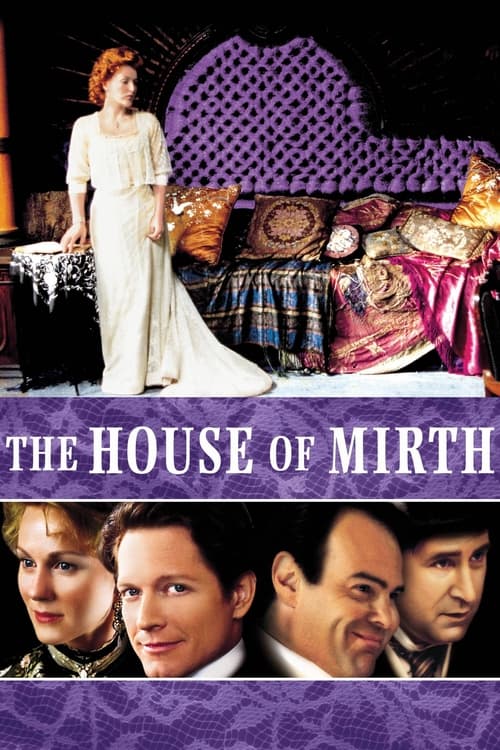
Overall, the visual and tonal sobriety find the depth in the book, and give or take a few years, the film brings Alcott’s world close to that of Edith Wharton’s novels, placing it in the same social universe as The House of Mirth or The Age of Innocence .
Advertisement
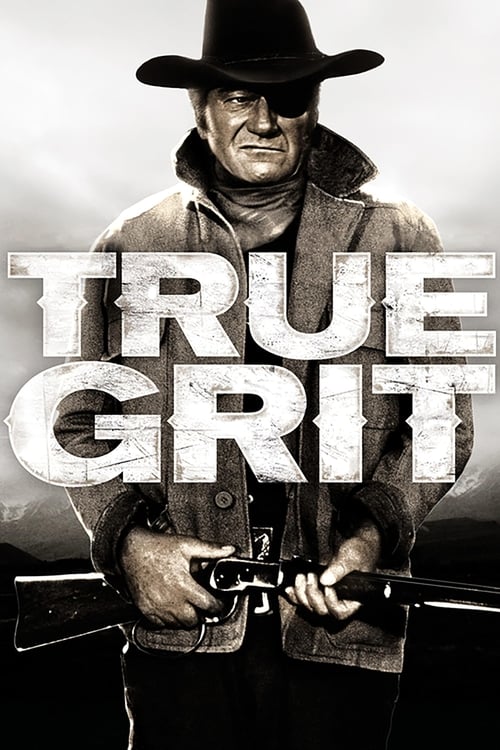
It is reminiscent of what happens in the first “True Grit” movie between Kim Darby and Strother Martin about a horse.
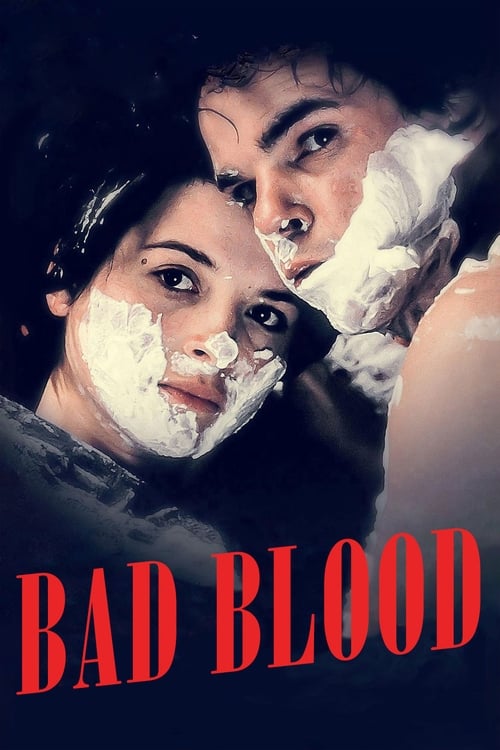
Nos comparte su gozo por medio de una citación que ya era una citación: Jo corre por las calles de Nueva York como Frances (Greta Gerwig) en Frances Ha (2012) de Noah Baumbach, como Alex (Denis Lavant) lo hizo en el París de Mala sangre (Mauvais sang, 1986).
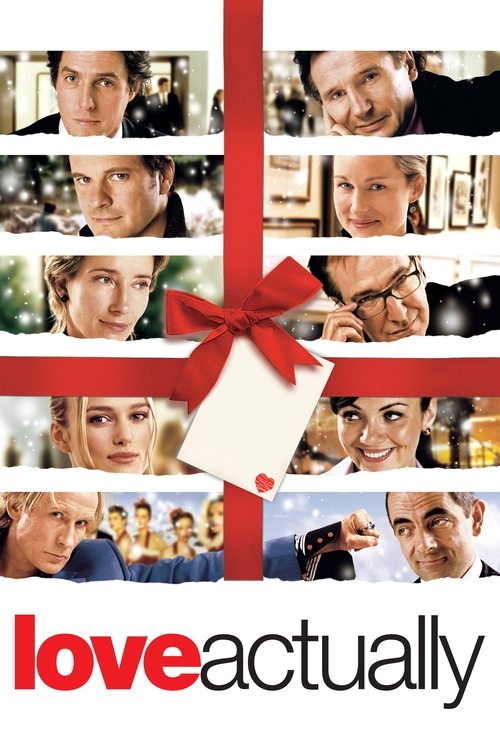
He reminds me of Karl (Rodrigo Santoro) from Love Actually (2003), who really only represented man candy.
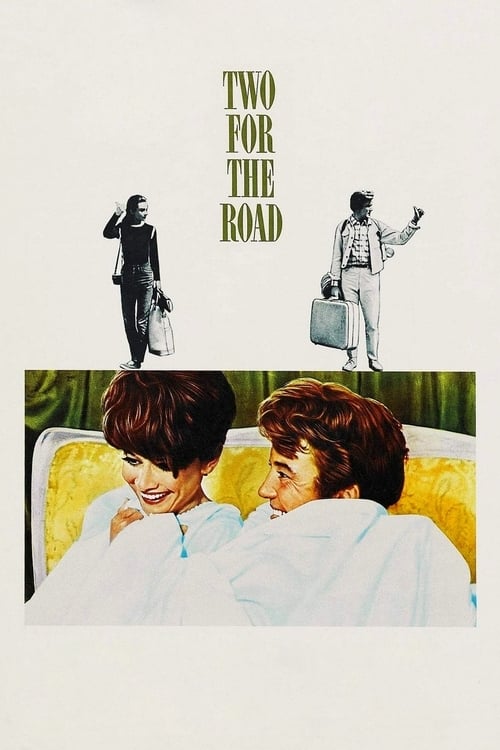
One of my favorite films, Two for the Road (1967), had time warps that jumped in and out non-sequentially, but in that film director Stanley Donen handled the changes in a way that was charming, immediately apparent, and caused no confusion.
Advertisement
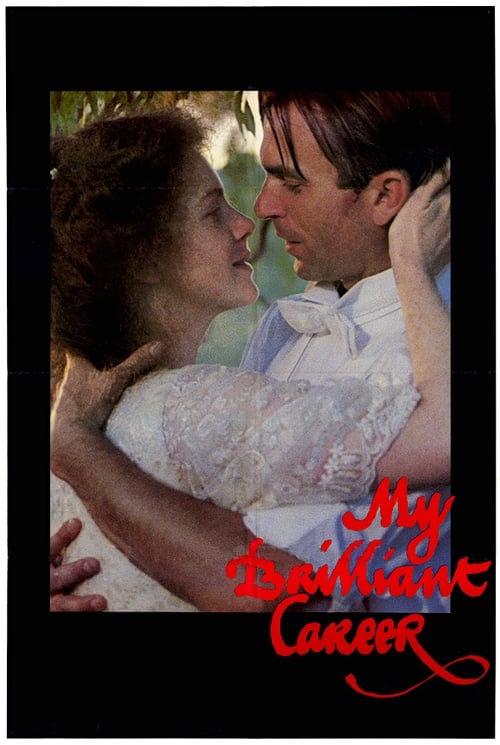
Along the way, she subtly evokes the final scene of Gillian Armstrong’s My Brilliant Career (1978), in which the young writer-heroine — an Australian Jo — sadly turns her Prince Charming down.
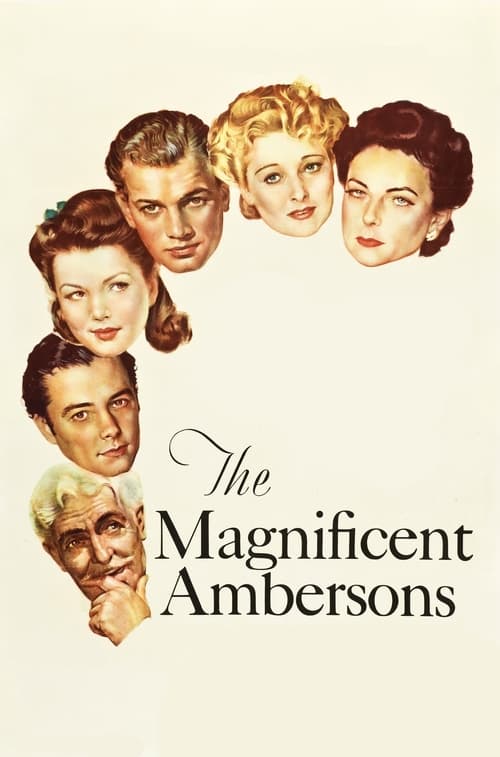
With Welles it was The Magnificent Ambersons , an adaptation of Booth Tarkington’s Pulitzer Prize-winning novel about the decline of a wealthy Midwestern family.