
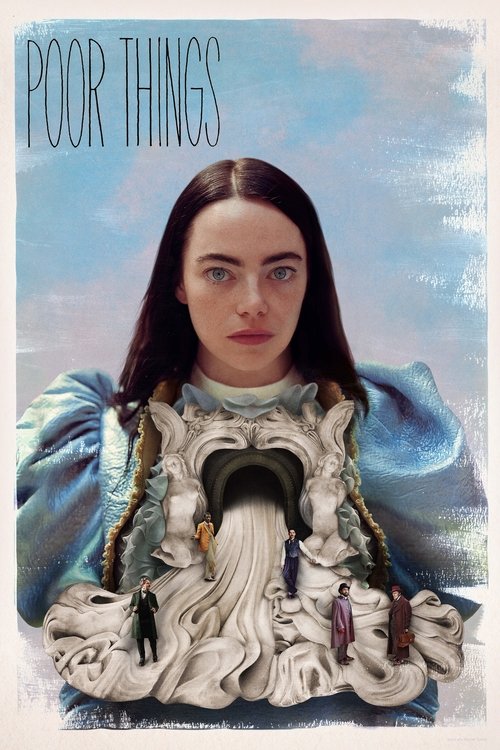
Poor Things (2023)
Directed by Yorgos Lanthimos
Brought back to life by an unorthodox scientist, a young woman runs off with a lawyer on a whirlwind adventure across the continents. Free from the prejudices of her times, she grows steadfast in her purpose to stand for equality and liberation.
7 connections found
View:
7 films that influenced Poor Things
What critics say influenced Poor Things

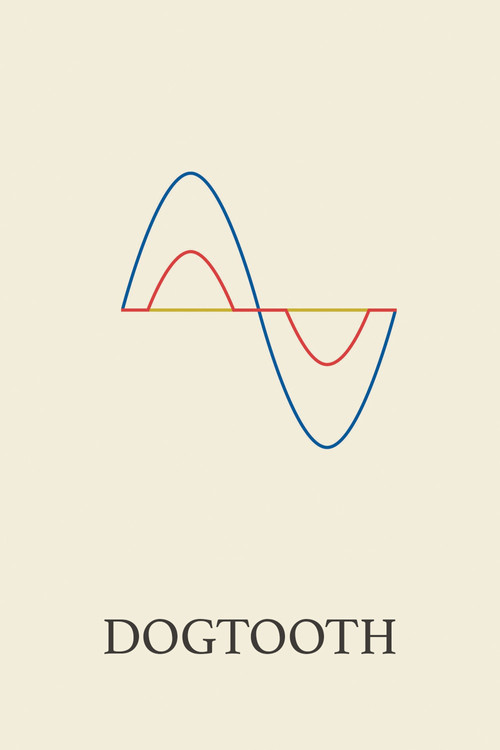


Godwin – who Bella refers to as God throughout – wishes to keep her isolated from the world (an echo of Lanthimos' breakout hit Dogtooth) under the supervision of the vinegar-faced housekeeper Mrs. Prim (Vicky Pepperdine) and the romantically-inclined medical student Max McCandles (Ramy Youssef).
As any Lanthimos fan knows, those are touchstones of all his previous films, including the similarly themed “Dogtooth,” which also centered on people's phenomenological encounters and coming-to-understanding of the world around them.
A parent's desire to trap their offspring in perpetual childhood is not a foreign concept to Greek filmmaker Yorgos Lanthimos, whose 2009 psychological drama “Dogtooth” chronicled the dysfunctional routine of a wealthy businessman, his meek wife, and their severely infantilized adult children.
If Gray did not already write it, Lanthimos already explored the book's themes in his earlier movies: the controlling environment in “Dogtooth” (2009), the absurdity of societal rules in “The Lobster” (2015), the amoral tyranny of children in “The Killing of a Sacred Deer” (2017), and the flawed, unlikeable but riveting and pleasure seeking, driven, three-dimensional women in “The Favourite” (20118).
Poor Things” is a grand culmination of the Lanthimos style, combining the edgy surrealism of “Dogtooth” with the satirical humor of “The Lobster” and subversion of period films in “The Favourite.
In this respect there are similarities to Lanthimos’s previous film Dogtooth, which also had parents who imprisoned their children in the home, an act that leads not to conformity but to perversion (Godwin’s other creations, hybrid animals such as a dog with a chicken body, are also reminiscent of the threat of becoming animal in The Lobster). In Dogtooth the consequences of isolation are violent and disturbing, while in Poor Things Bella is able to break free of these parental constraints.
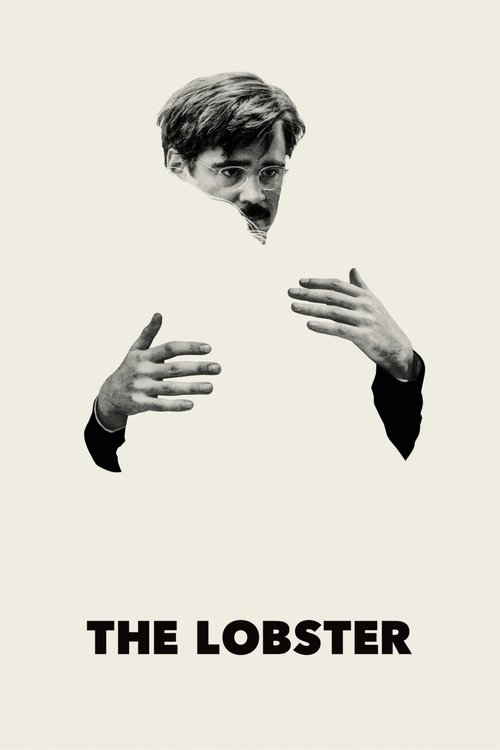
Lanthimos, the beloved critical darling, has been on a hot streak with The Lobster, The Favourite, and now, Poor Things. He does a wonderful job conveying the nuanced depth of the original material’s themes, absurdity, and capriciousness.
If Gray did not already write it, Lanthimos already explored the book's themes in his earlier movies: the controlling environment in “Dogtooth” (2009), the absurdity of societal rules in “The Lobster” (2015), the amoral tyranny of children in “The Killing of a Sacred Deer” (2017), and the flawed, unlikeable but riveting and pleasure seeking, driven, three-dimensional women in “The Favourite” (20118).
Poor Things” is a grand culmination of the Lanthimos style, combining the edgy surrealism of “Dogtooth” with the satirical humor of “The Lobster” and subversion of period films in “The Favourite.
Whether he's playing with off-kilter romance in “The Lobster” or leaning into slapstick period farce for “The Favorite,” Lanthimos consistently manages to blend contemporary themes with the intellectually inventive.
For example, the way Dr. Baxter teaches Bella occasionally reminds of how the parents taught the children in Lanthimos’ breakout film Dogtooth, and the strange reality that Lanthimos creates feels right in line with his other films, like The Lobster or The Killing of a Sacred Deer.
In this respect there are similarities to Lanthimos’s previous film Dogtooth, which also had parents who imprisoned their children in the home, an act that leads not to conformity but to perversion (Godwin’s other creations, hybrid animals such as a dog with a chicken body, are also reminiscent of the threat of becoming animal in The Lobster).
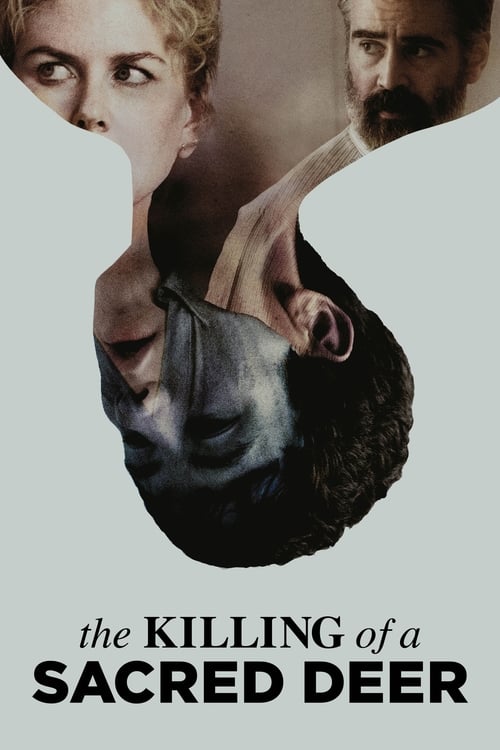
If Gray did not already write it, Lanthimos already explored the book's themes in his earlier movies: the controlling environment in “Dogtooth” (2009), the absurdity of societal rules in “The Lobster” (2015), the amoral tyranny of children in “The Killing of a Sacred Deer” (2017), and the flawed, unlikeable but riveting and pleasure seeking, driven, three-dimensional women in “The Favourite” (20118).
Lanthimos used to specialize in dour, deadpan little tales (The Killing of a Sacred Deer, The Lobster) designed to drive home how cruel human beings can be, as if we needed reminding.
For example, the way Dr. Baxter teaches Bella occasionally reminds of how the parents taught the children in Lanthimos’ breakout film Dogtooth, and the strange reality that Lanthimos creates feels right in line with his other films, like The Lobster or The Killing of a Sacred Deer.
However, by the time he released 2017’s underwhelming The Killing of a Sacred Deer, that bleakness started to feel like a gimmick.
As in his “The Lobster” and “The Killing of a Sacred Deer,” Lanthimos has a keen sense for bringing out the absurdities of human rituals and behavior.
While the settings of Yorgos Lanthimos’s films have varied wildly, from a hotel for singles in a seemingly dystopian society in The Lobster, to the upper-class home of The Killing of a Sacred Deer, or the eighteenth century British royal court of The Favourite, they all contain the same absurdist streak. What is often the darkest of material becomes fodder for comedy of the blackest stripe.

It's the type of role that, had it been my first exposure to Ruffalo, would've colored my perception of him here in the real world (to compare: after Gladiator I couldn't stand Joaquin Phoenix on account of him being such a bastard as Commodus that I couldn't separate actor from character in my stupid stupid brain — Signs helped fix this issue).
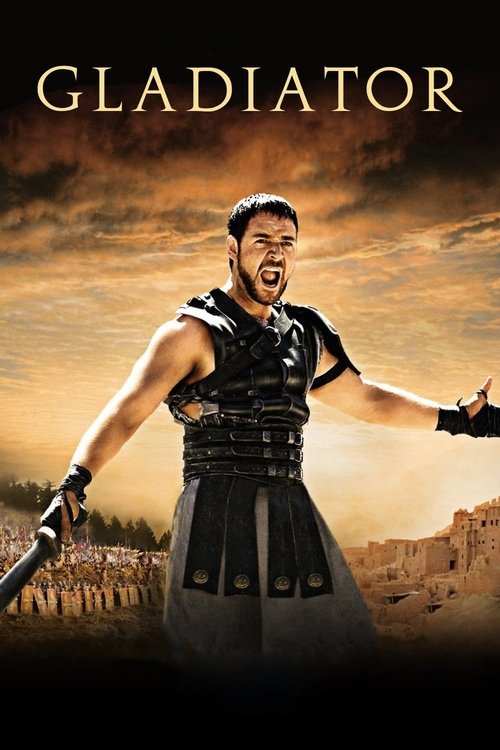
It's the type of role that, had it been my first exposure to Ruffalo, would've colored my perception of him here in the real world (to compare: after Gladiator I couldn't stand Joaquin Phoenix on account of him being such a bastard as Commodus that I couldn't separate actor from character in my stupid stupid brain — Signs helped fix this issue).
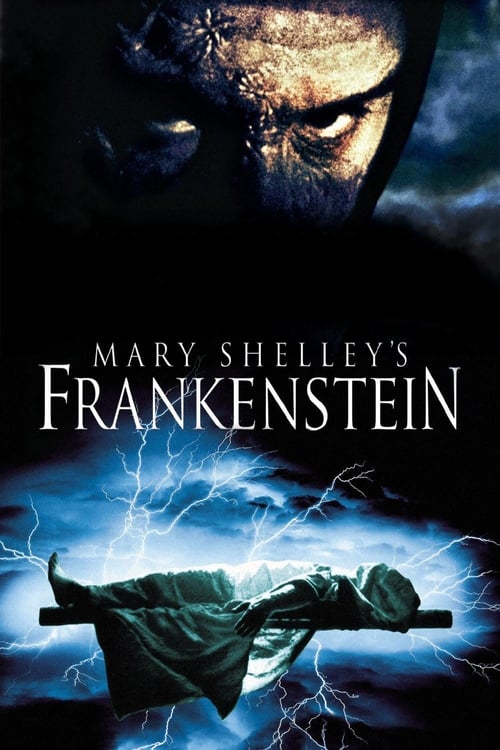
It’s not steampunk porn like Poor Things but differs from Kenneth Branagh’s 1994 Coppola-produced Mary Shelley’s Frankenstein only as a deluxe nerd fantasy…
Advertisement
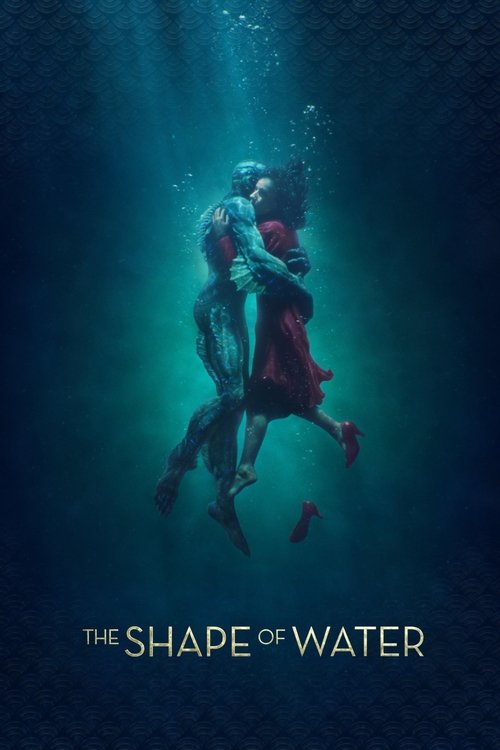
And when del Toro had already done better and more interesting riffs on Frankenstein with The Shape of Water or Crimson Peak (and when Poor Things had already done a contemporary reimagining just two years ago), this new film feels redundant.