
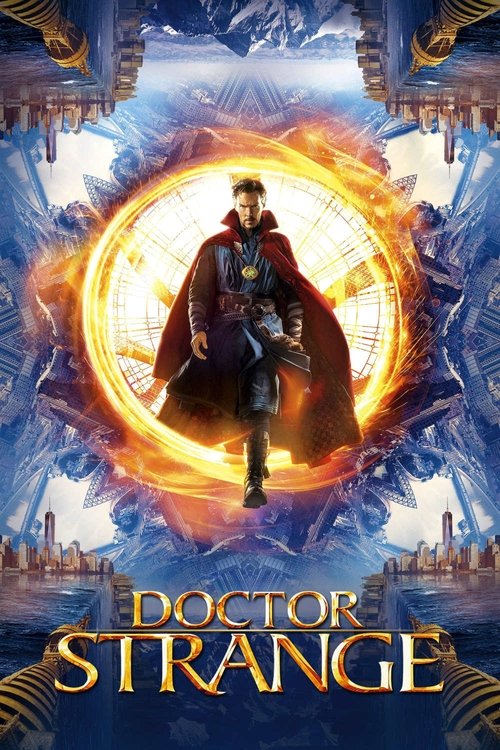
Doctor Strange (2016)
Directed by Scott Derrickson
After his career is destroyed, a brilliant but arrogant surgeon gets a new lease on life when a sorcerer takes him under her wing and trains him to defend the world against evil.
21 connections found
View:
21 films that influenced Doctor Strange
What critics say influenced Doctor Strange

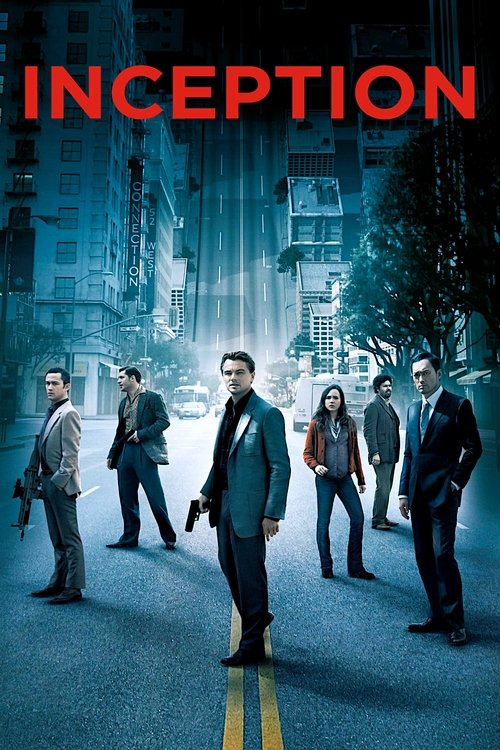


Non-specialists would not want to bet their lives on being able to identify which dimension the film occupies at any specific moment, but from a visual point of view the upshot is that Doctor Strange enters a dazzling zone in which whole slabs of the New York cityscape fold down, multiply and assume new configurations in ways that take their cue from Inception but go far beyond it in visual spectacle.
The latter trick, which turncoat ex-disciple Kaecilius (Mads Mikkelsen) uses for more nefarious purposes, lends the film a staggering visual effects innovation, in which the building-bending seen in Christopher Nolan’s “Inception” is taken to an extreme that would blow even M.C.
The look is a little bit The Matrix, a little bit Inception, a little bit Dark City, and all acid trip.
Unapologetically folding the likes of “The Matrix” and “Inception” into the fabric of the Marvel Cinematic Universe , “Sinister” director Scott Derrickson reaches into the mirror dimension (whatever the hell that is) and retrieves the year’s most (only?) visually dazzling blockbuster.
True, Nolan has already mined this visual style half a dozen years ago in Inception, but it’s put to good effect by Derrickson.
Just as smart, the film’s director, Scott Derrickson (taking a giant leap from the Blumhouse cheapie-chiller Sinister, not to mention Hellraiser: Inferno) stylistically nods to puzzle-box brainteasers like Dark City, Inception, and The Matrix to conjure a cinematic universe that couldn’t be further removed from the usual Marvel spandexapaloozas.
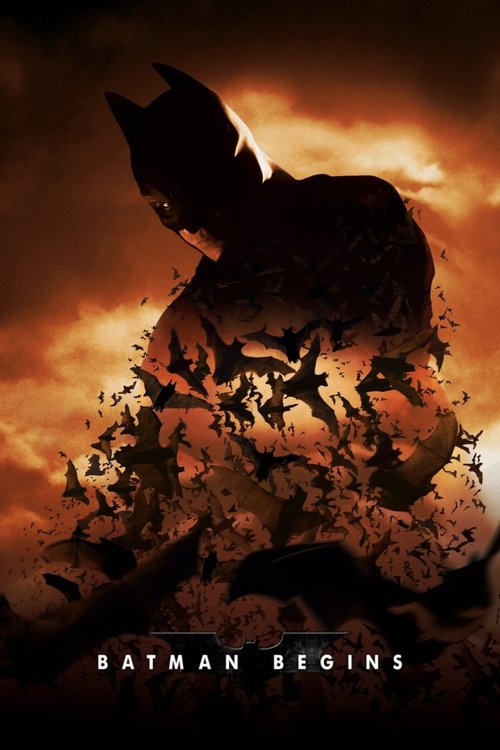
Moviegoers pining for an amalgam of two Christopher Nolan films (“Batman Begins” and “Inception”) and two Marvel ones (“Thor” and “ Ant-Man ”) might have an okay time, but those looking for another imaginative freak out in the vein of “ Guardians Of The Galaxy ?”
Like Christian Bale’s Bruce Wayne in “Batman Begins,” Dr. Stephen Strange comes by his powers on a pilgrimage to the East.
It has the attitude of “Iron Man,” the knockout visuals of “Inception,” the pseudo-mysticism of “The Matrix” and the Eastern philosophies of “Batman Begins.”
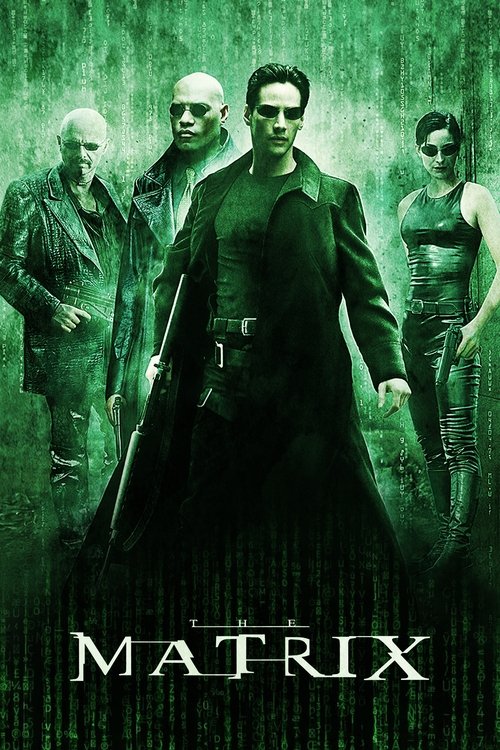
The look is a little bit The Matrix, a little bit Inception, a little bit Dark City, and all acid trip.
Unapologetically folding the likes of “The Matrix” and “Inception” into the fabric of the Marvel Cinematic Universe , “Sinister” director Scott Derrickson reaches into the mirror dimension (whatever the hell that is) and retrieves the year’s most (only?) visually dazzling blockbuster.
And that seems to be the governing philosophy behind this second-rate knock-off of everything from The Matrix to Ant-Man.
Just as smart, the film’s director, Scott Derrickson (taking a giant leap from the Blumhouse cheapie-chiller Sinister, not to mention Hellraiser: Inferno) stylistically nods to puzzle-box brainteasers like Dark City, Inception, and The Matrix to conjure a cinematic universe that couldn’t be further removed from the usual Marvel spandexapaloozas.
That's no knock on the movie itself, which director Scott Derrickson – the horror guy from Deliver Us from Evil, Sinister and The Exorcism of Emily Rose – has kicked up a notch with a visual dazzle and wit unseen around these parts since The Matrix and Inception.
Visually and conceptually, Doctor Strange owes more to the inverted physics of Inception and the East-meets-West chop-socky of The Matrix trilogy.
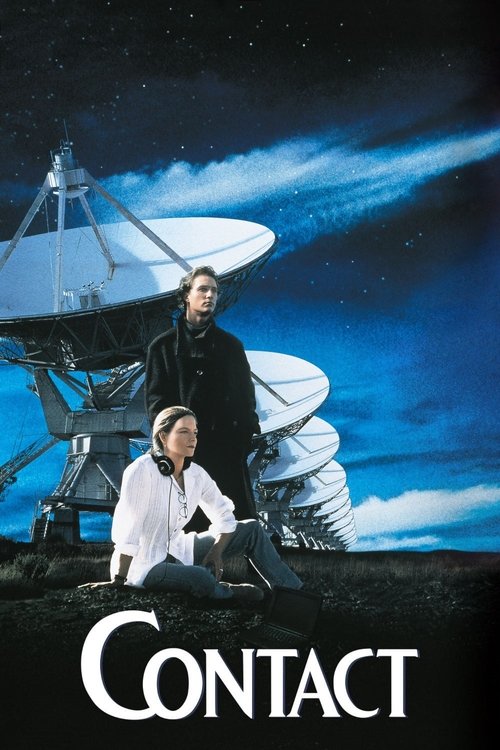
Cityscapes fold in on themselves, à la Escher and Inception; we gush down an umbilicus of light, as in 2001 or Contact; too many hands from nowhere seize the terrified protagonist, as in Repulsion.
The initially snarky, Tony Stark-y Strange becomes a believer when A.O. smacks his “astral form” out of his physical form, sending him barreling through a trippy, interdimensional rabbit hole whose visuals recall Jodie Foster’s space journey in “Contact,” improved with up-to-the-minute technology.
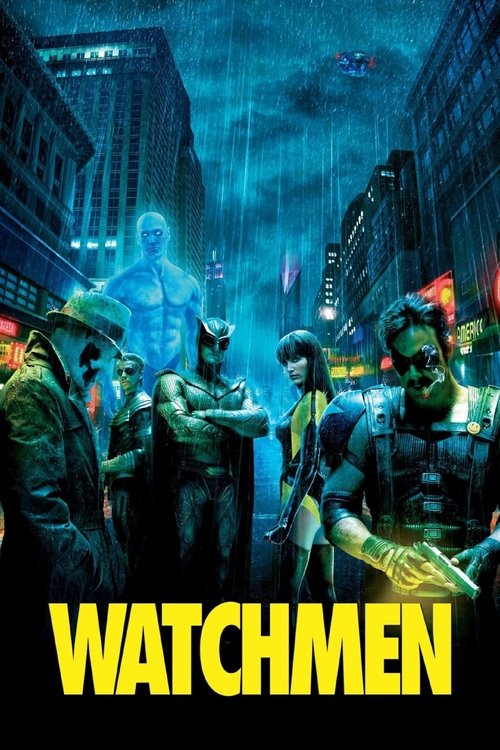
This world of mysticism, wizards and spiritualism throughout Doctor Strange’s career is one of the most original put on page, and much like Lord of the Rings and Watchmen before it, its contents should technically be unfilmable as far as Hollywood is concerned.
It’s a shame, given that Christopher Nolan’s Batman films and Zack Snyder’s Watchmen paved the way for more serious, grown-up comic fare.
Advertisement
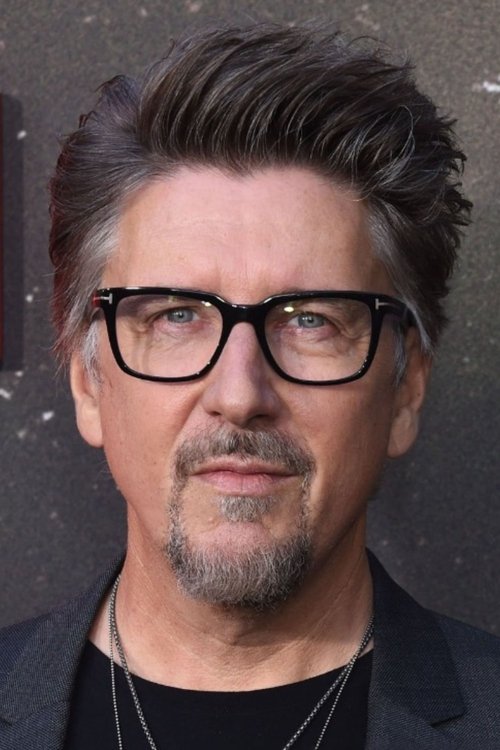

Like “Spider-Man” director Sam Raimi, Derrickson hails from the world of schlock horror, where he made such seat-jumpers as “The Exorcism of Emily Rose” and “Sinister,” and here, he transitions smoothly to a far bigger canvas (so big that Imax audiences will benefit from more than an hour of footage captured on the company’s large-format digital cameras).
Doctor Strange — which director Scott Derrickson wrote with C. Robert Cargill (a team-up that previously resulted in 2012 horror movie Sinister) — is the story of how Stephen Strange goes from brilliant neurosurgeon to brilliant sorcerer caught up in a war over the fate of the world.
Unapologetically folding the likes of “The Matrix” and “Inception” into the fabric of the Marvel Cinematic Universe , “Sinister” director Scott Derrickson reaches into the mirror dimension (whatever the hell that is) and retrieves the year’s most (only?) visually dazzling blockbuster.
Directed with devilish aplomb by Scott Derrickson (Sinister, Deliver Us From Evil), Doctor Strange is an origin story that recounts how an arrogant Manhattan surgeon named Stephen Strange was transformed into a wizened, cloak-wearing hero.
Directed by Scott Derrickson (Sinister) and typed on a word processor in what passes as a screenplay by Jon Spaihts and C. Robert Cargill, Doctor Strange is an awkwardly cliché-riddled mix of hamstrung imagination and bizarro reality.
Just as smart, the film’s director, Scott Derrickson (taking a giant leap from the Blumhouse cheapie-chiller Sinister, not to mention Hellraiser: Inferno) stylistically nods to puzzle-box brainteasers like Dark City, Inception, and The Matrix to conjure a cinematic universe that couldn’t be further removed from the usual Marvel spandexapaloozas.
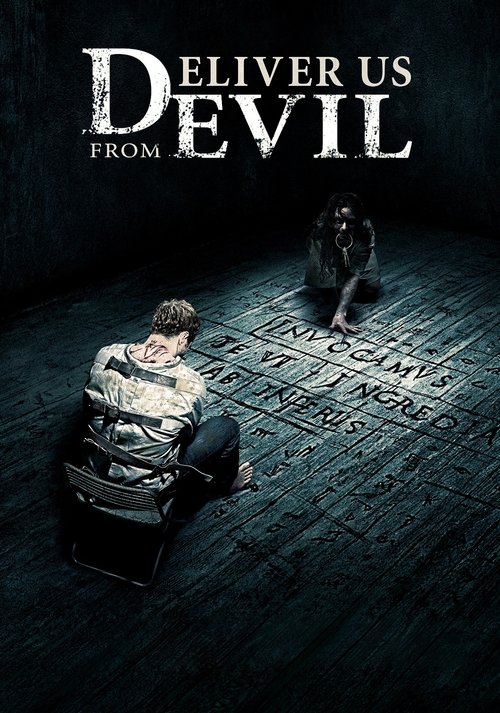
Directed with devilish aplomb by Scott Derrickson (Sinister, Deliver Us From Evil), Doctor Strange is an origin story that recounts how an arrogant Manhattan surgeon named Stephen Strange was transformed into a wizened, cloak-wearing hero.
Director Scott Derrickson (Sinister, Deliver Us From Evil) makes all this skip right along, with not-bad jokes and some credible human feeling, but there's nothing he can do to distract from the errors of conception at the film's heart.
It was also the first theatrical feature in the highly disposable career of director Scott Derrickson, who has since failed his way up to getting named as the director of Marvel's upcoming Doctor Strange .
Scott Derrickson’s recent hiring by Disney’s Marvel Studios to helm their forthcoming “Doctor Strange” movie could still prove a masterstroke, provided that he’s limited to directorial duties.
Just as smart, the film’s director, Scott Derrickson (taking a giant leap from the Blumhouse cheapie-chiller Sinister, not to mention Hellraiser: Inferno) stylistically nods to puzzle-box brainteasers like Dark City, Inception, and The Matrix to conjure a cinematic universe that couldn’t be further removed from the usual Marvel spandexapaloozas.
Like “Spider-Man” director Sam Raimi, Derrickson hails from the world of schlock horror, where he made such seat-jumpers as “The Exorcism of Emily Rose” and “Sinister,” and here, he transitions smoothly to a far bigger canvas (so big that Imax audiences will benefit from more than an hour of footage captured on the company’s large-format digital cameras).
That's no knock on the movie itself, which director Scott Derrickson – the horror guy from Deliver Us from Evil, Sinister and The Exorcism of Emily Rose – has kicked up a notch with a visual dazzle and wit unseen around these parts since The Matrix and Inception.
The movie’s weirdest choice is director Scott Derrickson, who made the bland remake of “The Day the Earth Stood Still” and tepid horror films such as “The Exorcism of Emily Rose” and“Sinister.”
It’s the first spectacular sign that Scott Derrickson, who made Sinister and The Exorcism Of Emily Rose , will be breaking from the look and feel of the average Marvel product, the house style that regularly assimilates even distinctive directorial personalities like Kenneth Branagh and James Gunn.
Director Scott Derrickson (Sinister, The Exorcism of Emily Rose) here graduates from low-budget B-movie horror to big-budget Hollywood B-movie entertainment.
Director Derrickson is best known for medium-budget horror pictures ("The Exorcism of Emily Rose"), but he takes on this material with a surprisingly unassuming hand.
Tapping television folks like Alan Taylor (“ Thor: The Dark World “) and Anthony and Joe Russo (“ Captain America: The Winter Soldier ”) to helm $150 million tentpoles has afforded Marvel Studios president Kevin Feige the appearance of inspiration, if not the real thing.
And that seems to be the governing philosophy behind this second-rate knock-off of everything from The Matrix to Ant-Man.
Like previous expository Marvel films—the first Ant-Man, for example—much of Doctor Strange is devoted to Cumberbatch acquainting himself with his new powers.
As in Ant-Man or the original Iron Man, the Marvel Studios releases it most resembles, Doctor Strange sells its wearily old-hat dude-becomes-hero tale through strong casting, an emphasis on emotion and humor, and the good sense never to let action overwhelm character.
They played it safe with Ant-Man, but if Doctor Strange is any indication, the path ahead of them should be paved with nothing but challenges of cinematic feat.
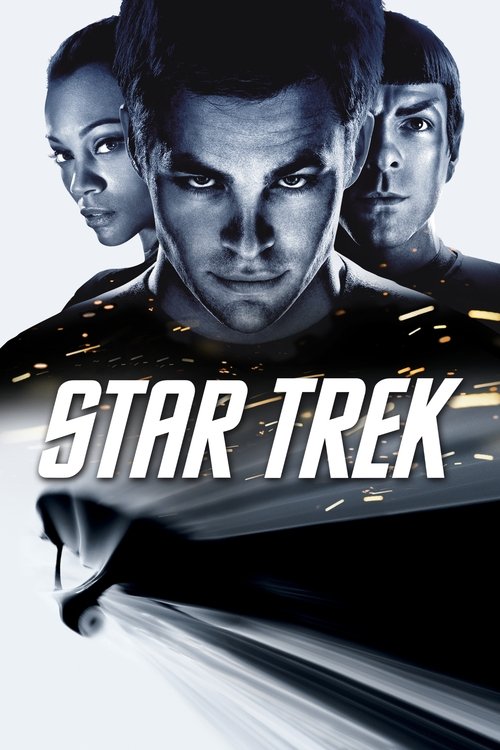
Derrickson and his co-writers do their best to simplify the endless exposition into basic Star Trek terms, and there’s a certain geek-friendly charm to the mythological density, which is true to the spirit of the source material.
Advertisement

The look is a little bit The Matrix, a little bit Inception, a little bit Dark City, and all acid trip.
Just as smart, the film’s director, Scott Derrickson (taking a giant leap from the Blumhouse cheapie-chiller Sinister, not to mention Hellraiser: Inferno) stylistically nods to puzzle-box brainteasers like Dark City, Inception, and The Matrix to conjure a cinematic universe that couldn’t be further removed from the usual Marvel spandexapaloozas.
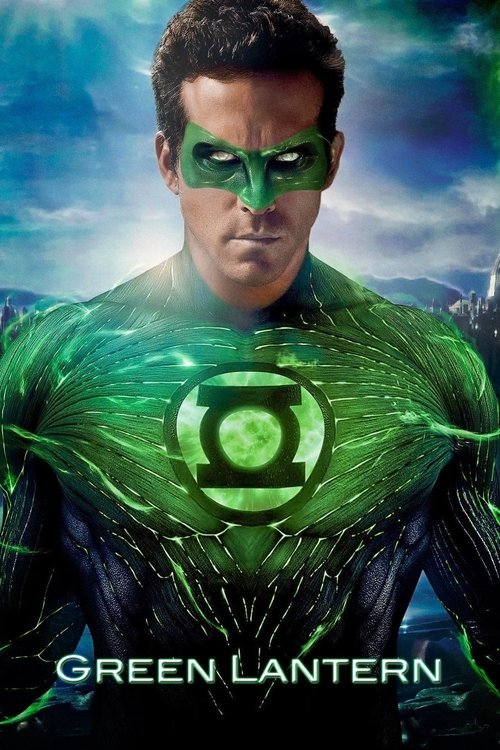
To my mind, though, the closest comparison is Green Lantern—yes, that pre-Snyder DC fiasco that became a throwaway gag in Deadpool .
They’re hastily sprinkled on and most often roll off, from ham-fisted jokes about Wi-fi and Beyoncé to a climax that mashes the gaudy visuals of 2011’s ill-fated “Green Lantern” into a “Groundhog Day”-esque time loop that’s supposed to be laugh-out-loud funny.