
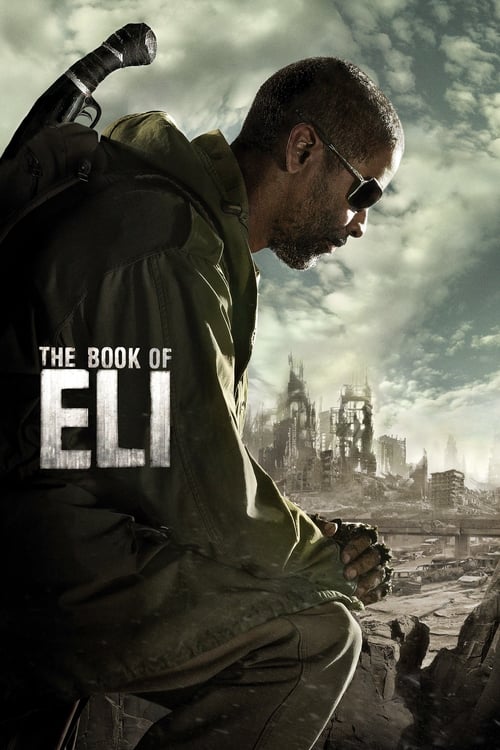
The Book of Eli (2010)
Directed by Allen Hughes
A post-apocalyptic tale, in which a lone man fights his way across America in order to protect a sacred book that holds the secrets to saving humankind.
32 connections found
View:
32 films that influenced The Book of Eli
What critics say influenced The Book of Eli



The duo clearly did their homework while preparing for their comeback project; references to other cinematic apocalypses abound (biker gangs that could have ridden right out of Mad Max; a poster for the 1975 cult favorite A Boy and His Dog displayed in the background of one key scene) and the movie opens with a pre-title sequence that evokes the dark, desolate, ash-strewn world described in Cormac McCarthy's The Road more faithfully than the recent film version of that Pulitzer Prize-winning novel.
The Bigger Picture: Considering that The Book of Eli combines the postapocalyptic milieu of a Mad Max flick with the brutal violence and gospel message of The Passion of the Christ, it's easy to imagine that it might become Mel Gibson 's favorite movie of the year.
If there is anything of even the least note about this film, it is that it's been quite a good long while since I can recall a post-apocalyptic film to invent so very little and to rip off the Mad Max movies quite so happily.
Yes folks we're in Mad Max, Terminator Salvation and even The Postman country as a grizzled, bible toting and quoting Denzel goes on his ‘lone wolf’ (or Littlest Hobo) mission to save humanity, one town at a time.
Eli, a former K-Mart store hand but clearly believing himself a Christian prophet, manages to escape the town alongside Solara but Carnegie and his stooges (led by Ray Stevenson) are hot on his tail across the desert wastes a la Mad Max.
The film’s marketing is deceptive because you’re given the impression this is first and foremost an action movie set in a dystopian future ala “Mad Max,” but instead, the movie gets bogged down in exposition about the significance of the central plot device.

The duo clearly did their homework while preparing for their comeback project; references to other cinematic apocalypses abound (biker gangs that could have ridden right out of Mad Max; a poster for the 1975 cult favorite A Boy and His Dog displayed in the background of one key scene) and the movie opens with a pre-title sequence that evokes the dark, desolate, ash-strewn world described in Cormac McCarthy's The Road more faithfully than the recent film version of that Pulitzer Prize-winning novel.
Wandering the scorched landscape familiar to countless other post-apocalyptic movies—The Road Warrior and A Boy And His Dog especially, though the film owes something to ’70s anti-Westerns, too—Denzel Washington plays a loner heading west with precious cargo.
Though it cribs wholeheartedly from previous end-of-the-world cinematic observations (think of the film as a cross between “The Road,” “The Postman,” and “A Boy and His Dog”), the Hughes Brothers craft a compellingly abrasive tone of moral manipulation to embellish the traditional maneuvers of violence, as Eli defends his secret tomb from would-be thieves and crusty scoundrels.
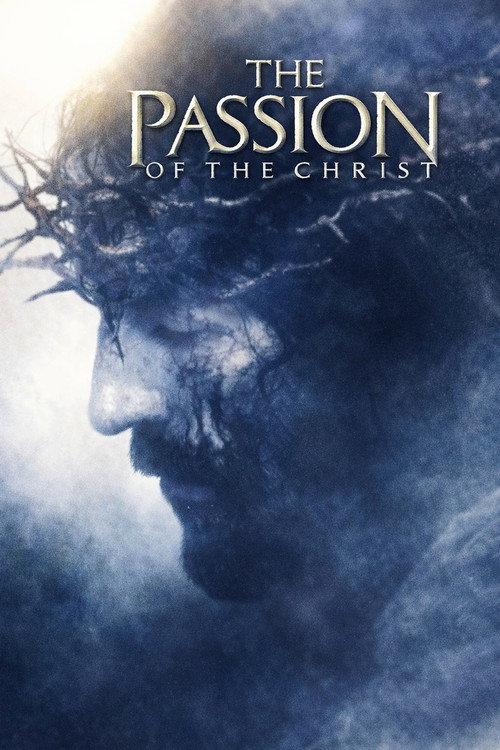
The Bigger Picture: Considering that The Book of Eli combines the postapocalyptic milieu of a Mad Max flick with the brutal violence and gospel message of The Passion of the Christ, it's easy to imagine that it might become Mel Gibson 's favorite movie of the year.
In the wake of The Passion Of The Christ, the expected deluge of big-budget Christian entertainments has never quite materialized, but the logline for the post-apocalyptic thriller The Book Of Eli—about a Biblical warrior who protects the last known copy of the Good Book—suggests a late start.
Naturally, Denzel devotees and action fans should line up early, but with some crafty targeted marketing Eli could also score big with the same Christian crowd that made The Passion Of The Christ into a worldwide phenomenon.
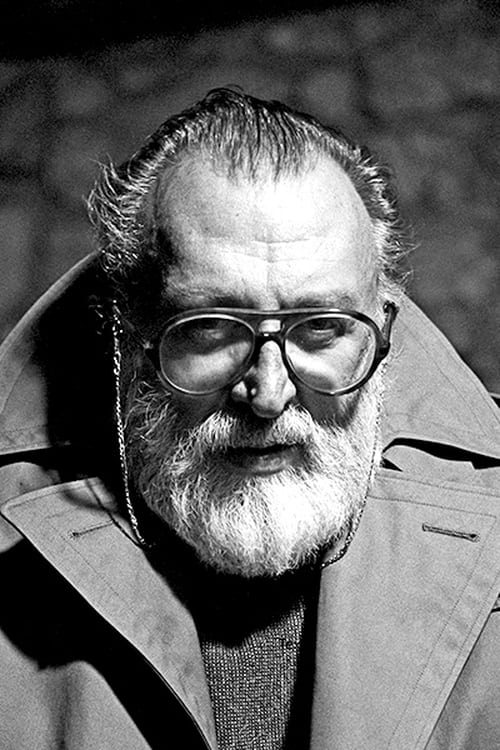
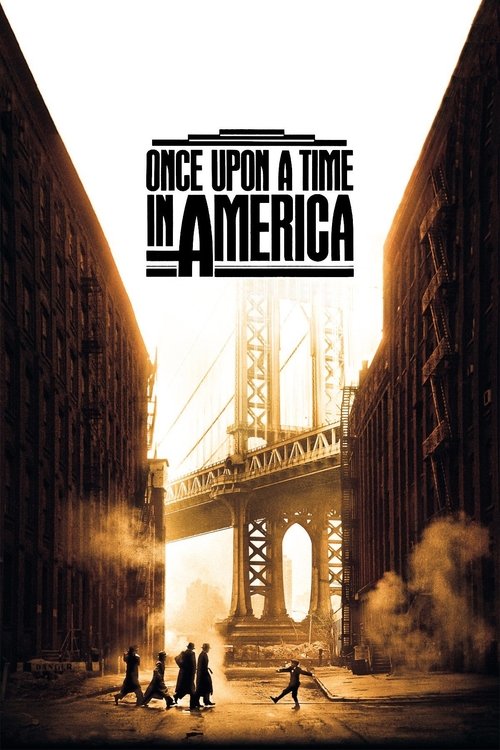
But when Eli hits a small frontier town run by a gangster called Carnegie (Gary Oldman, back in arch villain mode), the resemblance ends and the film evolves into an old-style good versus bad face-off straight out of a Sergio Leone movie (in fact, one of the characters repeatedly whistles Ennio Morricone’s theme to Once Upon A Time In America).
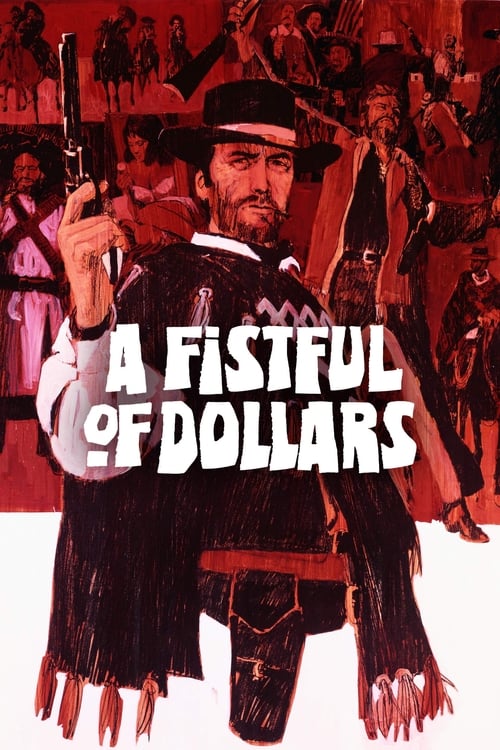
A plagiary-heavy mix of post-apocalyptic films like “Mad Max” and “ The Road ,” and classic Westerns like “A Fistful of Dollars,” “The Book of Eli” wants to be both a hyper-stylized action movie and a dramatic study of the importance of religion in society.
Advertisement
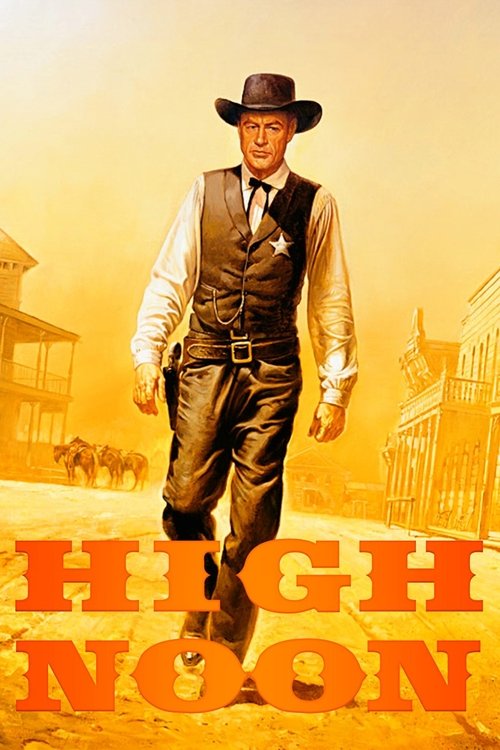
Along the way, Eli comes across a little town pretty reminiscent of those old Western towns in movies like "High Noon" or "Unforgiven."
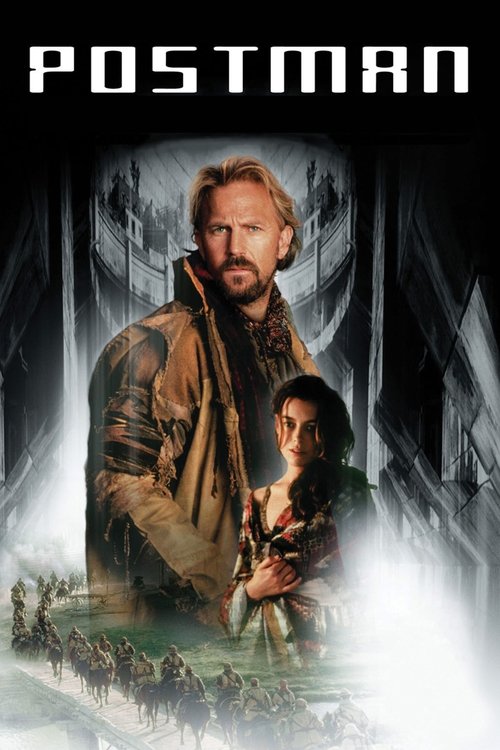
Yes folks we're in Mad Max, Terminator Salvation and even The Postman country as a grizzled, bible toting and quoting Denzel goes on his ‘lone wolf’ (or Littlest Hobo) mission to save humanity, one town at a time.
Unlike other attempts at showcasing how rationality is restored in a society destroyed by chaos (say, The Postman), The Book of Eli never loses sight of its strategy.
Though it cribs wholeheartedly from previous end-of-the-world cinematic observations (think of the film as a cross between “The Road,” “The Postman,” and “A Boy and His Dog”), the Hughes Brothers craft a compellingly abrasive tone of moral manipulation to embellish the traditional maneuvers of violence, as Eli defends his secret tomb from would-be thieves and crusty scoundrels.
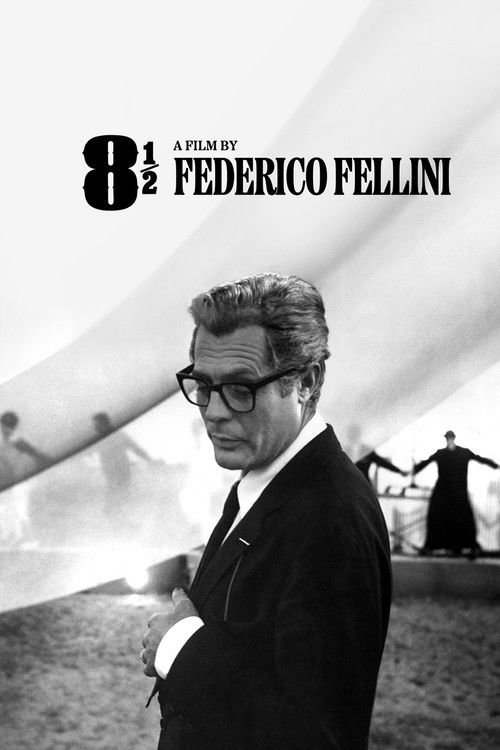
Nine Is No ‘8½’ I never saw the stage musical Nine, but despite some enjoyable musical numbers from the master, director Rob Marshall (Chicago), the screen version of Nine is not likely to extend the life of the not-quite-extinct musical genre.
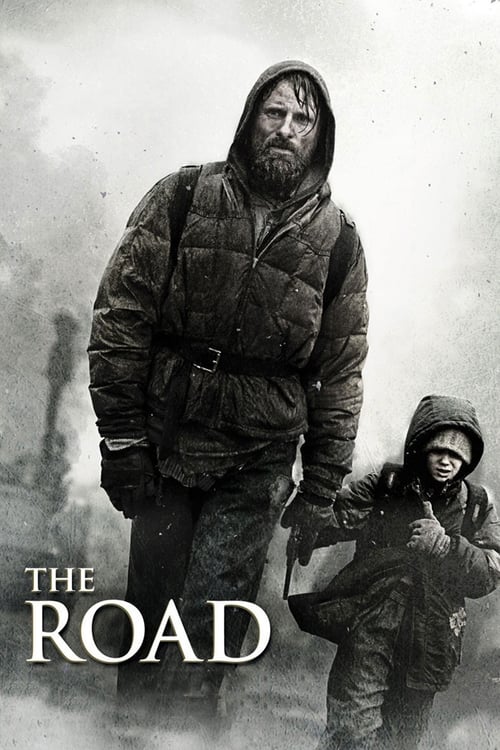
The duo clearly did their homework while preparing for their comeback project; references to other cinematic apocalypses abound (biker gangs that could have ridden right out of Mad Max; a poster for the 1975 cult favorite A Boy and His Dog displayed in the background of one key scene) and the movie opens with a pre-title sequence that evokes the dark, desolate, ash-strewn world described in Cormac McCarthy's The Road more faithfully than the recent film version of that Pulitzer Prize-winning novel.
The Book of Eli might also suffer over its uncanny resemblance to John Hillcoat’s current release The Road in that it follows a man heading westwards across America after an apocalyptic event has devastated the world.
Clearly the biggest hurdle facing the first movie from the Hughes Brothers since their Jack the Ripper thriller “From Hell,” is that it’s coming out so soon after John Hillcoat’s adaptation of Cormac McCarthy’s “The Road.”
Post-apocalyptic America has become a popular place for filmgoers to hang, whether we’re walking “The Road” with Viggo Mortensen or seeking “Salvation” in the latest “Terminator” installment.
Advertisement
Yet the force of this haunting allegory from Albert and Allen Hughes (Menace II Society, From Hell) is its argument that spiritual sustenance may be more critical for survival than the comestible sort.
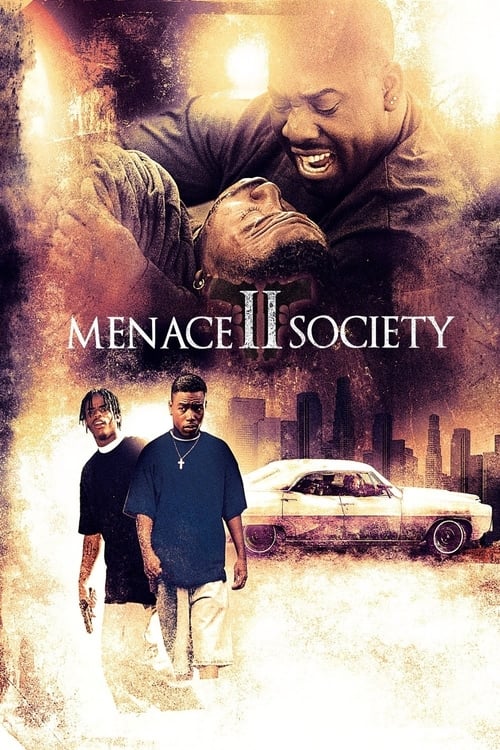
From the opening titles, it’s clear that the Hughes Brothers have matured since their camera-trick heavy years with Menace II Society and Dead Presidents, putting forth a more meditative effort with Book of Eli, which deals with spirituality and cold-blooded survival in a bleak post-apocalyptic world of raw desperation.
The movie also moves along at a fairly decent clip, thanks to its directors, the brothers Albert and Allen Hughes ("Menace II Society," "Dead Presidents," "From Hell").
The codirectors, twin brothers Allen and Albert Hughes , are best known for such blunderbusses as “ Menace II Society ” and the Johnny Depp -starring Jack the Ripper shocker “ From Hell ,” and here they appear to be extending their reach into the realms of kung fu.
…here’s a joke somewhere in the fact that the Hughes brothers’ first film in nine years takes place in a post-apocalyptic wasteland, but while the sibling directors don’t exactly have the best track record in town (their only hit remains their 1993 debut, “Menace II Society”), “The Book of Eli” will still find an audience thanks to the involvement of Denzel Washington .

Oldman brings demented charm to the role (echoes of Dennis Hopper in "Waterworld") as the madman who thrives in a mad, mad world.
Travolta had his "Battlefield Earth," Costner had his "Waterworld" and now Denzel Washington has his truly awful sci-fi epic, "The Book of Eli."
It's more brutal than "Road Warrior" and completely unlike "Waterworld," if you were concerned.