
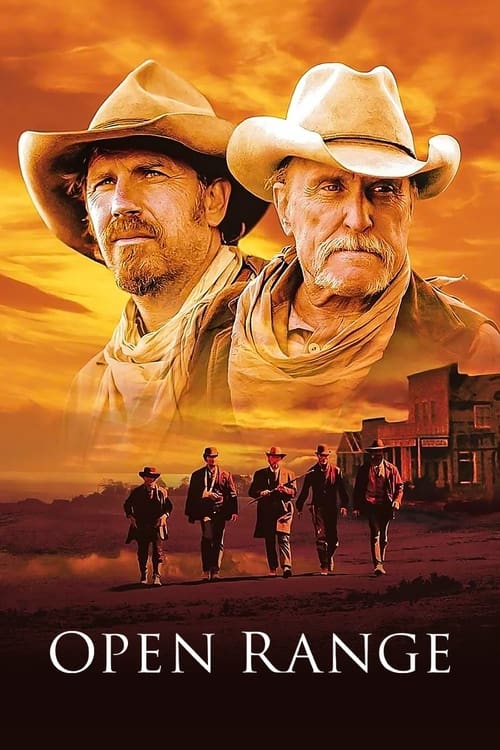
Open Range (2003)
Directed by Kevin Costner
A former gunslinger is forced to take up arms again when he and his cattle crew are threatened by a corrupt lawman.
5 connections found
View:
5 connections, in both directions
What critics compared Open Range to


It’s the kind of raw, revisionist stamp that separated Clint Eastwood’s “Unforgiven” (1992), Kevin Costner’s “Open Range” (2003) and most of Sam Peckinpah’s Western classics from the morally right black-and-white Hollywood studio staples.
Es el tipo de sello revisionista crudo que separó Unforgiven de Clint Eastwood (1992), Open Range de Kevin Costner (2003) y la mayoría de los clásicos occidentales de Sam Peckinpah, de los básicos de los estudios de Hollywood en blanco y negro moralmente correctos.

Nolte impresses with his ferocious vulnerability and Woods delivers his most human performance since The Virgin Suicides , but there is a posture of icy remove to the Polish brothers' film that washes everything in the same bleached palette employed in M. David Mullan's faultless cinematography.
Kevin Costner’s Open Range is flat out eye-popping to look at, and those rolling hills Costner is shooting in front of aren’t nearly as photogenic as the craggy peaks and fast flowing rivers of Brokeback Mountain should be.
“Buster Scruggs” is as rich in detail as any of the better Westerns we’ve seen in recent years, from “Unforgiven” and “Deadwood” to “Open Range” and “The Homesman.”
Advertisement
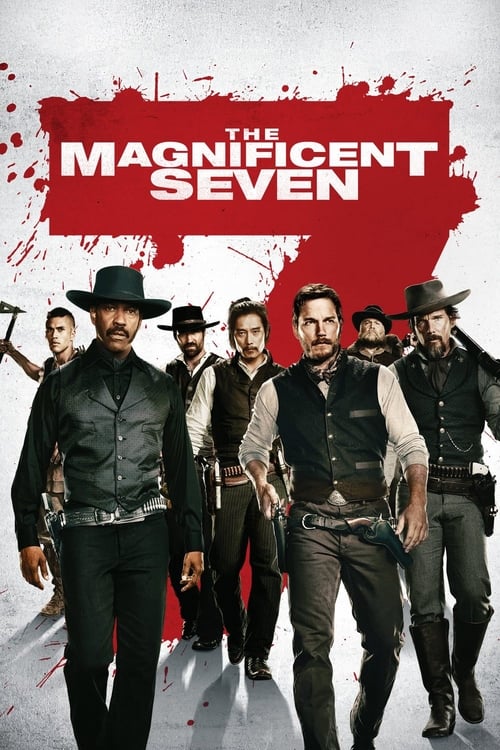
The Magnificent Seven is of course a remake of The Magnificent Seven, itself a remake of Seven Samurai, but it could just as easily be a remake or a reimagining or a reboot of Shane or Tombstone or High Noon or Rio Bravo or Open Range or any number of classic and modern westerns.