
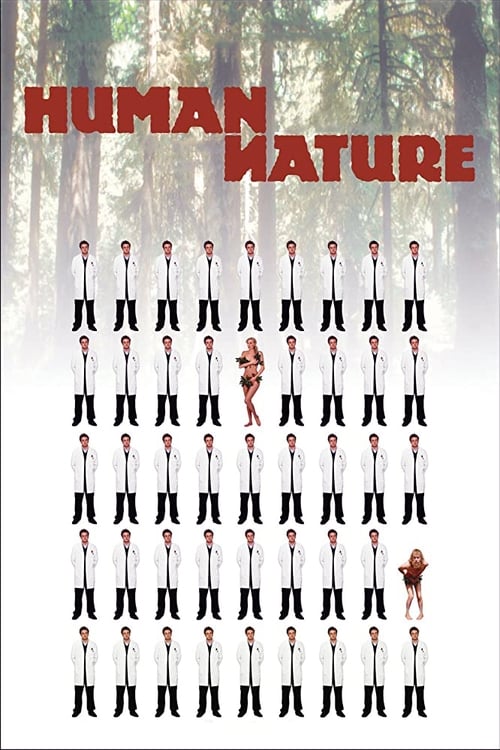
Human Nature (2001)
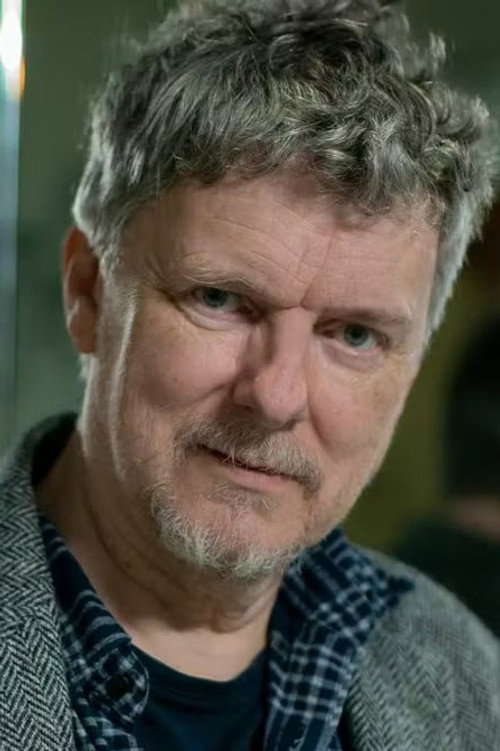
Directed by Michel Gondry
Obsessive scientist Nathan and his lover, the naturalist Lila, discover Puff: a man born and raised in the wild. As Nathan trains the wild man in the civilized ways of the world, Lila fights to preserve the man’s natural state. In the power struggle that ensues, an unusual love triangle emerges.
7 connections found
View:
7 connections, in both directions
What critics compared Human Nature to
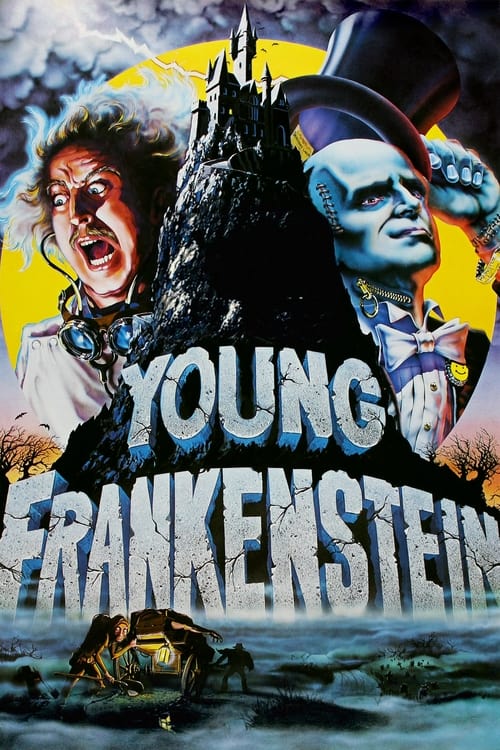


Scenes of Bronfman training Puff how to be a man sound a contemporary echo to Young Frankenstein , while playing hip, raunchy and hilarious.
Nathan's plan, a la "Greystoke: The Legend of Tarzan" (and, more than a little, "Young Frankenstein"), is to take Puff back to the city and civilize him.
It's also an anthology of memories from other films, reminding me intentionally or not of everything from "The Wild Child" and "A Clockwork Orange" to "Young Frankenstein" and, most important, "Mon Oncle d'Amerique," the neglected 1980 masterpiece by Alain Resnais that could have inspired this whole picture.
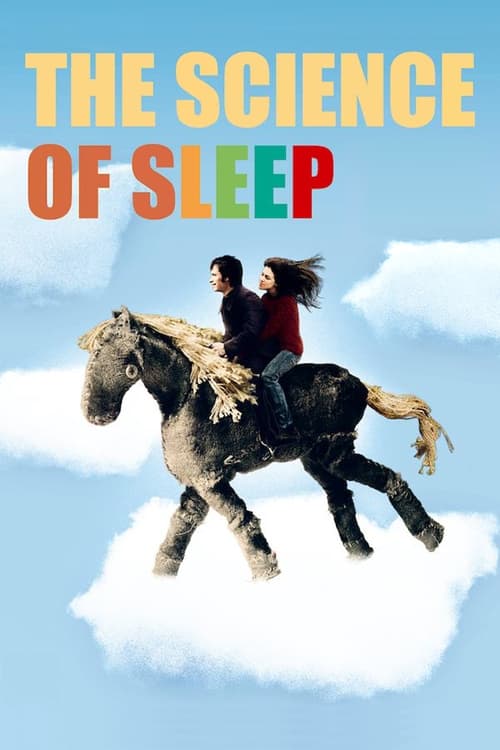
Si le cinéaste français compta sur le toujours génial Charlie Kaufman pour l’écriture de ses deux premiers longs-métrages de fiction, le hasardeux Human Nature et le chef-d’œuvre Eternal Sunshine of the Spotless Mind, Gondry fit cette fois-ci cavalier seul et signa à la fois le scénario et la réalisation de ce projet ambitieux, mais pas impossible.
Those with no patience for the trippy whimsy of Gondry's previous films ("Eternal Sunshine of the Spotless Mind," written by Charlie Kaufman, and "Human Nature") will likely find "Sleep" a frustrating experience; those willing to ride the waves of its strangeness will find many rewards.
Michel Gondry is known for music videos and movies such as "The Eternal Sunshine of the Spotless Mind" and "Human Nature," both scripted by Charlie Kaufman.
The French filmmaker and former director of musical videos, Michel Gondry ("Human Nature''), comes up with a similar themed wacky and tacky fantasy film followup to "Eternal Sunshine of the Spotless Mind'' but for being a low budget work, without star power and without the esoteric writing services of Charles Kaufman, as Gondry goes solo for the first time as a screenwriter.
It's Gondry's third film (after Human Nature and Eternal Sunshine of the Spotless Mind ) and his first without screenwriter Charlie Kaufman.
Writer/director Michel Gondry ("Human Nature") has taken a page from scripter Charlie Kaufman's "Eternal Sunshine of the Spotless Mind" and his own unique visual sense to serve up a lighter, fluffier companion piece.
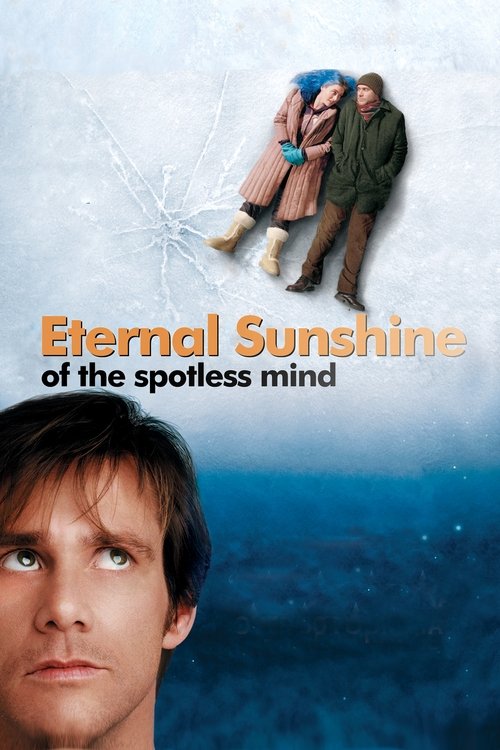
While I just did not like the duo’s previous outing and my first introduction in to their abilities “Human Nature”, I did manage to find a lot to like in films like “Adaptation.,”…
Thankfully, Kaufman and the MTV-trained and French director Michel Gondry (who helmed Kaufman's Human Nature) have easily overcome that obstacle with Eternal Sunshine of the Spotless Mind.
Frenchman Michel Gondry ("Human Nature"), previously known for his music-videos, teams with writer Charlie Kaufman again and this time in his second feature fully gets what Kaufman is after and comes up with a much better film than his disappointing debut.
The film was directed by Michel Gondry, who also directed Kaufman's least-successful script, "Human Nature," and he clearly doesn't have a great gift for bringing this kind of bizarro material to life.
But as with Kaufman's earlier scripts (Human Nature, Being John Malkovich, Adaptation), things soon turn complicated.
Kaufman’s trick is to take psychological states and give them literal form: projection in Being John Malkovich , animal impulses in Human Nature (with its furry Patricia Arquette ), schizophrenic and/or coke-induced delusions in Confessions of a Dangerous Mind, the divided self in Adaptation.
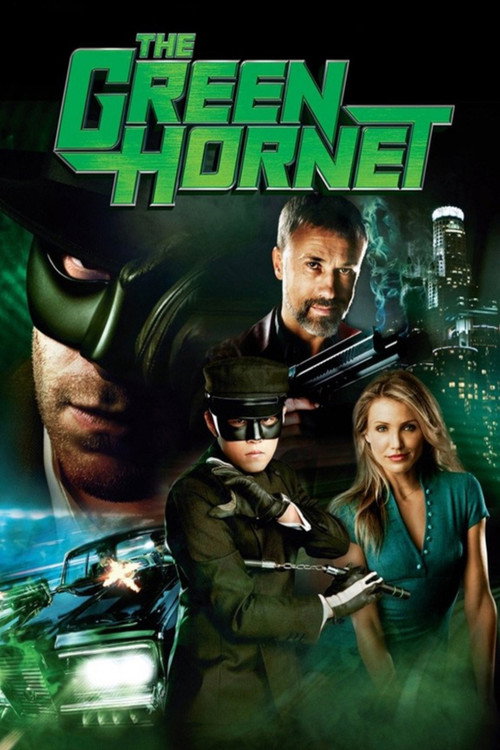
Oddball auteur Michel Gondry has directed scramblers (Human Nature), flops (Be Kind Rewind), modern classics (Eternal Sunshine of the Spotless Mind) and even comedy shows (Dave Chapelle’s Block Party).
(Suggesting that Gondry may be at his best when paired with the screenwriter Charlie Kaufman, who also scripted his nuttily endearing debut feature Human Nature .)
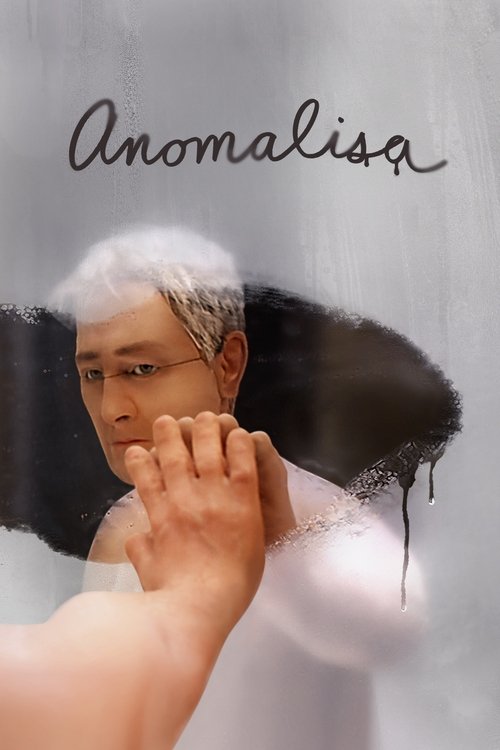
Before delving into Anomalisa (a created word used by the main character), realize that Kaufman has written only a smattering of theatrical motion pictures: Being John Malkovich; Synecdoche, New York; Eternal Sunshine of the Spotless Mind; Confessions of a Dangerous Mind; Human Nature; and this new one.
When he doesn’t tie those two elements together, we get “Human Nature,” “Synecdoche, New York” and the current “Anomalisa,” his first film rendered in stop-motion animation.
Many critics loved Kaufman’s 2008 directorial debut Synecdoche, New York, but I could never get past the film’s pushy message-mongering and lead-footed visual sense, and felt that he deeply missed the cinematic panache of directors like Spike Jonze (Being John Malkovich and Adaptation) and Michel Gondry (Human Nature and Eternal Sunshine of the Spotless Mind).
But, he’s also hit a few critical bumps along the way, including an earlier collaboration with Gondry, Human Nature (2002), and his directorial debut, Synecdoche, New York (2008), which divided some critics as to whether it was a masterwork or a mess.
Si bien su obra se fundamenta, a la fecha, principalmente en su trabajo como guionista de sendos clásicos como ¿Quieres ser John Malkovich?, El Ladrón de Orquídeas (ambas dirigidas por Spike Jonze) o Human Nature y Eterno Resplandor de una Mente sin Recuerdos (estas dos dirigidas por Michel Gondry), así como las series de tv The Dana Carvey Show o Ned and Stacey, también es cierto que Anomalisa no es su debut como director en la pantalla grande.
Formidable filmmakers have adapted his scripts, including Spike Jonze ("Malkovich" and " Adaptation ") and Michel Gondry (" Eternal Sunshine of the Spotless Mind " and " Human Nature "), but however assured the results, they were still unmistakably Charlie Kaufman movies, speaking their own alternately down-to-earth and elevated language.
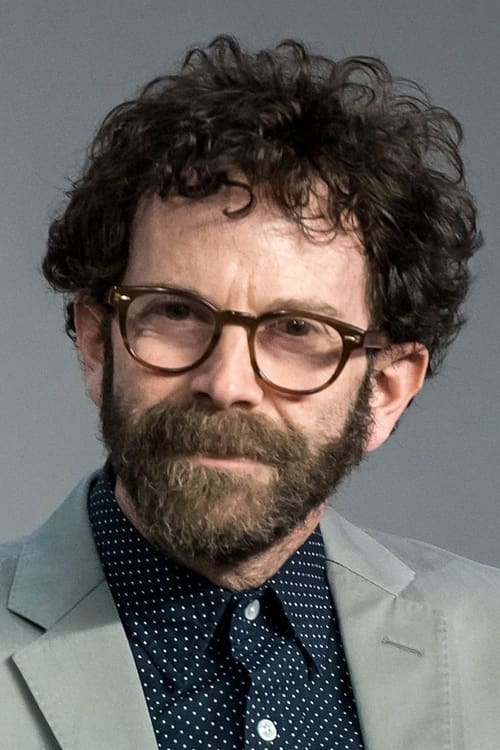
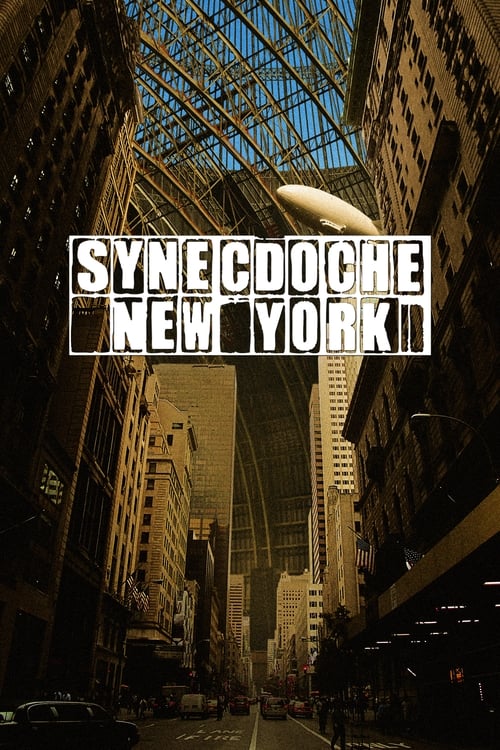
This is the first film Mr. Kaufman has directed as well as written after he achieved a certain cachet and an Oscar for supplying quirky screenplays for Spike Jonze’s Being John Malkovich (1999), Michel Gondry’s Human Nature (2001), Mr. Jonze’s Adaptation (2002), George Clooney’s Confessions of a Dangerous Mind (2002) and Mr. Gondry’s Eternal Sunshine of the Spotless Mind (2004).
As with many of Kaufman’s more confounding works - Human Nature, Being John Malkovich - there is a distinct feeling of being tossed into the middle of a performance without a playbill, a cast list, or a clue about the previous backstory or context.
Synecdoche (the title is a pun on the place name Schenectady and the rhetorical device ) is the first movie directed by screenwriter Charlie Kaufman, who wrote four films—Human Nature, Being John Malkovich, Adaptation, and Eternal Sunshine of the Spotless Mind—that have established him as the Kafka of Hollywood.
It’s a testament to the genius of the Academy Award-winning writer that Adaptation and Being John Malkovich are not known as “Spike Jonze films,” that Eternal Sunshine of the Spotless Mind and Human Nature are not known—if the latter is known at all—as “Michel Gondry films.”
It’s not a bad thing for Kaufman to photograph his neuroses, after all, he’s been banging the same drum for a decade now, using strained passes at alt-film whimsy (“Eternal Sunshine of the Spotless Mind,” “Being John Malkovich,” “Human Nature”) to speak about the extravagance of unsettled emotions.
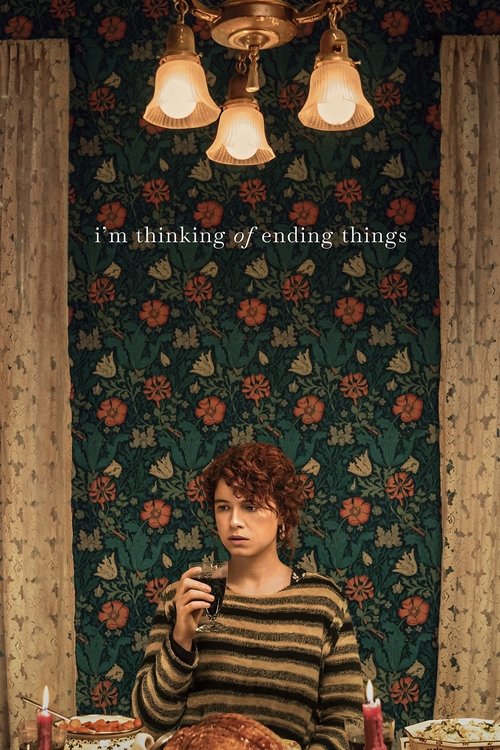
Pienso en el final es lo nuevo surgido de la mente de Charlie Kaufman (ganador del Oscar por el guión de Eterno resplandor de una mente sin recuerdo), que a partir de ese éxito decidió no escribir para otros (también fue libretista de ¿Quieres ser John Malkovich?, Human Nature, El ladrón de orquídeas, y hasta de George Clooney, para Confesiones de una mente peligrosa).