
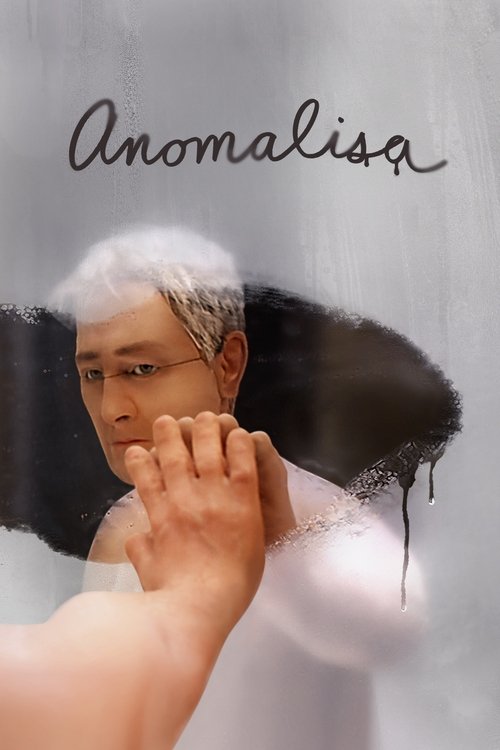
Anomalisa (2015)
Directed by Duke Johnson
An inspirational speaker becomes reinvigorated after meeting a lively woman who shakes up his mundane existence.
23 connections found
View:
23 films that influenced Anomalisa
What critics say influenced Anomalisa
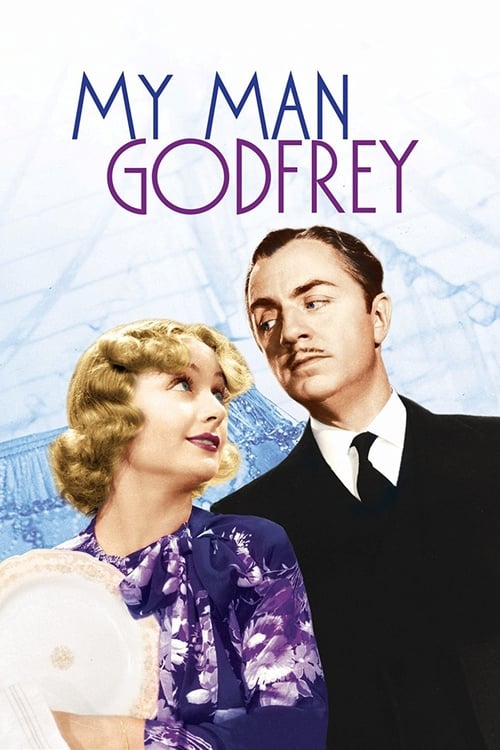


At one point, a TV is switched on, and the movie that’s showing—“My Man Godfrey,” the great screwball comedy about poverty and wealth, from 1936—is now staffed by the same creatures who populate the rest of “Anomalisa.”
After one last encounter with this love of his life, he returns to his room to view a moment of movie ecstasy on television—the finale of My Man Godfrey (1936) with a gaga Carole Lombard, dancing in happiness.
The production design is exquisite, and there are several delightful details, such as the puppet version of black and white classic My Man Godfrey playing on the hotel TV.
Michael is in Cincinnati for one day on business, and his depression is ingeniously illustrated by the fact that all the other characters save one have the exact same voice (Tom Noonan’s) and face, including Michael’s wife, his unstable ex-girlfriend, his young son, the airline pilot, an oblivious cabdriver, and even the actors in the 1936 movie My Man Godfrey, which plays on a TV in his hotel room.
Lo más interesante es ver cómo situaciones abiertamente deprimentes tienen siempre aquí un contrapunto humorístico, y cómo para enfatizarlo, o sugerirlo maliciosamente, la pantalla de televisión en el hotel muestra una escena de la comedia delirante Porfiada Irene (My Man Godfrey, La Cava, 1936), pero en lugar de Powell o Lombard, intervienen clones de las fantásticas criaturas de Charlie Kaufman.
And Michael's tired routines — phone home, dial room service, practice his speech, go down the hall for ice, watch a snippet of My Man Godfrey (also animated) on TV — begin to take on a strange profundity in their bleak ordinariness.
Heck, it contains the first puppet sex scene since “Team America: World Police.”
And not that comic, jangly, gratuitous puppet sex from "Team America: World Police."
That is, not unless you want to expose them to some heavy, grown-up ideas, including a memorable and moving portrait of depression and isolation, as well as one of the more graphic scenes of puppet sex you're likely to have seen this side of "Team America: World Police."
In 2004, in what was no doubt a first, the Motion Picture Association of America awarded an R rating to the "South Park" team's infamous "Team America: World Police" for "graphic crude and sexual humor, violent images and strong language — all involving puppets."
The overall effect is something like “The Polar Express” meets “Team America: World Police.”
There's a sex scene here that is nothing like the puppet sex scene in "Team America: World Police," for the record.

Perhaps his spin on “Up in the Air” or “Lost in Translation” or, given Michael’s paranoia that society is conspiring to tear apart this presumably true love, “The Adjustment Bureau.”
(Few other movies, besides "Lost in Translation,” perhaps, have been this good at depicting the steady-state vacuity of the generic hotel experience.)
These opening moments of the film — which Kaufman directed with Duke Johnson — are weird, mesmerizing and very funny, recalling “Lost in Translation” in their precise evocation of the rituals, creeping annoyances and numbing dislocation of travel.
Al igual que con Lost In Translation (Sofia Coppola, 2003) y Barton Fink (Joel e Ethan Coen, 1991) un hotel (con su atractivo minibar, su reducido elevador, su frustrante llave electrónica y un sinfín de tranquilizadoras variaciones de marrones y beiges que decoran habitaciones y pasillos), se convierte en una especie de limbo, en un espacio de transición donde los misterios de la vida se desentrañan, justo cuando él conoce a Lisa (voz de Jennifer Jason Leigh) una joven insegura y tímida, cuya voz le resulta una anomalía que lo hace sentirse vivo y entusiasmado.
It's a tragic stop-motion animated tale with resemblances to Lost In Translation .
For an hour things tick along like a particularly deflating episode of British sitcom I’m Alan Partridge or Lost In Translation leeched of all hope.

The strange, pedantic tenor of “Anomalisa” works to its credit, becoming hypnotic and intoxicating in the same fashion as Richard Linklater’s slacker redux, “Waking Life.”
Co-directed and written by Charlie Kaufman, “Anomalisa” is animated in a hyper-realistic, oddly off, stop-motion style that produces an uncanny effect similar to that in Richard Linklater’s rotoscoped “Waking Life” (2001).
Advertisement

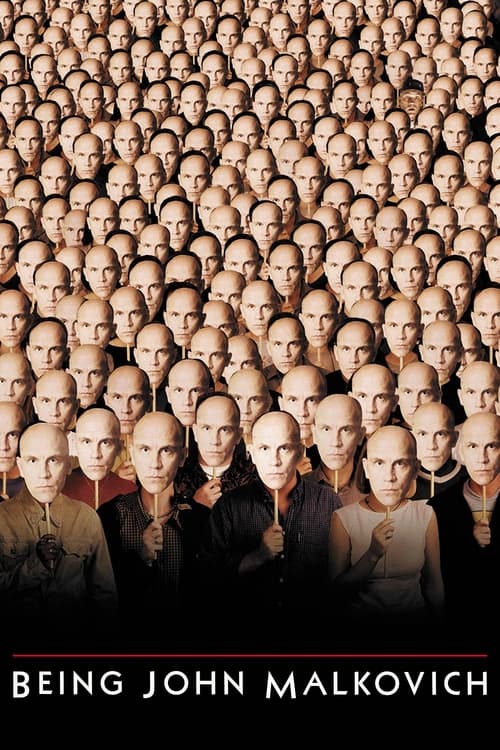
Kaufman is best known for his work with director Spike Jonze on films like “Adaptation” and “Being John Malkovich,” as well as his collaboration with Michel Gondry on the amazing “Eternal Sunshine of the Spotless Mind.”
As recounted by the “Being John Malkovich” writer in a post-screening Q&A at the 2015 Toronto International Film Festival, he and co-director Duke Johnson went against decades of voice acting tradition, staying true to the picture’s roots as a sound play.
“Anomalisa” is another fantasia from the perfervid imagination of Charlie Kaufman, the screenwriter of “Being John Malkovich," “Adaptation," and “Eternal Sunshine of the Spotless Mind.”
That’s exactly the kind of morose, surreal premise you’d expect in a film written by Charlie Kaufman, whose credits include “Being John Malkovich,” “Adaptation” and the relatively upbeat “Eternal Sunshine of the Spotless Mind.”
Kaufman, who has a tendency to ramble off in too many directions at once (as in “Being John Malkovich,” for instance), has never before managed so elegantly to contain and structure the products of his fertile imagination.
Before delving into Anomalisa (a created word used by the main character), realize that Kaufman has written only a smattering of theatrical motion pictures: Being John Malkovich; Synecdoche, New York; Eternal Sunshine of the Spotless Mind; Confessions of a Dangerous Mind; Human Nature; and this new one.
And like Scarlett Johansson's remarkable voice work in Her, Anomalisa provides Thewlis and Leigh with two of the very best roles of their careers.
Yet, ironically, every person in his world seems exactly the same and – in one of the most brilliant cinematic uses of sound ever – has the same voice, Tom Noonan (Manhunter, Last Action Hero).
(You might remember his heart-stopping turn as Francis Dollarhyde in “Manhunter,” his extremely tense film “What Happened Was…” and his part as the priest on “Louie.”)
Kaufman acierta al elegir a Tom Noonan como el intérprete de estos personajes: un actor, magnífico en papeles perversos (The House of the Devil, Manhunter), con una voz apenas masculina, inquietante pese a su tibieza.
David Thewlis and Jennifer Jason Leigh (both excellent) play Michael and Lisa, while Tom Noonan (best known for 1986’s “Manhunter”) is credited as Everyone Else.
(The 1981 Steve Martin musical Pennies From Heaven shares the top spot, and they're more alike than they sound.)
The Hotel setting carries some interesting connotations, not unlike those in Barton Fink’s creative purgatory or the comatose dream sequence in season six of The Sopranos.
Al igual que con Lost In Translation (Sofia Coppola, 2003) y Barton Fink (Joel e Ethan Coen, 1991) un hotel (con su atractivo minibar, su reducido elevador, su frustrante llave electrónica y un sinfín de tranquilizadoras variaciones de marrones y beiges que decoran habitaciones y pasillos), se convierte en una especie de limbo, en un espacio de transición donde los misterios de la vida se desentrañan, justo cuando él conoce a Lisa (voz de Jennifer Jason Leigh) una joven insegura y tímida, cuya voz le resulta una anomalía que lo hace sentirse vivo y entusiasmado.
Advertisement

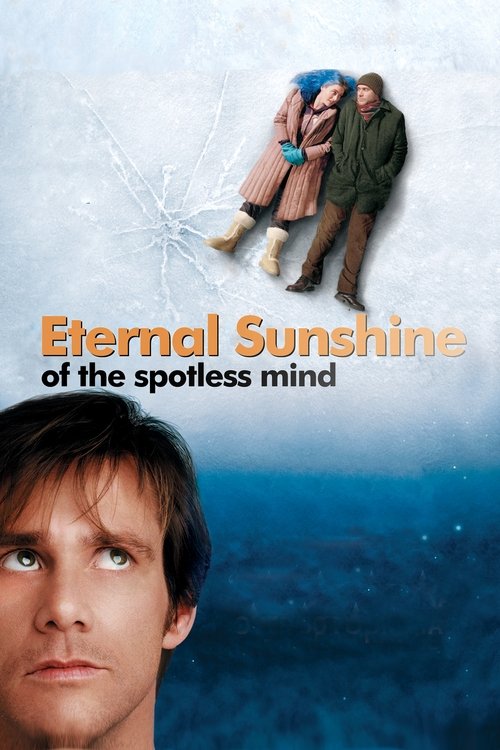
Kaufman is best known for his work with director Spike Jonze on films like “Adaptation” and “Being John Malkovich,” as well as his collaboration with Michel Gondry on the amazing “Eternal Sunshine of the Spotless Mind.”
“Anomalisa” is another fantasia from the perfervid imagination of Charlie Kaufman, the screenwriter of “Being John Malkovich," “Adaptation," and “Eternal Sunshine of the Spotless Mind.”
That’s exactly the kind of morose, surreal premise you’d expect in a film written by Charlie Kaufman, whose credits include “Being John Malkovich,” “Adaptation” and the relatively upbeat “Eternal Sunshine of the Spotless Mind.”
It’s stop-motion animation, written by “Eternal Sunshine of the Spotless Mind” scribe Charlie Kaufman and co-directed by Kaufman and Duke Johnson, in which the puppet characters seem achingly human.
Before delving into Anomalisa (a created word used by the main character), realize that Kaufman has written only a smattering of theatrical motion pictures: Being John Malkovich; Synecdoche, New York; Eternal Sunshine of the Spotless Mind; Confessions of a Dangerous Mind; Human Nature; and this new one.
Kaufman has wrestled with these questions in all of his movies, from his scripts for "Being John Malkovich," "Eternal Sunshine of the Spotless Mind" and "Adaptation" to "Synecdoche, New York," the only other film he has both written and directed.
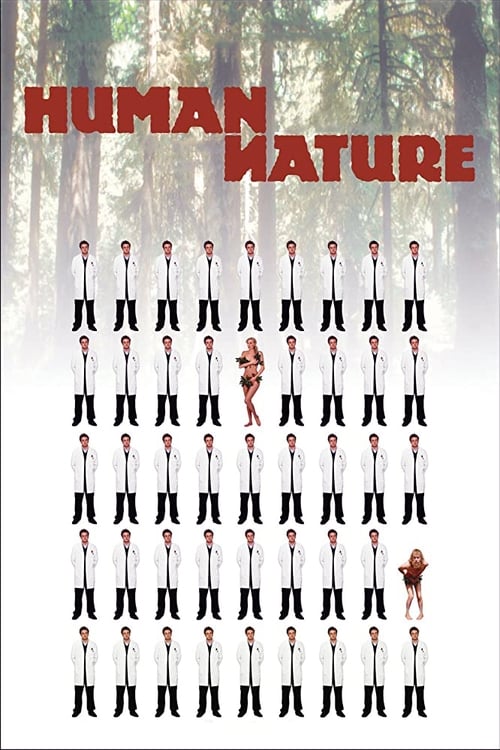
Before delving into Anomalisa (a created word used by the main character), realize that Kaufman has written only a smattering of theatrical motion pictures: Being John Malkovich; Synecdoche, New York; Eternal Sunshine of the Spotless Mind; Confessions of a Dangerous Mind; Human Nature; and this new one.
When he doesn’t tie those two elements together, we get “Human Nature,” “Synecdoche, New York” and the current “Anomalisa,” his first film rendered in stop-motion animation.
Many critics loved Kaufman’s 2008 directorial debut Synecdoche, New York, but I could never get past the film’s pushy message-mongering and lead-footed visual sense, and felt that he deeply missed the cinematic panache of directors like Spike Jonze (Being John Malkovich and Adaptation) and Michel Gondry (Human Nature and Eternal Sunshine of the Spotless Mind).
But, he’s also hit a few critical bumps along the way, including an earlier collaboration with Gondry, Human Nature (2002), and his directorial debut, Synecdoche, New York (2008), which divided some critics as to whether it was a masterwork or a mess.
Si bien su obra se fundamenta, a la fecha, principalmente en su trabajo como guionista de sendos clásicos como ¿Quieres ser John Malkovich?, El Ladrón de Orquídeas (ambas dirigidas por Spike Jonze) o Human Nature y Eterno Resplandor de una Mente sin Recuerdos (estas dos dirigidas por Michel Gondry), así como las series de tv The Dana Carvey Show o Ned and Stacey, también es cierto que Anomalisa no es su debut como director en la pantalla grande.
Formidable filmmakers have adapted his scripts, including Spike Jonze ("Malkovich" and " Adaptation ") and Michel Gondry (" Eternal Sunshine of the Spotless Mind " and " Human Nature "), but however assured the results, they were still unmistakably Charlie Kaufman movies, speaking their own alternately down-to-earth and elevated language.
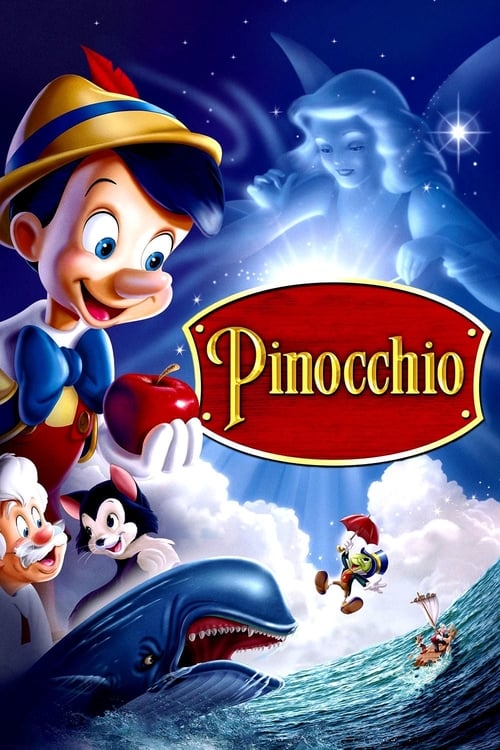
The 20th century had Disney's Pinocchio (1940).