
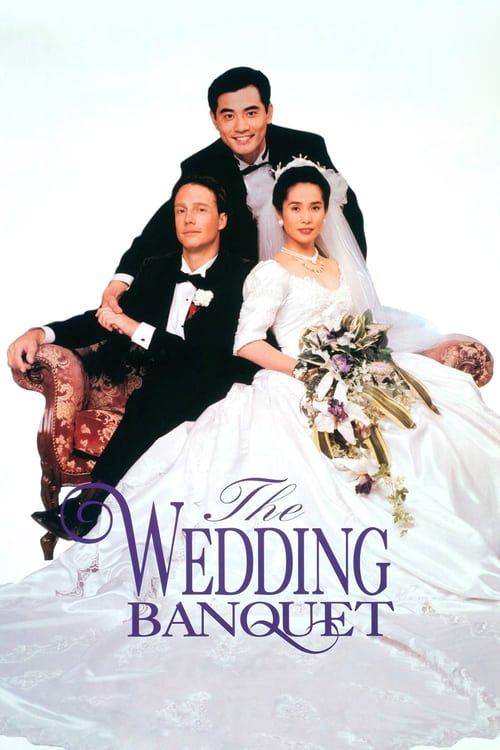
The Wedding Banquet (1993)
Directed by Ang Lee
A Taiwanese-American man is happily settled in New York with his American boyfriend. He plans a marriage of convenience to a Chinese woman in order to keep his parents off his back and to get the woman a green card. Chaos follows when his parents arrive in New York for the wedding.
5 connections found
View:
5 connections, in both directions
What critics compared The Wedding Banquet to
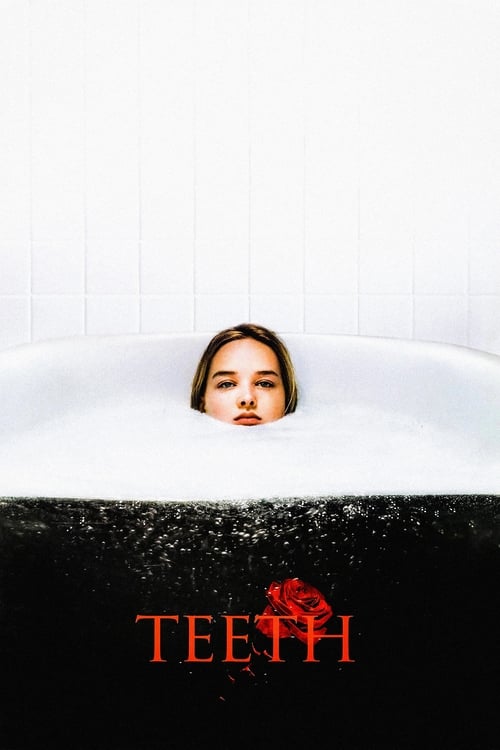


Bonus: Lichtenstein got his start as an actor, with roles in films by Ang Lee (“The Wedding Banquet”) and Robert Altman (“Streamers”) and even an episode of “Cheers.”
It’s Lichtenstein’s first feature, but he’s no stranger to the film world, having played the gay love interest Simon in Ang Lee’s charming 1993 romantic comedy The Wedding Banquet, as well as gay soldier Richie in the 1983 drama Streamers.
He acted for a while too, starring in Ang Lee's The Wedding Banquet.
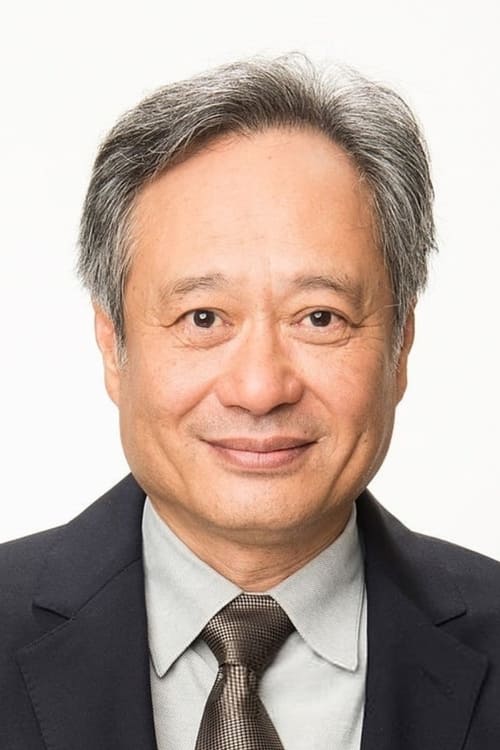

They're an odd match: the comic book scribe extraordinaire (creator of "The Hulk," "Spider-Man," "X-Men," "Daredevil" and many others) and the director of a string of finely-crafted but diverse films (from "The Wedding Banquet" and "Sense and Sensibility" to "Ride With the Devil" and "Crouching Tiger, Hidden Dragon").
His early family-oriented Taiwan films like "The Wedding Banquet" and "Eat Drink Man Woman" were followed by his adaptation of Jane Austen's "Sense and Sensibility," family angst in "The Ice Storm," Civil War drama in "Ride with the Devil," martial arts/fantasy in"Crouching Tiger, Hidden Dragon" and, now, he enters the stratified realm of the comic book super hero with Stan Lee's "The Incredible Hulk."
"What does the director of Crouching Tiger, Hidden Dragon and The Wedding Banquet know about comic books?"
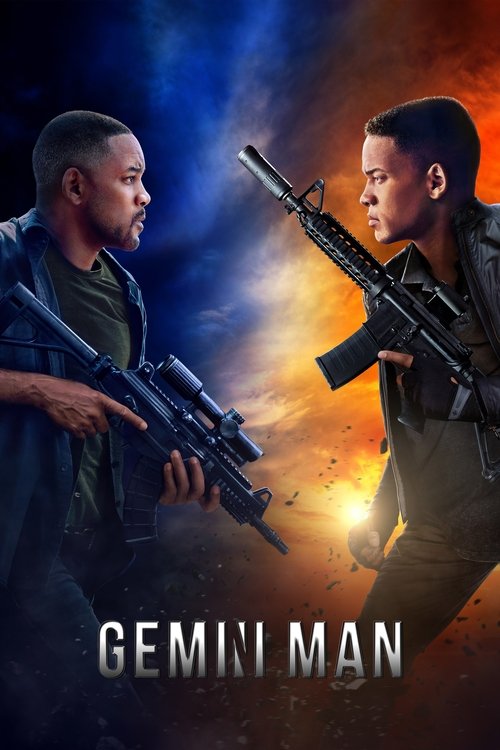
Lee is a proven maker of wonders with such gems as The Wedding Banquet, Brokeback Mountain and Crouching Tiger, Hidden Dragon, but here his embrace of new cool cinematic stuff (as with Billy Lynn's Long Halftime Walk and Life of Pi) turns this thriller into a one-punch fighter.
Perhaps the Gemini project could be used to send the Ang Lee who made “ The Wedding Banquet ” to visit the Ang Lee who made this.
Perhaps it’s time for Ang Lee to return to more personal, intimate stories like The Wedding Banquet or a rich and layered canvas like he found in Life of Pi or the stunning balletic action of Crouching Tiger Hidden Dragon .
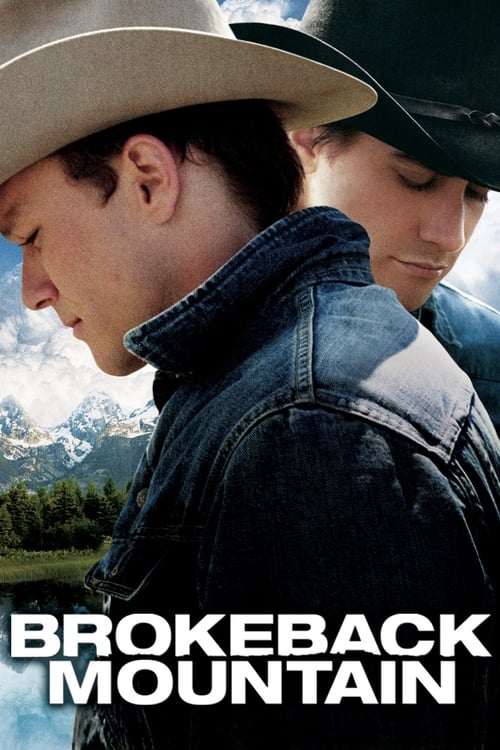
Brokeback Mountain is the ideal project for Ang Lee, a director who has probed the sore spots of repressed people throughout his career: the gay-themed The Wedding Banquet (1993), Eat Drink Man Woman (1994), Sense and Sensibility (1995), The Ice Storm (1997), Crouching Tiger, Hidden Dragon (2000), even Hulk (2003).
Director Ang Lee ("Crouching Tiger, Hidden Dragon," "Hulk") once again impresses with his seeming command of such disparate material as his early trilogy exploring the relationships between fathers and their children ("Pushing Hands," "The Wedding Banquet," which also featured a gay protagonist albeit in a romantic comedy, and "Eat Drink Man Woman"), Jane Austen ("Sense and Sensibility"), American suburban angst in the 70s ("The Ice Storm"), Chinese martial arts and comic book super heroes.
Whether it was 1993's "The Wedding Banquet," in which a gay New Yorker fakes a marriage to cover up his homosexuality; "The Ice Storm," in which a wealthy Connecticut family slowly implodes; or "Crouching Tiger, Hidden Dragon," in which a kung fu master approaches retirement while quietly contemplating revenge - Ang Lee frames his films around his characters first and foremost.
But director Ang Lee -- who knows his way around gay love ("The Wedding Banquet"), confining social strictures and rituals ("Eat, Drink, Man, Woman," "Sense and Sensibility") and the wages of repression ("The Hulk") -- treats the source material with such deference that it's as if the entire movie were made in New Yorker typescript.
Director Lee, making a comeback from his "Hulk" fiasco and returning to his first gay-themed story since "The Wedding Banquet," gives the script all the skill, sensitivity and shrewd originality that made him the art-house phenomenon of the '90s.
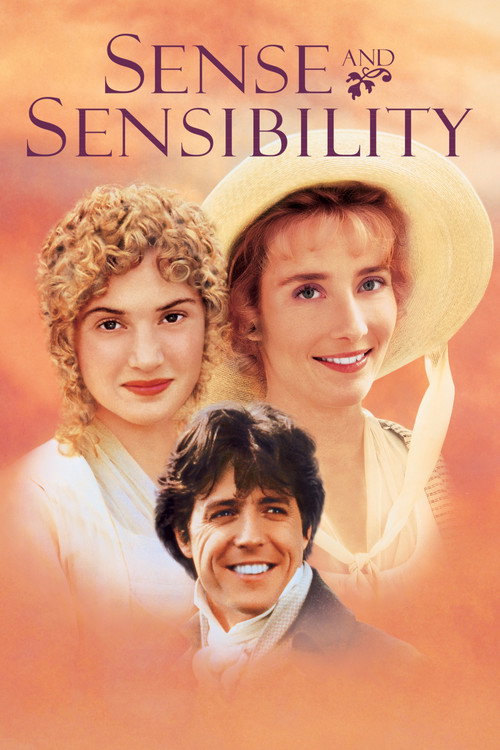
Lee's American hits The Wedding Banquet and Eat Drink Man Woman dealt with love complicated by familial disapproval, repressed emotion and clashes of priorities, exactly the stuff of which Sense and Sensibility is made.
"Sense and Sensibility" has been directed by Ang Lee ("The Wedding Banquet," "Eat Drink Man Woman"), who is from Taiwan, and whose choice for this assignment has been questioned.
It is both her first script and the first non-Chinese project for Taiwanese director Ang Lee, whose films "Pushing Hands," "The Wedding Banquet" and "Eat Drink Man Woman," like Austen's novels, expose the comic nuances of love and family life.
Director Ang Lee (Eat Drink Man Woman, The Wedding Banquet) is a fine storyteller, but he falls back on a few too many mannered compositions.
Like the two that came before it, "Sense and Sensibility," directed by Ang Lee ("The Wedding Banquet," "Eat Drink Man Woman") and starring Emma Thompson, who also wrote the script, is proof to any doubters of the resilience and continuing emotional power of an author who began writing 200 years ago.