
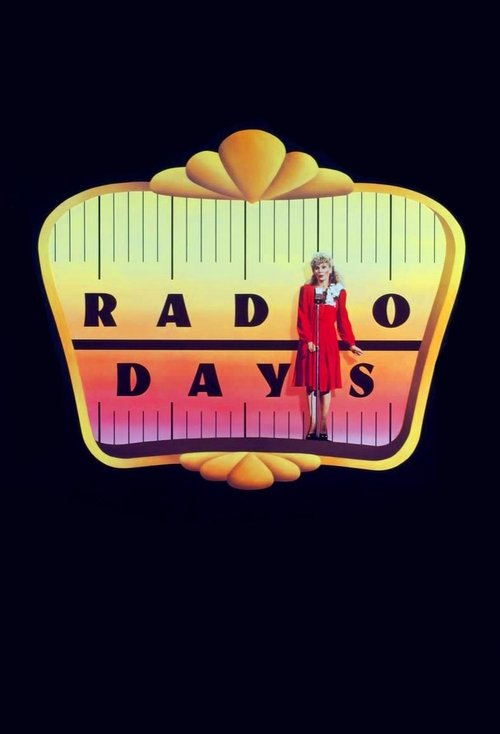
Radio Days (1987)
Directed by Woody Allen
The Narrator tells us how the radio influenced his childhood in the days before TV. In the New York City of the late 1930s to the New Year's Eve 1944, this coming-of-age tale mixes the narrator's experiences with contemporary anecdotes and urban legends of the radio stars.
6 connections found
View:
6 connections, in both directions
What critics compared Radio Days to
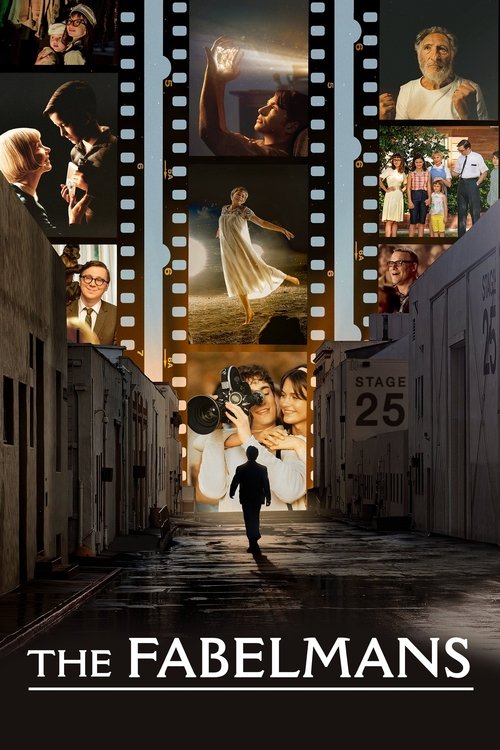


But it pales a bit beside Woody Allen’s “Radio Days” (1987), for example, and it makes the common mistake of examining all the family mishegas, instead of focusing on the development of Sammy and his artistry.
The two-and-a-half-hour picture zooms by, misdirecting at first to appear like a collection of remembered childhood episodes in the spirit of Federico Fellini’s “Amarcord” or Woody Allen’s “Radio Days.”
More similar to Woody Allen’s autobiographical “Radio Days” than it is to European art films such as “The 400 Blows” and “Amarcord” (the more highbrow models other directors typically point to when re-creating their childhoods), “The Fabelmans” invites audiences into the home and headspace of the world’s most beloved living director, an oddly sanitized zone where even the trauma — which includes anti-Semitism, financial disadvantage and divorce — seems to go better with fresh-buttered popcorn.
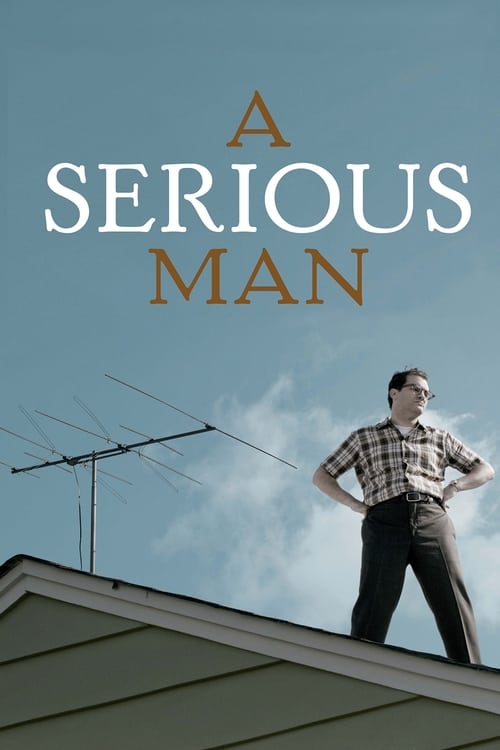
In this sense, it's their "Amarcord" or "Radio Days," albeit less episodic and sentimental than Federico Fellini's or Woody Allen's reflections on their youths were.
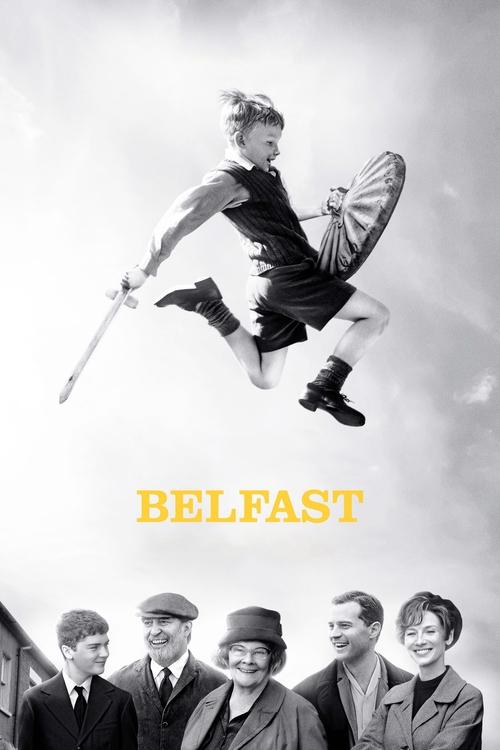
François Truffaut may have started off with “The 400 Blows,” but typically films like Federico Fellini’s “Amarcord,” Woody Allen’s “Radio Days” and Spike Lee’s “Crooklyn” arrive a little later in the careers, after they're lauded enough to start feeling reflective.
They provide us with a pleasure comparable to hearing Diane Keaton sing “You’d Be So Nice to Come Home To” in Woody Allen’s Radio Days , and they have the benefit of moving expressively, too, rather than standing at a microphone.
Advertisement

If you like this, try: reading about the artistic community in Paris between the wars and Woody Allen’s films, “The Purple Rose of Cairo” and “Radio Days”…
Radio Days (1987) did that, and so did Everyone Says I Love You (1996).

Still, he was never quite as appealing back then as when he worked in purely Woody Allen territory -- it's hard to imagine movies like Zelig, Hannah and her Sisters, and Radio Days springing from anyone else's brain.