
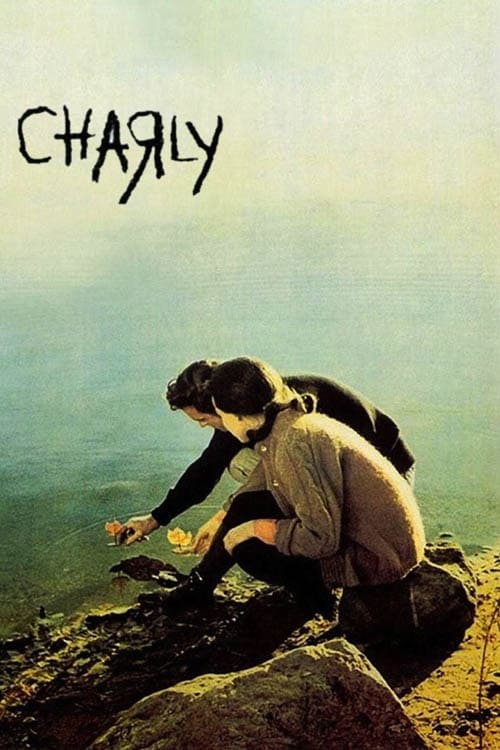
Charly (1968)
Directed by Ralph Nelson
An experiment on a simpleton turns him into a genius. When he discovers what has been done to him he struggles with whether or not what was done to him was right.
8 connections found
View:
8 connections, in both directions
What critics compared Charly to
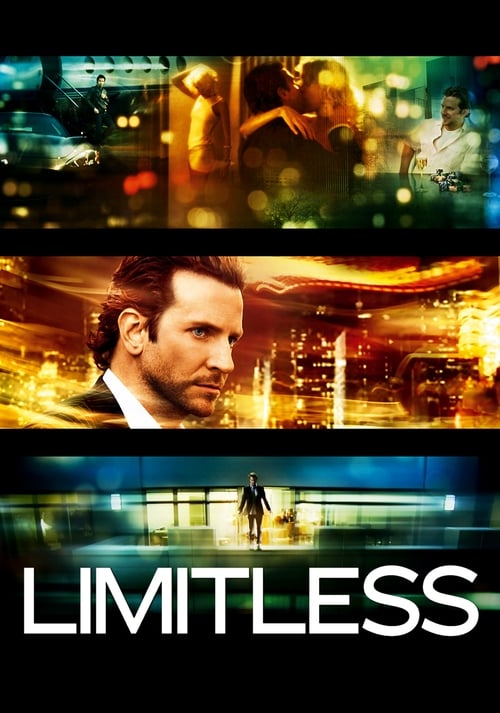


A variation on a theme of the 1968 Academy Award winner “Charly,” “Limitless” asks us what we would do with superintelligence and then gives us the wrong answer, however stylishly.
This sort of mental rags-to-riches progression has inspired a lot of movies; ever see Cliff Robertson in “ Charly ” (1968)?
There’s a similar, but different enough, storyline between Neil Burger’s new film and 1969?s “Charly,” a multi-award winning feature starring Cliff Robertson—who won an Oscar for his performance as a shy, mentally challenged man turned massively intelligent savant via a drug-induced scientific experiment.
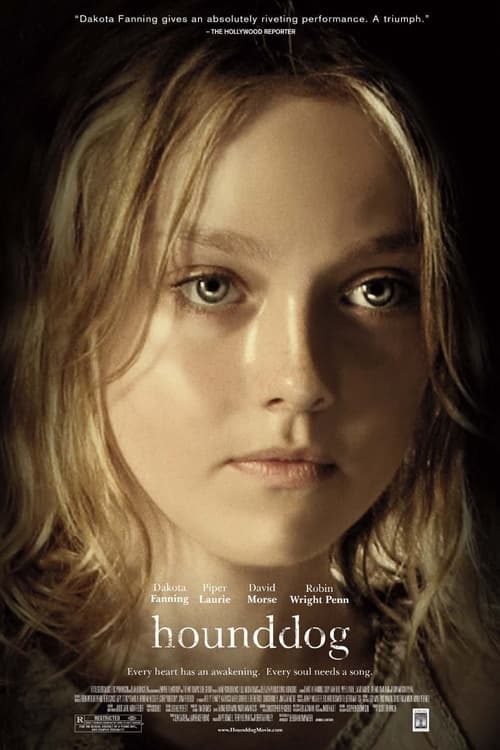
As Fanning's peckerwood dad, Morse stars as yet another of his leering lowlifes before a bolt of lightning strikes Dad on his tractor and transforms him into a kind of redneck variation on Cliff Robertson's simpleton from the film Charly.

Meanwhile, Powder comes across as a cross between Cliff Robertson's " Charly ," the Elephant Man, Mr. Spock, E.T. and Jesus.
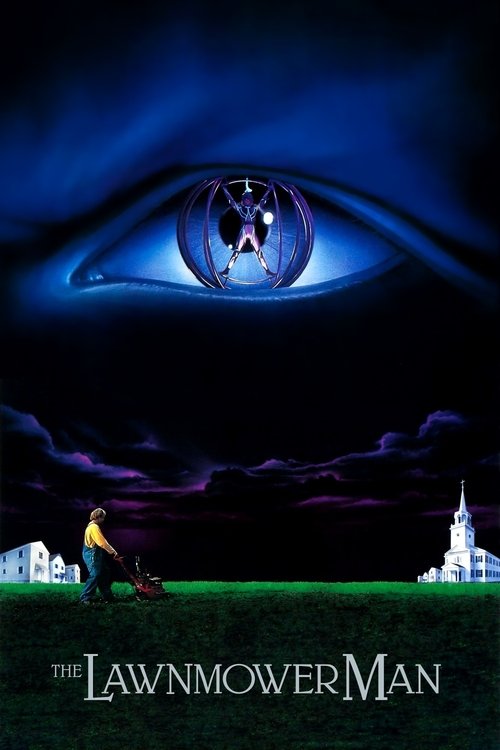
As extracted from what must have been a very busy Stephen King short story (written, quite obviously, in the 10 or 15 minutes after King had watched Cliff Robertson's great "Charly" on his VCR) it follows as a research scientist uses some kind of virtual reality therapy to transform a retarded lawn-mowing man into a) a genius and b) a god.
Advertisement
Though rooted in fact, the movie feels like a synthetically engineered mishmash of Rain Man, One Flew Over the Cuckoo's Nest, and most prominently Charly, the 1968 fantasy in which Cliff Robertson played a retarded man who gains and then loses a genius-level IQ.
If anything, Karl seems too bright for someone raised in a chicken coop by religious fanatics, but writer-director Thornton has nonetheless given us the best portrayal of a troubled man-child since Cliff Robertson in Charly.
Of course, it is those later sequences that set the film apart from similar stories such as Daniel Keyes’s Flowers for Algernon (filmed as Charly ) and Alan Glynn’s The Dark Fields (filmed as Limitless ).
Some could argue that Cumberbatch is trolling for awards consideration; nothing impresses Academy voters more than performances of the “mentally-challenged” (Cliff Robertson in “Charly,” Tom Hanks in “Forrest Gump,” Dustin Hoffman in “Rain Man,” and Anthony Hopkins in “The Father” from last year).