
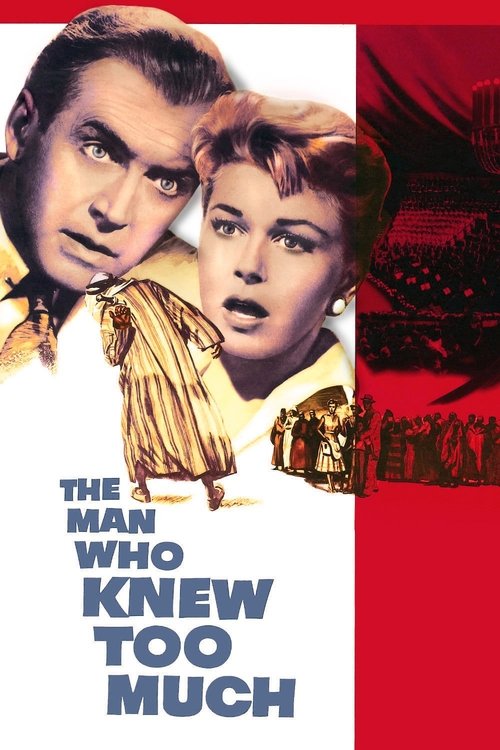
The Man Who Knew Too Much (1956)
Directed by Alfred Hitchcock
An American doctor and his wife, a former singing star, witness a murder while vacationing in Morocco, and are drawn into a twisting plot of international intrigue when their young son is kidnapped.
11 connections found
View:
11 connections, in both directions
What critics compared The Man Who Knew Too Much to
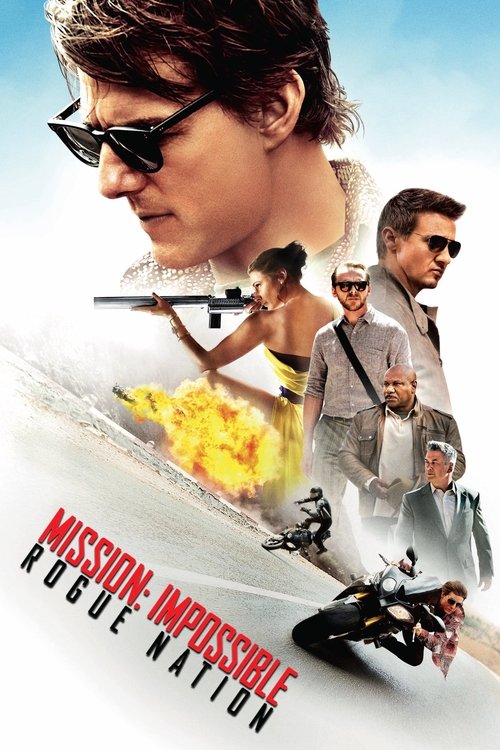


Here director Christopher McQuarrie, who directed Cruise in Jack Reacher, has his own Hitchcock moves - in a scene set against a performance of Turandot in the Vienna State Opera which recalls the Royal Albert Hall assassination scene in The Man Who Knew Too Much - the 1956 movie, which, like Rogue Nation also takes an excursion to Morocco.
Ethan must foil an elaborate assassination attempt during opening night at the Vienna State Opera (clearly inspired by a similar setup in Alfred Hitchcock’s “The Man Who Knew Too Much”).
McQuarrie is working from the template of classic James Bond movies and Alfred Hitchcock suspense films like 1956’s “The Man Who Knew Too Much,” whose Albert Hall assassination sequence “Rogue Nation” borrows and amplifies about a third of the way in.
Indeed there’s a sequence at the Vienna State Opera that’s a clear homage to Alfred Hitchcock’s “The Man Who Knew Too Much” that has no less than three shooters involved in an assassination plot with Ethan and Benji trying to thwart them.
Writer-director Christopher McQuarrie sets up an elaborate assassination sequence that deliberately references Alfred Hitchcock's The Man Who Knew Too Much.
During one of my favorite scenes, Benji helps out Ethan backstage during a performance of the Puccini opera “Turandot,” Hunt tries to foil an assassination (Hitchcock fans are sure to recognize several nods to “The Man Who Knew Too Much”).
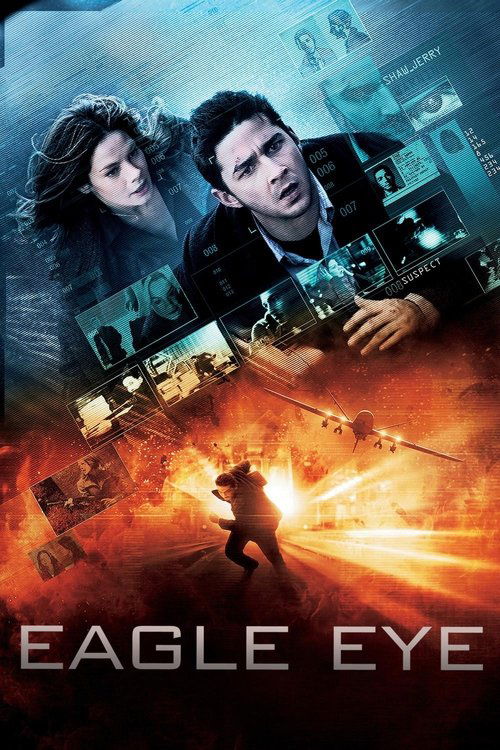
Reuniting Shia LaBeouf and director D.J. Caruso after their mid-level hit Disturbia, Eagle Eye begins like another modern take on Hitchcock classics; If Disturbia felt like Rear Window with a Generation Y (or, really, Z) cast, Eagle Eye plays like North By Northwest 2.0 with a touch of The Man Who Knew Too Much, as LaBeouf's Jerry Shaw is plucked from his normal life and turned into a wanted man when an anonymous voice on the telephone starts giving him orders, and Jerry has to comply or die.
Just as "Disturbia" borrowed heavily from "Rear Window" (1954), Caruso displays a propensity here for constantly tipping his hat to Hitchcock's work, to the point of virtually recreating the entire concert-hall climax of "The Man Who Knew Too Much" (1956).
Inspired by producer Stephen Speilberg, while this is a thinly veiled attack on The Patriot Act, it is still a high-tension thriller, regardless of your political belief, reminiscent of (if not homages to) �2001� (1968), �Colossus: The Forbin Project� (1970), and even "The Man Who Knew Too Much" (1956).
It strip-mines at least three Hitchcock classics - "North by Northwest," "The Wrong Man," and "The Man Who Knew Too Much" - then commits unlawful assault on Stanley Kubrick's "2001: A Space Odyssey" just for the heck of it.

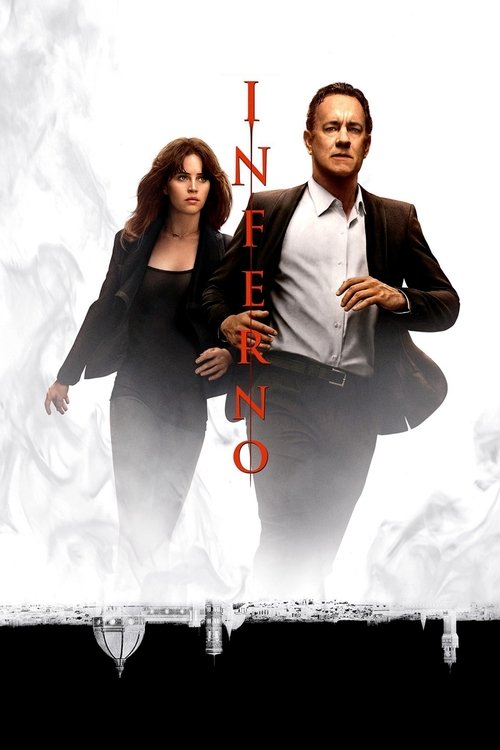
There is some inspiration in the climax, which features an onscreen orchestra performing the same Hans Zimmer score we’re hearing, in a possible nod to The Man Who Knew Too Much (1956).
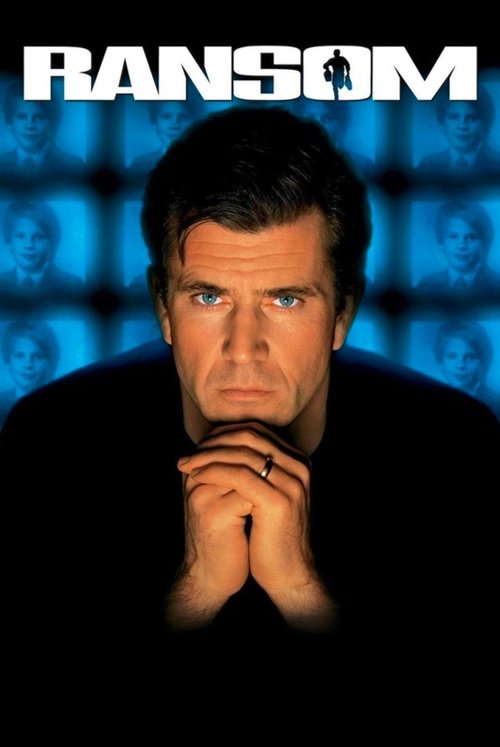
Directed by Ron Howard from a much-doctored screenplay by Richard Price and Alexander Ignon, the film settles into a comfortable clip after a sluggish start, but it never develops the urgency of such top-notch kidnap dramas as Hitchcock's "The Man Who Knew Too Much."
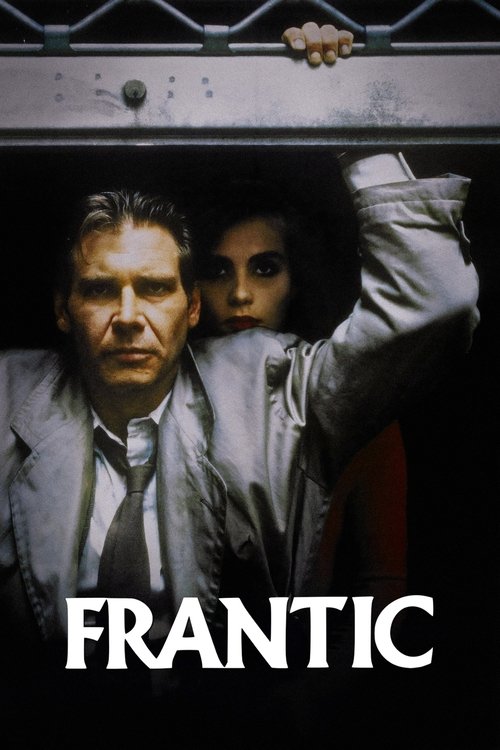
Frantic most obviously recalls the plots of Hitchcock's The Lady Vanishes and The Man Who Knew Too Much, concerning as it does the disappearance of a woman and the scramble to find her.
Advertisement
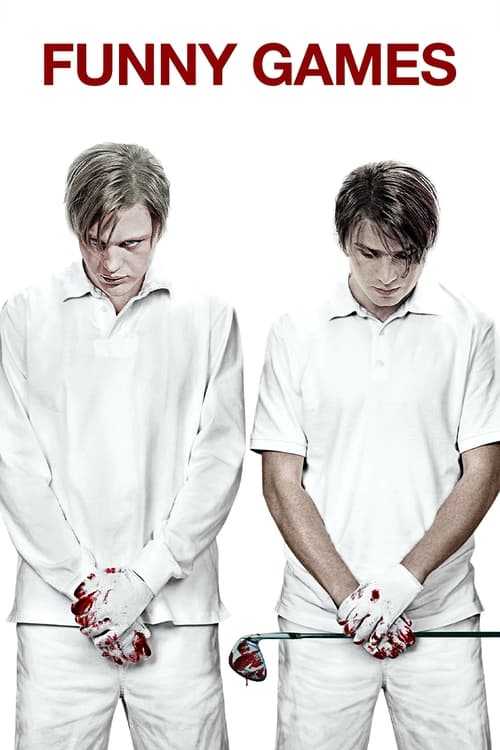
This isn’t like Hitchcock having another crack at “The Man Who Knew Too Much,” as he did after an interval of twenty-two years, and conjuring a very different result; it isn’t even like Gus Van Sant reheating “Psycho” in color, as he did in 1998; it’s like Hitchcock himself shooting “Psycho” all over again, in 1970, somewhere off an Autobahn outside Graz.
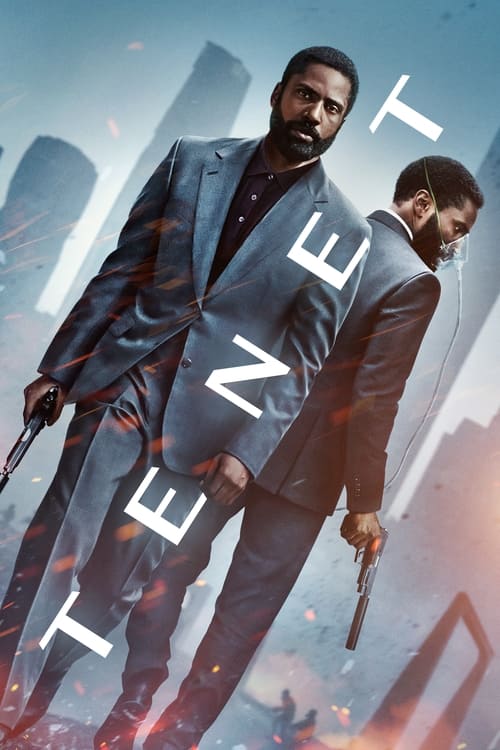
At one point, she asks so many questions that she’s literally drugged to sleep, like Doris Day’s character in The Man Who Knew Too Much (1956).
Maybe only Hitchcock, particularly the Hitchcock who made The Man Who Knew Too Much, which succeeded in making Islington feel like the casbah.
More personal have been Hitchcock's two does of The Man Who Knew Too Much, three Ransom titles (one a remake), the lighter Romancing the Stone, two called Hostage, four distinct Spanish-language films named Secuestro, and a long filmography of often routine others.
Advertisement
Probably, like Hitchcock, who made two versions of "The Man Who Knew Too Much", Sluizer thought he could try another direction in his story, but "The Vanishing" is a claustrophobic thriller which logically narrows down step by step to the only ending possible for its story, and that ending is absolutely required for the gut-wrenching effect in the finale.

You almost get the feeling the whole movie is fundamentally insincere and enclosed with quotation marks, as if Burns and Soderbergh sat around watching and rewatching “Fatal Attraction” and “Basic Instinct” (and “Vertigo” and “The Man Who Knew Too Much”) and deciding what to pilfer.