
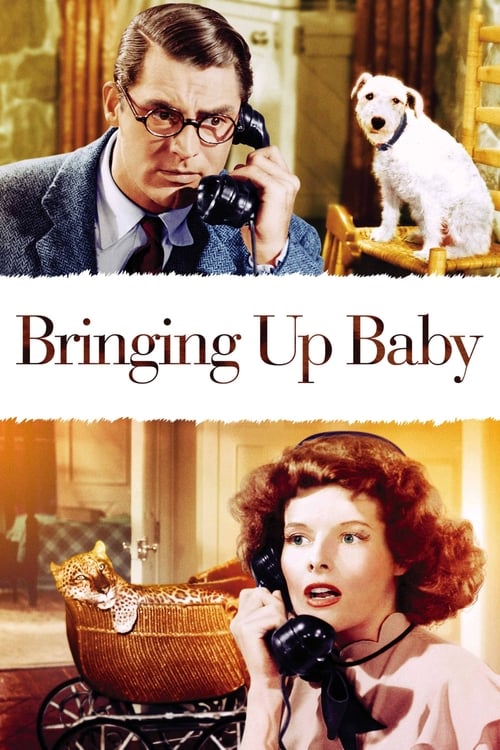
Bringing Up Baby (1938)
Directed by Howard Hawks
David Huxley is waiting to get a bone he needs for his museum collection. Through a series of strange circumstances, he meets Susan Vance, and the duo have a series of misadventures which include a leopard called Baby.
31 connections found
View:
31 connections, in both directions
What critics compared Bringing Up Baby to



Instead, there's a kinship with Hollywood's screwball comedies of the 1930s, where an unlikely romance blossoms in the flurries of a rough and tumble escapade, like the beautiful zaniness of Bringing Up Baby (1938) or classic divorce scenario in The Awful Truth (1937), except equipped with the foul-mouthed glory and sexual fervor inherent to reality.
A better parallel, particularly after the chase begins, is with the classic screwball comedy of the 1930s and 1940s: The Awful Truth, Bringing Up Baby, His Girl Friday.

That theme has been played for comedy (Bringing Up Baby) or poignancy (The Sterile Cuckoo), and its appeal is enduring, especially to teenagers, which is where this latest entry will find its most sympathetic audience.
There’s quotable dialogue, delivered with the deadpan camaraderie of Howard Hawks ("Bringing up Baby," "Rio Bravo’), and scenes that evoke earlier classics without feeling too obviously like homages.
But then the ideas themselves ride to the rescue and, with a quirky performance by Kazan as the title character—a slightly ditzy eccentric that harkens all the way back to the women in screwball comedies like “Bringing Up Baby”—you find yourself still somehow charmed.
Advertisement
It's a valiant effort, and there is something, though very little, of Cary Grant's scampering in "Bringing Up Baby" to Segel's mishaps around the CEO's mansion.
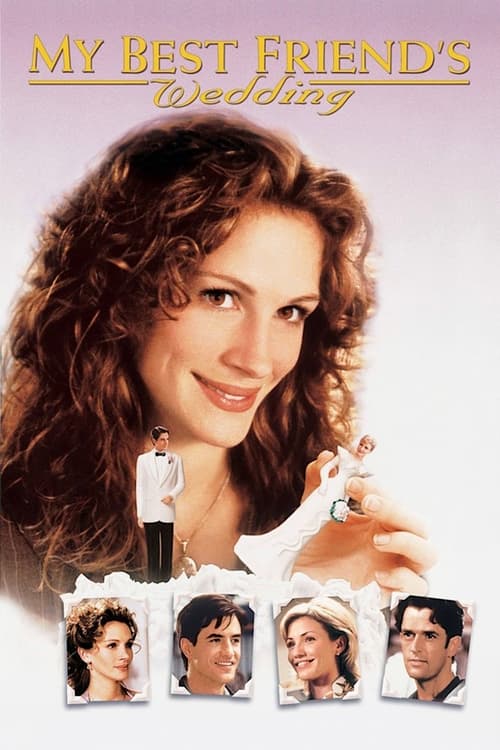
In screwball comedy, of course, there's a great tradition of devilish chicanery (think of the way Katharine Hepburn's dizzying deceptions made Cary Grant's head spin in Bringing Up Baby).
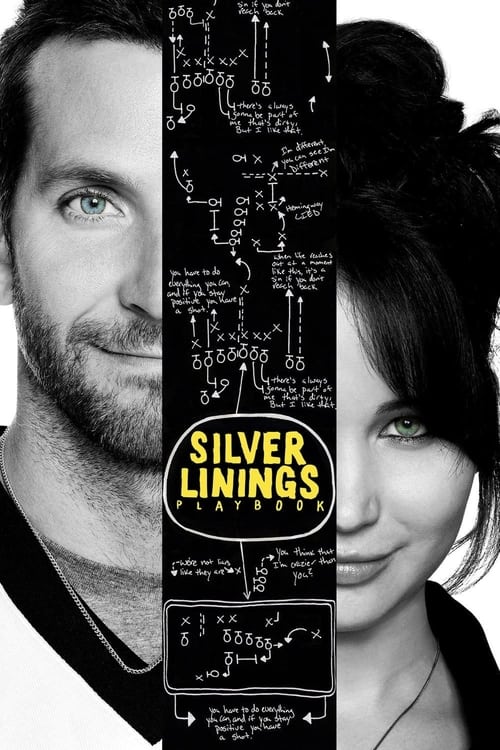
With bold camera moves and jumps between scenes, there’s an antic quality to “Silver Linings Playbook” that reaches all the way back to such 1930s screwball comedies as “Bringing Up Baby.”
Answer: If a perplexed paleontologist can fall for a madcap heiress in "Bringing Up Baby," and a cynical newspaperman can succumb to the charms of a fraudulent victim of radium poisoning in "Nothing Sacred," why not?
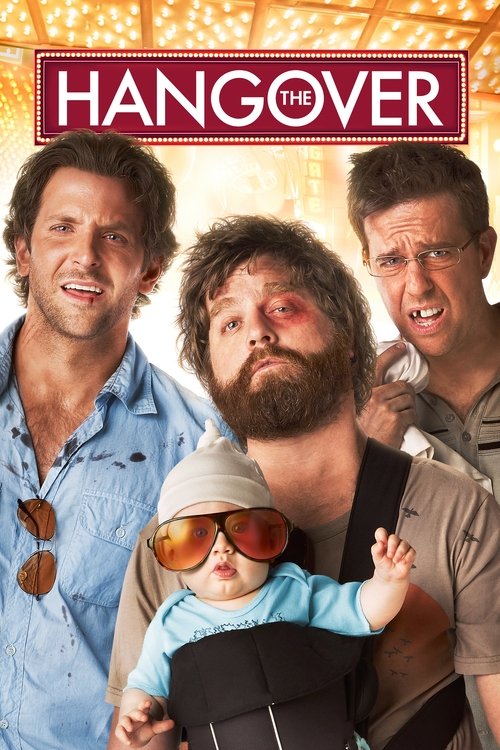
(Or, further back, Cary Grant in Bringing Up Baby where the “baby” is indeed a leopard.)
Despite the inconvenient appearance of a jungle cat, The Hangover is no Bringing Up Baby (the women are too dreadful or dumb, for starters).
Advertisement
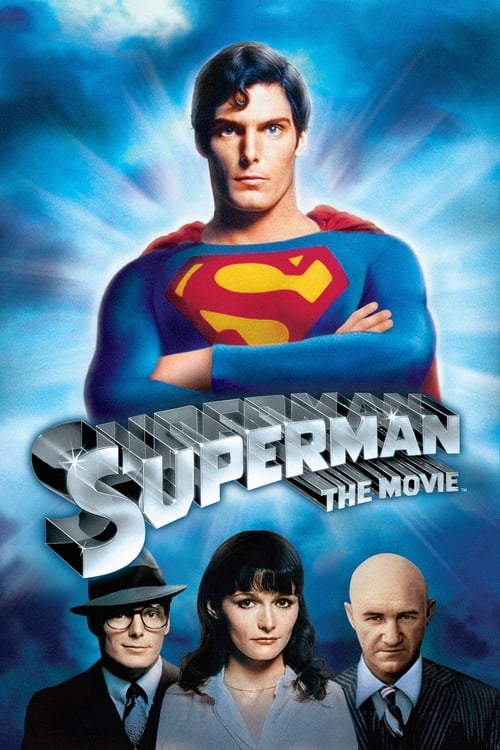
The third part is where Donner and his writers (who included Mario Puzo) most radically shift the tone, moving from the deliberately paced drama of the first two thirds to a smartly comic, even screwball quality (Reeve based his Clark Kent on Cary Grant's performance in the classic screwball comedy "Bringing Up Baby").
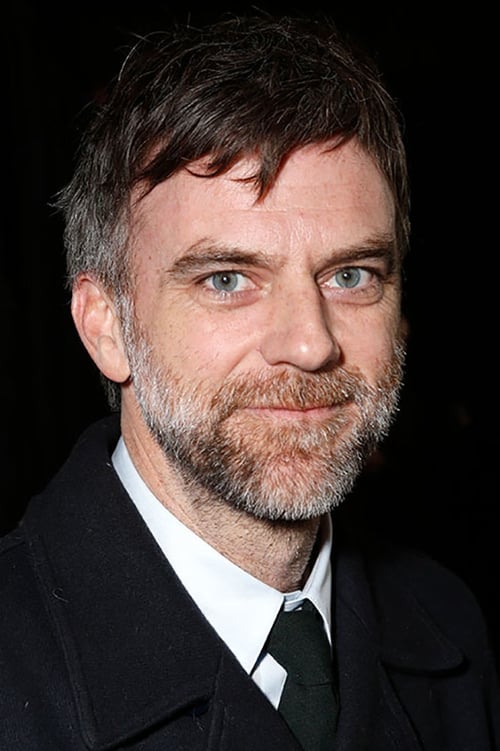
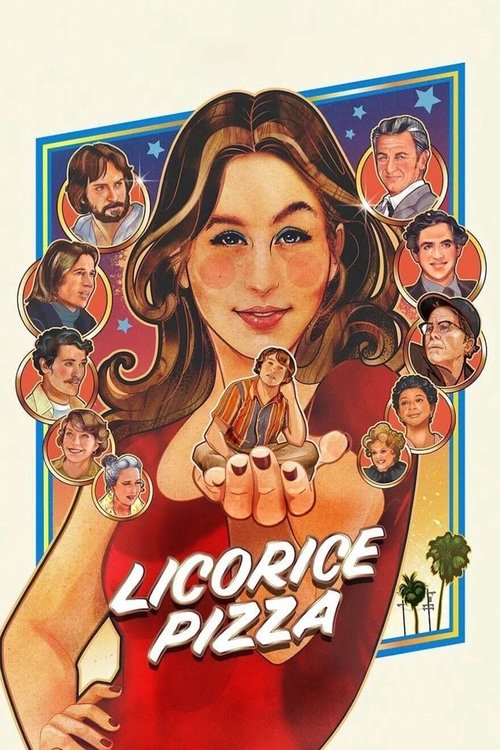
Paul Thomas Anderson has crafted yet another masterpiece, this time in the vein of Bringing Up Baby meets The Goonies .
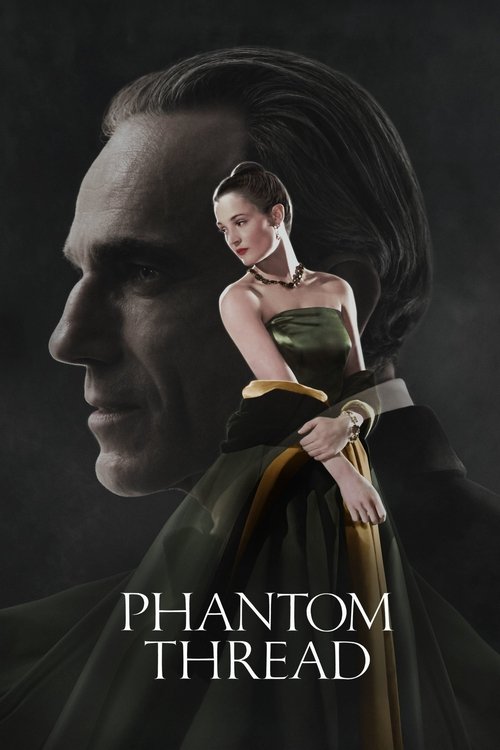
Beyond the dazzling performances of Daniel Day-Lewis, Vicky Krieps, and Lesley Manville; the swooping and/or oddly angled luminous 35-mm cinematography by Anderson himself; and the almost omnipresent orchestral score by Jonny Greenwood, which suggests Nelson Riddle on ecstasy, the movie’s uniqueness is its fluidly shifting tone, as if the ghosts of genres as diverse as gothic mysteries (Hitchcock’s Rebecca), screwball comedies (Hawks’s Bringing Up Baby), perverse, obsessional romances (Kubrick’s Lolita), and Angela Carter’s feminist inversions of classic fairy tales were dancing at the edge of the collective consciousness of everyone involved, including the viewer.