
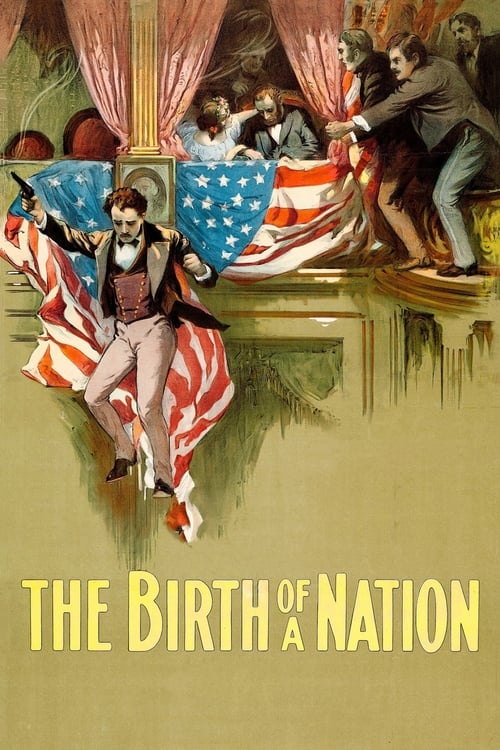
The Birth of a Nation (1915)
Directed by D.W. Griffith
Two families, abolitionist Northerners the Stonemans and Southern landowners the Camerons, intertwine. When Confederate colonel Ben Cameron is captured in battle, nurse Elsie Stoneman petitions for his pardon. In Reconstruction-era South Carolina, Cameron founds the Ku Klux Klan, battling Elsie's congressman father and his African-American protégé, Silas Lynch.
8 connections found
View:
8 connections, in both directions
What critics compared The Birth of a Nation to


The film recalls what President Woodrow Wilson reportedly said after screening D.W. Griffith's The Birth of a Nation: "It's like history written with lightning."
As time passes and The Passion breaks box office records, there are increasing parallels between this film and D.W. Griffith’s The Birth of a Nation .
There’s a point in “Django Unchained” when its sheer absurdity, luridness and violence pose an inescapable challenge to the skeptical literalists in the audience: Sure, this is an outrageous distortion, the "Django Unchained" movie itself seems to say, but is it any more outrageous than “The Birth of a Nation” or “Gone With the Wind”?
In Basterds, however, Tarantino was engaged with an exhaustive canon of World War II movies, from Casablanca to Schindler's List, while the subject of Django Unchained—slavery in the American South—is one that has been conspicuously absent in Hollywood films in the century since D.W. Griffith's The Birth of a Nation.
He isn’t breaking any new ground here, as there was an entire subset of 1970s blaxploitation films set in the American West and South that dealt with slavery, but the scope of Tarantino’s ambitions and the mainstream status of his film, despite its exploitation fixations, makes his evocation of that dark chapter of American history that much more daring and dangerous (it is telling how few Hollywood filmmakers have dared to tackle this topic on screen since D.W. Griffith’s The Birth of a Nation in 1915).
Even a scene where a group of Ku Klux Klan are presented as almost endearingly goofy, in a wonderful spoof of the outrageously racist pro-Klan silent classic The Birth of a Nation (DW Griffith, 1915), the violent fate of such characters is not at all problematic due to what they represent.
The release of “Django Unchained,” and the discussion surrounding it, have brought “Birth of a Nation”—D.
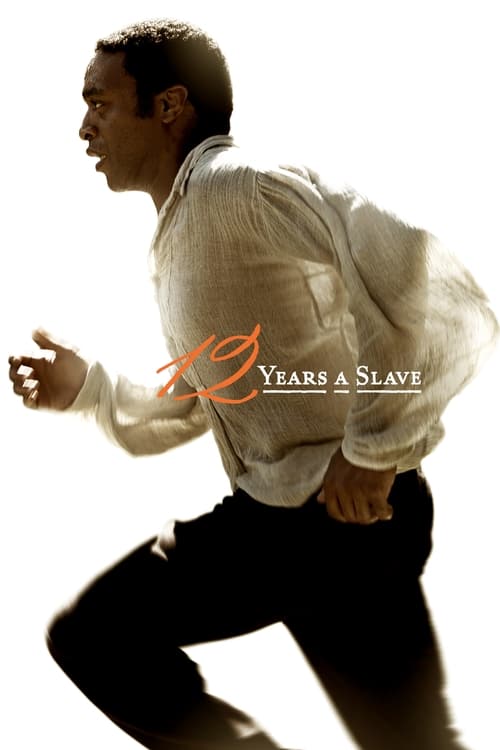
One of the earliest — The Birth of A Nation (1915) — was actually pro-slavery!
In 1915, D.W. Griffith practically defined narrative moviemaking with The Birth of a Nation , which proudly celebrated the Ku Klux Klan’s reign over riotous, newly-freed slaves in America’s south.
No subject could speak more directly to the fractured racial foundation of the United States than this film does, while also bookending a century of American cinema that began when the fledgling silent-movie business was transformed by D.W. Griffith's racist 1915 epic The Birth of a Nation.
Advertisement
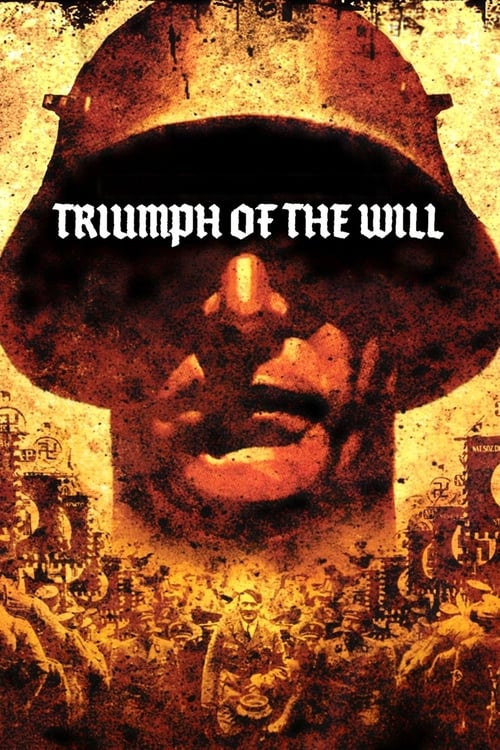
My reaction watching Leni Riefenstahl’s Triumph of the Will was similar to that of D.W. Griffiths The Birth of a Nation.
The first was D.W. Griffith’s “The Birth of a Nation,” and the second was Leni Riefenstahl’s “Triumph of the Will.”
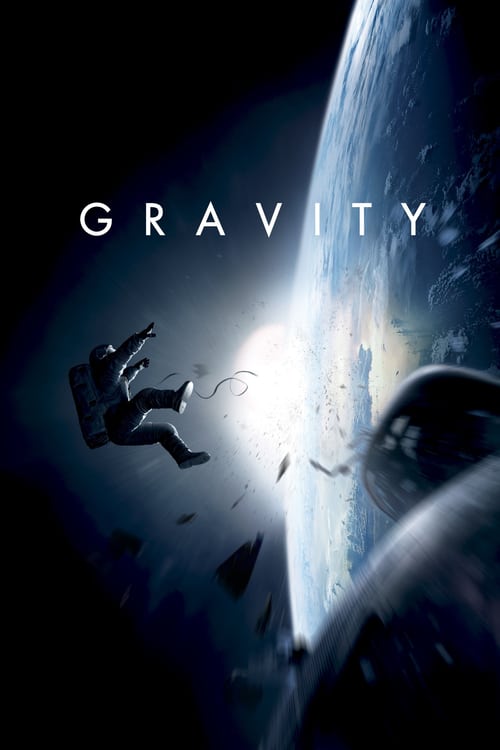
Cinematography and lighting have certainly evolved greatly since early Hollywood, but the basics of how one shoots a scene, at least in mainstream pictures, has long since been set in stone, and more importantly, the continuity-based editing techniques used to put it all together are fundamentally identical today as they were in 1915, when D.W. Griffith’s The Birth of a Nation pioneered and solidified many feature editing practices.
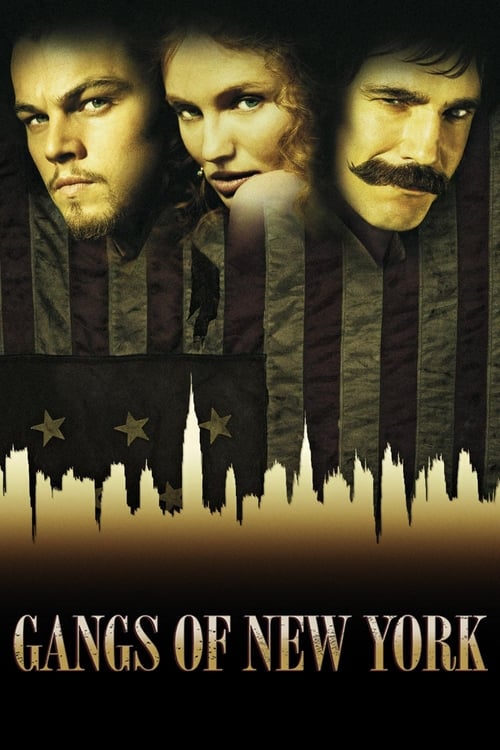
One is D.W. Griffith's 1915 classic "The Birth of a Nation."
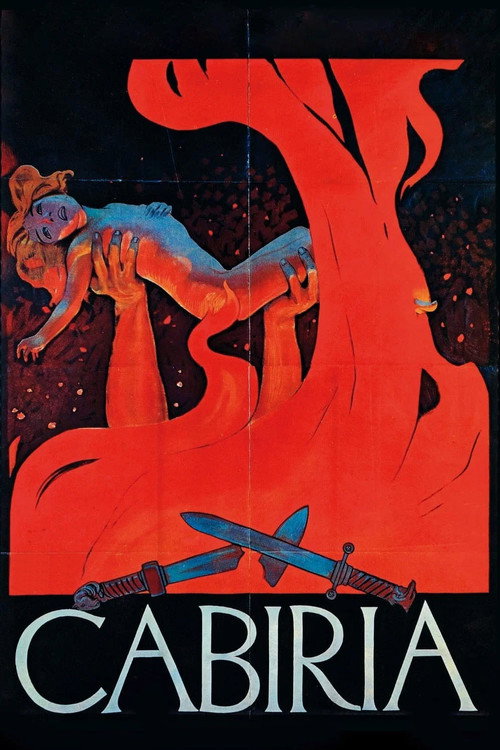
It was one of a handful of productions of the time that, alongside the Italian film Cabiria (1914), experimented with long-form storytelling.