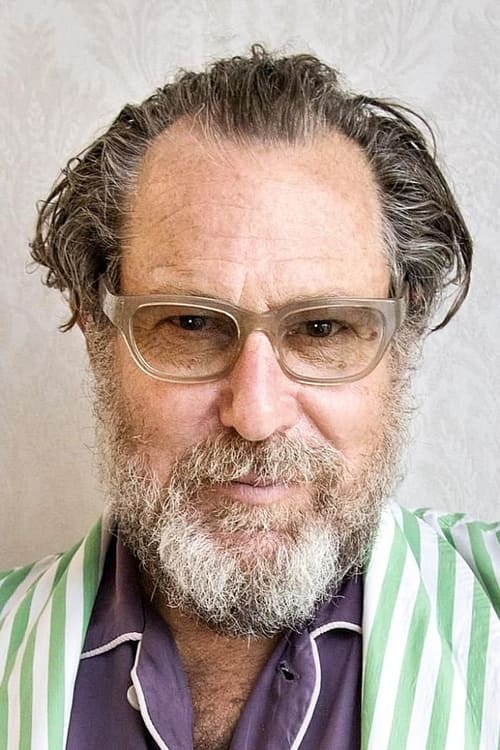
Julian Schnabel
13 connections found
View:
Connections, in both directions

The Theory of Everything (2014)
Directed by James Marsh
influenced by The Diving Bell and the Butterfly (2007)
Themes Visuals


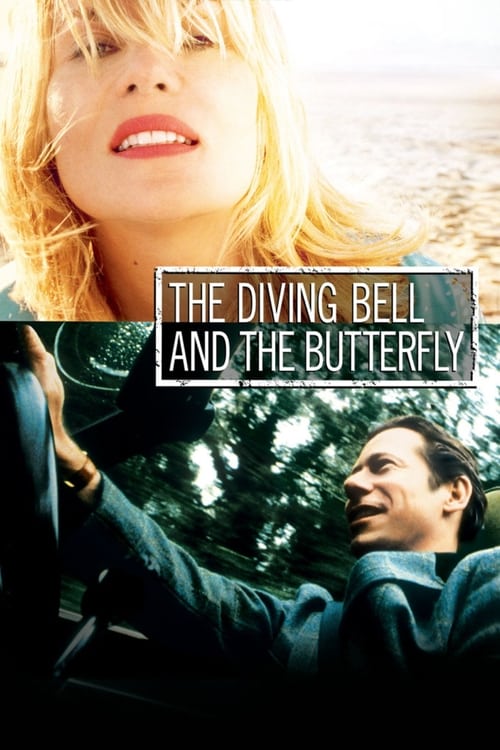
The inspirational biopic about a person with a disability who triumphs over adversity isn’t something new (though a really good one, like Julian Schnabel’s The Diving Bell and the Butterfly , can still do something new with the form).
Still, what’s onscreen is less a cerebral experience than a stirring and bittersweet love story, inflected with tasteful good humor, that can’t help but recall earlier disability dramas like “My Left Foot” and “The Diving Bell and the Butterfly.”
You'll also see echoes of the math-equation moments in "Good Will Hunting" and the communication challenges of "The Diving Bell and the Butterfly," though, of course, Hawking's story predates both of those films.
This movie concentrates on Hawking's personal life, and should draw favorable comparisons to "My Left Foot," "The Diving Bell and the Butterfly" and other tastefully triumphant, fact-based dramas about protagonists who do not allow disabilities to destroy their achievements and lives.
Viewers looking to see a challenging and enlightening perspective on a similar condition should see The Diving Bell and the Butterfly , which uses pioneering camera and narrative technique to get inside the mind of its paralyzed protagonist.
The Theory of Everything doesn’t worry itself with tunneling into Hawking’s psyche or find ways to visualize his breathtaking mind the way great bio-movies like My Left Foot or The Diving Bell and the Butterfly have done.
Un Chien Andalou (1929)
Directed by Luis Buñuel
influenced The Diving Bell and the Butterfly (2007)
Visuals
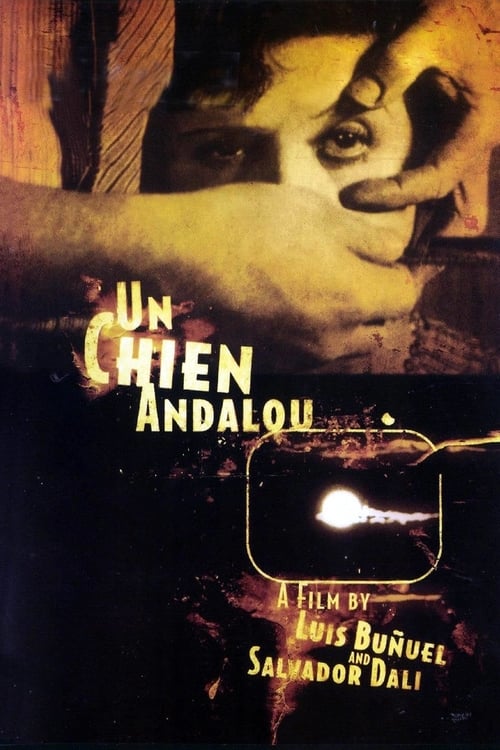
As a nifty complement to the pupil Luis Buñuel notoriously slashed open in 1929's "Un Chien Andalou," Schnabel shows Bauby's right eye being sewn shut - from the eye's perspective.
In a sequence literally and figuratively a wink to Luis Bunuel's and Salvador Dali's surrealist folly Un Chien Andalou, Schnabel films a sequence of eye surgery - from Jean-Do's point of view.
The Innocents (1961)
Directed by Jack Clayton
influenced The Diving Bell and the Butterfly (2007)
Plot
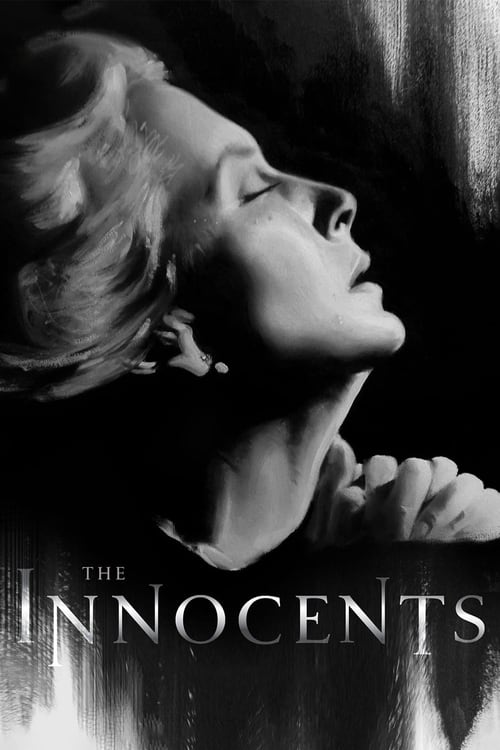
Frequently, the screenplay by another newbie, Sergio G. Sanchez, seems like it's merely a compendium of stellar moments from other horror hits: In addition to Pan, there are elements that strongly recall The Devil's Backbone (also by del Toro), The Others, The Innocents, The Omen and – I hesitate to add – Friday the 13th.
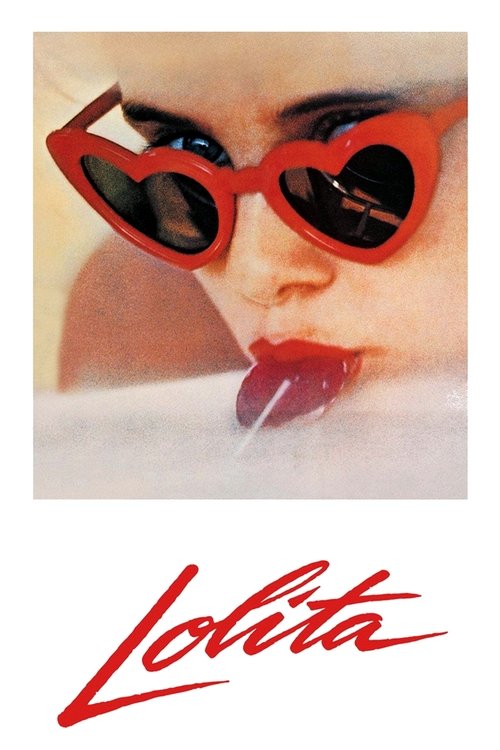
There are remembered bits of nudity, sweetly endurable family visits, and fantasies like Bauby casting himself as Marlon Brando or dining in a swank Parisian restaurant with a sexy blonde, to creamy music from Kubrick's “Lolita.”
Wright proves his chameleon-like ability in a role that is as far away from his "Basquiat" debut or "Shaft's" Peoples Hernandez as is possible to travel.
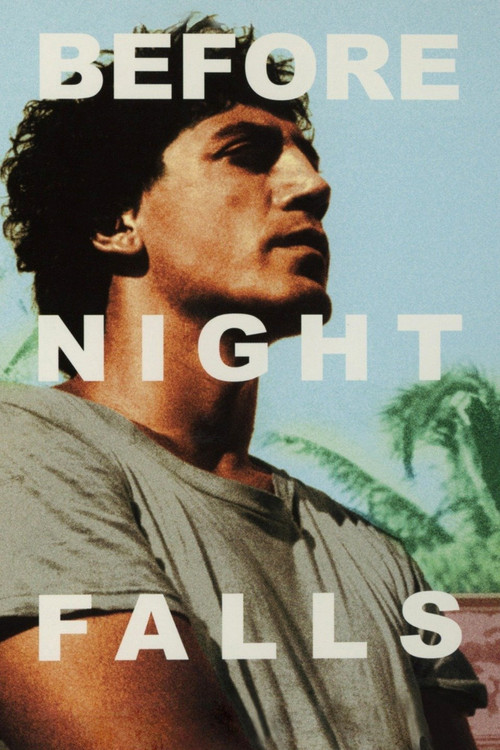
Mark Ruffalo ("13 Going On 30" and "You Can Count On Me"), Peter Berg ("Cop Land" and the TV series "Chicago Hope"), and Javier Bardem (Academy Award nominee for "Before Night Falls") all have supporting roles, and their combined talents add a great deal of depth to the mix.
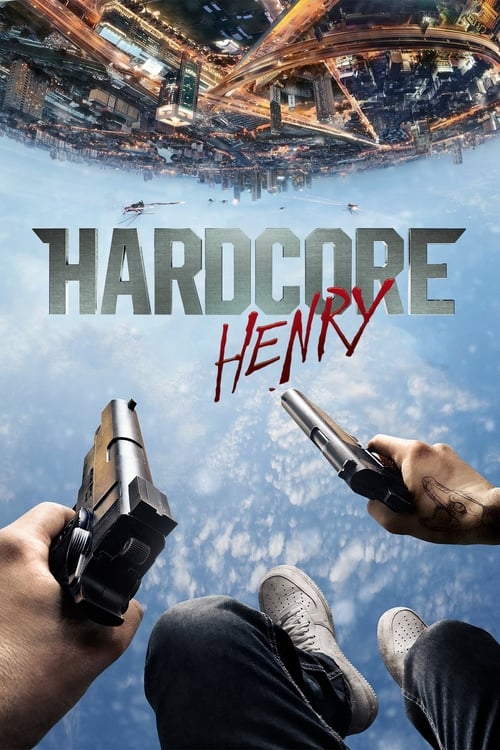
Hardcore Henry (2015)
Directed by Ilya Naishuller
influenced by The Diving Bell and the Butterfly (2007)
Visuals
Multiple Copley’s busting out “I’ve Got You Under My Skin” is a pleasant mid-film respite, and eagle-eyed viewers can catch stray bits of David Cronenberg, Jan Svankmajer, “RoboCop,” maybe even “The Diving Bell and the Butterfly.”
Then the movie comes out, is mostly ignored, and everyone goes back to treating first-person as a stylistic device best used in more modest doses, like the first half-hour of Julian Schnabel’s The Diving Bell and the Butterfly or portions of Gasper Noé’s Enter the Void.
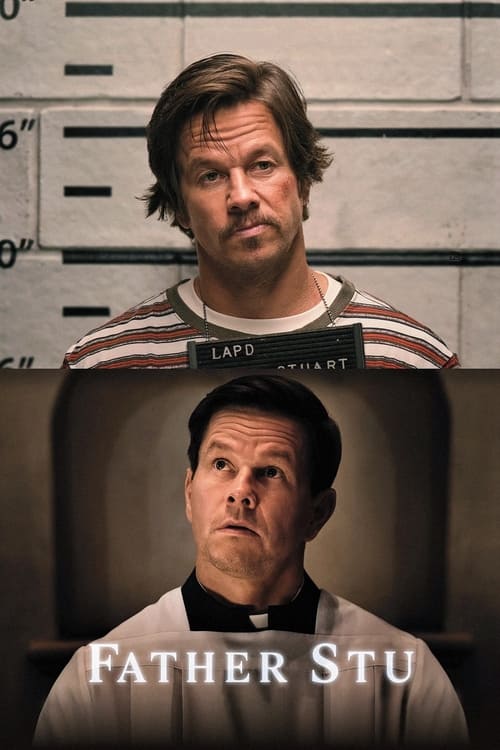
Father Stu (2022)
Directed by Rosalind Ross
influenced by The Diving Bell and the Butterfly (2007)
Themes
It’s based on the real Father Stuart Long, with the standard theatrical embellishments (and concepts of suffering to test faith), but none are significant enough to give this picture the profound flavor of “The Song of Bernadette,” or “The Robe,” or “A Man for All Seasons” (or even “My Left Foot” or “The Diving Bell and the Butterfly,” a la the biblical Book of Job).
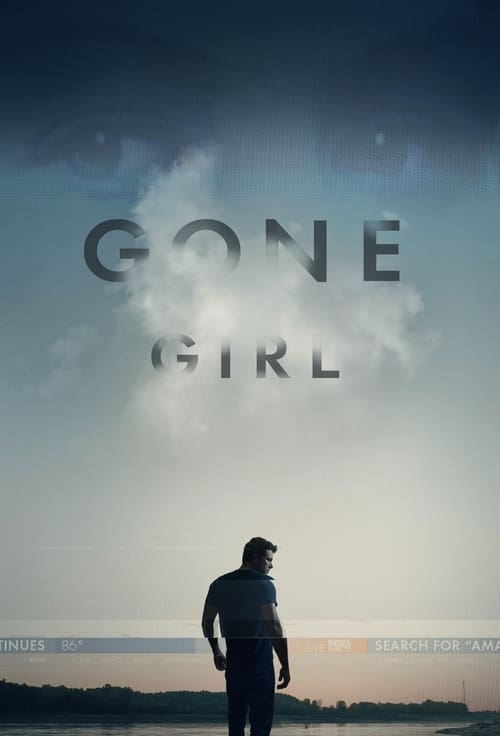
You will recognize his sharp, wary face: he was the man in The Diving Bell and the Butterfly.
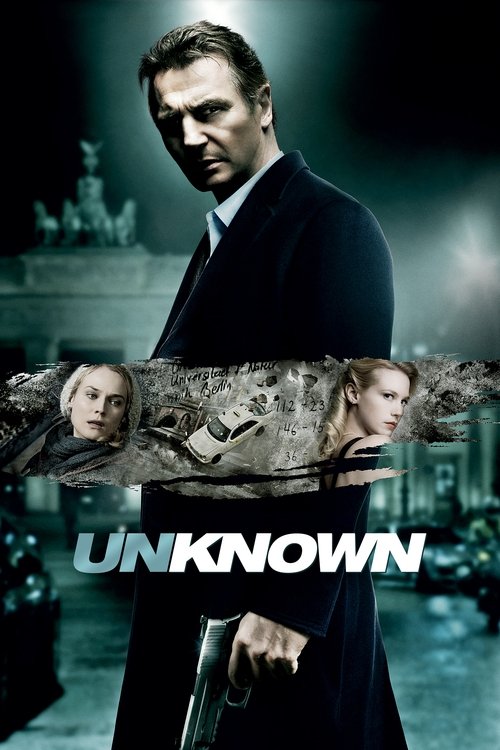
Unknown (2011)
Directed by Jaume Collet-Serra
influenced by The Diving Bell and the Butterfly (2007)
Following up 2009’s underrated, diabolical “Orphan,” director Jaume Collet-Serra capably films the action, stylizes snowy Berlin as Central Europe’s answer to Chicago, slyly references “The Diving Bell and the Butterfly” and “Enter the Void,” and is smart enough to give breathing room to the great Bruno Ganz as a former secret-police bloodhound on one last hunt.
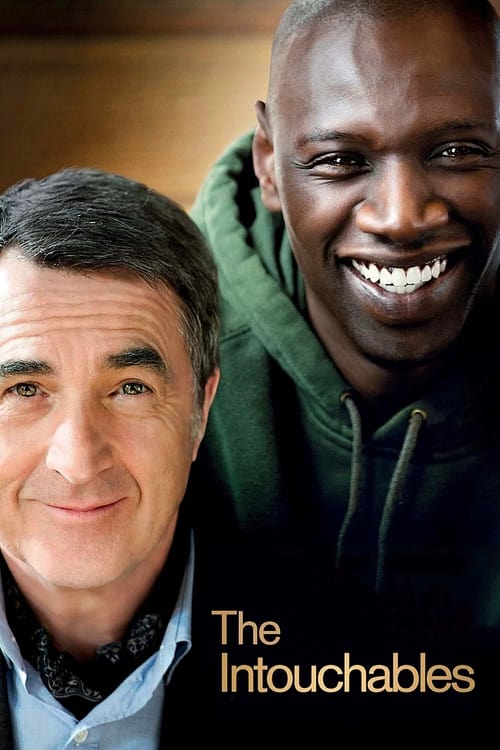
The Intouchables (2011)
Directed by Olivier Nakache
influenced by The Diving Bell and the Butterfly (2007)
Plot
In other words, this is "Pushing Mr. Philippe," a movie to be placed somewhere on the scale between "Driving Miss Daisy" and "The Diving Bell and the Butterfly."
It’s like "The Diving Bell and the Butterfly" reimagined as "Finding Forrester."
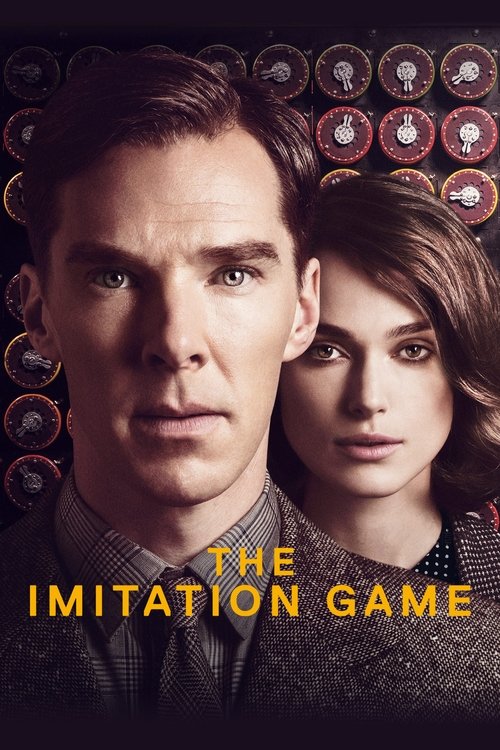
The Imitation Game (2014)
Directed by Morten Tyldum
influenced by The Diving Bell and the Butterfly (2007)
Plot
The film that “The Theory of Everything” has most in common with is “The Diving Bell and the Butterfly”, a 1997 French film about a quadriplegic who dictates a book using his left eyelid.
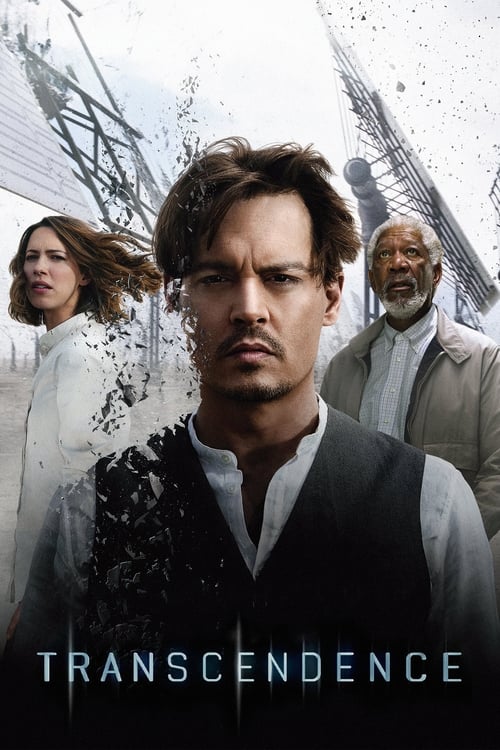
Transcendence (2014)
Directed by Wally Pfister
influenced by The Diving Bell and the Butterfly (2007)
Janusz Kaminksi, who has lensed every live-action Spielberg movie since Schindler’s List (plus The Diving Bell and the Butterfly, Jerry Maguire, and more), directed only two films, the flop supernatural thriller Lost Souls and the widely ignored Hania.