
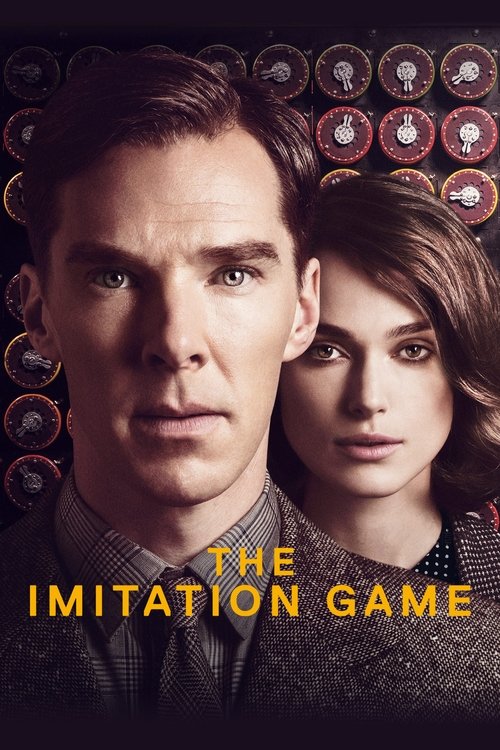
The Imitation Game (2014)
Directed by Morten Tyldum
Based on the real life story of legendary cryptanalyst Alan Turing, the film portrays the nail-biting race against time by Turing and his brilliant team of code-breakers at Britain's top-secret Government Code and Cypher School at Bletchley Park, during the darkest days of World War II.
27 connections found
View:
27 films that influenced The Imitation Game
What critics say influenced The Imitation Game
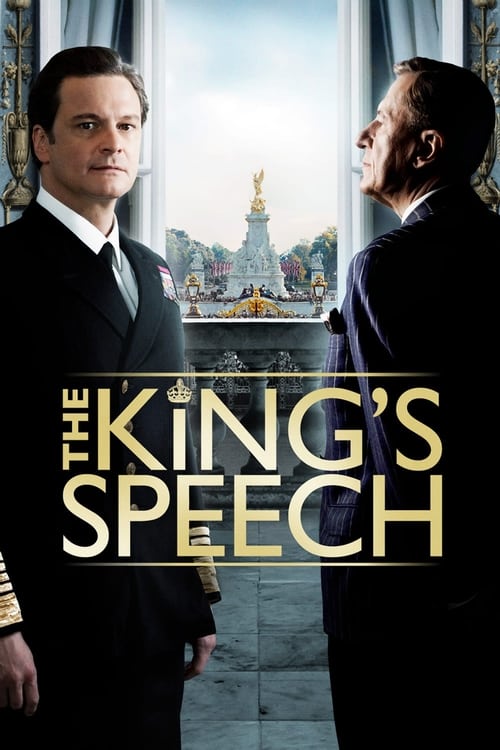


Awards season always makes room for at least one plummy-toned veddy-English drama (think The King's Speech), so it's no surprise to see Benedict Cumberbatch refereeing ye olde internal wrestling match between British reserve and tortured feeling in the "based on a true story" feature The Imitation Game.
The film’s distributor, The Weinstein Company, scored at the 2011 Academy Awards with the similarly themed The King’s Speech, so odds are in The Imitation Game’s favor that it will stand among this season’s contenders—despite the plot’s flaws.
The keep-it-moving, keep-it-bright pacing also evokes a more recent film, the similarly tweedy and 1930s-set “The King’s Speech.”
Unlike The King’s Speech, which won a clutch of Oscars for its dull propriety and Masterpiece Theater vibe, The Imitation Game is vibrant and lively, engaging you on three levels: The fascinating way the Nazis managed to outwit the rest of the world until Turing came along, how his giant contraption (essentially the world’s first computer) will work, and what will happen to him and everyone he knows when the truth about him is finally revealed.
It’s the Weinsteins’ bid for this year’s The King’s Speech (2010), and it shows; and it might work, but it’s by no means a lock.
Since “The Imitation Game” addresses each of these topics, one imagines its distributor Harvey Weinstein has been touting the movie as “The King’s Speech” meets “The Social Network” meets “Milk.”

That life has been the subject of a play ("Breaking the Code" by Hugh Whitemore) and several books, and going its own way with an invented set of characters, the Tom Stoppard screenplay "Enigma" explored similar themes of love and deceit and a race against time.
Benedict Cumberbatch cultists aside, theatergoers who saw Derek Jacobi play Alan Turing in 1986 in Hugh Whitemore’s Breaking the Code may balk at seeing a Hollywoodized biopic that covers much the same ground.
Graham Moore’s screenplay is based on Andrew Hodges’ comprehensive 1983 biography Alan Turing: The Enigma , as was Hugh Whitemore’s stage drama “Breaking the Code.”
It’s easy to overrate a dreary, expository drama like the best-known telling of Turing’s story, Hugh Whitemore’s play and teleplay Breaking the Code , in which every line is factual and few are captivating.
The story was masterfully dramatized on London and Broadway stages by the play Breaking the Code, starring the great British actor Derek Jacobi, but the movie delves deeper into the personal life of the subject.
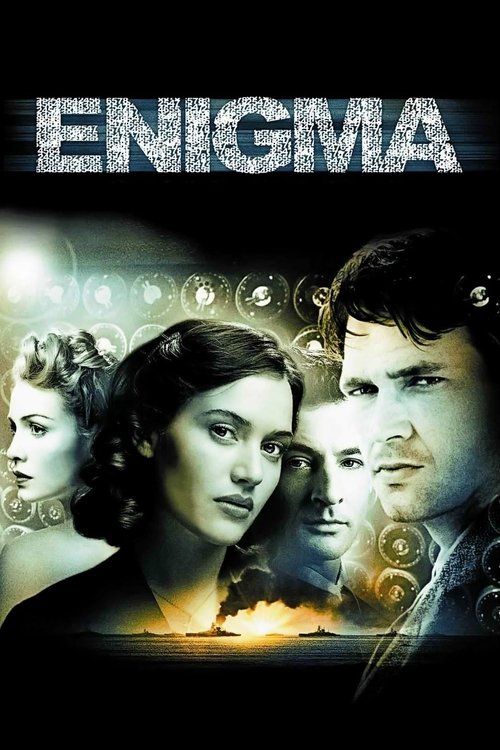
That life has been the subject of a play ("Breaking the Code" by Hugh Whitemore) and several books, and going its own way with an invented set of characters, the Tom Stoppard screenplay "Enigma" explored similar themes of love and deceit and a race against time.
(Some viewers may recall that this ground was covered by Michael Apted’s 2001 Enigma — a largely fictionalized account complete with name changes.)
The film’s very title refers to a game posited by Turing to deduce whether one was speaking to a man, woman or machine – a forerunner of the Voight-Kampff test from Blade Runner to which this owes a greater debt than such apparently comparable fare as 2001’s Enigma .
On a historical level one can fault this retelling of the English breaking of the Nazi Enigma code, the complex system through which German military instructions were sent to the field —an episode of World War II previously dramatized, though none too successfully, in Michael Apted’s “Enigma” (2001)—for inaccuracies.
The 2001 film Enigma, fictionalised the story by eliminating Turing completely and making it into a spy thriller.
But the film does a far superior job in depicting Turing and his story than the earlier film "Enigma" (2001) starring Dougray Scott and Kate Winslet.
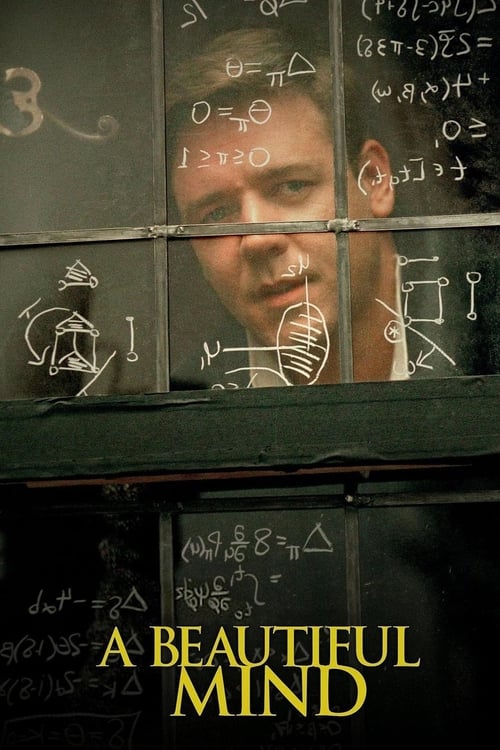
Turing’s story may evoke memories of Ron Howard’s phony, falsified and sentimental Oscar-winner “A Beautiful Mind.”
Though commendable for not forgoing from the story, a step-up from the John Nash biopic A Beautiful Mind which this film resembles in content and structure, Turing’s sexuality is still kept at arm’s length.
“The Imitation Game” doesn’t embarrass itself by trying to explain convoluted mathematical issues; there’s nothing on the order of “A Beautiful Mind”’s forehead-slapping breakdown of game theory.
The Imitation Game walks a fine line in making the familiar effective, also reflecting A Beautiful Mind at points.
A Beautiful Mind and Enigma are obvious comparisons, yet The Imitation Game has something for everyone: war adventure, betrayal, political intrigue, love, romance, drama, deception, comedy and heroism.
As played by Benedict Cumberbatch, Turing is a genius in the "The Social Network" and "A Beautiful Mind" mold: brilliant but utterly lacking interpersonal skills, with an added dash of Drax the Destroyer's literal-minded humorlessness.
Advertisement
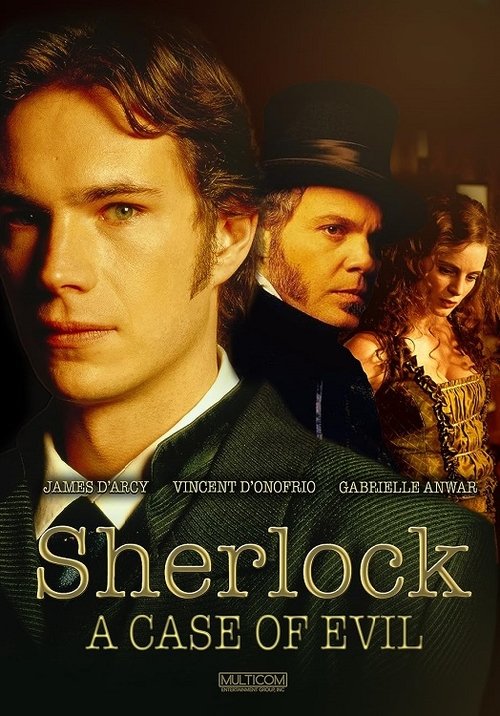
Instead of constantly reminding “Sherlock” fans of his Emmy-winning role as the Arthur Conan Doyle’s master of deduction, Cumberbatch has broken his own code of how to distinguish this particular eccentric genius as a completely separate but yet no less compelling entity.

In adapting Andrew Hodges’ Turing biography, “The Enigma,” first-time screenwriter Graham Moore seems to have made a close study of Aaron Sorkin’s script for “The Social Network,” which “The Imitation Game” resembles in its flashback structure, many scenes of geeky young men huddled over complex algorithms, and its central conception of Turing as an Aspergian outcast who makes up in haughty, condescending attitude what he lacks in basic social graces.
Since “The Imitation Game” addresses each of these topics, one imagines its distributor Harvey Weinstein has been touting the movie as “The King’s Speech” meets “The Social Network” meets “Milk.”
As played by Benedict Cumberbatch, Turing is a genius in the "The Social Network" and "A Beautiful Mind" mold: brilliant but utterly lacking interpersonal skills, with an added dash of Drax the Destroyer's literal-minded humorlessness.
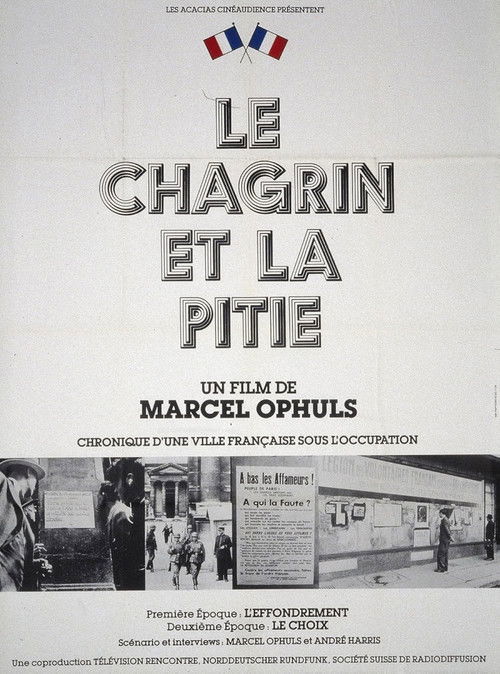
Turing’s offhand wisdom replicates a dominant theme of Marcel Ophuls’s The Sorrow and the Pity : that loners and pariahs were most likely to rise up against authority to save society at large.

Dirk Bogarde played a gay lawyer in 1961’s Victim, a melodrama with the moral dread of something from Hammer Films ’ mid-period.
Advertisement
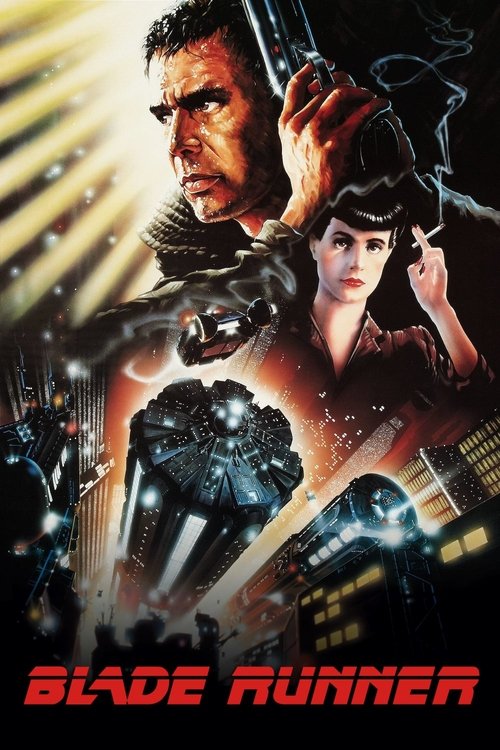
The film’s very title refers to a game posited by Turing to deduce whether one was speaking to a man, woman or machine – a forerunner of the Voight-Kampff test from Blade Runner to which this owes a greater debt than such apparently comparable fare as 2001’s Enigma .
Prior to Eric Diaz' list a year ago , I hate to admit I was not familiar with Alan Turing, who cracked the Enigma code machine during World War II, developed the "Turing Test" for artificial intelligence, as notably copied in Blade Runner, and was promptly prosecuted for being gay.

It’s an extraordinarily subtle and poignant turn that enriches Cumberbatch’s own performance, the way Hugh O’Conor did for Daniel Day Lewis in My Left Foot, or Noah Taylor for Geoffrey Rush in Shine.