
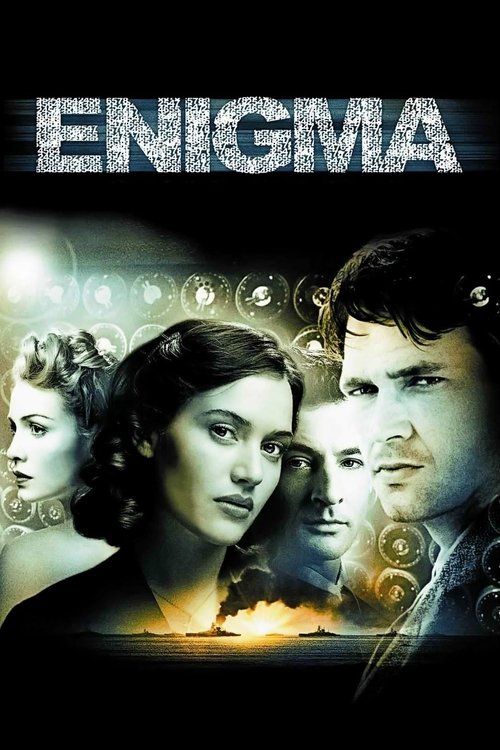
Enigma (2001)
Directed by Michael Apted
The story of the WWII project to crack the code behind the Enigma machine, used by the Germans to encrypt messages sent to their submarines.
2 connections found
View:
2 connections, in both directions
What critics compared Enigma to
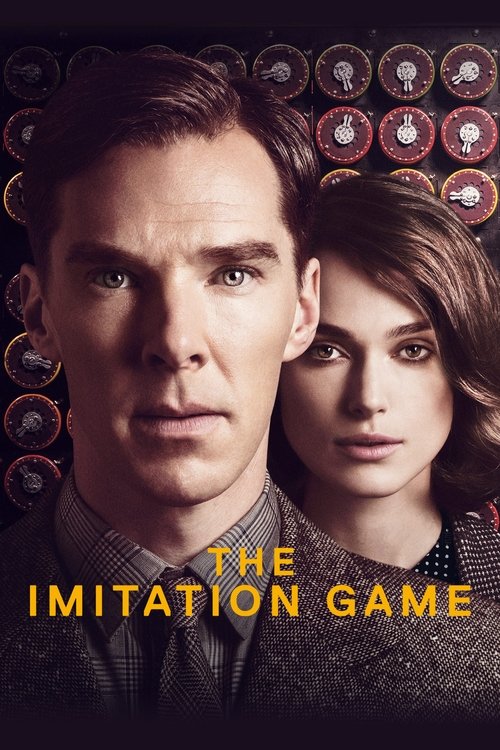


That life has been the subject of a play ("Breaking the Code" by Hugh Whitemore) and several books, and going its own way with an invented set of characters, the Tom Stoppard screenplay "Enigma" explored similar themes of love and deceit and a race against time.
(Some viewers may recall that this ground was covered by Michael Apted’s 2001 Enigma — a largely fictionalized account complete with name changes.)
The film’s very title refers to a game posited by Turing to deduce whether one was speaking to a man, woman or machine – a forerunner of the Voight-Kampff test from Blade Runner to which this owes a greater debt than such apparently comparable fare as 2001’s Enigma .
On a historical level one can fault this retelling of the English breaking of the Nazi Enigma code, the complex system through which German military instructions were sent to the field —an episode of World War II previously dramatized, though none too successfully, in Michael Apted’s “Enigma” (2001)—for inaccuracies.
The 2001 film Enigma, fictionalised the story by eliminating Turing completely and making it into a spy thriller.
But the film does a far superior job in depicting Turing and his story than the earlier film "Enigma" (2001) starring Dougray Scott and Kate Winslet.
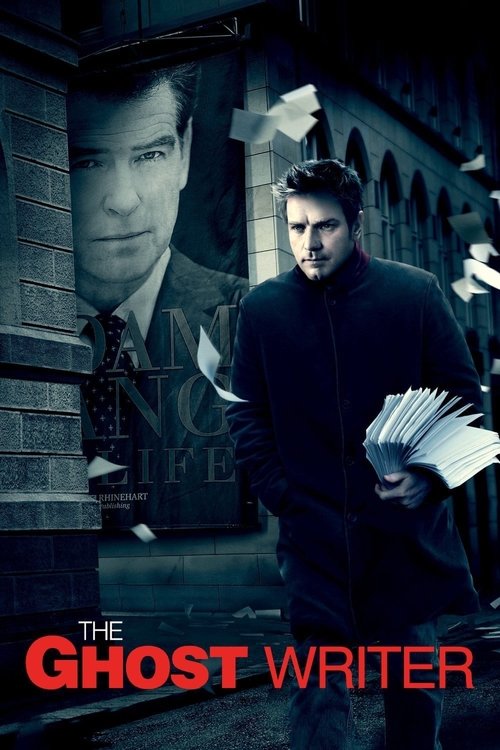
A thriller from filmmaking master Roman Polanski, based on the novel by Robert Harris (Enigma).