
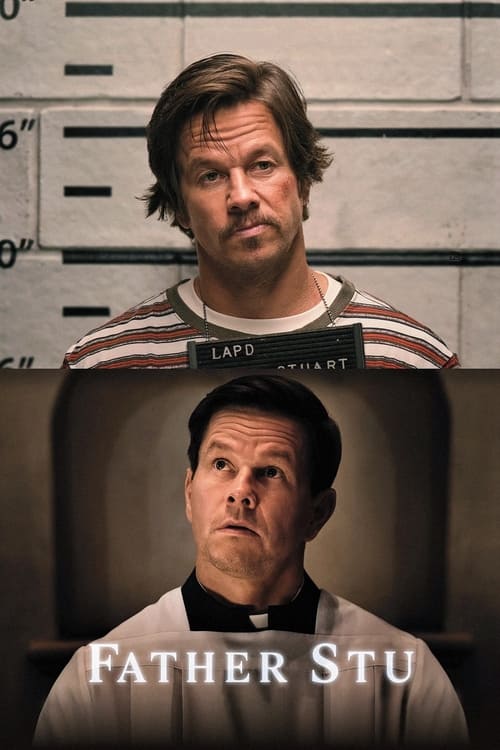
Father Stu (2022)
Directed by Rosalind Ross
The true-life story of boxer-turned-priest. When an injury ends his amateur boxing career, Stuart Long moves to Los Angeles to find money and fame. While scraping by as a supermarket clerk, he meets Carmen, a Sunday school teacher who seems immune to his bad-boy charm. Determined to win her over, the longtime agnostic starts going to church to impress her. However, a motorcycle accident leaves him wondering if he can use his second chance to help others, leading to the surprising realization that he's meant to be a Catholic priest.
14 connections found
View:
14 films that influenced Father Stu
What critics say influenced Father Stu



And again, while there is no deep, lengthy devotion in the film for portraying the profound loss needed to gain spiritual advancement (on par with, say, “The Song of Bernadette”), when Stu gets blindsided by yet another medical ailment, his turning to God in desperation in a dark night of the soul is a truly powerful, exceptionally well-acted scene.
It’s based on the real Father Stuart Long, with the standard theatrical embellishments (and concepts of suffering to test faith), but none are significant enough to give this picture the profound flavor of “The Song of Bernadette,” or “The Robe,” or “A Man for All Seasons” (or even “My Left Foot” or “The Diving Bell and the Butterfly,” a la the biblical Book of Job).
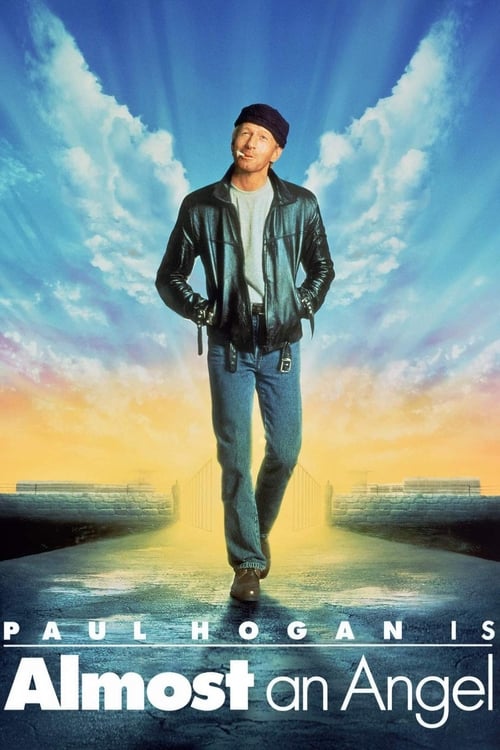
Its best vibes actually channel those of the comedies “Almost an Angel” or perhaps “Sister Act,” placing foulmouthed anecdotes and tough-guy attitudes against the properness of monsignors and cassocks.

It’s based on the real Father Stuart Long, with the standard theatrical embellishments (and concepts of suffering to test faith), but none are significant enough to give this picture the profound flavor of “The Song of Bernadette,” or “The Robe,” or “A Man for All Seasons” (or even “My Left Foot” or “The Diving Bell and the Butterfly,” a la the biblical Book of Job).
Overall, though, the flavor is less “The Robe” and has more in common, tone-wise, with something like the comedy “Sister Act.”
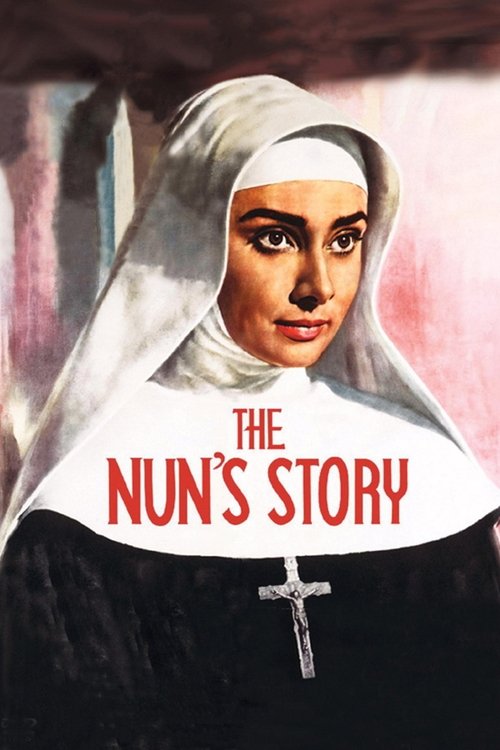
Admittedly, religious devotion is a notoriously difficult subject to dramatize, but Fred Zinnemann managed it in his excellent 1959 drama, The Nun’s Story , which took the time to explore the minutiae of a religious calling as well as the ambivalence that an aspirant might feel.
It’s based on the real Father Stuart Long, with the standard theatrical embellishments (and concepts of suffering to test faith), but none are significant enough to give this picture the profound flavor of “The Song of Bernadette,” or “The Robe,” or “A Man for All Seasons” (or even “My Left Foot” or “The Diving Bell and the Butterfly,” a la the biblical Book of Job).
Advertisement
In talking about his faith, Stuart repeatedly refers to Christ’s time on the cross, reminding us of Gibson’s 2004 box-office smash “The Passion of the Christ.”
In context it’s akin to Mel Gibson’s “The Passion of the Christ” (2004), clearly a faith-based passion project that’s compelling and visceral for those who believe and a fine film for others who believe otherwise.
Wahlberg and Gibson’s Catholicism sync up seamlessly, since there’s a line that’s pointedly derogatory regarding Jews at the crucifixion, which echoes Gibson’s own, self-directed “The Passion of the Christ.”
And as an ardent Catholic, this is his Hollywood message film flex, his “The Passion of the Christ.”
So many of Gibson's signature blockbusters feature him being tortured in some manner or another, and of course he famously offered a particularly gory crucifixion story with his blockbuster The Passion of the Christ .
The more astute among us might’ve noted a certain flavor of fervent Catholicism — Gibson’s illustrated by his having directed The Passion Of The Christ (still far and away the most successful religious movie ever made, a massive bet Gibson placed on himself that paid off beyond his wildest dreams, essentially the faith-based Avatar ), Wahlberg’s in more cryptic clues, like telling the world he’d become religious and quit masturbating, all the way back in 2012 (this during the same interview in which he famously said he would’ve stopped 9/11).

It’s based on the real Father Stuart Long, with the standard theatrical embellishments (and concepts of suffering to test faith), but none are significant enough to give this picture the profound flavor of “The Song of Bernadette,” or “The Robe,” or “A Man for All Seasons” (or even “My Left Foot” or “The Diving Bell and the Butterfly,” a la the biblical Book of Job).
He’s as naïve about his prospects, and as sun-dazed in his misplaced belief in himself, as Joe Buck in the early scenes of “Midnight Cowboy.”
Strangely, however, it doesn’t go far enough with those contrasts, despite a light hint of “Midnight Cowboy” when Stu confidently strolls into Hollywood, unprepared for the sleaze.
It’s based on the real Father Stuart Long, with the standard theatrical embellishments (and concepts of suffering to test faith), but none are significant enough to give this picture the profound flavor of “The Song of Bernadette,” or “The Robe,” or “A Man for All Seasons” (or even “My Left Foot” or “The Diving Bell and the Butterfly,” a la the biblical Book of Job).
Advertisement
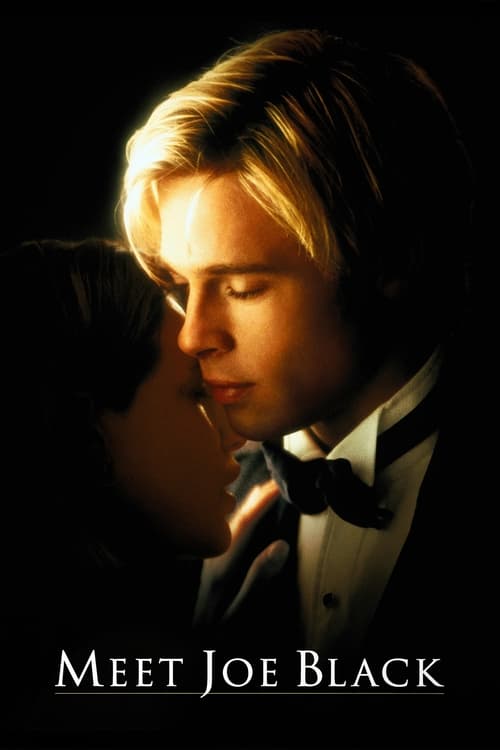
Later, after receiving some unsolicited advice from a Christ-like bar rat at his local watering hole, Stu will get “Meet Joe Black”-ed by two different cars after drunkenly crashing that same motorcycle, only to be saved by a life-altering vision of the Virgin Mary.
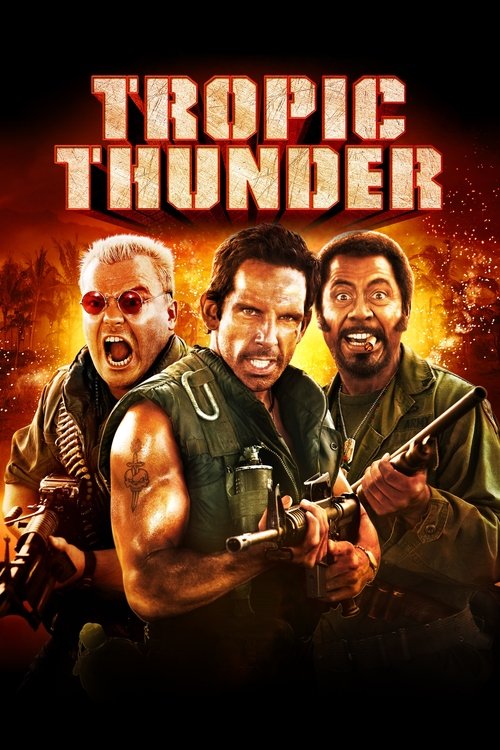
One look at the poster, suitable for inclusion somewhere in Tropic Thunder, makes it easy to tell how much this reeks of cliche Catholic pandering, complete with the hilariously hacky tagline of “God wanted a fighter … and he found one.”
…but in fact, the end result comes off more like one of those joke movies in Tropic Thunder.