

Jonathan Mostow
33 connections found

View:
Connections, in both directions


Between "Das Boot", "Crimson Tide", "Run Silent, Run Deep" and "The Hunt for Red October", the submarine genre has pretty much been given its due.
Instead, he's keen to pay homage to the likes of "Run Silent, Run Deep" and "Destination Tokyo."
As submarine flicks go, "U-571" is midrange: The superior look, headlong action and un-hokey performances (only Harvey Keitel, keyed down to pure ballast, is miscast) are offset by too many oh-come-now moments and a key bit of subterfuge lifted directly from "Run Silent, Run Deep."
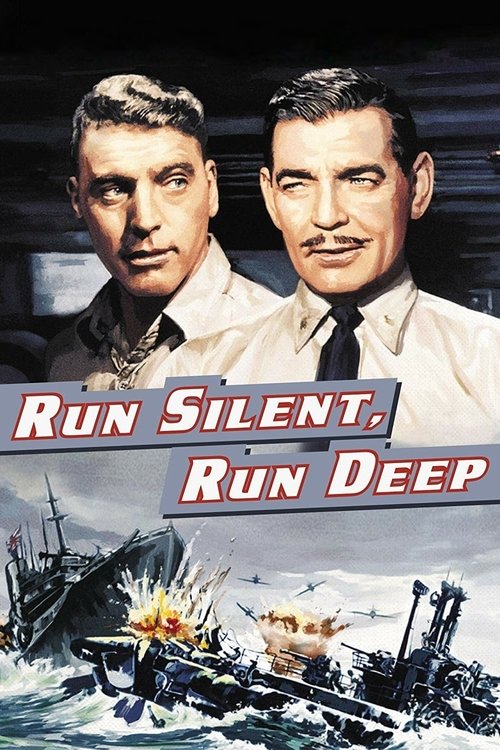
Tense submarine movies have big stars - Cary Grant in "Destination Tokyo," Burt Lancaster in "Run Silent Run Deep," Sean Connery and Alec Baldwin in McTiernan's "Hunt for Red October," Denzel Washington and Gene Hackman in "Crimson Tide."
I said, siting "Das Boot," "Run Silent, Run Deep," and making an allowance for the Cold War, "Crimson Tide" and "The Hunt for Red October."

Instead, he's keen to pay homage to the likes of "Run Silent, Run Deep" and "Destination Tokyo."
Tense submarine movies have big stars - Cary Grant in "Destination Tokyo," Burt Lancaster in "Run Silent Run Deep," Sean Connery and Alec Baldwin in McTiernan's "Hunt for Red October," Denzel Washington and Gene Hackman in "Crimson Tide."
But the biggest failing of U-571 is that we've seen most of it before, in better films like Das Boot , Run Silent Run Deep , and Destination Tokyo .
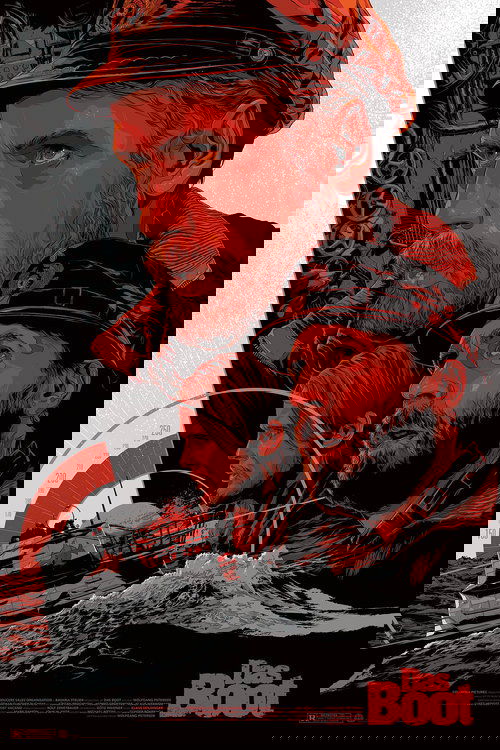
U-571 is an awfully familiar journey through the Atlantic Ocean via submarine, one that we�ve taken before in Wolfgang Petersen�s Das Boot, Tony Scott�s Crimson Tide, and John McTiernan�s The Hunt for Red October.
Wolfgang Petersen exploited this flaw in our makeup back in 1981 with his classic World War II submarine epic Das Boot, a German film that had us temporarily pulling for the German army.
Between "Das Boot", "Crimson Tide", "Run Silent, Run Deep" and "The Hunt for Red October", the submarine genre has pretty much been given its due.
Aided by persuasive effects and authoritative production design from Götz (Das Boot) Weidner, writer/director Mostow pays his dues to the genre, but without much charge and even less depth.
U-571 slickly emulates Wolfgang Petersen's Das Boot (even grabbing that film's production designer Götz Weidner to work with Wm Ladd Skinner).
In his DVD commentary, Mostow makes clear that he isn't interested in the you-are-there squalor of "Das Boot" -- arguably the finest sub picture ever made.

Echoes of thrillers past, including The Vanishing (girlfriend disappears without a trace!), Steven Spielberg's Duel (menacing big rig seen through rearview mirror!), and even the recent The Trigger Effect (technological failure = anarchy!) are everywhere in the air here.
Initially, it seems spliced together from two chilling classics, George Sluizer's "The Vanishing" (the original Belgian version from 1988, not the idiotic American remake) and, years before, Steven Spielberg's made-for-TV "Duel," about a psychopathic but entirely anonymous truck set on erasing a mild-mannered traveling salesman.
As it does in Spielberg's Duel, evil arrives in the guise of a big truck.
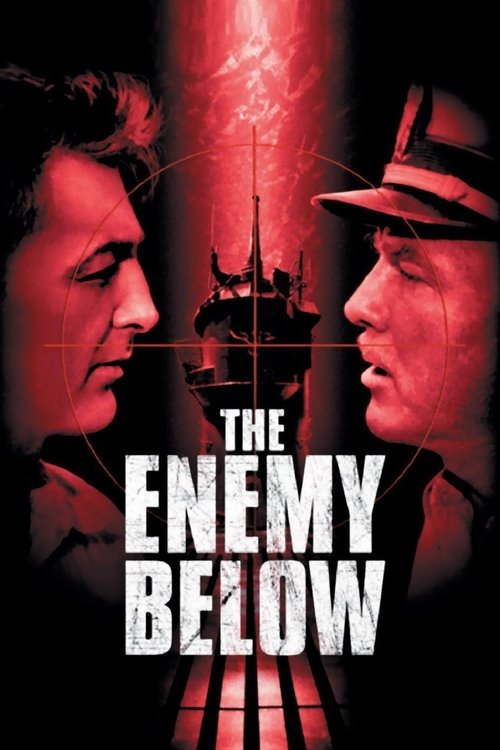
Submarines and movies were made for each other, or so I thought at the age of nine when I first saw The Enemy Below.
It is fairly obvious that writer-director Jonathan Mostow was trying to re-create the dramatic tension of the king of the submarine genre, "Das Boot," but he's not in the same ocean, nor does it reach the level of "The Hunt for Red October," "The Enemy Below," "The Abyss" and other top-line films featuring submarines.

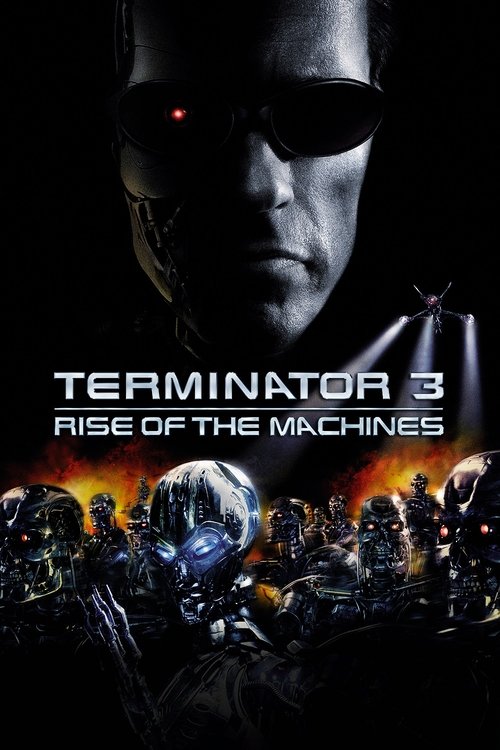
What we have here is more like T3 director Jonathan Mostow's most outlandish, rejected Terminator sequel concepts, superimposed onto a Fahrenheit 451-style cautionary sci-fi satire (same screenwriters as T3, too).
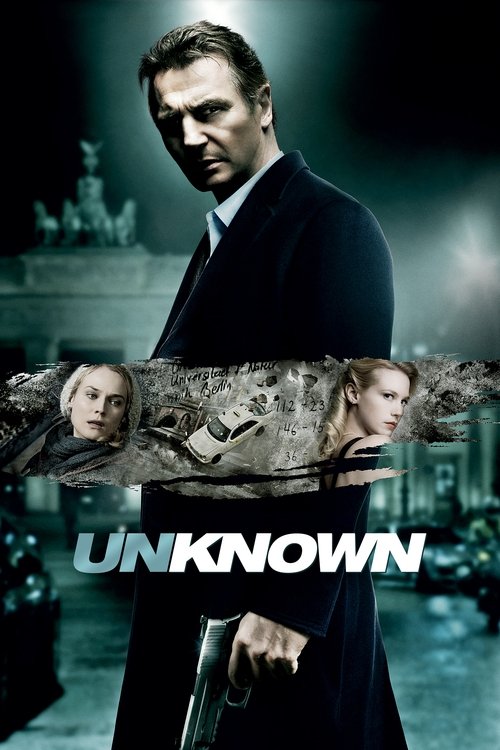
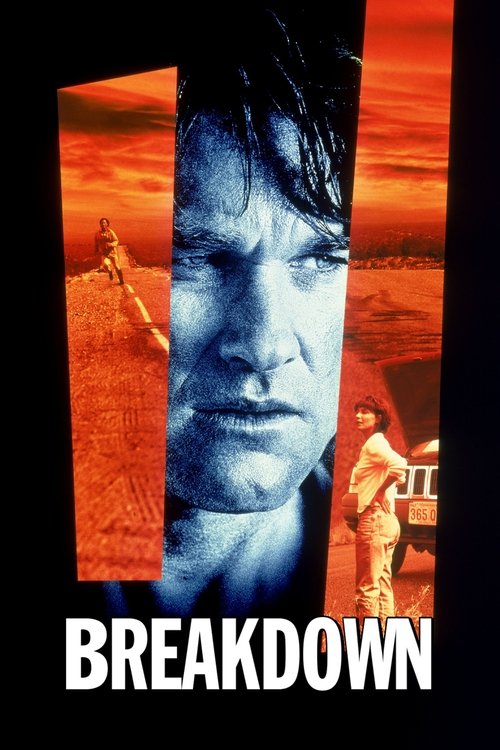
"Unknown" sort of reminds of a reverse version of 1997's expert thriller "Breakdown," starring Kurt Russell as a man whose wife disappears without a trace when their car breaks down in the desert and she catches a ride to a nearby gas station with a good-samaritan truck driver.

"Gray Lady Down," someone else suggested, referring to a 1977 Charleton Heston sinking-survival yawner.
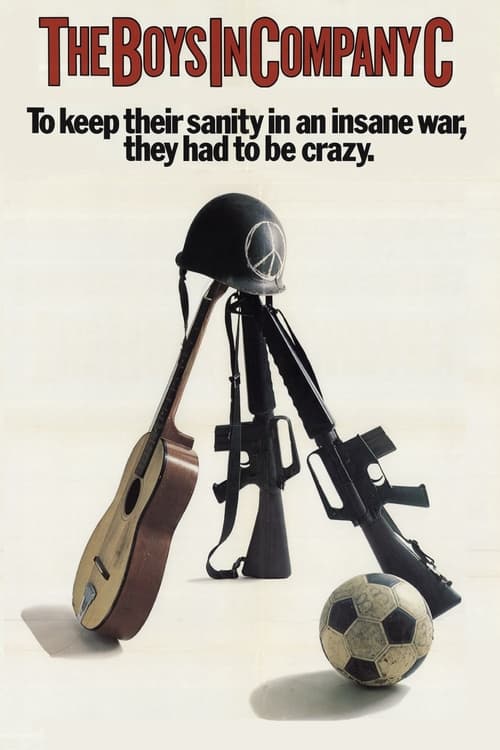
The sports metaphor in war is used so often as to verge on cliche unless it is a means to make some other point, as in Don Delillo's novel Endzone, Robert Altman's 1970 film M*A*S*H, or Sidney J. Furie's 1978 The Boys in Company C. In U-571, though, the metaphor functions as an end in itself.
Initially, it seems spliced together from two chilling classics, George Sluizer's "The Vanishing" (the original Belgian version from 1988, not the idiotic American remake) and, years before, Steven Spielberg's made-for-TV "Duel," about a psychopathic but entirely anonymous truck set on erasing a mild-mannered traveling salesman.
The situation at this point resembles the opening dilemma of "The Vanishing" (1988), a brilliant Dutch-French thriller (accept no substitutes; the 1993 U.S. remake is a pale shadow).
This could be a nice premise for an action thriller movie centered on the hero's search for hid loved one(Jonathan Mostow's "Breakdown"(1997) is a good example), but Sluizer's screenplay, based on his co-writer Tom Krabbѐ's novella "The Golden Egg", takes a more interesting route.
Between "Das Boot", "Crimson Tide", "Run Silent, Run Deep" and "The Hunt for Red October", the submarine genre has pretty much been given its due.
It is fairly obvious that writer-director Jonathan Mostow was trying to re-create the dramatic tension of the king of the submarine genre, "Das Boot," but he's not in the same ocean, nor does it reach the level of "The Hunt for Red October," "The Enemy Below," "The Abyss" and other top-line films featuring submarines.
I said, siting "Das Boot," "Run Silent, Run Deep," and making an allowance for the Cold War, "Crimson Tide" and "The Hunt for Red October."
There have been many great submarine films made in the history of cinema, from Run Silent, Run Deep to Das Boot to The Hunt For Red October to Crimson Tide.
Crimson Tide, for instance, had Gene Hackman and Denzel Washington discussing the finer points of stallions and The Silver Surfer, as a nuclear meltdown with Russia loomed closer.
Between "Das Boot", "Crimson Tide", "Run Silent, Run Deep" and "The Hunt for Red October", the submarine genre has pretty much been given its due.
Tense submarine movies have big stars - Cary Grant in "Destination Tokyo," Burt Lancaster in "Run Silent Run Deep," Sean Connery and Alec Baldwin in McTiernan's "Hunt for Red October," Denzel Washington and Gene Hackman in "Crimson Tide."
I said, siting "Das Boot," "Run Silent, Run Deep," and making an allowance for the Cold War, "Crimson Tide" and "The Hunt for Red October."
There have been many great submarine films made in the history of cinema, from Run Silent, Run Deep to Das Boot to The Hunt For Red October to Crimson Tide.

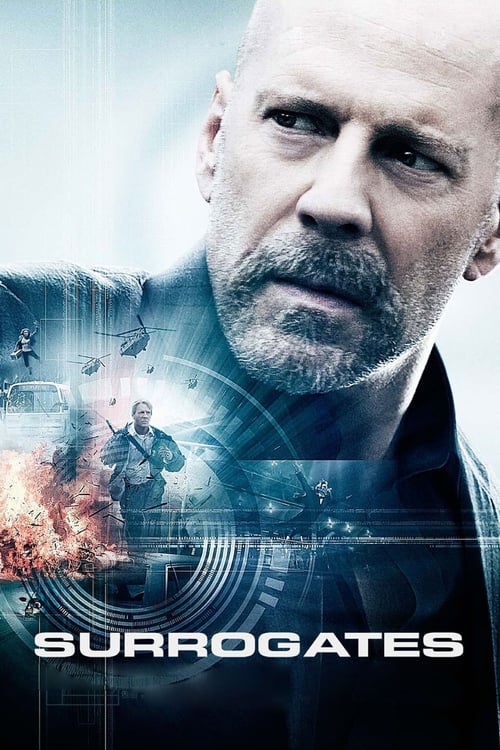
But he also made the superior thrillers Breakdown and U-571 a decade or so ago, so perhaps he (or a surrogate?) is returning to form.
But he also made the superior thrillers Breakdown and U-571 a decade or so ago, so perhaps he (or a surrogate?) is returning to form.
The Godfather Part II (1974)
Directed by Francis Ford Coppola
influenced Terminator 3: Rise of the Machines (2003)
There has been a lot of speculation about whether he can live up to Cameron's legacy—but we're not talking The Godfather (1972) and The Godfather Part 2 (1974) here.
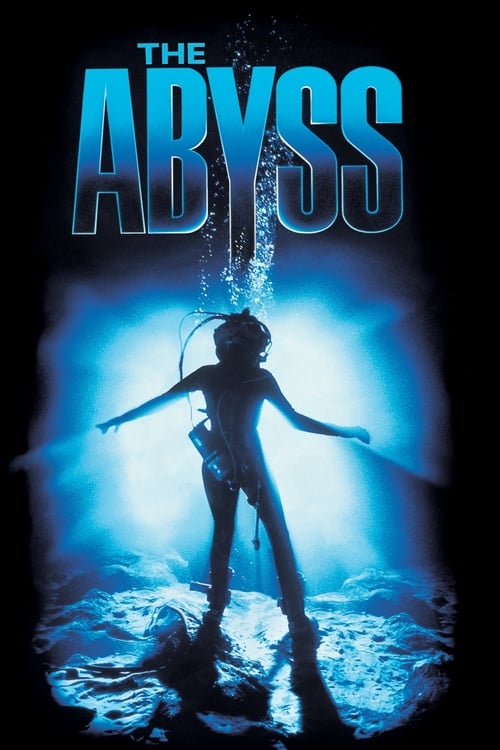
It is fairly obvious that writer-director Jonathan Mostow was trying to re-create the dramatic tension of the king of the submarine genre, "Das Boot," but he's not in the same ocean, nor does it reach the level of "The Hunt for Red October," "The Enemy Below," "The Abyss" and other top-line films featuring submarines.
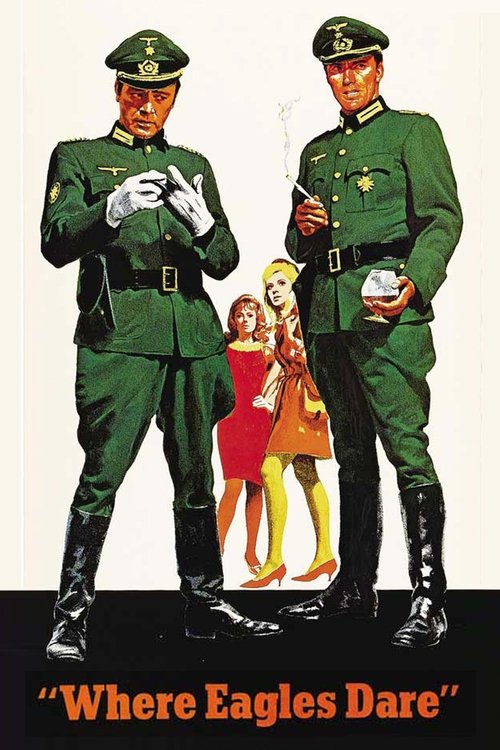
Conceived, co-scripted and directed by Jonathan Mostow, who first captured attention with his 1997 thriller "Breakdown," "U-571" aspires to the level of such popular ¹60s-era World War II "mission" films as "Where Eagles Dare" and "The Dirty Dozen."

Conceived, co-scripted and directed by Jonathan Mostow, who first captured attention with his 1997 thriller "Breakdown," "U-571" aspires to the level of such popular ¹60s-era World War II "mission" films as "Where Eagles Dare" and "The Dirty Dozen."
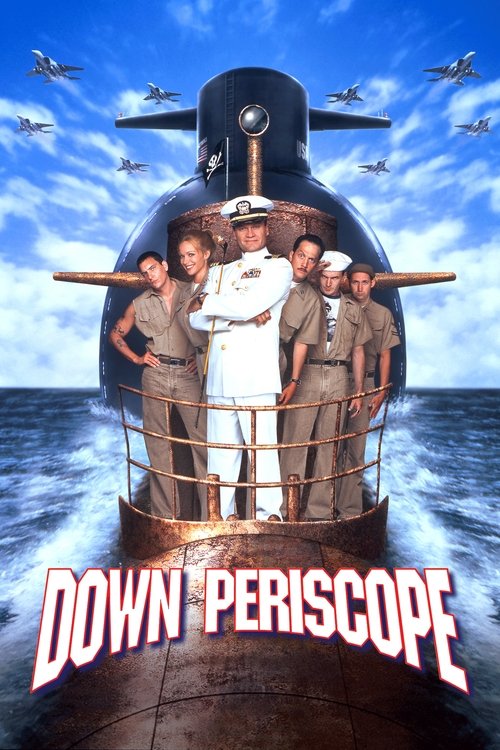
Somebody brought up "Down Periscope," a near-laughless 1996 military comedy with Kelsey Grammar, so we narrowed our discussion to submarine dramas.

M3GAN 2.0 (2025)
Directed by Gerard Johnstone
influenced by Terminator 3: Rise of the Machines (2003)
Characters
There are even, given the gynoid status of the antagonist, elements of Jonathan Mostow’s Terminator 3: Rise of the Machines (2003) here.

Happily, any foreboding inspired by the likes of Terminator 3: Rise of the Machines or Spider-Man 3 quickly dissipates once West and Goth settle back into their director-muse relationship.