

Don Coscarelli
31 connections found
View:
Connections, in both directions
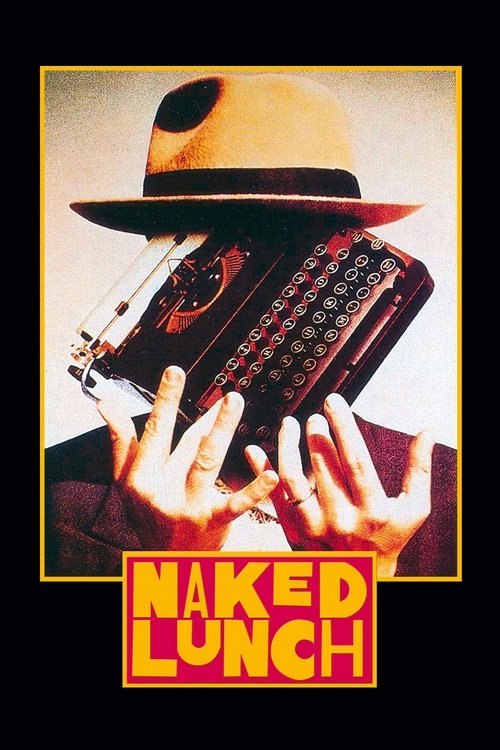
Naked Lunch (1991)
Directed by David Cronenberg
influenced John Dies at the End (2013)
Themes Visuals


Like “Naked Lunch” or “The Adventures of Buckaroo Banzai Across the 8th Dimension” before it, “John Dies At The End” is a weird, wild, and wonderfully unique film that defies just about every convention that critics – and traditional media – throw at it.
If you liked “Donnie Darko” and David Cronenberg’s “Naked Lunch”; if you enjoyed “Scott Pilgrim vs. the World” and Michael Haneke’s early films – and the underappreciated third film of George A. Romero’s zombie trilogy, and Zack Snyder’s “Sucker Punch” – well, then I think you’re good with “John Dies at the End.” (You might have to admit that you kind of liked Guy Ritchie’s idiotic work of Madonna-informed mysticism, “Revolver,” and you certainly have to be excited about Giamatti’s upcoming role in Ari Folman’s “The Congress,” adapted from a novel by Polish sci-fi cult hero Stanislaw Lem. ) Like I say, self-limiting.
The effects tip this off as an attempt to make a David Cronenberg (“Scanners,” “Naked Lunch”) comedy, with a few “Fright Night” touches.
John Dies at the End is joyously heterodox in its method, an everything-but-the-kitchen-sink mélange of sci-fi, black comedy, and action, with disquieting body-horror sight gags that at times recall David Cronenberg’s Naked Lunch .
In case you missed it , I'm a big fan of John Dies at the End, mainly because it's not a movie you can really say is like anything else; I have made comparisons to both Naked Lunch (drugs 'n demons) and Buckaroo Banzai (insanity from alternate dimensions hunted by celebrity superstars) a few times here, but it's a lot more satisfying as a story than either.

With his cowled eyes and pallid skin, young Noah Wiseman combines the plucky spark of Phantasm ’s Michael Baldwin with the haunted gaze of The Hills Have Eyes ’ Michael Berryman – a figure of both pity and fear who inspires wildly contradictory impulses in his tormented mother.
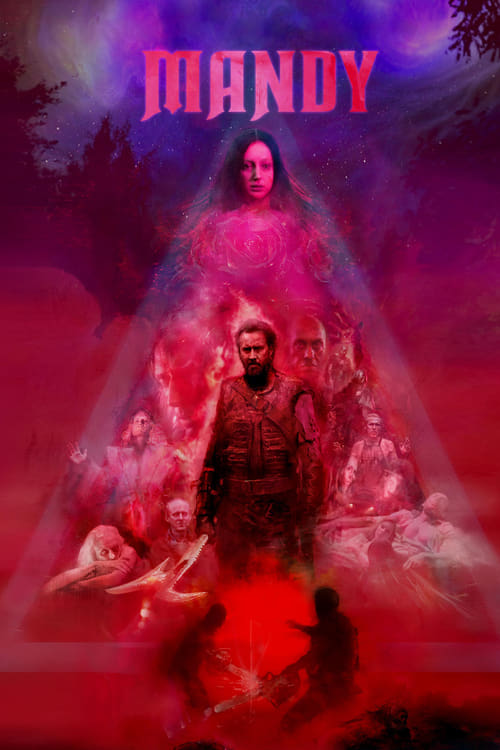
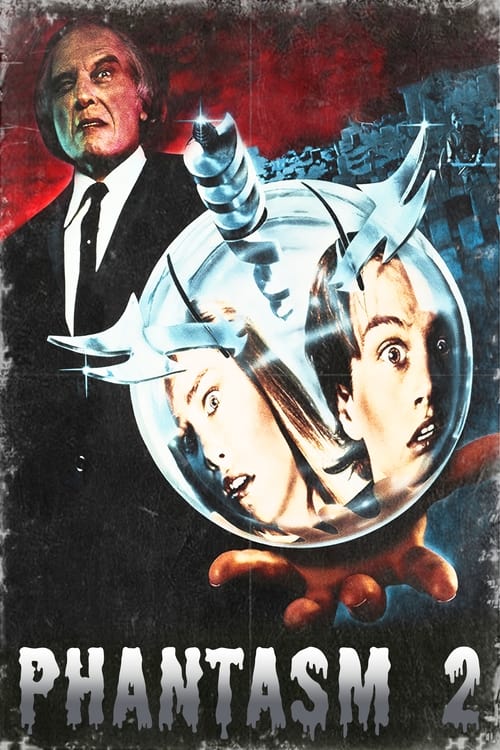
Cosmatos goes for a direct reference, likely to two gnarly ’80s horror flicks: Tobe Hooper’s The Texas Chainsaw Massacre 2 and Don Coscarelli’s Phantasm II .
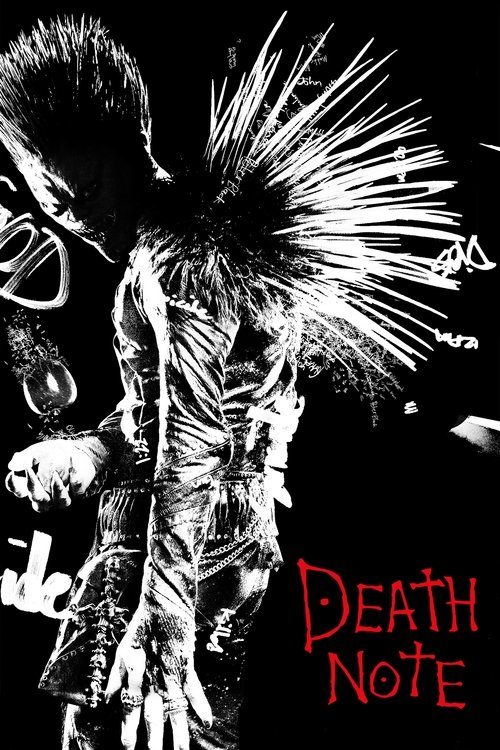
Like, say, 1979’s Phantasm, which Wingard briefly references in one scene, it boldly toes the line between sharp self-awareness and goofiness—two gears that tend to rub audiences the wrong way no matter what.

As to the cast, youngsters Muggleton and Poots come off best, especially the former, whose tight-jawed imperturbability is sometimes reminiscent of Michael Baldwin in the original “Phantasm.”
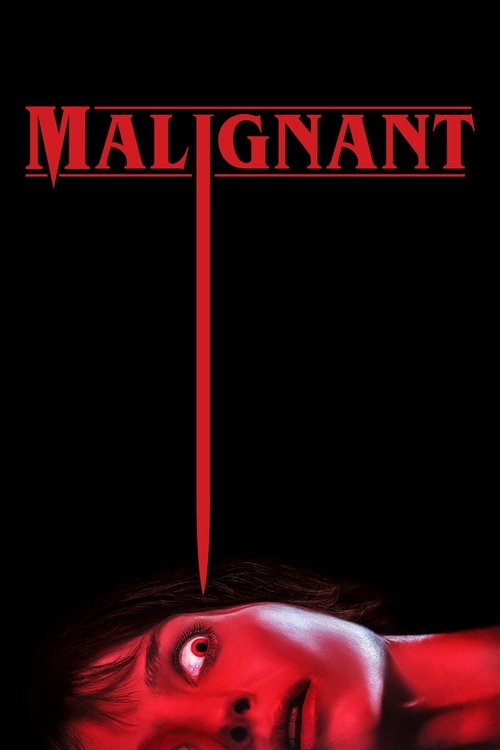
My favorite horror movies are the ones from the '80s that embraced wild, crazy concepts -- A Nightmare on Elm Street, The Return of the Living Dead , Night of the Demons , Phantasm II , etc. Malignant reminded me of those pictures.
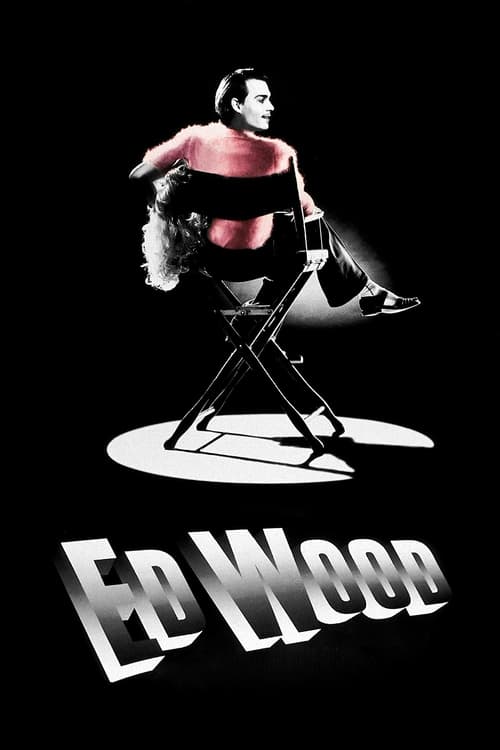
I was reminded here of Burton's Ed Wood, which was a brilliant and ironically hilarious bio-pic of one of the worst movie-makers in history done in a style reminiscent of Wood's own films.
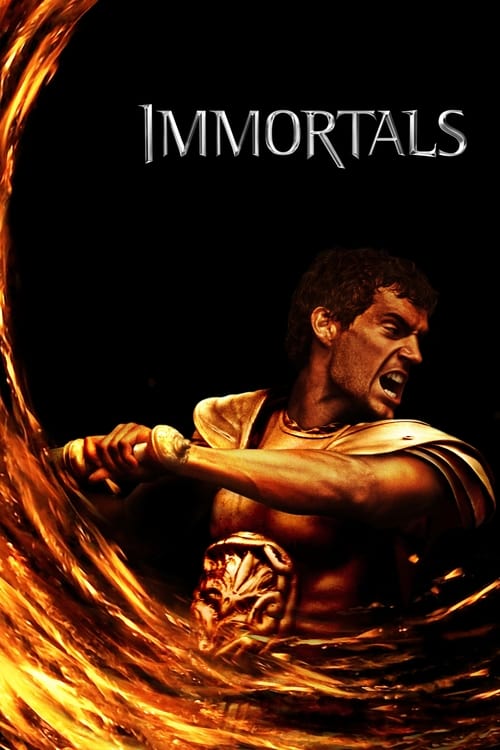
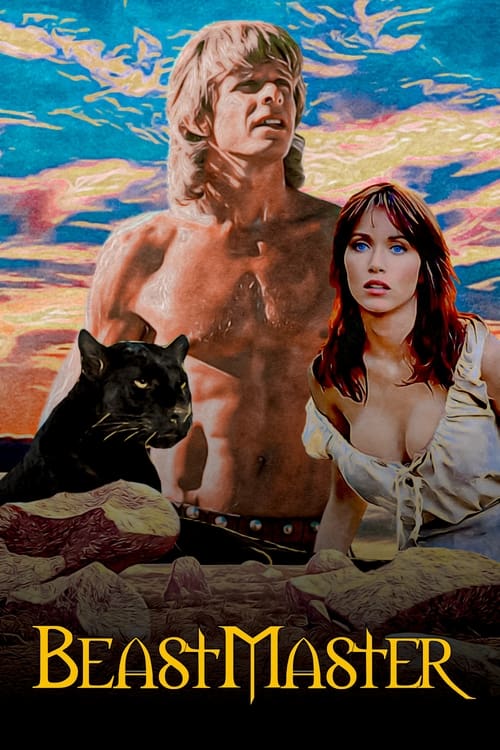
Perhaps the best approach is to suggest that if you have been avoiding this genre since you saw Marc Singer in 1983’s The Beastmaster, Tarsem Singh’s Immortals marks the right time to revisit it.

Big Trouble in Little China (1986)
Directed by John Carpenter
influenced John Dies at the End (2013)
Themes
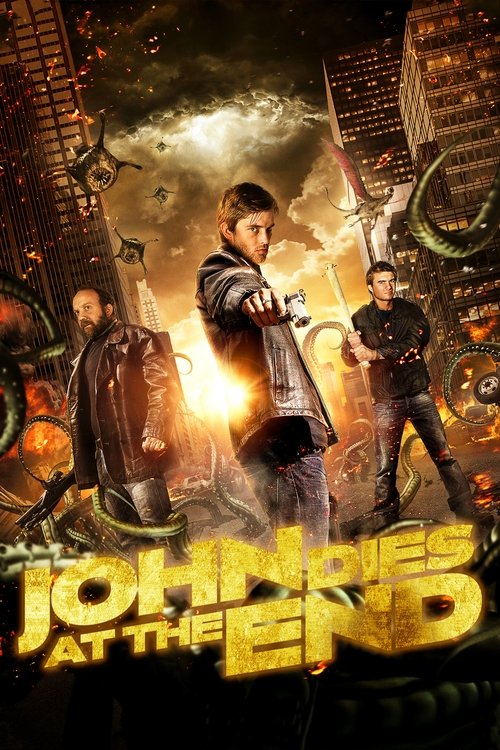
Filled with humor, kinetic action, heady scifi and philosophical mumbo jumbo, cool monsters and strong, cool characters, John Dies At The End is a movie whose family tree includes Big Trouble In Little China and Buckaroo Banzai.
(Williamson and Giamatti meet at a restaurant called “They China,” for God’s sake—and the attentive cinephile will catch allusions to Big Trouble in Little China, not surprisingly).
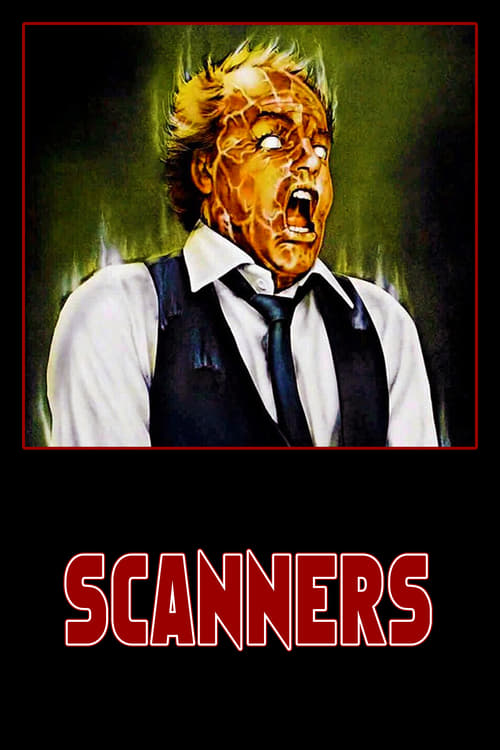
The effects tip this off as an attempt to make a David Cronenberg (“Scanners,” “Naked Lunch”) comedy, with a few “Fright Night” touches.
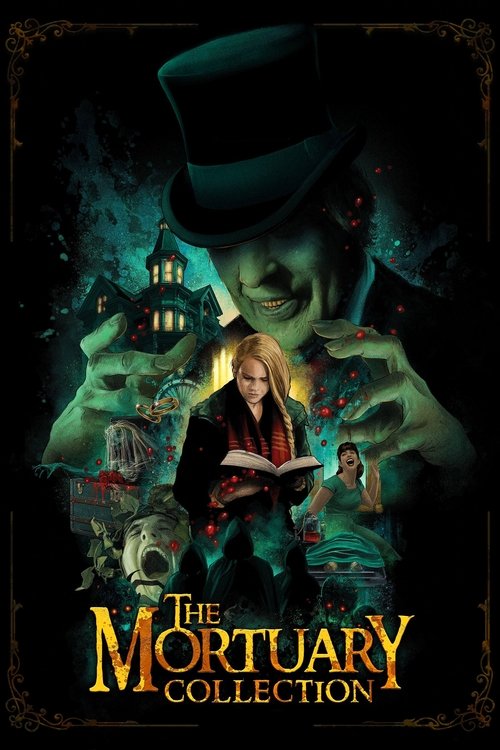
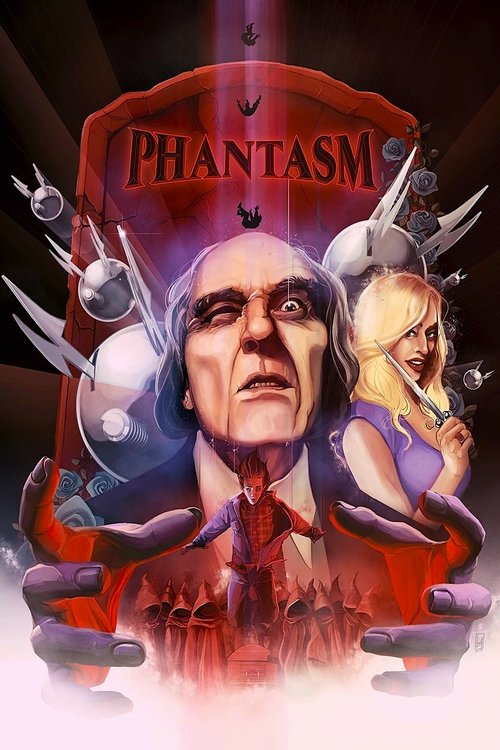
Where Potter’s Bluff has its William G Dobbs (in Gary Sherman’s Dead & Buried , 1981), and Morningside has its Tall Man (in Don Coscarelli’s Phantasm , 1979), Raven’s End has Montgomery Dark to take care of the community’s dead – and those left behind.
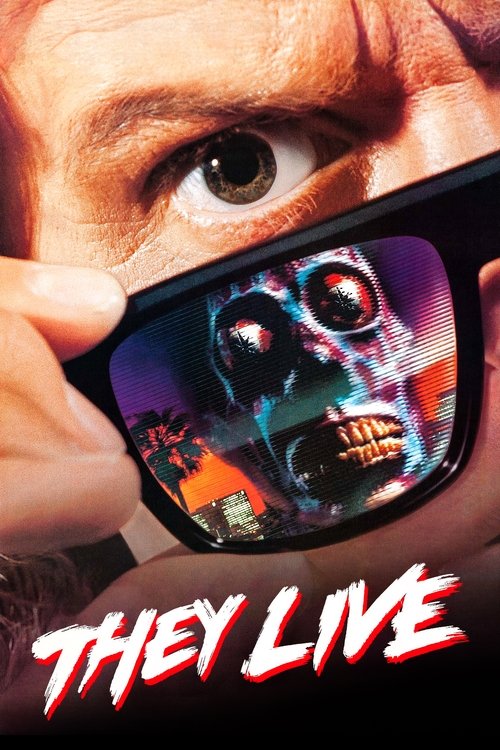
For example, the “truth” of the oncoming invasion is known only to those who shoot up the mysterious drug, “Soy Sauce,” a nice tip of the thematic hat to John Carpenter’s They Live.
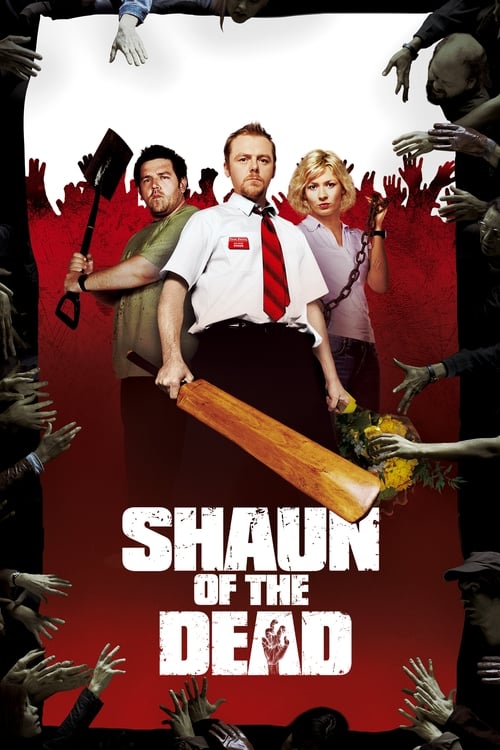
Like Edgar Wright’s Shaun of the Dead, Coscarelli’s film functions as affectionate homage to the horror material from which it draws its inspiration.
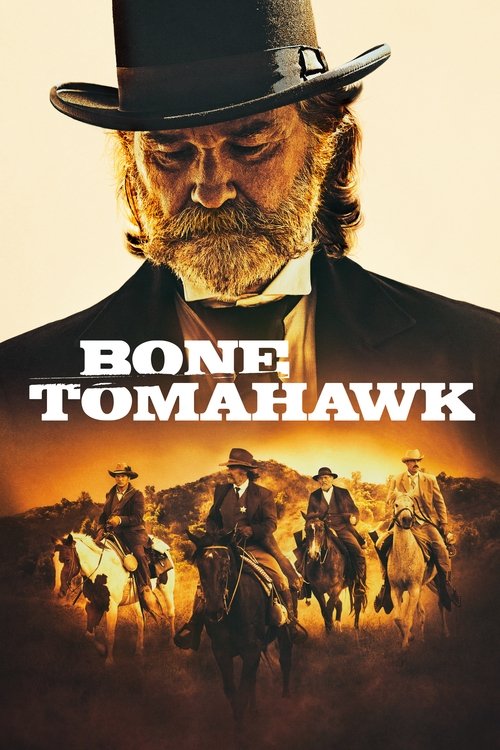
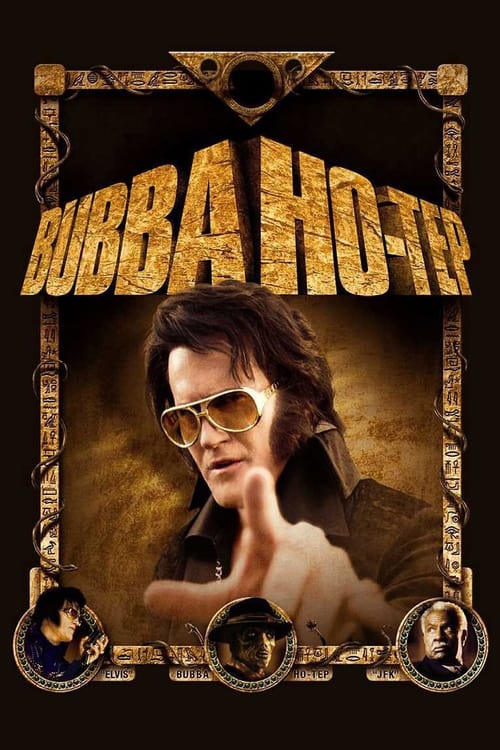
Lansdale is an East Texas writer, known for his work in the splatterpunk, Western, and crime genres, whose stories have been adapted into the films Bubba Ho-Tep and Cold in July.
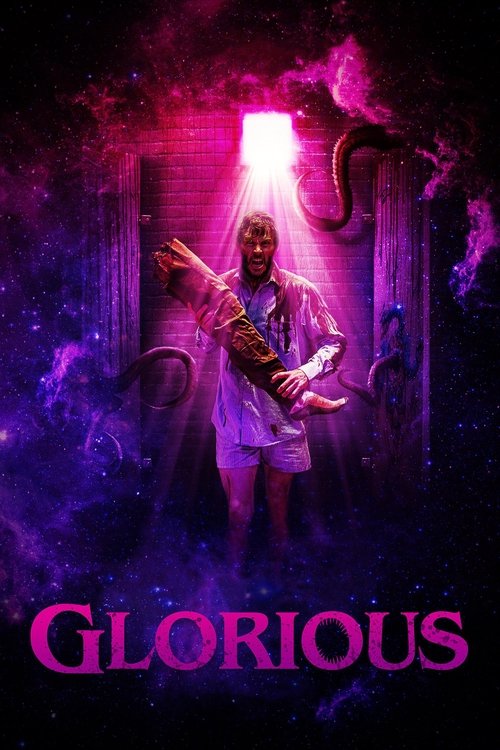
Still, it’s a satisfying and well-constructed film (despite my nitpicks about what Wes would need a toilet for) that recalls the bonkers comedy of John Dies at the End and the blood-soaked madness Ash faces in Evil Dead 2. While I overall enjoyed the movie, my major complaint is that there were times I felt Glorious was spinning me in its alternating circles too slowly.
However never has there been a more concrete example of “telling rather than showing” (except for perhaps 2012’s “ John Dies at the End “).
If you liked “Donnie Darko” and David Cronenberg’s “Naked Lunch”; if you enjoyed “Scott Pilgrim vs. the World” and Michael Haneke’s early films – and the underappreciated third film of George A. Romero’s zombie trilogy, and Zack Snyder’s “Sucker Punch” – well, then I think you’re good with “John Dies at the End.” (You might have to admit that you kind of liked Guy Ritchie’s idiotic work of Madonna-informed mysticism, “Revolver,” and you certainly have to be excited about Giamatti’s upcoming role in Ari Folman’s “The Congress,” adapted from a novel by Polish sci-fi cult hero Stanislaw Lem. ) Like I say, self-limiting.

It's along the lines of Quentin Dupieux 's " Rubber ," but really pushes the boundaries of absurdity.
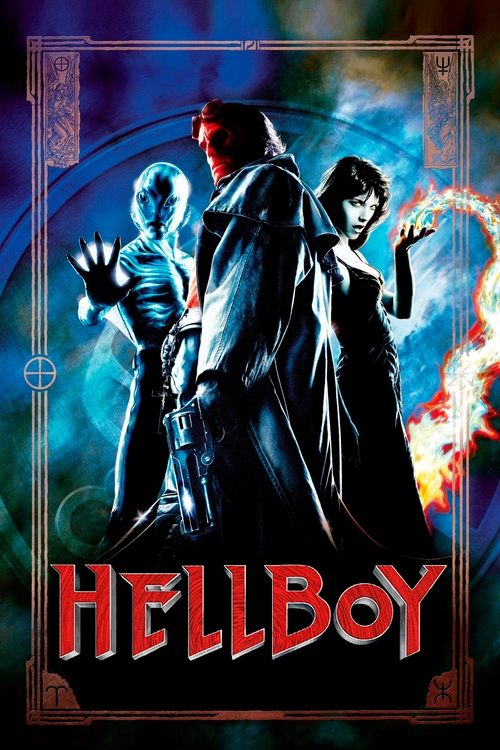
Its genre-movie cameos include an appearance by a frighteningly skinny Doug Jones (Abe Sapien in “ Hellboy ”).
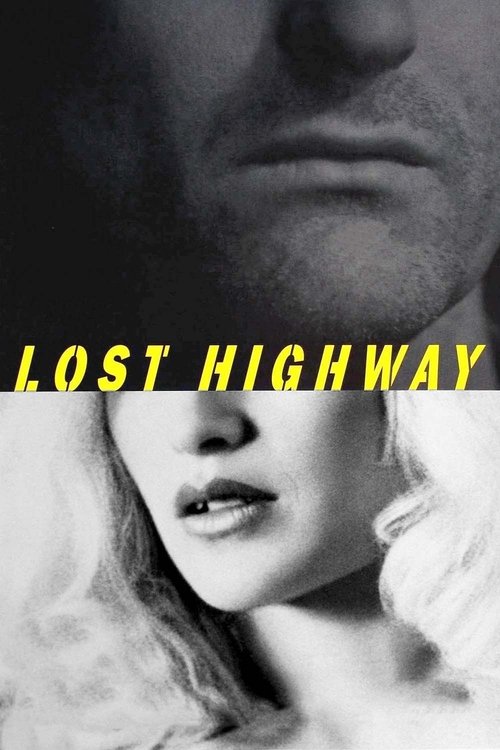
From an outsider’s perspective, it looks like a gory mashup of Fear and Loathing in Las Vegas, Lost Highway, and Bill & Ted’s Bogus Journey.